
The Formula 1 Refueling Ban and Energy Management in a Race
Published: October 20, 2026 • Reading Time: 6 min • Last Updated: October 20, 2026
Learn why Formula 1 cars do not refuel during a race, how fuel and hybrid energy are managed, and how those decisions shape pace, tires, and strategy.
Contents
- What does the Formula 1 refueling ban mean?
- How is fuel for a race planned?
- Does saving fuel always mean losing speed?
- Fuel management and hybrid energy are different jobs
- How does energy management affect race strategy?
- Which information do the driver and team monitor?
- How to read fuel and energy strategy as a viewer
- In short: no refueling, continuous planning
- Frequently Asked Questions
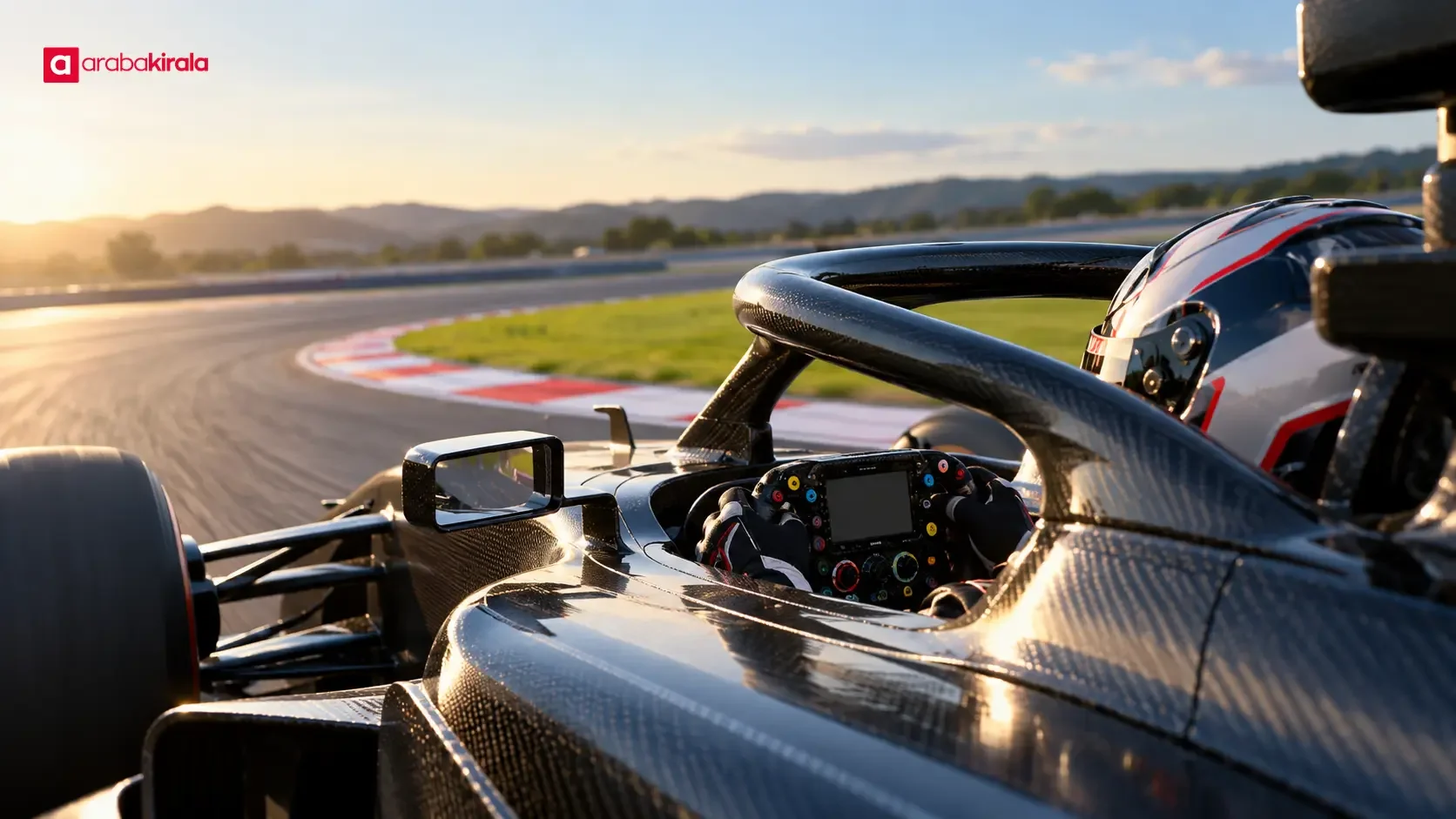
Formula 1 fuel and energy management involves much more than making the fuel in the tank last. Drivers and teams balance race pace, the hybrid power unit, tire condition, and the plan for the remaining distance. This guide explains why cars do not refuel during a race, how teams plan fuel use, and how energy decisions affect what happens on track.
What does the Formula 1 refueling ban mean?
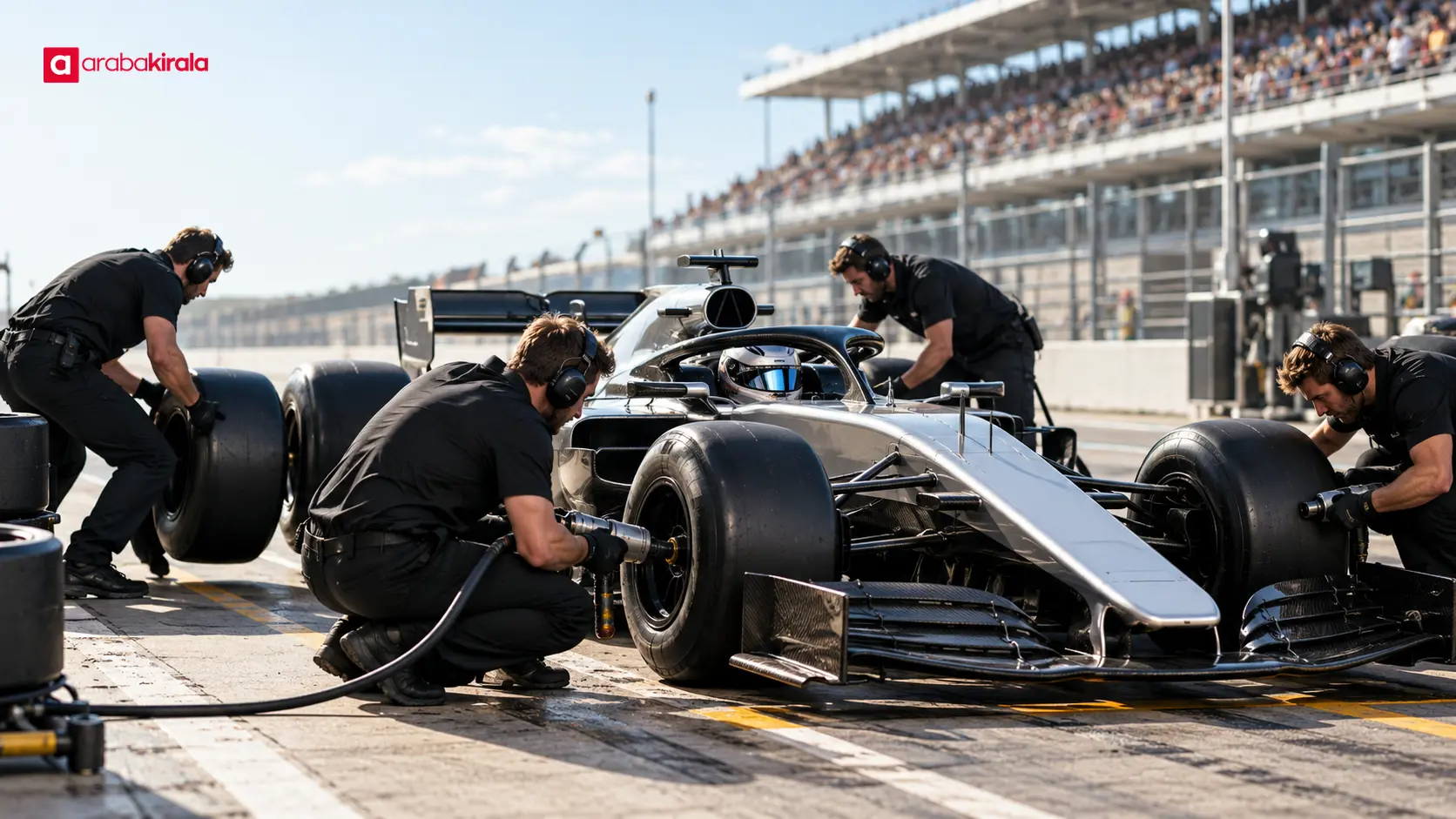
In current Formula 1 racing, teams do not add fuel while a race is under way. Cars start with a planned fuel load, and pit stops are used for services such as changing tires rather than filling the tank. As a result, a team must estimate the fuel needed for the full distance before the start and monitor consumption as the race develops.
The absence of refueling does not make fuel irrelevant. Fuel provides energy for the combustion engine, and the amount carried also affects the car’s weight. More fuel means a heavier car at the start, which changes acceleration, braking, and the load placed on the tires. Teams aim to carry enough for the race while avoiding unnecessary weight.
How is fuel for a race planned?
Fuel planning takes account of factors such as circuit length and layout, race distance, expected weather and track conditions, car setup, and driving pace. A circuit with repeated acceleration zones, long straights, or different opportunities to recover energy can produce a distinct consumption pattern. Teams use simulation and previous data to estimate that pattern, then compare it with measurements during the event.
The car does not carry the same fuel load throughout the race: it becomes lighter as fuel is used. That change influences lap times and tire loads, so the opening part of a race and its closing laps do not present identical conditions. Strategy teams consider how the heavier early-race car affects wear as well as how performance may change as the fuel load falls.
Does saving fuel always mean losing speed?
A request to save fuel does not automatically mean that a driver must slow down on every lap. Throttle use, gear selection, and the way the car is positioned through a corner can affect consumption and lap time together. The team weighs the required saving against race position, tire condition, and the gap to other cars. Where the saving happens matters: slowing at the wrong point can cost a position.
Fuel management and hybrid energy are different jobs
Fuel is the energy source used by the combustion engine. The hybrid power unit also manages electrical energy recovered under braking and power delivered by its systems at different moments in a lap. These subjects are connected, but they are not interchangeable: fuel management controls consumption from the tank, while energy management concerns when electrical power is deployed and how energy is recovered.
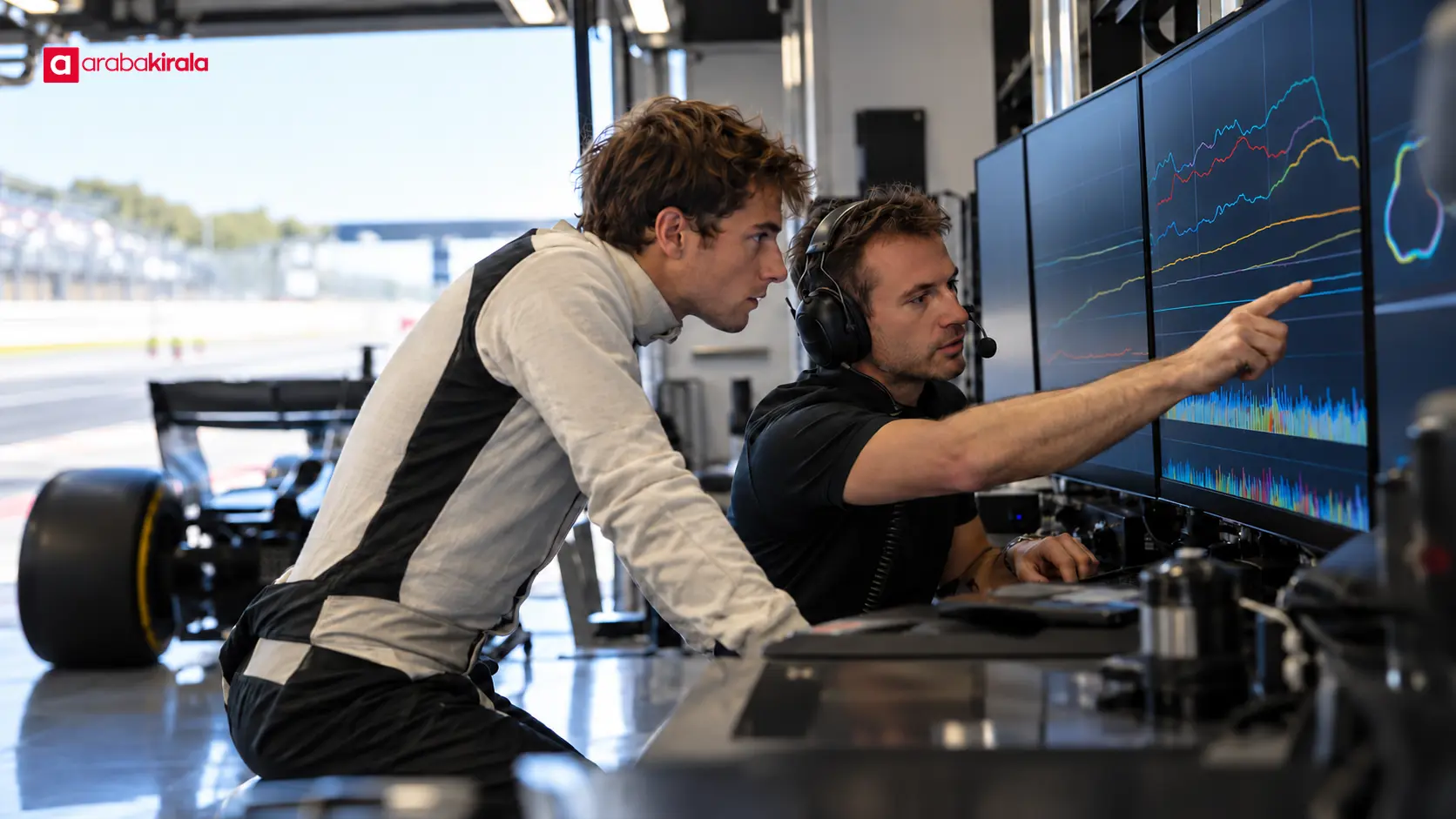
A driver may use electrical deployment while accelerating on a straight, while braking can allow the system to recover some energy. The timing and amount depend on setup, track conditions, and the tactical demands of the race. Guidance from the race engineer helps the driver distribute energy use across parts of the circuit. Those choices can matter during an attempt to pass or defend a position.
How does energy management affect race strategy?
Race performance is not measured only by the fastest possible single lap. A driver must keep the tires in a useful operating range while managing fuel and electrical energy within the team’s plan. Using more power for a short attack can mean a greater need to recover energy later. The aim is to distribute available performance across the race, rather than drive every lap in exactly the same way.
The timing of a pit stop is part of this balance. Tire condition, traffic, the possibility of a safety car, and rivals’ plans can all affect the decision. Since fuel cannot be added, a stop does not reset the overall fuel plan. A fresh set of tires may, however, change the car’s pace and the driver’s energy requirements. Strategy teams consider these effects alongside the remaining distance.
Which information do the driver and team monitor?
- Fuel use: The team compares actual consumption with the planned race target.
- Energy flow: Recovered and deployed electrical energy are considered against the race’s needs.
- Tire condition: Wear and temperature influence how the driver approaches and exits corners.
- Lap and sector pace: The team checks where performance differences are appearing around the circuit.
- Race position: Traffic and gaps to other cars shape the timing of saving or attacking.
How to read fuel and energy strategy as a viewer
You may hear a driver receive a radio message to save fuel or manage energy. Such a message alone does not prove that the car has slowed. The team may be trying to reduce consumption in one part of the race so that more pace is available later, but the reason and effect depend on the circumstances. A driver who does not attack may also be responding to tire condition, traffic, or track position rather than energy use alone.
Look at changes in lap pace alongside pit timing and the driver’s attempts to pass or defend. Together, these clues help show how energy decisions fit into the race plan. Avoid drawing a firm conclusion from a single radio message or lap time; follow the trend over several laps and consider the conditions on track.
In short: no refueling, continuous planning
Because cars do not refuel during a Formula 1 race, fuel is planned before the start and consumption is monitored throughout. Hybrid energy use is a separate area of control, managed together with pace, tires, and race position. When you watch a race, consider fuel messages, energy deployment, tire condition, and pit timing as parts of the same strategy. Following how radio instructions and attacks change over several laps is a useful next step for understanding those decisions.
Frequently Asked Questions
Do Formula 1 cars refuel during a race?
No. Cars do not take on fuel while a race is in progress. Teams plan the fuel load for the distance before the start and monitor consumption as the race unfolds.
Why is a car heavier at the beginning of a race?
It starts with the fuel needed for its planned race distance and becomes lighter as that fuel is consumed. The changing weight affects acceleration, braking, and tire loads, so performance conditions evolve over the race.
Does saving fuel always require a driver to slow down?
No. Throttle use, gear choices, and cornering lines can influence consumption. The team decides where and how to save in light of the race plan, the driver’s position, and tire condition.
Are fuel management and electrical energy management the same?
No. Fuel management concerns consumption from the tank, while hybrid energy management concerns recovering and deploying electrical power. Both affect performance, but they involve different resources and decisions.
Why do cars make pit stops if they do not refuel?
Pit stops provide services such as tire changes. Their timing is a strategic decision that can depend on tire condition, traffic, and the developing race situation.
Legal Disclaimer: All content, articles and information on the Araba Kirala website are provided solely to inform users. No information shared on this website constitutes definitive advice or guidance. Araba Kirala Teknoloji A.Ş. and its authors cannot be held responsible for any direct or indirect damages arising from the application of information on the website. For all questions and requests regarding car rental, please contact the office from which you will rent your vehicle.












