
What Is the Slipstream in Formula 1? How It Helps on a Straight
Published: October 15, 2026 • Reading Time: 6 min • Last Updated: October 15, 2026
Learn how a Formula 1 slipstream forms, why it can help a following car on a straight, and why it does not guarantee an overtake.
Contents
- How does a slipstream form?
- What can it do for the following car on a straight?
- It can help reduce aerodynamic drag
- It can create an approach and an overtaking opportunity
- Are slipstream and dirty air the same thing?
- How slipstream differs from DRS and engine power
- Why do distance and track layout matter?
- How to spot a slipstream while watching a race
- In summary: a slipstream starts an opportunity, not a guaranteed pass
- Frequently Asked Questions
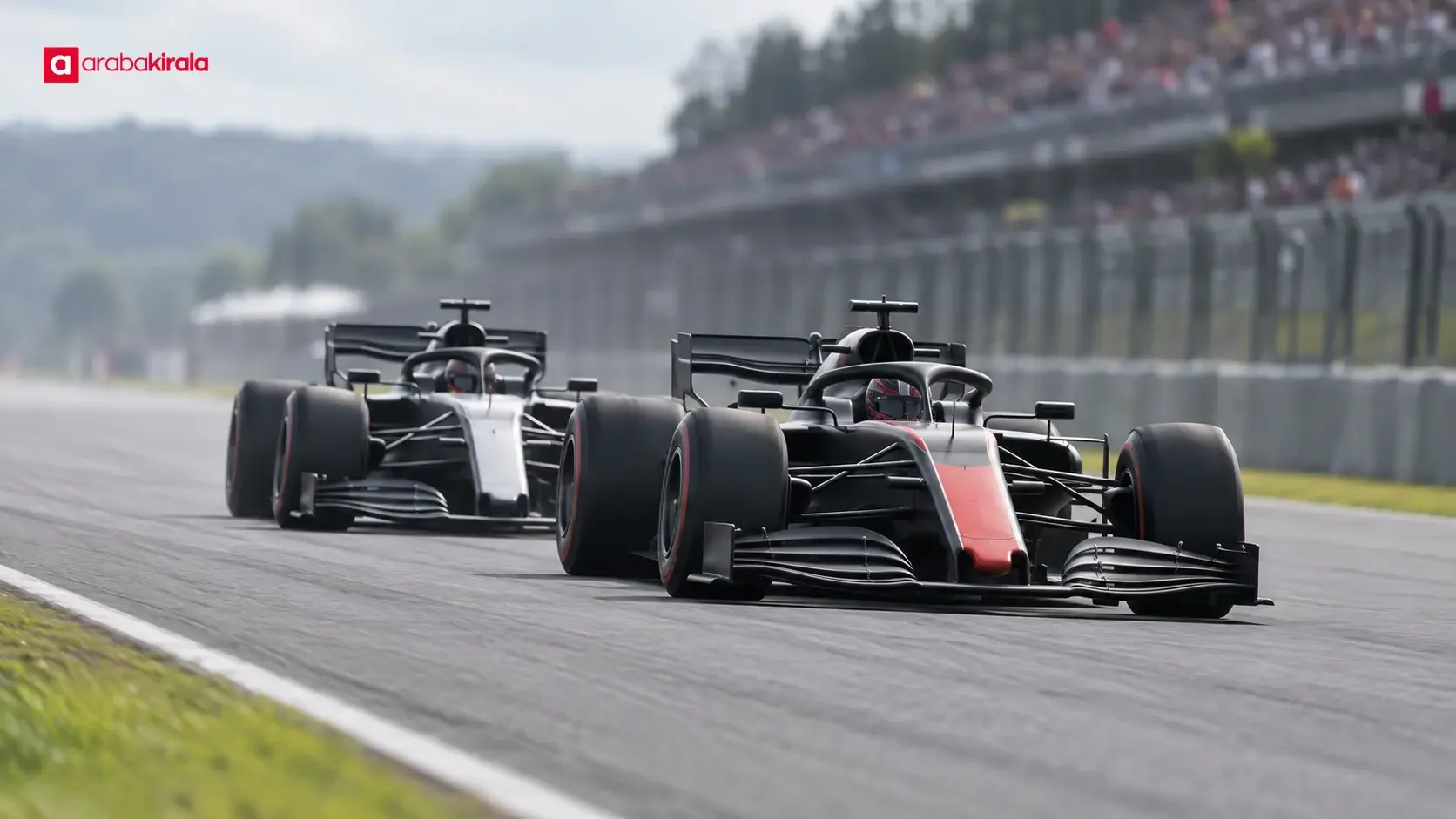
In Formula 1, a slipstream is the following effect created when a car runs in the disturbed air behind another car. This guide explains how that airflow changes, why the following car may face less aerodynamic drag on a straight, and how this can contribute to an overtaking opportunity. A slipstream is not a magic boost: speed, the gap between the cars, the length of the straight and their exits from the previous corner all affect the outcome.
How does a slipstream form?
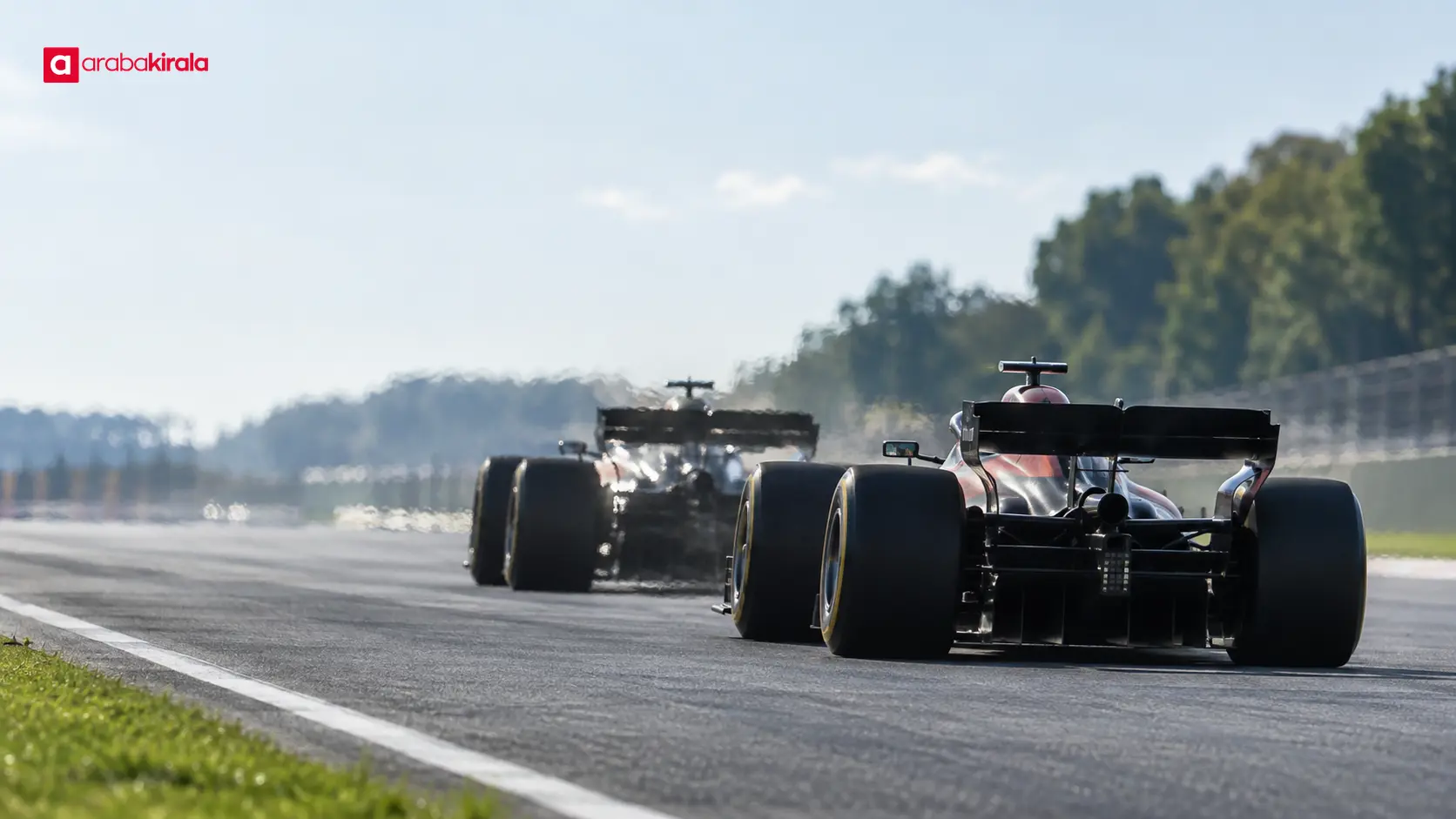
A Formula 1 car parts the air as it moves. Airflow around the front wing, bodywork, floor and rear contributes to downforce, while also creating aerodynamic drag that resists motion. The air does not close neatly behind the car. Some of it leaves a turbulent, lower energy wake. This disturbed region is often called turbulent air or “dirty air.”
When a following car enters that wake, the airflow reaching its front surfaces changes. It may need less power to push through the air, leaving more of its available power for acceleration on a straight. Under comparable conditions, it may gain speed or close on the car ahead. This effect is called the slipstream. The term “drafting” is also used for a similar advantage in racing.
What can it do for the following car on a straight?
It can help reduce aerodynamic drag
Air resistance becomes more noticeable as speed rises, so making use of another car’s wake can matter on a long, fast straight. The following car may use a larger share of its power to accelerate because the car ahead has already disturbed the air. The size of the effect is not fixed. Car setup, speed, wind and following distance can all change the result.
It can create an approach and an overtaking opportunity
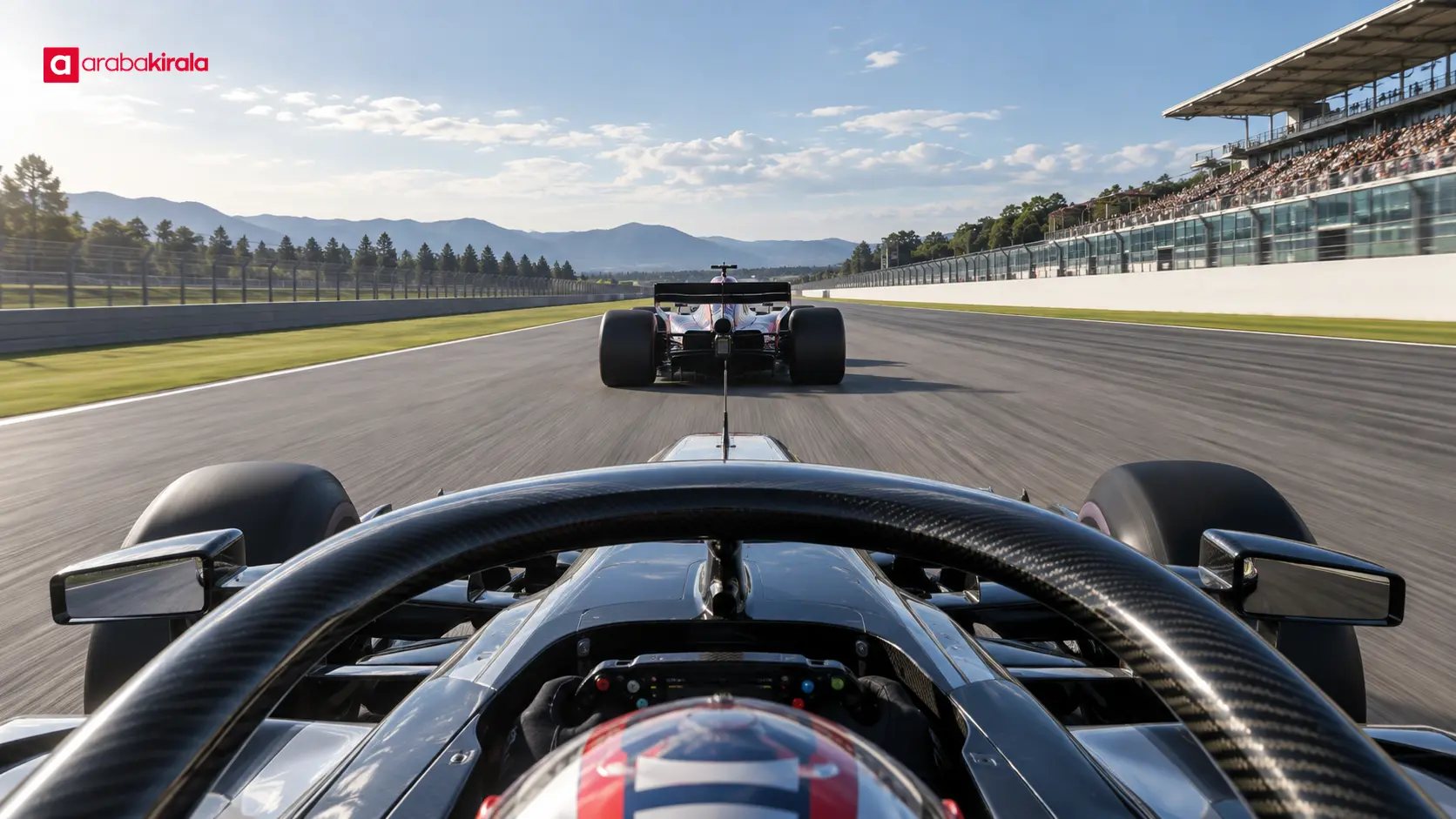
A slipstream can help close the gap between two cars. The driver behind may draw closer through the straight and then move alongside at a suitable point. Being in the wake does not mean that the pass will be completed. The leading driver may defend position, while braking points, track position and corner geometry also matter. The speed gained on the straight has to be turned into a safe, controlled braking approach for a pass to work.
Are slipstream and dirty air the same thing?
The terms are connected, but they describe different things. “Dirty air” is the disturbed flow left behind the leading car. “Slipstream” describes the following car’s potential advantage from facing less resistance within that flow. A car can therefore be in dirty air and still benefit from reduced drag on a straight.
There can also be a trade-off. Formula 1 cars are designed not only for speed but also for aerodynamic downforce that presses the tyres onto the track. In turbulent air, the following car’s wings and floor may encounter less consistent flow. Downforce can fall or the car’s balance can be disturbed, making it harder to follow through corners. Close pursuit that helps on a straight may be more difficult in a bend.
How slipstream differs from DRS and engine power
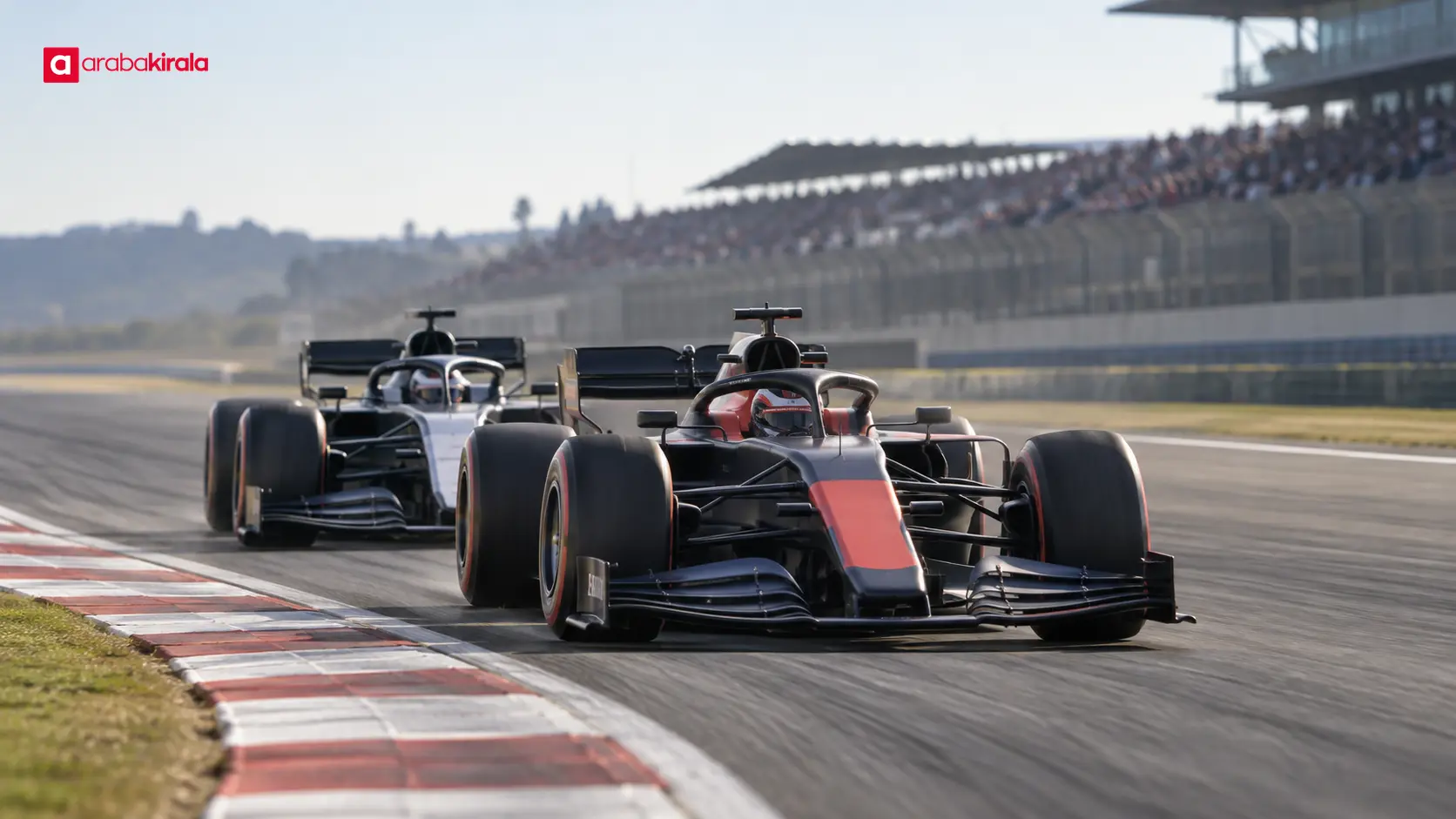
A slipstream is an aerodynamic effect created by the air wake of the car ahead. DRS is a system that changes the rear wing angle to reduce drag in designated zones under specified race conditions. They are not interchangeable. When DRS is available, a following car may benefit both from the wake and from the additional drag reduction provided by the wing configuration. The conditions for using the system depend on the rules in force for that race.
Engine power is the basic force that accelerates the car. A slipstream does not increase engine power; it can help the car use its available power more efficiently against air resistance. This distinction helps explain why a speed difference on a straight cannot be attributed to close following alone. The power unit, gear use, aerodynamic setup and speed out of the preceding corner also play a part.
Why do distance and track layout matter?
The following car needs to be close enough to make use of the wake, but following very closely can affect the driver’s view and the car’s balance. As the gap grows, the influence of the leading car’s airflow may weaken. There is no single ideal distance for every circuit and condition. Straight length, the shape of the previous corner, wind direction and the speed difference between the cars all matter.
An overtaking chance often begins at the exit of the previous corner. If the following car does not exit well, it may not get close enough by the start of the straight, even if it later enters the wake. Drivers therefore pay attention not only to top speed at the end of the straight, but also to their exit line, when they apply throttle and how consistently they accelerate. A strong exit can make the slipstream more useful.
How to spot a slipstream while watching a race
- Look at the gap as the cars begin the straight. If the following car is already closing from the corner exit, both exit speed and the wake may be contributing.
- Watch how long the following car stays behind the leader. Closing through the straight can be consistent with a drag advantage, although it is not proof on its own.
- Notice where the car moves alongside and when braking begins. The slipstream can support the approach, but the drivers’ positions and braking determine whether the pass succeeds.
- Check whether the gap opens again in corners. Turbulent air can affect a following car’s cornering performance.
- Use the race broadcast’s information to distinguish whether DRS is active. DRS and slipstream are different mechanisms and may work together.
In summary: a slipstream starts an opportunity, not a guaranteed pass
A Formula 1 slipstream can help a following car approach on a straight by exposing it to less resistance in the wake of the car ahead. It does not add engine power or guarantee an overtake. Following distance, corner exit, car setup, weather, DRS and the braking point all need to be considered. When watching a race, first note the speed difference at the corner exit, then the shrinking gap on the straight, and finally the braking phase of the passing attempt. This makes it easier to see the slipstream’s contribution alongside the other factors.
Frequently Asked Questions
Does a slipstream always make a car faster?
It does not produce the same speed gain in every situation. The wake of the car ahead can help reduce drag, but the result depends on speed, following distance, wind, engine and aerodynamic setup, among other factors.
Can a car use DRS and a slipstream at the same time?
In a race situation, a following car may be able to use DRS while also benefiting from the wake. The slipstream comes from airflow; DRS comes from changing the rear wing configuration. DRS use is subject to the rules for that event.
Why might a following car struggle in a corner but close on a straight?
The turbulent wake can affect the following car’s aerodynamic balance and downforce. On a straight, the drag-reducing side of the wake may be more useful, while disrupted balance can make cornering and close following harder.
Is slipstreaming unique to Formula 1?
No. Making use of the airflow behind another competitor is seen in other forms of motorsport and in racing such as cycling. Vehicle shape, speed and event rules change how the effect is experienced.
Why does a slipstream not guarantee an overtake?
The wake may bring a following car closer, but a pass also needs room to move alongside, enough speed difference, good positioning and controlled braking. The leading driver’s defence and the corner layout can change the result.
Legal Disclaimer: All content, articles and information on the Araba Kirala website are provided solely to inform users. No information shared on this website constitutes definitive advice or guidance. Araba Kirala Teknoloji A.Ş. and its authors cannot be held responsible for any direct or indirect damages arising from the application of information on the website. For all questions and requests regarding car rental, please contact the office from which you will rent your vehicle.












