
What Are Formula 1 Team Orders and How Are They Communicated During a Race?
Published: October 20, 2026 • Reading Time: 7 min • Last Updated: October 20, 2026
Learn what Formula 1 team orders mean, how they differ from strategy, and how radio messages, pit stops and on track positions can put them into effect.
Contents
- What does a Formula 1 team order mean?
- Team orders and strategy decisions
- How an instruction is communicated during a race
- Radio messages
- Position changes and on track behaviour
- Pit stops and pace management
- Why do teams issue orders?
- What to watch for when interpreting an order
- How can team orders affect a race result?
- Summary: read the radio message in context
- Frequently Asked Questions
Formula 1 team orders are instructions from a team asking one of its drivers to take a particular action during a race. This guide explains how an order differs from a wider strategy decision, how it reaches a driver over team radio, and how it can affect positions, tyres and the team’s overall result. Knowing those distinctions makes it easier to interpret a radio message without mistaking every update from the pit wall for an order.
What does a Formula 1 team order mean?
A Formula 1 team enters two cars in a race. Each driver competes for an individual result, while the cars, engineers and race plan are also parts of a shared team effort. A team order is a request for a driver to act in a way that supports that shared plan. The team might ask a driver to let a teammate pass, hold position, manage tyre use more carefully or come into the pits at a particular time.
The term does not cover every radio instruction. Updates about tyre temperature, traffic, weather, lap time or the condition of the car are ordinary parts of race communication. The defining feature of an order is that it asks the driver to change or manage their behaviour, often in a way that affects the contest between teammates. The wording alone is not enough to identify one; the message and the situation on track both matter.
Team orders and strategy decisions
Strategy is the broader race plan. It can include the choice of tyre compound, pit stop timing, the chance of getting caught in traffic and how to manage pace over the remaining laps. A team order may be the driver facing part of that plan. For example, deciding the pit stop sequence for two cars is a strategic choice; asking the driver ahead to make room for a teammate is an order.
The line is not always clear cut. A call to pit is a direct instruction to a driver, but deciding which teammate should pit first is also a strategic arrangement. So the phrase “team order” should not be used for every command heard on the radio. Consider whether the instruction changes the relative positions of the two drivers or advances a shared team objective.
How an instruction is communicated during a race
Radio messages
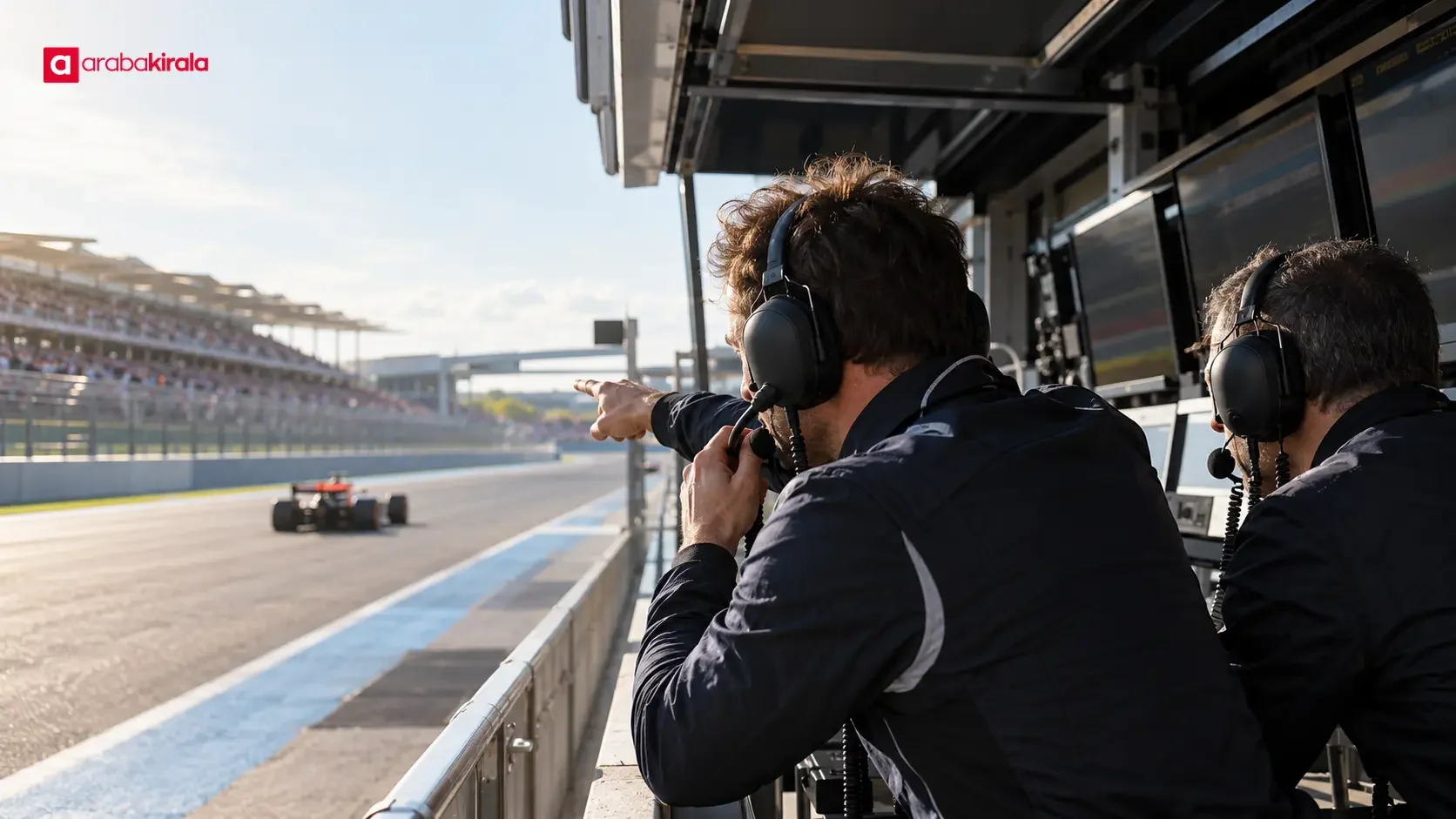
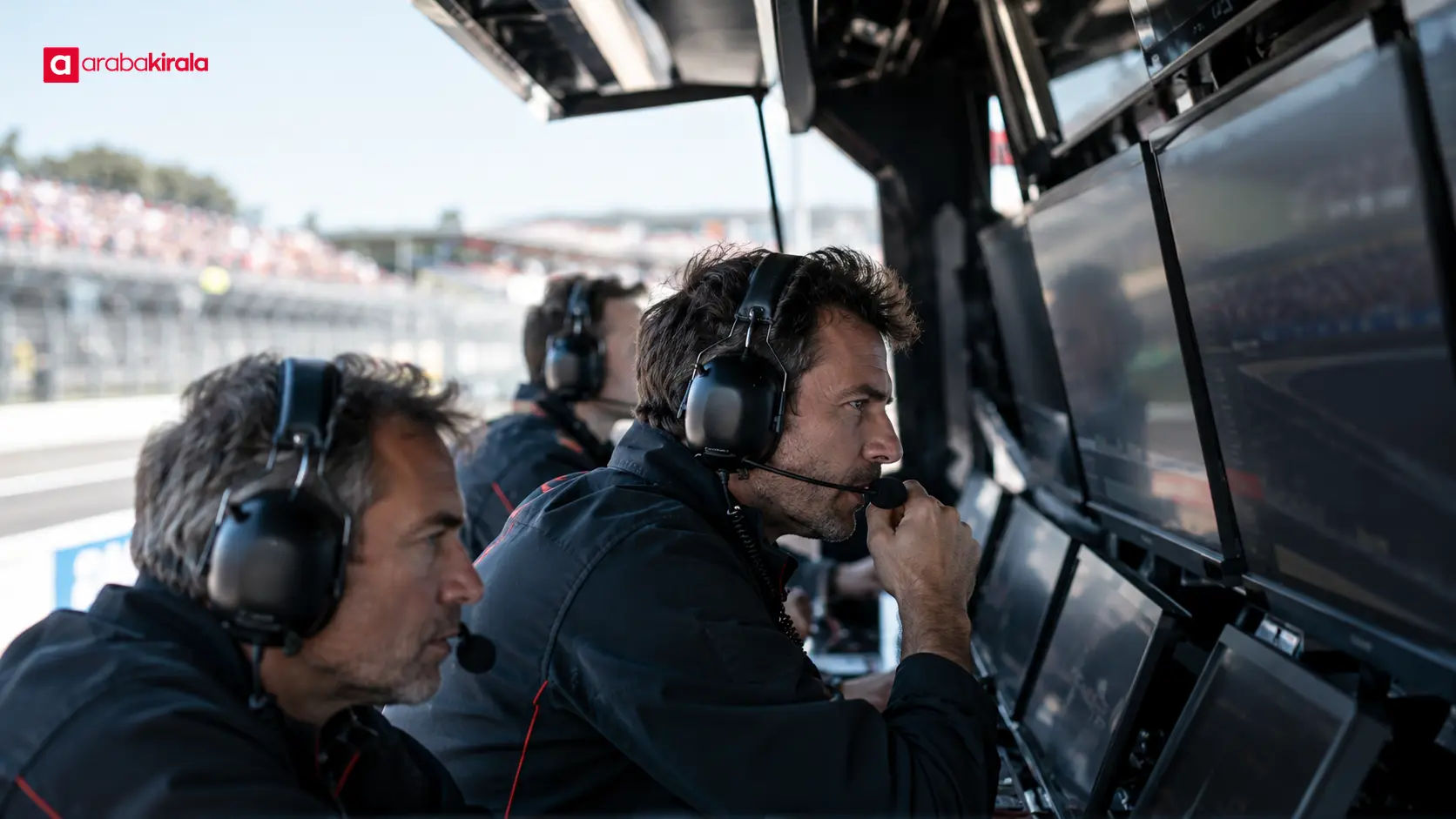
The driver and the engineers on the pit wall communicate over team radio. Messages are kept short and practical so a driver can respond quickly. An order may be stated plainly or delivered through a brief phrase the team has agreed to use. The radio exchanges heard in a broadcast are selected for viewers; they do not show every conversation or the full reasoning behind a decision.
Context before and after a message matters. A driver may be told to hold position, then receive a different instruction a few laps later after the strategy changes. Information from the team and a request for action are also different things. A short reply from the driver does not, by itself, explain whether the instruction will be followed or why.
Position changes and on track behaviour
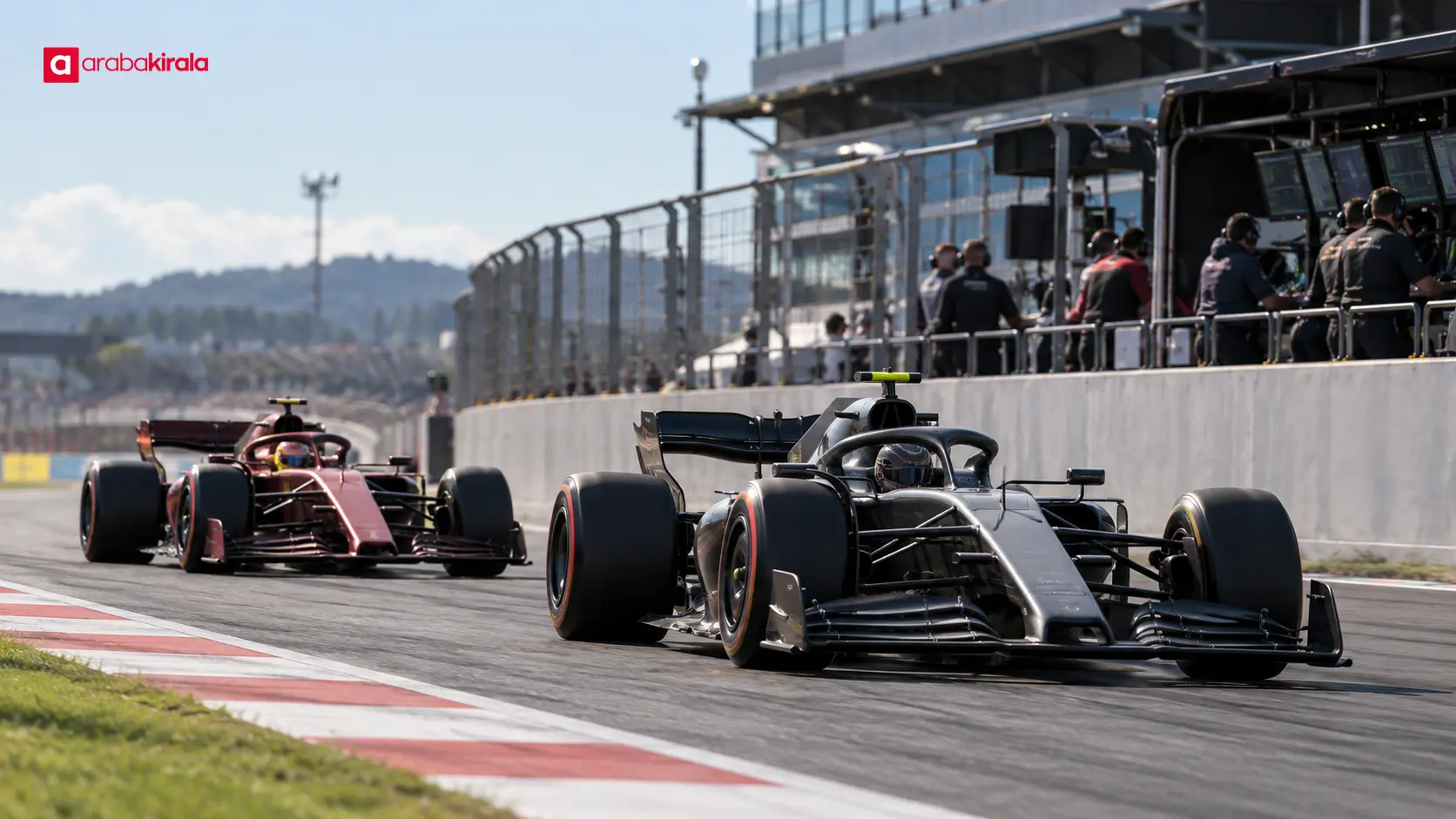
A team order can affect the running order of two cars. A driver might be asked not to defend, to let a teammate through or to yield at a safe point. The aim may be to protect the team’s result, clear the way for cars on different strategies or make use of a teammate’s stronger pace. Such requests do not remove the driver’s responsibility to drive safely; any move has to be considered alongside traffic and the cars’ positions.
Pit stops and pace management
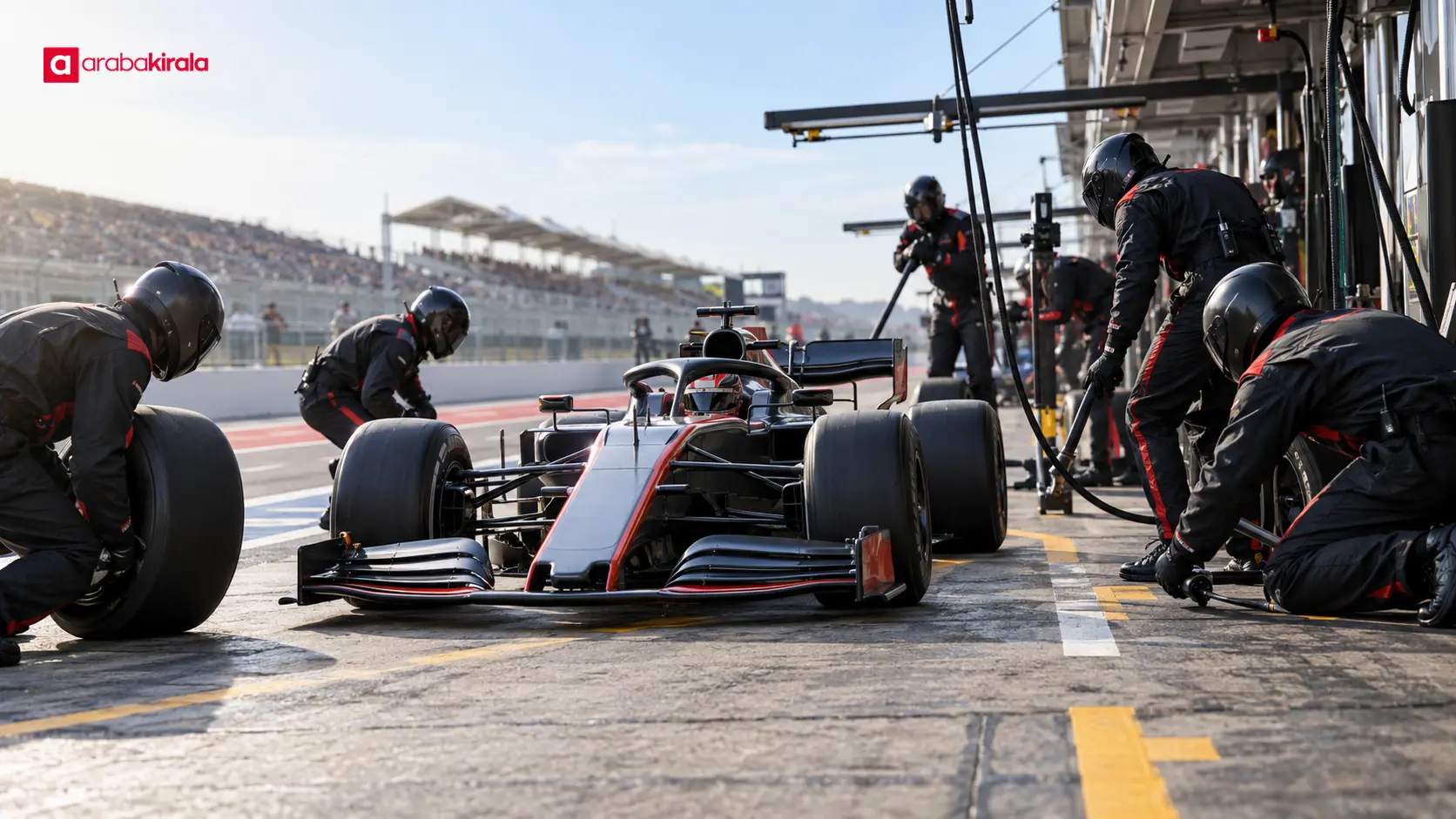
Orders are not limited to swapping places. A driver may be asked to look after the tyres, stay within a target pace or wait for a suitable lap to stop. A pit call brings the car in so the crew can carry out work such as changing tyres. Scheduling stops for two teammates on different laps can be part of a plan that accounts for traffic and available clear track.
Why do teams issue orders?
The two cars may face different conditions because of tyre wear, traffic or strategy. A team may want to preserve an order that helps the overall result or give room to the driver in a better position to make progress. In one situation the driver in front may be asked to hold position; in another, a teammate may be allowed through because they have stronger pace or are following a different pit plan.
Orders can be contentious because a driver’s personal contest and the team’s shared goal do not always point in the same direction. A position change may look unfair or reduce the excitement for spectators. From the team’s perspective, managing the risk of two cars colliding, protecting the chance of scoring and carrying out the race plan all matter. To assess an order, look beyond the finishing order to tyre condition, laps remaining, traffic and the other car’s race situation at that moment.
What to watch for when interpreting an order
- Listen to the wording: Is the message giving information, or asking the driver to change their behaviour?
- Check where both cars are: The gap, approaching rivals and traffic can change what the instruction means.
- Consider tyres and pit plans: Different wear or stop timing may explain why one driver is asked to let another through.
- Follow the next message: Engineers may add information or revise the instruction as the race develops.
- Remember the limits of a broadcast: A radio excerpt does not reveal every team conversation. Avoid drawing a firm conclusion from a clip without its context.
How can team orders affect a race result?
An order can directly change the positions of two cars from the same team, so it can influence finishing places and the points awarded. It may also affect how hard a driver pushes the tyres, when they are called in for a stop or how they race against rivals. The effect can continue beyond the immediate moment: yielding a place may let the other car close on competitors and change the plan for later laps.
Still, no instruction guarantees a result. Traffic, rival pace, weather and car condition can all change. Teams may revise their plan as a race unfolds, and the driver’s response depends on whether the action is practical and safe. It is more accurate to see team orders as one tool for managing a race than as a switch that determines its outcome.
Summary: read the radio message in context
Formula 1 team orders ask a driver to take a particular action in support of the team’s shared race plan. Strategy describes the wider plan, while an order can be the part that guides a driver’s behaviour on track. Consider what the radio message asks, where both cars are, and how tyres and pit timing fit together. When following a broadcast, listening to what comes next and avoiding firm conclusions from a short audio clip can help make the situation clearer.
Frequently Asked Questions
How is a team order different from an ordinary radio message?
An ordinary message may provide information about tyres, traffic or the car. A team order asks the driver to take a particular action, such as holding position or letting a teammate pass.
Are team orders only used to swap positions between teammates?
No. A driver may also be asked to look after the tyres, adjust pace or come into the pits on a certain lap. A position swap is simply one of the most visible examples.
Are team orders always stated explicitly?
Not always. Some messages make a direct request, while others use short phrases or guidance understood as part of the team’s plan. The race situation helps explain the message.
Does a race broadcast show every team radio conversation?
No. The radio heard on a broadcast is not a complete transcript of communication between a team and its driver. A short excerpt may leave out earlier instructions or the reasoning behind a decision.
Can a driver choose not to follow a team order?
The instruction over radio and the driver’s response are separate steps. Traffic, the condition of the car and a safe opportunity to act can affect what happens; a brief reply does not always reveal the driver’s final decision.
Legal Disclaimer: All content, articles and information on the Araba Kirala website are provided solely to inform users. No information shared on this website constitutes definitive advice or guidance. Araba Kirala Teknoloji A.Ş. and its authors cannot be held responsible for any direct or indirect damages arising from the application of information on the website. For all questions and requests regarding car rental, please contact the office from which you will rent your vehicle.












