
How Are Formula 1 Track Limits Breaches Detected and Reviewed?
Published: November 1, 2026 • Reading Time: 6 min • Last Updated: November 1, 2026 • Author: Merve B.
Learn how white lines define Formula 1 track limits, how officials review suspected breaches, and why the consequences can differ between practice, qualifying and the race.
Contents
- What do track limits define?
- How is a suspected breach detected?
- What happens in practice, qualifying and the race?
- Practice and qualifying
- The race
- Why do several breaches occur at the same corner?
- What to watch when following a track limits decision
- Conclusion: line, contact and context matter together
- Frequently Asked Questions
Formula 1 track limits define when a car has left the usable circuit and how that departure is assessed under the sporting rules. This guide explains the role of the white boundary lines, what it means for a car to lose contact with the track, how FIA officials review a suspected breach, and why the outcome may differ between practice, qualifying and the race.
What do track limits define?
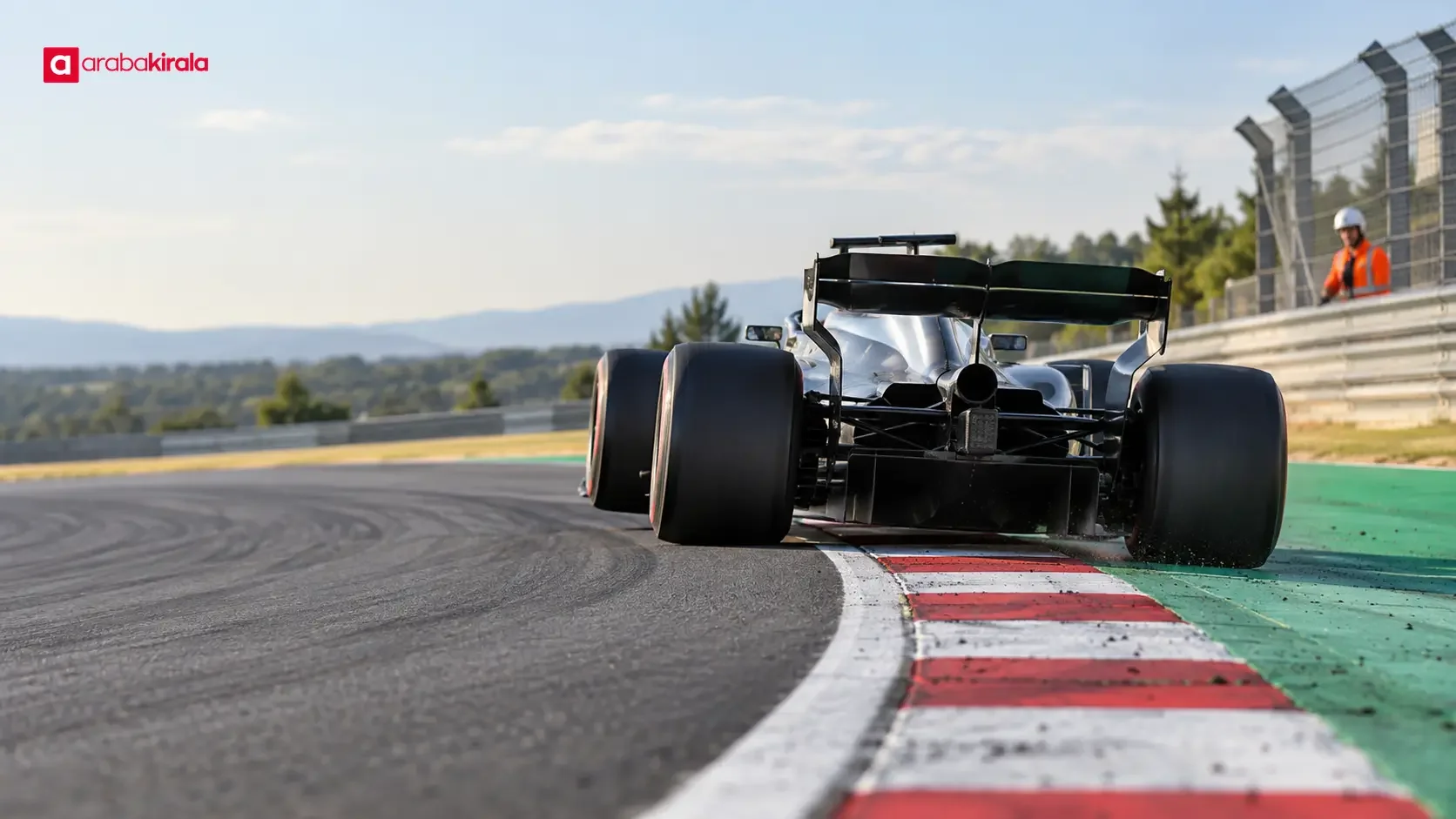
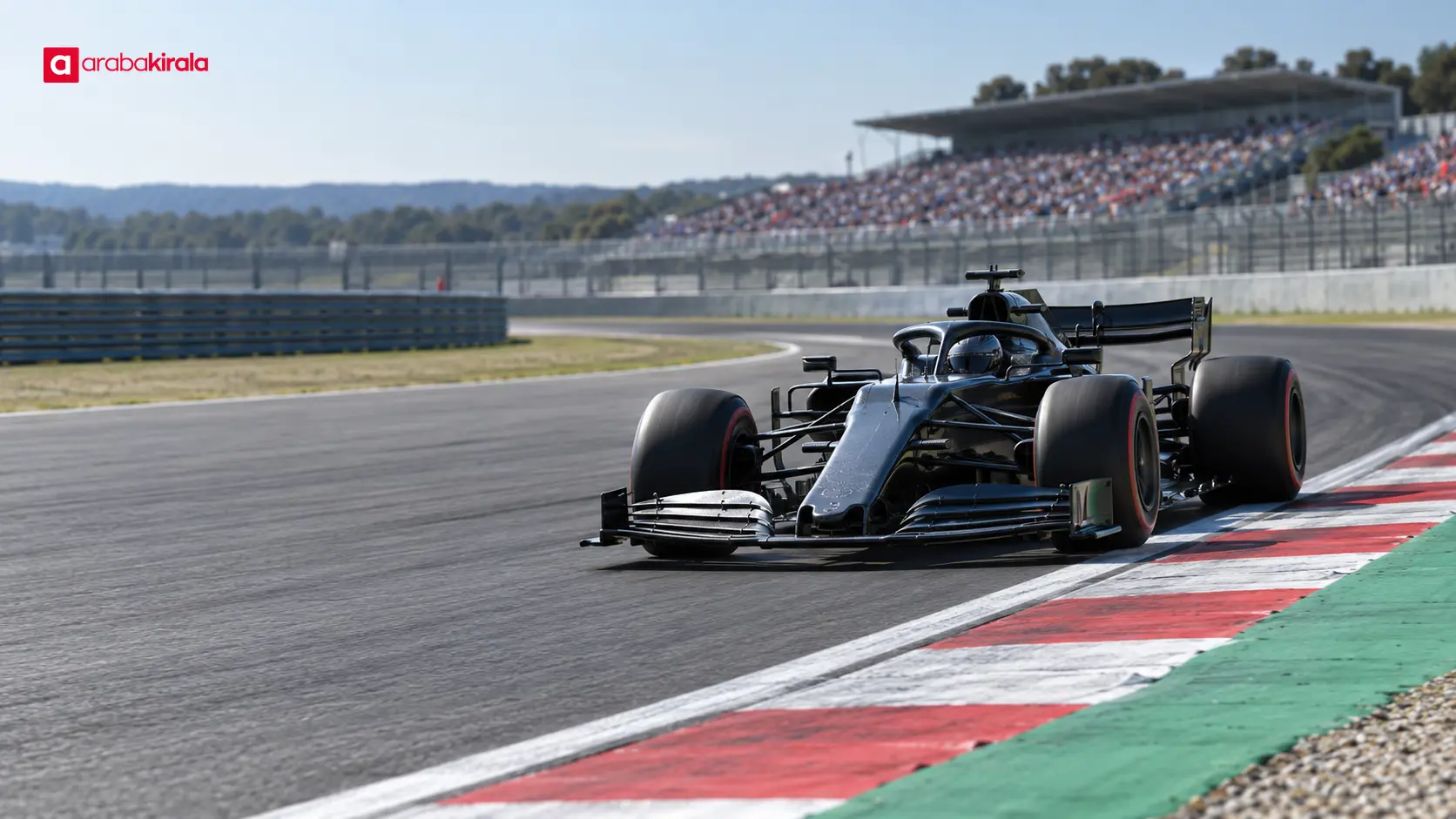
A track limit marks the edge of the circuit surface available for racing. The FIA Formula 1 Sporting Regulations treat the white lines defining the track edges as part of the track; kerbs are not included in that definition. As a result, riding a kerb does not by itself mean that a car has left the track. The assessment depends on where the car’s wheels are in relation to the defined surface and on any event specific instructions for that circuit.
The central test is whether any part of the car remains in contact with the track. In common explanations, an infringement is associated with all four wheels crossing beyond the boundary. Since the white line counts as part of the track, the location of the tyres in relation to that line matters. A view of the bodywork extending beyond the edge is not necessarily enough to establish a breach; officials need to assess the wheels and whether track contact remains.
How is a suspected breach detected?
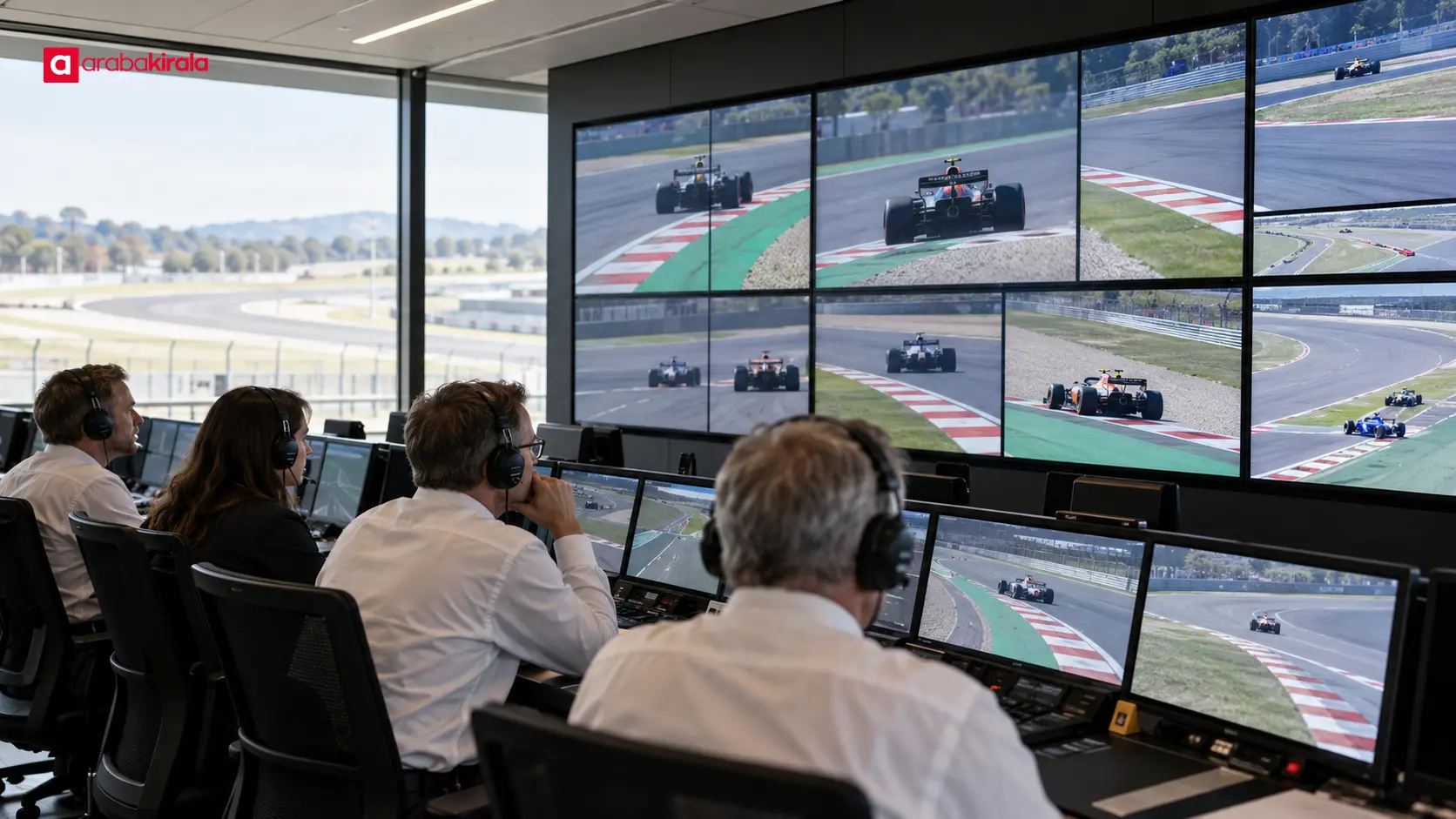
During a session, the FIA monitors possible excursions using cameras around the circuit and electronic monitoring tools. FIA descriptions of its operations also refer to computer vision analysis supporting the process. These tools help flag moments for review; they do not replace the officials responsible for applying the rules. Video, vehicle data and the context of the session may all contribute to the assessment.
The review focuses on the car’s position relative to the boundary and whether contact with the track has ended. If one camera angle does not clearly show how the tyres crossed the line, other views or electronic records may be considered. The FIA regulations allow stewards to use video and electronic means to assist their decisions. Circuits also differ, so event notes may include additional instructions for particular corners or markings.
A car leaving the circuit does not always lead to the same sporting outcome. The driver may rejoin only when it is safe and without gaining a lasting advantage. The reason for leaving, the manner of rejoining and whether any advantage was given back can matter when officials consider the incident under the applicable rules. The assessment therefore involves the circumstances as well as the boundary itself.
What happens in practice, qualifying and the race?
Practice and qualifying
If a lap is completed after a track limits breach, that lap time may be invalidated. This matters especially in qualifying: a deleted lap cannot be used as the driver’s result for that attempt. The applicable event instructions and where the breach occurred can affect how the incident is handled. The FIA’s published penalty guidance also clarifies that a driver cannot set a time outside the white lines; viewers should not assume that officials must separately prove a measurable time gain in every case.
The race
Race incidents can involve a disciplinary process that differs from simply deleting a lap time. FIA Sporting Regulations and penalty guidance set out a framework for repeated track limits offences, including warnings and possible further action. That does not mean the same number or outcome applies automatically in every situation. The regulations in force, repetition, instructions for the relevant part of the circuit and the stewards’ assessment all matter. Because rules and procedures can change between seasons, the official documents and decisions for the specific event are the best reference for a particular case.
A decision may be made while the race is running, or announced later if officials need more time to review the available records. FIA decision documents record the incident and the rule applied. A brief broadcast graphic or radio message may therefore provide only part of the explanation behind the final sporting decision.
Why do several breaches occur at the same corner?
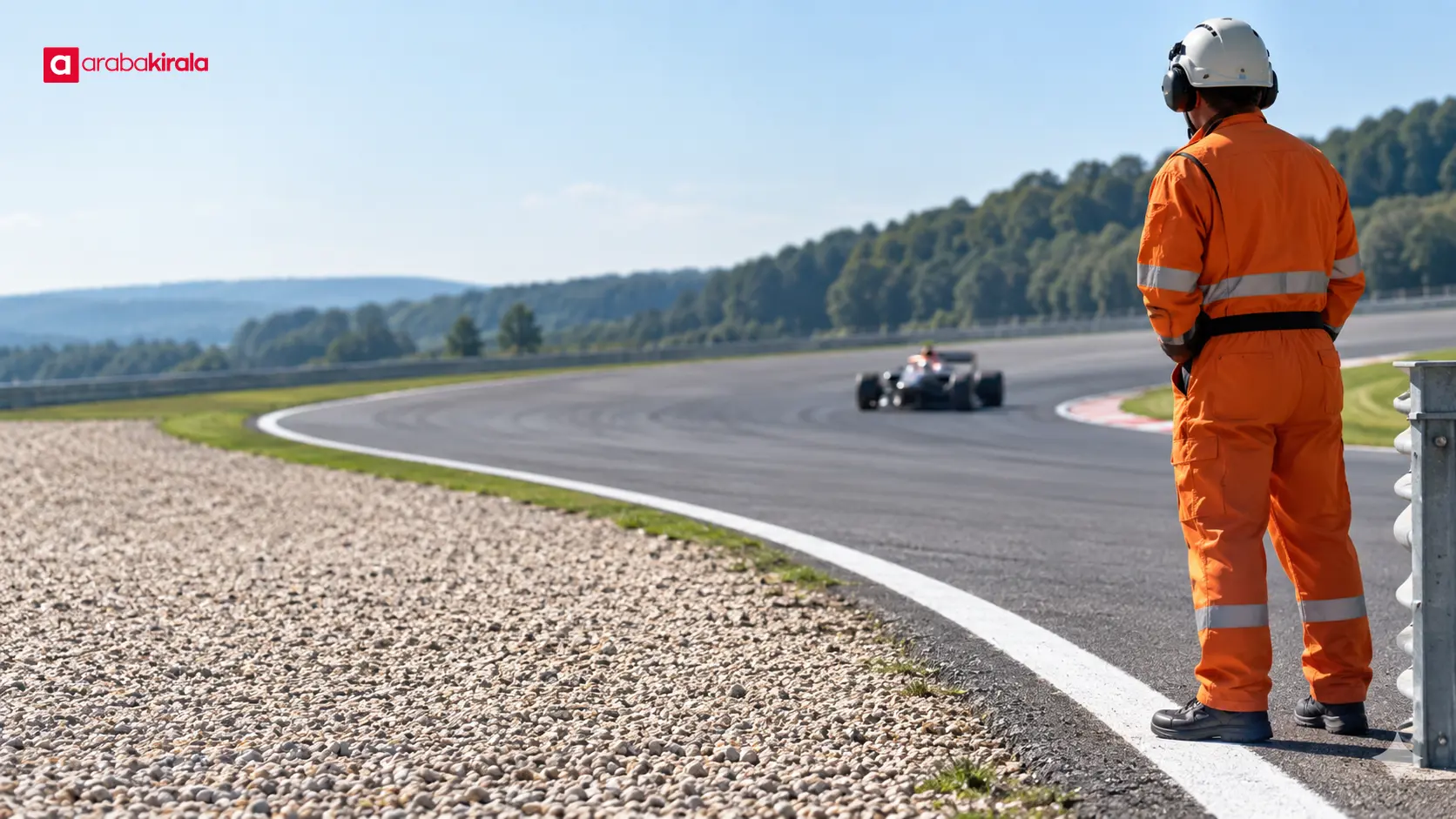
A wide paved area at a corner exit can create an opportunity for a driver to carry speed beyond the defined line. Asphalt runoff behind a kerb can make the boundary less visually obvious and may affect the incentive to use every available metre. FIA and Formula 1 explanations of circuit changes describe measures used at some locations, such as making lines more visible or changing the physical runoff area. These are circuit specific responses, not a universal design applied everywhere.
Drivers and teams need to understand the boundary from circuit maps, event notes and official feedback during sessions. Teams can also study video and car data to assess the racing line. For viewers, focusing on the tyres rather than only the car body makes a replay easier to interpret. It is also useful to watch how the car rejoins and whether it appears to retain an advantage.
What to watch when following a track limits decision
- Find the boundary: Identify the white line defining the edge at the corner in question. Do not treat the kerb and the line as interchangeable.
- Follow the tyres: Bodywork extending beyond the edge does not by itself show that the car has left the track; look for whether contact remains.
- Distinguish the session: A lap deletion in practice or qualifying is different from the process for repeated infringements in a race.
- Watch what happens next: Does the car rejoin safely, and does it retain a lasting advantage after leaving the circuit?
- Check the official decision: Event notes and FIA stewards’ documents often explain more than a short broadcast graphic.
Conclusion: line, contact and context matter together
The white boundary line is the starting point for understanding Formula 1 track limits, but a complete decision also considers whether the car lost contact with the track and what happened after it went beyond the edge. Camera and electronic systems help identify a possible breach; officials apply the rules to the available evidence and circumstances. When a contentious excursion appears in the next race, check the line and tyres first, then consider the session and read the FIA’s official decision.
Frequently Asked Questions
Is the white line considered part of the track?
Yes. The FIA Formula 1 Sporting Regulations treat the white lines defining the track edges as part of the track. Kerbs are treated separately, so the position of the line and the tyres should be assessed distinctly.
Does driving over a kerb count as leaving the track?
Not by itself. The regulations distinguish kerbs from the white boundary lines. Whether the car has left the track depends on whether it has lost all contact with the defined track surface and on any event specific instructions.
Does one tyre crossing the line invalidate a lap?
One tyre passing the line does not by itself establish that the car has left the track. The FIA’s basic test is whether any part of the car remains in contact with the track. Officials assess the incident using the relevant footage and rules.
Does every track limits breach lead to a penalty?
The outcome depends on the session and circumstances. A lap in practice or qualifying may be invalidated, while repeated infringements in a race can lead to a warning or another sporting decision. The applicable rules and the stewards’ decision determine the result.
How does the FIA monitor track limits?
The FIA uses circuit camera footage and electronic monitoring tools to follow possible breaches; computer vision can support that work. Officials with responsibility for the decision review the available records under the sporting regulations.
Legal Disclaimer: All content, articles and information on the Araba Kirala website are provided solely to inform users. No information shared on this website constitutes definitive advice or guidance. Araba Kirala Teknoloji A.Ş. and its authors cannot be held responsible for any direct or indirect damages arising from the application of information on the website. For all questions and requests regarding car rental, please contact the office from which you will rent your vehicle.












