How to Read a Tachometer and What It Tells You About Engine Use
Published: October 29, 2026 • Reading Time: 7 min • Last Updated: October 29, 2026
Learn how to read RPM, interpret tachometer movement, and use the display as one reference for smoother, more informed driving.
Contents
- How to read a tachometer and why it matters
- Reading the RPM scale and its marked range
- Engine speed, road speed, and gears
- What the needle can show in different conditions
- When the car is stopped with the engine running
- During acceleration and on a hill
- At a steady cruising speed
- Using the tachometer as a driving reference
- Getting familiar with a rental car’s instruments
- Make careful conclusions from engine RPM
- Frequently Asked Questions
How to read a tachometer and why it matters
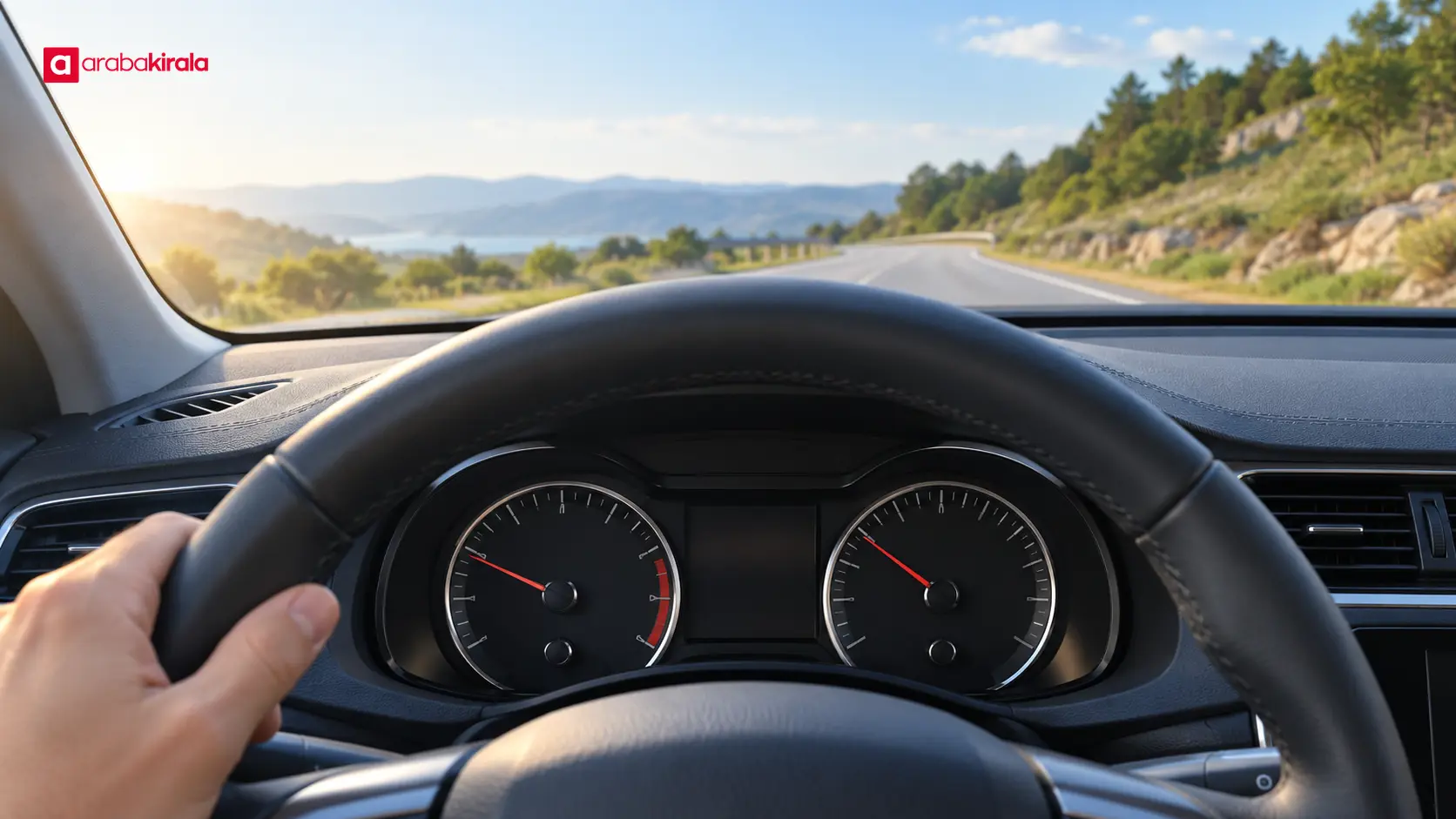
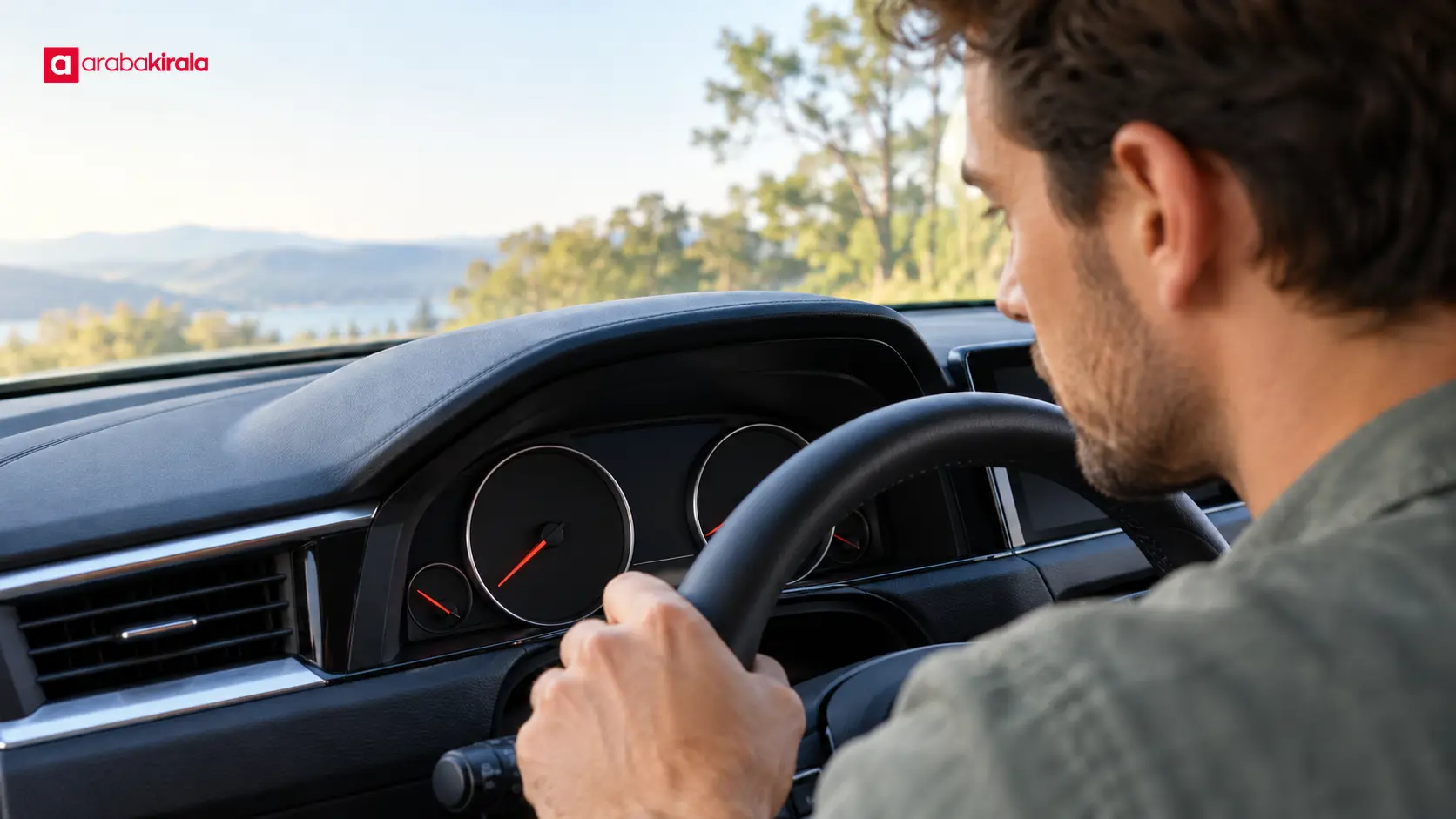
To understand how to read a tachometer, start with what it measures: engine speed, usually expressed as revolutions per minute, or RPM. The gauge tells you how quickly the engine is turning. It does not show how fast the car is moving; that is the speedometer’s job. This guide explains the scale, why the needle changes with gear selection and road conditions, and how the display can help you understand a car’s response while keeping your attention on the road.
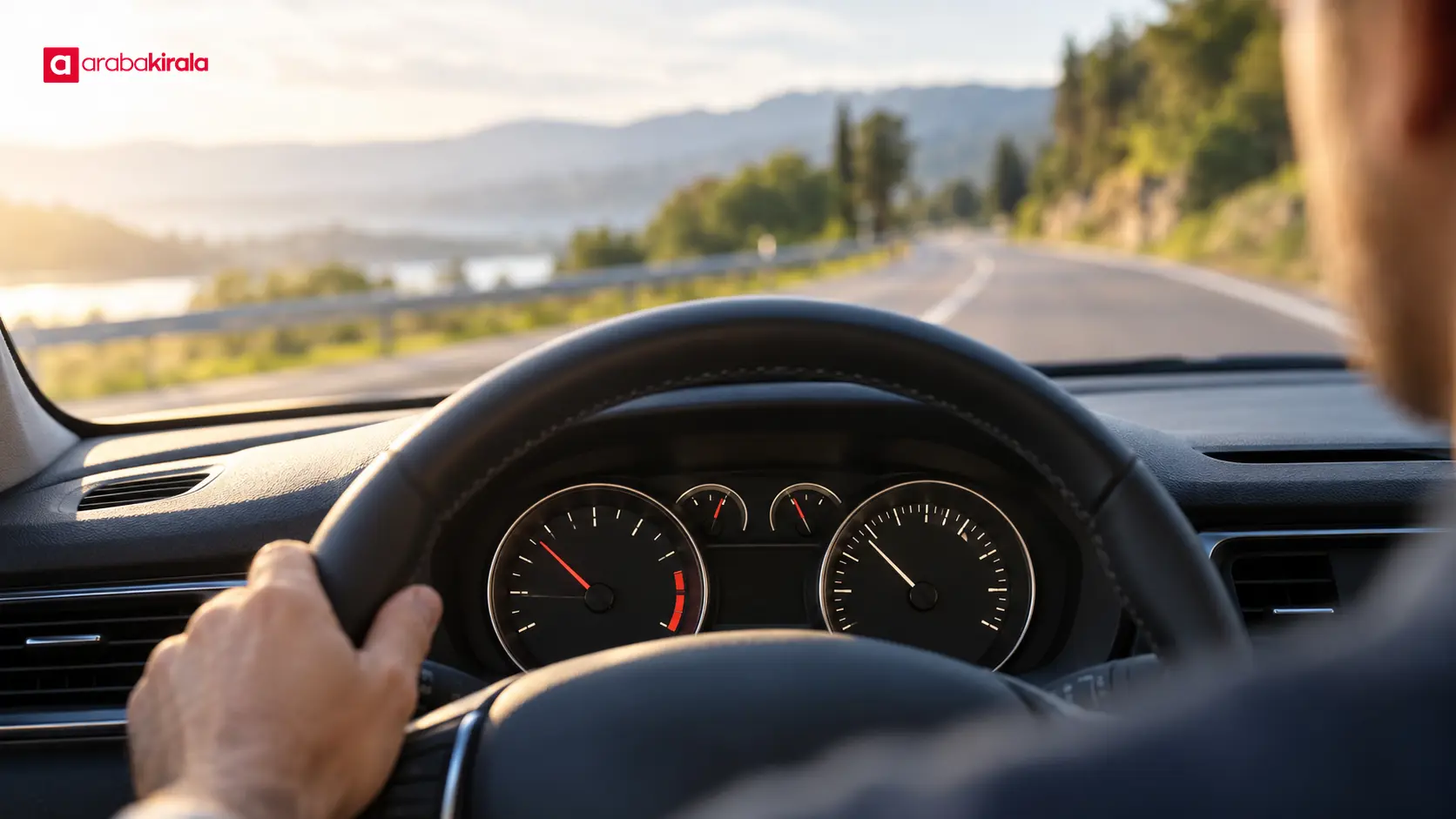
A tachometer is often placed beside the speedometer. It may use a moving needle, a digital number, or a bar display. The format changes, but the basic information is the same. Check the vehicle owner’s manual for the meaning of its markings and warnings, since display layouts and engine characteristics vary between vehicles.
Reading the RPM scale and its marked range
Many dials show numbers such as 1, 2, and 3, with a note such as “×1000.” In that case, a needle at 2 represents about 2,000 revolutions per minute. Do not assume every display uses the same scale: look for the multiplier or unit, and check the manual if the markings are unclear. A digital instrument panel may show the RPM value directly.
A contrasting or red section near the top of the scale draws attention to a high engine speed range. Its meaning and the appropriate operating limits depend on the specific engine. Follow the vehicle’s manual rather than treating the colored section as a universal shift point. It is not a road speed limit or a recommended gear number; it belongs to the engine-speed scale.
There is no single ideal RPM that applies to every car and every situation. Engine design, transmission gearing, road slope, vehicle load, and the amount of acceleration requested all affect the needle. Read its movement alongside the road conditions and the vehicle’s response. Unusual sounds, vibration, or warning lights matter too and should not be dismissed because the needle appears normal.
Engine speed, road speed, and gears
Road speed describes how quickly the vehicle travels along the road. Engine speed describes how quickly the engine turns. The two are related through the transmission, but they are not interchangeable. At the same road speed, selecting a different gear can change engine RPM. In a manual car, a gear change alters the ratio between the engine and the wheels. An automatic transmission selects ratios according to its design and the driving conditions.
When an automatic transmission shifts up, the tachometer needle may drop even if the car’s speed changes little. During acceleration, RPM may rise and then fall after a gear change. Such movement can be part of ordinary operation. A change on the gauge alone does not diagnose a fault. If the movement is erratic or comes with other symptoms, consult the owner’s manual and seek qualified assistance when needed.
What the needle can show in different conditions
When the car is stopped with the engine running
With the vehicle stationary and the engine running, the tachometer shows idle speed. After a cold start, operating conditions may cause the reading to differ briefly from its later behavior. There is no one idle figure that applies to every vehicle. If the needle keeps fluctuating, the engine misfires, or a warning light appears, note the symptoms and use the manual’s guidance rather than guessing from the gauge alone.
During acceleration and on a hill
Pressing the accelerator asks the engine to produce more power, so RPM generally rises. A hill, added load, or a request to accelerate can increase the engine’s work. A rising needle in those circumstances does not by itself indicate a problem. In a manual car, choose gears with the road and traffic in mind, aiming for smooth progress without unnecessarily straining the engine. In an automatic, gear changes can produce temporary changes in the reading.
At a steady cruising speed
On a level road at a steady speed, the needle may remain fairly stable, though a slope or a transmission change can alter the reading. If RPM repeatedly rises and falls while road speed remains similar, especially with shaking or loss of power, the gauge cannot identify the cause. Pull over only when it is safe, check for warnings, and contact technical assistance if the vehicle’s condition is uncertain.
Using the tachometer as a driving reference
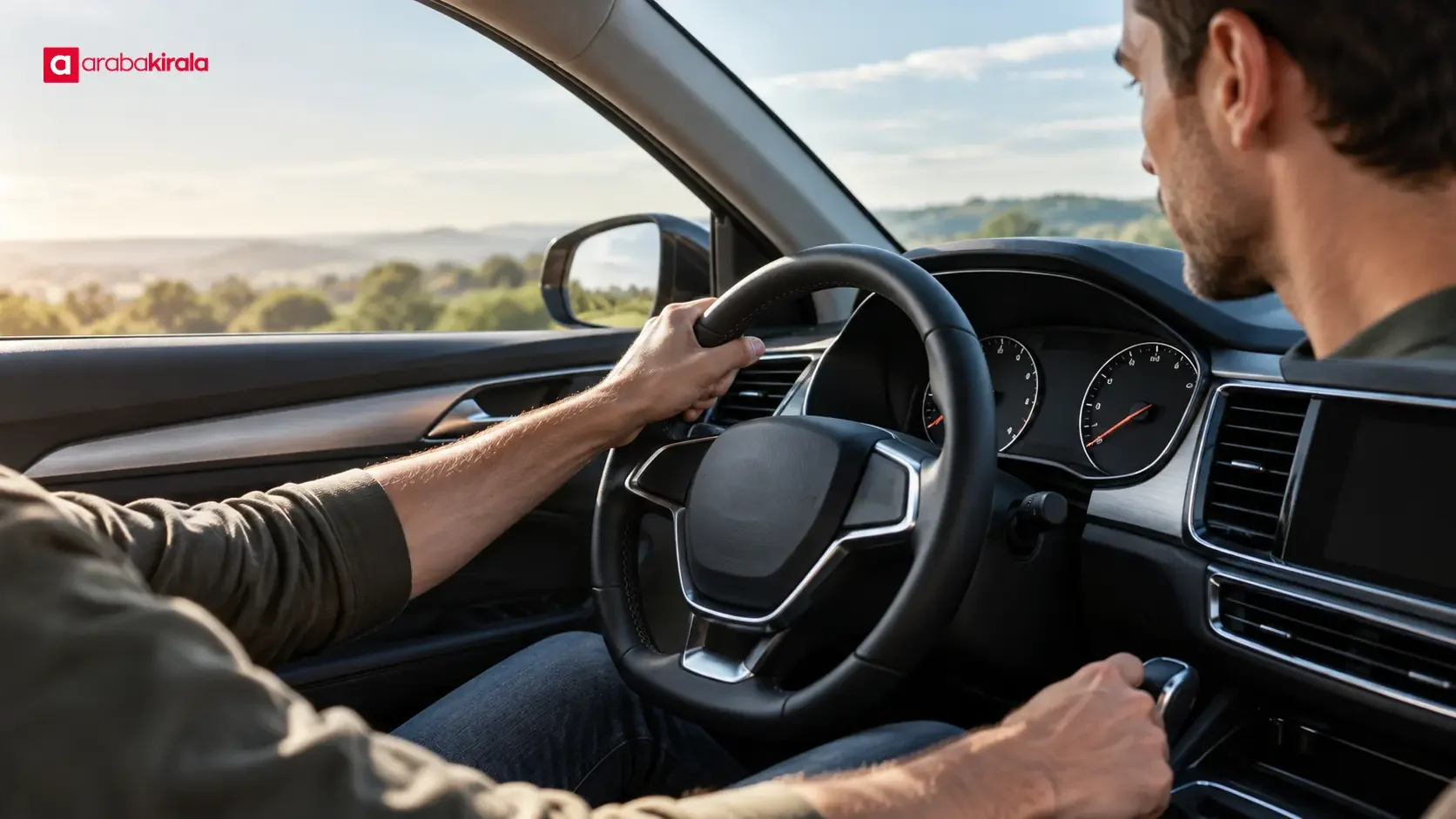
The tachometer can be useful when learning how an unfamiliar engine responds, but it is only one source of information. Glance at it occasionally; your primary attention should remain on traffic, the road, and other road users. Do not keep your eyes on the instrument panel for an extended period.
- Learn the scale, unit, and multiplier before relying on the displayed number.
- Notice how engine sound, vehicle speed, gear changes, and the needle relate to one another.
- In a manual car, do not base every gear decision on one fixed RPM figure; consider traffic, road conditions, and the engine’s response.
- Do not use one needle position to make a definite claim about fuel use or engine health. Follow the vehicle manual’s operating guidance.
- If the needle approaches a marked high-speed range, follow the vehicle’s instructions and avoid abrupt acceleration that could strain the engine.
Getting familiar with a rental car’s instruments
The layout, scale, and transmission response in a rental car may differ from those you use regularly. Before driving, take a moment while the vehicle is stationary to locate the tachometer, identify warning symbols, and understand the gear selector. If the owner’s manual explains the instrument panel, review that section. For an unfamiliar vehicle-specific display or operating feature, ask the branch you are renting from before setting off.
That brief orientation can help prevent confusion between the tachometer and speedometer and reduce the need to search through menus while driving. If an engine warning symbol appears, look up its meaning in the manual instead of guessing. If you are unsure whether it is safe to continue, stop in a safe place and seek assistance.
Make careful conclusions from engine RPM
A tachometer reports engine speed at that moment. By itself, it does not prove engine condition, calculate fuel consumption, or identify the cause of a fault. The same reading can reflect different operating conditions in different vehicles. Consider the car’s design, selected gear, road, and load together. Persistent unusual readings accompanied by noise, vibration, reduced power, or a warning may need professional inspection.
In short, first read the RPM scale and its multiplier, then observe how the needle responds to acceleration, gear changes, and slopes. Use the owner’s manual for vehicle-specific limits. If a rented car has an unfamiliar control or display, ask the branch before driving. This makes the tachometer a practical aid to understanding the car rather than a basis for assumptions.
Frequently Asked Questions
What do 1 and 2 mean on a tachometer?
If the dial is marked “×1000,” 1 represents roughly 1,000 RPM and 2 roughly 2,000 RPM. Check the scale marking, because some digital panels display the value in another format.
Does the tachometer measure the same thing as the speedometer?
No. The speedometer shows the vehicle’s road speed, while the tachometer shows engine revolutions per minute. Changing gears can change engine speed even when road speed stays about the same.
What does a fluctuating needle at idle mean?
Brief changes may relate to operating conditions and do not establish a fault on their own. Persistent fluctuation, misfiring, or a warning light calls for checking the owner’s manual and seeking technical help.
What should I do if the needle enters the red area?
The meaning of the marked area and the engine’s operating limits depend on the vehicle. Avoid abrupt acceleration, follow the manual, and stop safely to seek assistance if the engine or display behaves unusually.
Can I tell fuel consumption from the tachometer?
No. The tachometer measures engine speed, not fuel use. Consumption depends on several factors, including the engine, gear, speed, road, and driving style, so one needle position cannot provide a definite figure.
Legal Disclaimer: All content, articles and information on the Araba Kirala website are provided solely to inform users. No information shared on this website constitutes definitive advice or guidance. Araba Kirala Teknoloji A.Ş. and its authors cannot be held responsible for any direct or indirect damages arising from the application of information on the website. For all questions and requests regarding car rental, please contact the office from which you will rent your vehicle.