
How WRC Differentials Distribute Power Through Corners
Published: October 14, 2026 • Reading Time: 7 min • Last Updated: October 14, 2026
Learn what differentials do in WRC cars, how open and limited-slip designs differ, and how they influence traction and handling in a corner.
Contents
- Why does a differential matter?
- Open differentials and their traction limit
- What changes with a limited-slip differential?
- Front, centre, and rear arrangements in a WRC car
- Its effect through the three parts of a corner
- Corner entry
- Mid-corner
- Corner exit
- Differentials, torque vectoring, and traction control
- What to watch for when following a rally
- Summary and next step
- Frequently Asked Questions
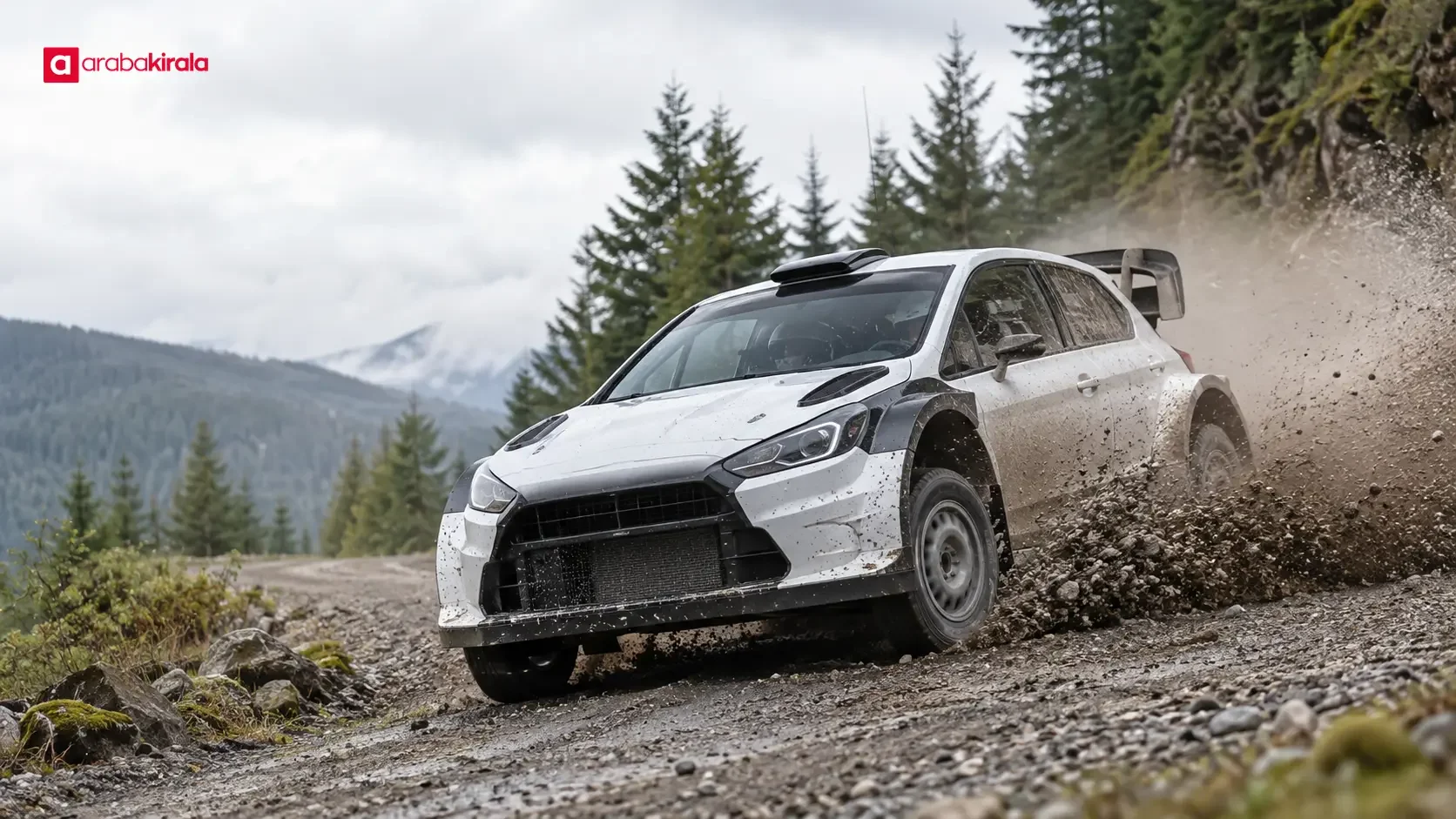
The WRC differential system lets wheels on the same axle turn at different speeds in a corner and influences how engine torque is used when grip varies. This guide explains the differential’s basic role, the difference between open and limited-slip designs, how differentials fit into four-wheel drive, and why the system matters for handling.
Why does a differential matter?
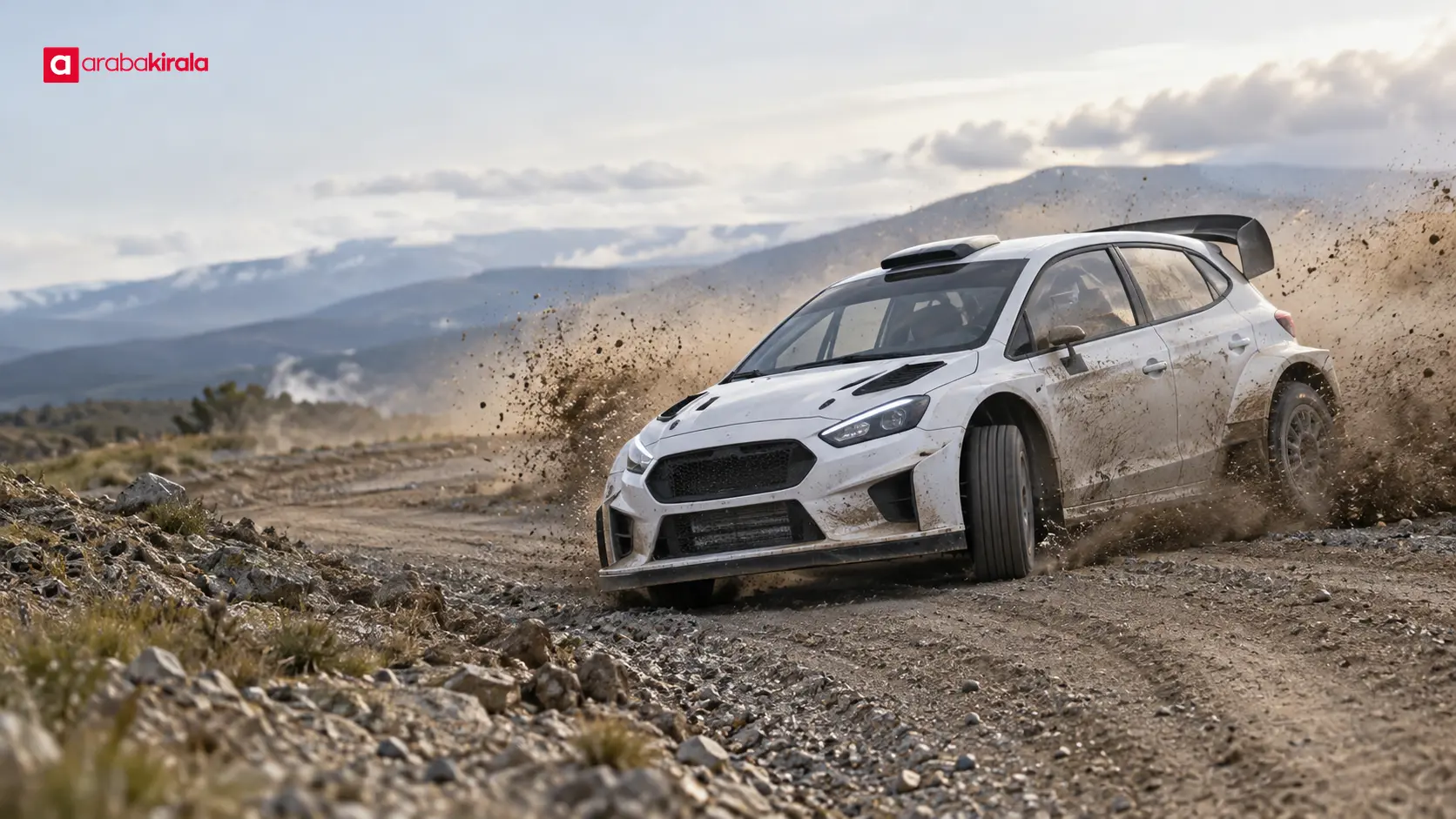
When a car turns, its inside wheel follows a shorter path than the outside wheel. The outside wheel therefore needs to rotate faster over the same period. If both wheels were rigidly joined to one shaft, they could not make this speed difference. A tyre might have to slip to compensate, making the car harder to control and potentially increasing tyre wear.
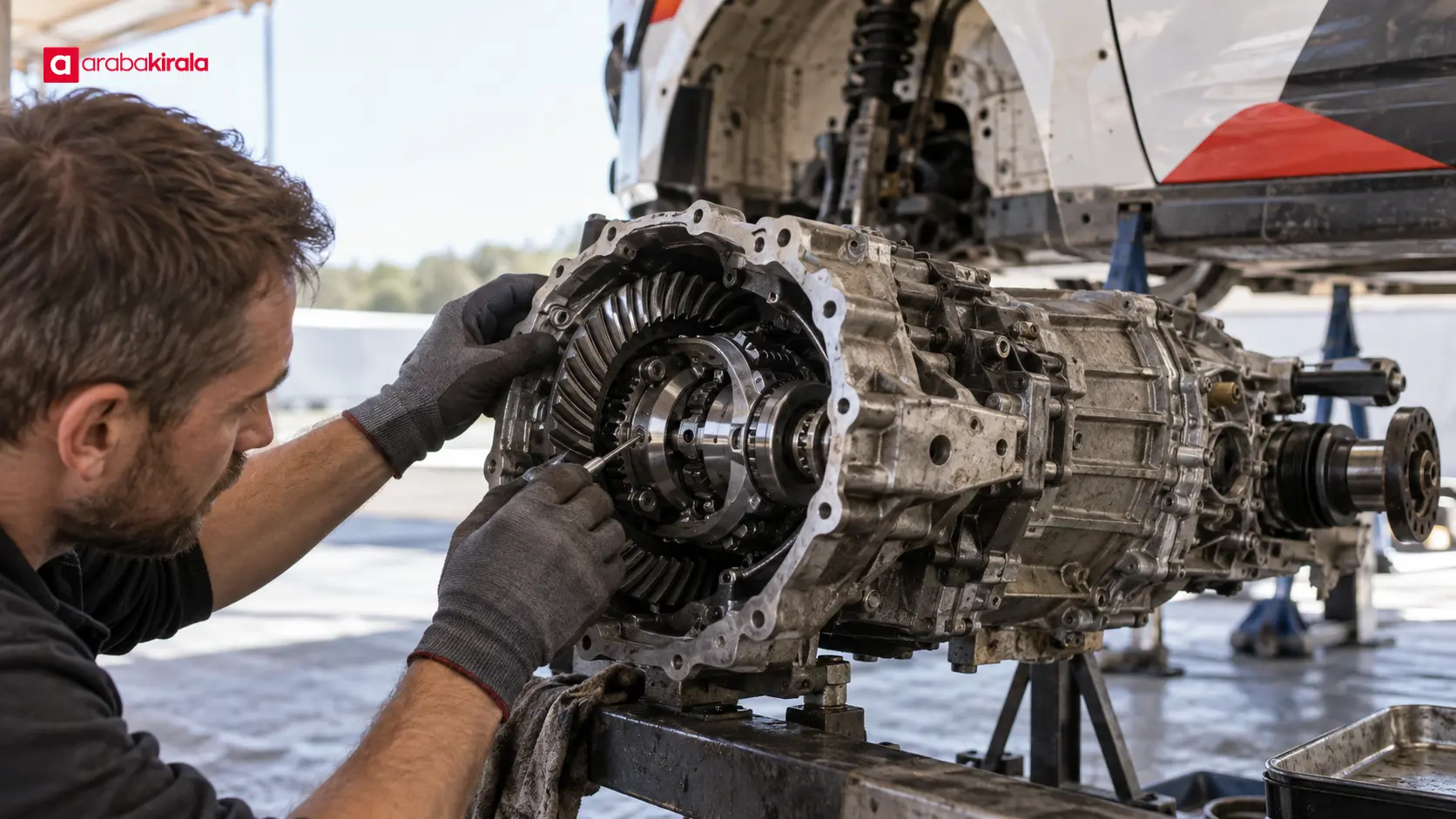
A differential passes rotation from the driveline to both sides of an axle while allowing the wheels to turn at different speeds. On a straight, when grip conditions are similar, their speeds may be close. In a corner, the mechanism accommodates the difference. This does not mean that one wheel always receives more power: wheel-speed difference and torque distribution are related, but they are not the same thing.
Open differentials and their traction limit
An open differential is a straightforward, widely used mechanism that allows the wheels to rotate at different speeds. But if one wheel has very little grip, it can spin more easily. The torque that an open differential can transmit may then be limited by what the low-grip wheel can support. Even when the other wheel has better grip, this can restrict how much traction the car can use.
This matters when accelerating out of a corner. The inside wheel can become more lightly loaded, while loose gravel, mud, or an uneven surface can give the two wheels different levels of grip. If one begins spinning freely, engine power is not being transferred effectively to the ground. A differential does not guarantee maximum traction in every condition. The mechanical layout, tyre grip, surface, and driver’s throttle and braking inputs all contribute to the result.
What changes with a limited-slip differential?
A limited-slip differential (LSD) restricts the difference in wheel speed to some degree instead of leaving it entirely free. If one wheel starts to lose grip, the design can allow more torque to reach the other wheel. This can help make engine power more usable as the car accelerates out of a corner.
Although people often use “locked differential” as a casual description, a limited-slip unit does not necessarily force both wheels to rotate at the same speed in every situation. Different designs use methods such as clutch packs, gears, or electronic control, and their responses vary. Setup can affect the car’s willingness to turn on entry, its balance through the middle of a corner, and its traction on exit. Excessive locking or an unsuitable setting can make the car less willing to turn or give the rear a different response. No setting is automatically “better”; the aim is to match the stage, surface, tyres, and driving style.
Front, centre, and rear arrangements in a WRC car
A four-wheel-drive rally car sends drive to both front and rear axles. Its driveline may include axle differentials and components that manage torque transfer between the axles. Their number, type, control method, and permitted configuration depend on the car’s category and technical design. It is not safe to assume that every WRC car has identical hardware or settings.
- Front axle: Manages the speed difference between the front wheels. Its setup is connected to how the car holds its line under power and how it responds to steering.
- Rear axle: Manages the difference between the rear wheels. It can influence exit traction and the car’s balance while turning.
- Transfer between axles: Concerns how torque is shared between the front and rear. The mechanism and control used for this function vary with the car’s design.
Grip changes constantly over rally stages. Smooth, firm asphalt, loose gravel, and snow do not ask the differential to behave in exactly the same way. Teams choose settings with the stage, car response, and tyres in mind. The driver then manages braking, steering, and throttle in response to pace notes and what the car is doing. The differential does not replace those decisions; it is one part of the driveline that affects how driver inputs reach the wheels.
Its effect through the three parts of a corner
Corner entry
As the driver releases the brakes and turns the car in, the load distribution changes. Differential characteristics can influence the car’s sense of rotation on entry by affecting how freely the wheels can differ in speed. Brake balance, suspension, tyres, and surface are acting at the same time, so the car’s response cannot be explained by one component alone.
Mid-corner
To hold a line, the tyres need to generate both steering and traction forces. The difference in wheel speed has to suit the geometry of the turn. How strongly a differential limits that difference can change whether the nose seems to follow the intended line or run wider. The effect can become more noticeable where grip varies across the surface.
Corner exit
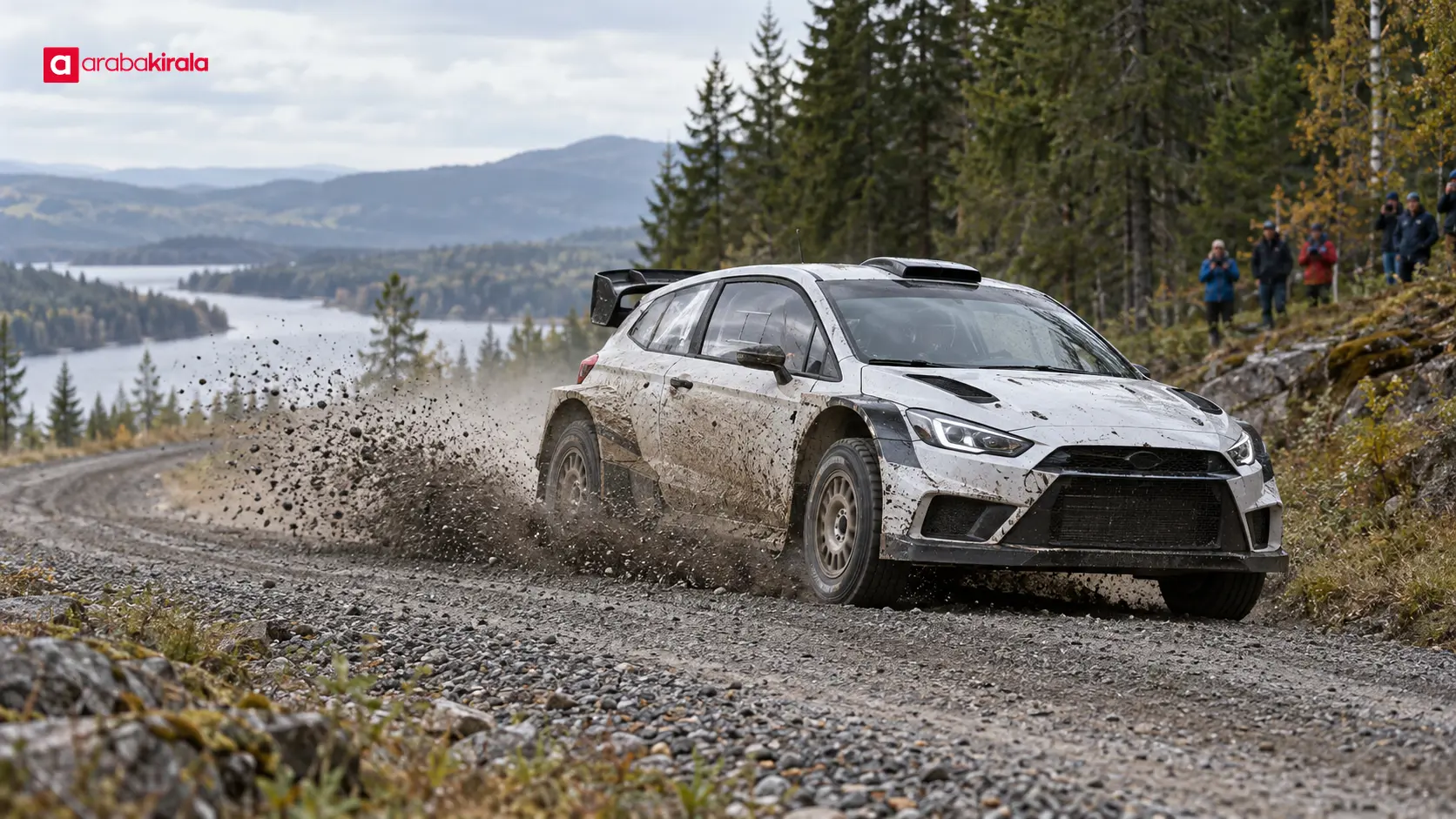
When the driver opens the throttle, torque is sent to the wheels. If one wheel loses grip early, a limited-slip design can help direct torque to the other side. Too much throttle, low grip, or an unsuitable setting can still cause wheelspin. A differential does not create grip; it affects how available grip is used across the wheels.
Differentials, torque vectoring, and traction control
These terms are related, but they do not describe the same function. A differential mechanically allows a speed difference between wheels in a driveline and, depending on its design, affects torque sharing. Torque vectoring describes an approach to influencing a car’s direction by sending different torque to wheels or axles; that result can come from special differentials or other systems. Traction control detects wheelspin and attempts to limit it through engine torque or braking. To establish how a particular WRC car implements these functions, consult the technical rules for its category and the car’s technical documentation.
What to watch for when following a rally
- Wheelspin on the inside wheel at corner exit should be considered alongside surface grip and when the driver applies throttle.
- A car running wide is not necessarily showing a differential issue; speed, steering, tyres, and suspension also affect its line.
- Different wheel tracks on gravel or snow can be normal. On their own, they do not prove a fault or a bad setup.
- If the same car responds differently on different stages, changing surface and grip conditions may be part of the explanation.
Summary and next step
A differential allows wheels to turn at different speeds in a corner; limited-slip designs can influence how torque is used when grip differs. In a four-wheel-drive rally car, the front and rear axles and the transfer between them all contribute to the overall response. Consider the corner phase, surface, wheelspin, and the car’s line together. For technical detail, consult the relevant season’s FIA regulations and available manufacturer documentation. For questions about the driveline or operation of a rental car, confirm the information for that specific vehicle with the branch from which you will rent.
Frequently Asked Questions
Can a car turn without a differential?
It can turn, but when the wheels on the same axle need different speeds, the tyres may have to slip to make up the difference. A differential accommodates that speed difference in a controlled way, making cornering and traction more manageable.
Does a limited-slip differential always provide more traction?
No. It can help transfer torque to the other side when one wheel loses grip, but tyre, surface, and setup limits still apply. An unsuitable setting can also affect the car’s cornering response.
Do WRC cars have three differentials?
That depends on the category’s technical rules and the car’s driveline architecture. The front and rear axle arrangements and the solution for torque transfer between axles can vary, so there is no single hardware list that applies to every car.
Are a differential and traction control the same thing?
No. A differential manages speed differences in a mechanical connection and affects torque sharing according to its design. Traction control attempts to detect wheelspin and intervene through torque or braking. Whether a car has these systems and how they work depends on its technical design.
Does wheelspin on corner exit mean the differential is broken?
Not by itself. Wheelspin can result from throttle input, low grip, tyre condition, changing surface, or setup. Assessing a mechanical fault requires inspection of the car as a whole.
Legal Disclaimer: All content, articles and information on the Araba Kirala website are provided solely to inform users. No information shared on this website constitutes definitive advice or guidance. Araba Kirala Teknoloji A.Ş. and its authors cannot be held responsible for any direct or indirect damages arising from the application of information on the website. For all questions and requests regarding car rental, please contact the office from which you will rent your vehicle.












