
How to Identify the Fluid Reservoirs Under a Car’s Hood
Published: October 14, 2026 • Reading Time: 7 min • Last Updated: October 14, 2026
Learn what the fluid reservoirs in an engine bay do, how to tell them apart, and which checks can be done safely.
Contents
- Start with a safe inspection
- Engine oil: Find the measuring point
- Coolant reservoir: Never open it while hot
- Brake fluid reservoir: Treat a falling level seriously
- Washer fluid: A more accessible reservoir
- Power steering and other fluid points
- Practical steps for checking a level
- When to check reservoirs in a rental car
- Summary: Identify first, then follow the right procedure
- Frequently Asked Questions
Car fluid reservoirs hold liquids needed by different vehicle systems, and their locations, caps and checking methods vary. This guide explains how to distinguish engine oil, engine coolant, brake fluid, washer fluid and power steering fluid reservoirs, what each system does, and how to approach a check safely. The vehicle’s owner manual is the key reference for reservoir locations and the correct fluid type.
Start with a safe inspection
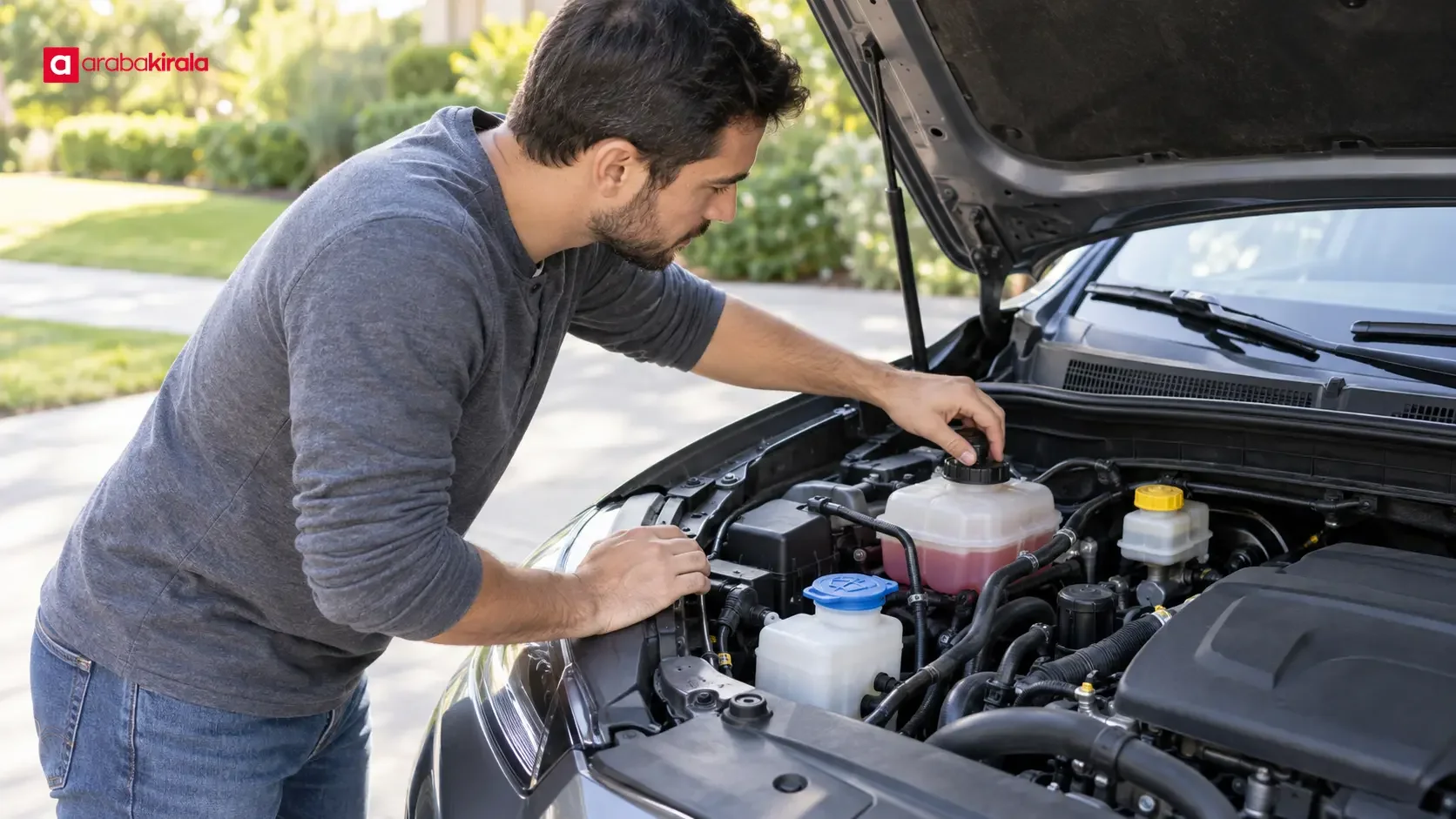
Park on level, secure ground, switch off the engine and apply the parking brake before opening the hood. Parts in the engine bay may be hot, sharp or moving. If the car has recently been driven, allow hot components to cool before inspecting them. The owner manual also indicates which checks are suitable for the driver.
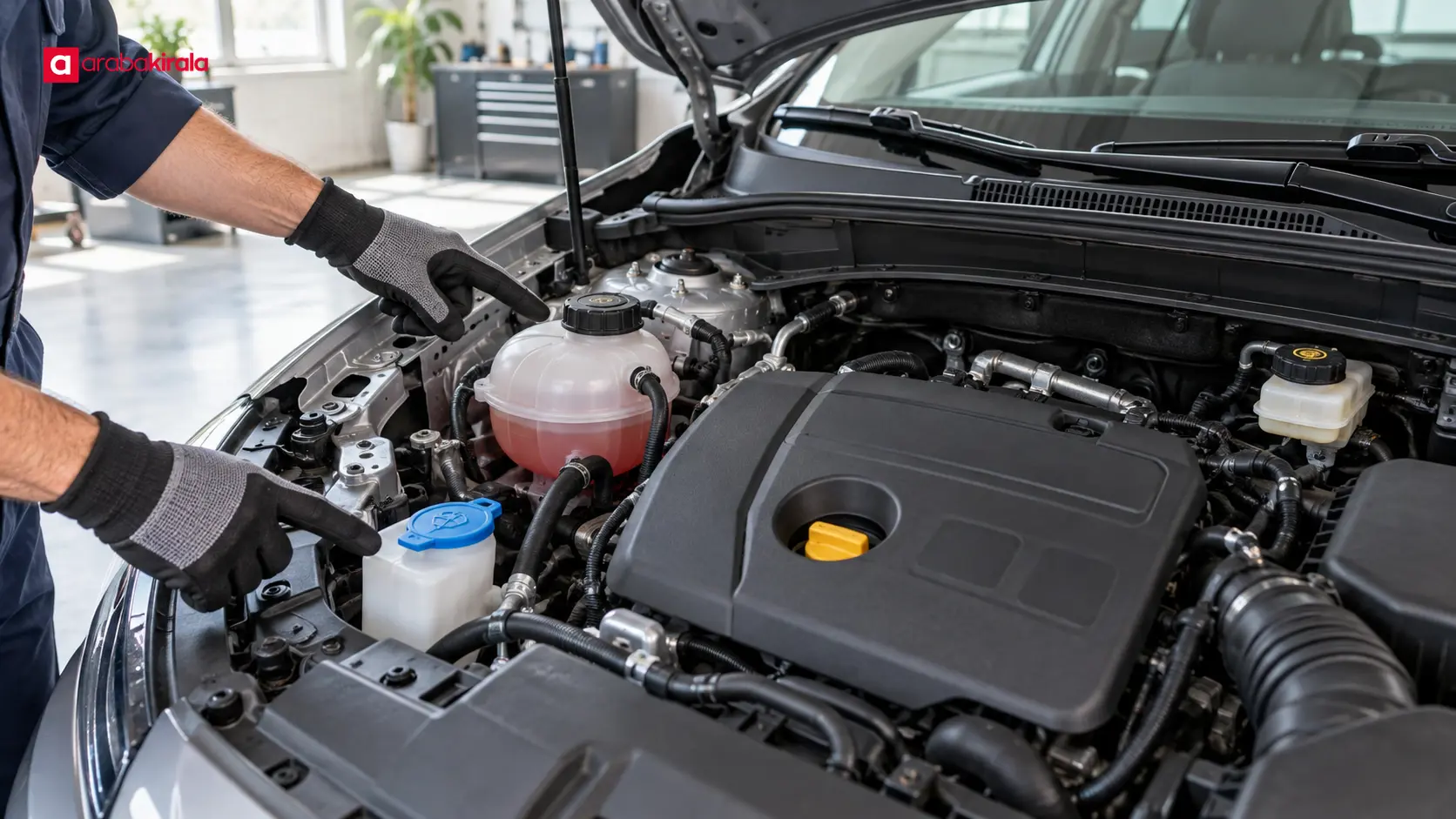
Color or cap appearance alone is not a reliable way to identify a reservoir. Locations, shapes and markings differ among vehicles, and fluid color does not establish what the liquid is. Use the engine-bay diagram in the manual and consider the symbol, cap and position together. If a marking is unclear, do not open the cap and guess.
Engine oil: Find the measuring point
Engine oil lubricates moving parts and helps reduce wear. Many cars have an oil filler cap on the engine and a separate dipstick or electronic display for checking the level. The filler cap should not be mistaken for a reservoir that displays the oil level.
The measurement procedure depends on the model. For a dipstick, the manual explains how the vehicle should be positioned, how long to wait after switching off the engine and how to read the marks. For electronic measurement, follow the displayed steps. If the level is below the specified range or a warning appears, confirm the correct oil grade and procedure in the manual. Adding too much oil can also cause problems, so avoid adding a large amount at once.
Coolant reservoir: Never open it while hot
The cooling system manages engine temperature. A translucent expansion tank lets a driver check whether coolant is between the marked levels. Its shape and location vary, so the manual’s diagram and the tank’s markings are useful for identification.
When the engine is hot, the cooling system may be pressurized. Loosening or removing the cap can cause serious burns. Check the level only under the conditions specified by the manufacturer and with the engine cool. Repeated low levels, fluid on the ground or a temperature warning call for prompt professional attention; do not continue to push the vehicle. Follow the manual for the correct fluid and process instead of adding an arbitrary liquid.
Brake fluid reservoir: Treat a falling level seriously
Brake fluid helps transfer force from the pedal through the braking system. The reservoir is often toward the rear of the engine bay, but its exact position depends on the vehicle. A brake symbol or the manual’s diagram can help identify it. Level marks show whether the fluid is within the manufacturer’s stated range.
This is not a fluid to top up casually like washer fluid. A falling level may be related to pad wear, a leak or another fault; looking at the tank alone cannot reveal the cause. If the level is clearly low, a brake warning appears, the pedal feels unusual or fluid is leaking, stop driving and seek professional inspection. Follow the manual before opening the cap, since using the wrong fluid can damage the braking system.
Washer fluid: A more accessible reservoir
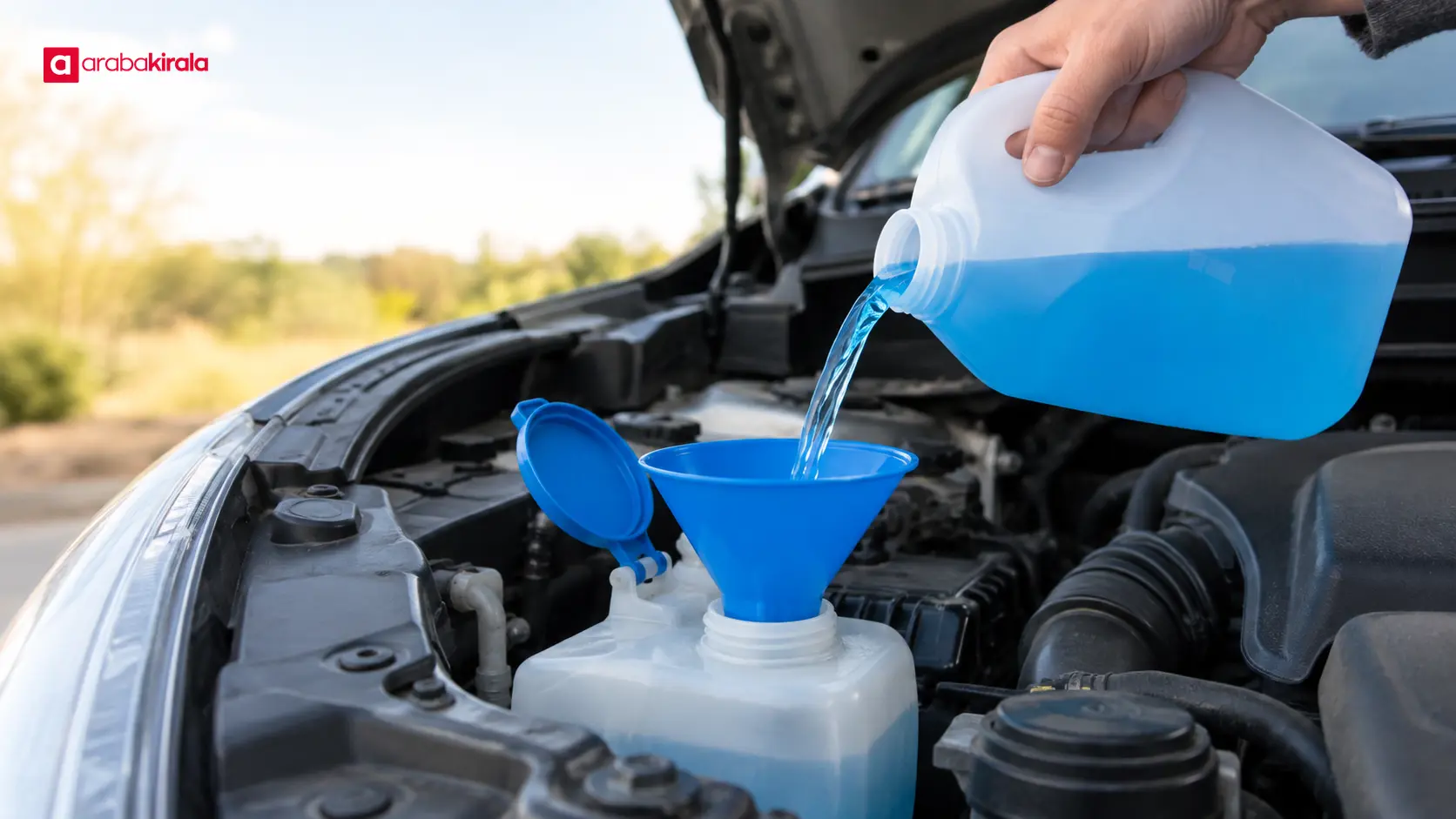
The washer system sends fluid to spray nozzles to clean the windshield. Its reservoir is often under the hood and may have a cap marked with a windshield spray symbol. Do not confuse this marking with symbols for the brake or cooling systems. The owner manual shows the location and the product type to use.
Choose a washer product suited to the season and conditions, following the vehicle maker’s guidance. In freezing weather, using plain water can cause problems in the spray system. Pour carefully to avoid spills on nearby components and close the cap securely. Washer fluid must not go into the coolant or another reservoir. If you add it to the wrong place, do not start the engine; get professional advice.
Power steering and other fluid points
Some vehicles with hydraulic power steering have a separate reservoir for steering fluid. Cars with electric power steering may not have one. Do not assume every capped container in the engine bay holds steering fluid; check the markings and manual. If steering becomes noticeably stiff, makes unusual noise or triggers a warning, adding fluid alone may not solve the problem.
Transmission, clutch and other fluid check or fill points vary by vehicle. Some require a specific temperature, measuring tool or service procedure, so they may not be readily accessible reservoirs for a driver. If you cannot identify a point in the manual, do not open caps, remove components or guess which liquid belongs there.
Practical steps for checking a level
- Park on level ground, switch off the engine and follow the waiting period in the manual.
- Use the engine-bay diagram to locate the reservoir; verify its symbol and purpose before opening any cap.
- Assess the level only against the relevant markings and by the specified method.
- Check the correct fluid type in the manual and do not mix different fluids.
- Seek professional help for leaks, repeated level loss, warning lights or unusual operation.
If there is dirt or a wet mark around a reservoir, do not disturb caps or connections just to clean the area. Avoid contact with skin or eyes, keep fluids off the ground and follow the manufacturer’s safety guidance. If any vehicle fluid is swallowed, seek medical help.
When to check reservoirs in a rental car
You do not need to open every reservoir when collecting a rental car. If a dashboard warning is on, you see an obvious leak or notice something unusual about the vehicle, report it to the branch where you collected the car. If a warning appears while driving, stop somewhere safe and follow the vehicle manual. When fluid needs attention, ask the branch you are renting from which product, action and support process applies.
Collection and return records may include information such as the odometer reading, but fluid warnings require separate attention. Driver inspection and intervention responsibilities can vary by vehicle and rental arrangement. Before the rental, clarify with the relevant branch how to report a fault, whether any fluid should be added and how assistance is arranged.
Summary: Identify first, then follow the right procedure
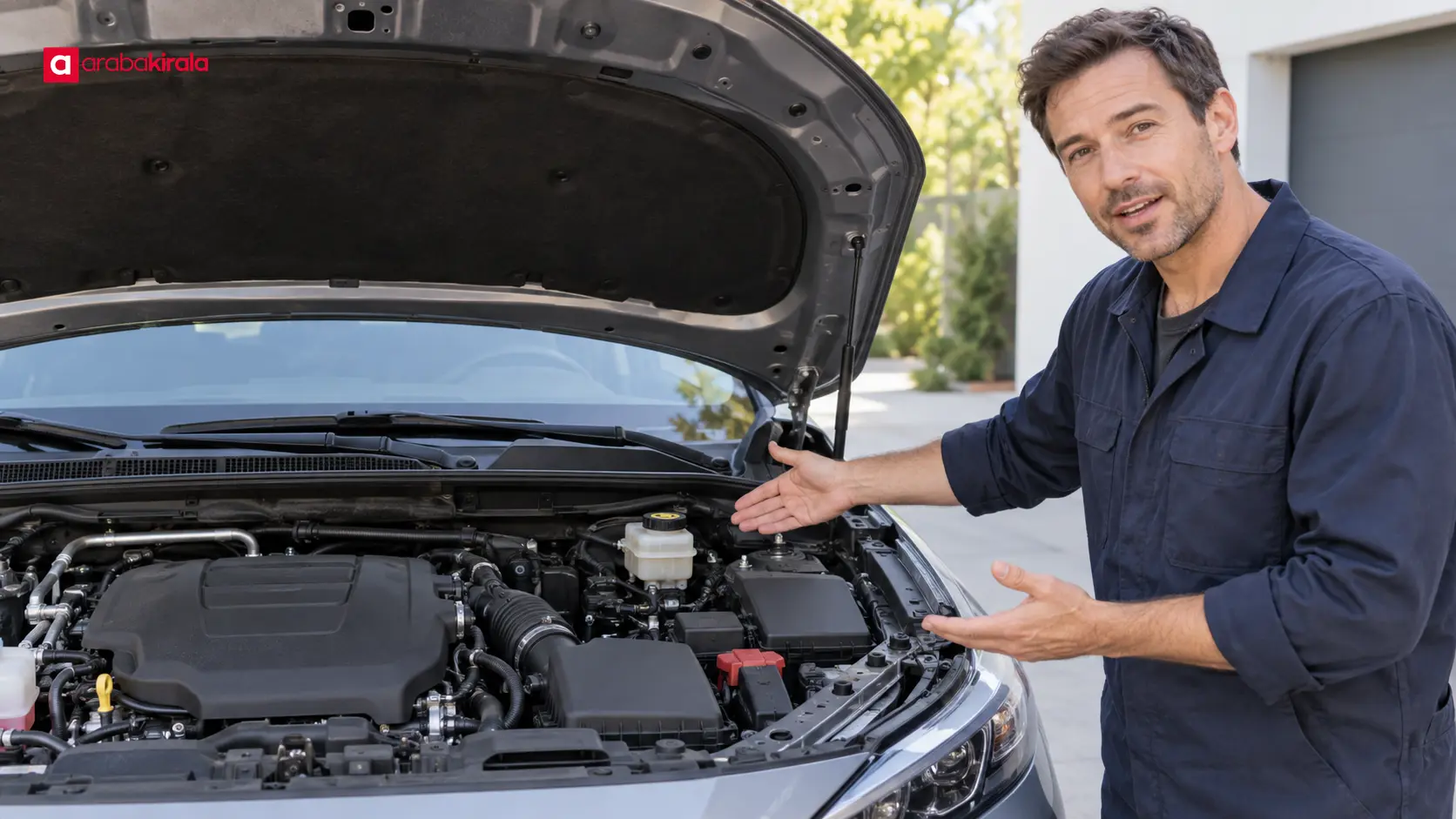
Car fluid reservoirs serve different systems. Engine oil is commonly measured with a dipstick or electronic display; coolant belongs to a system that must not be opened while hot; brake fluid deserves careful attention; and the washer reservoir is usually identified by its symbol. A power steering reservoir is present only in some vehicles. Start by finding the engine-bay diagram and fluid specifications in the owner manual. If you are unsure, leave the cap closed and contact the vehicle maker’s support or, for a rental, the branch that handed over the car.
Frequently Asked Questions
How can I identify the engine oil reservoir?
The oil filler cap and level measurement point may be separate. Depending on the model, the level is read with a dipstick or an electronic display. The engine-bay diagram in the manual helps distinguish these parts.
Can I open the coolant reservoir when the engine is hot?
No. The system may be hot and pressurized, and opening it can cause burns. Wait for the engine to cool and check the level under the conditions specified by the manufacturer.
Can I top up brake fluid myself if the level is low?
The cause of a low level cannot be diagnosed by looking at the reservoir alone. The wrong fluid can harm the braking system. If the level is low or a brake warning appears, stop driving and arrange a professional inspection.
Can washer fluid go into another reservoir?
No. Reservoirs serve different systems and require different fluids. Verify the windshield spray symbol and the manual before filling. If fluid went into the wrong reservoir, do not start the engine; seek assistance.
Does every car have a power steering fluid reservoir?
No. Some vehicles with hydraulic steering have a separate reservoir, while electric power steering may not. Confirm the system fitted to the vehicle in its manual.
What should I do if a rental car shows a fluid warning?
Stop in a safe place, check the warning and vehicle instructions, then contact the branch that provided the car. Ask the branch what action and assistance process applies instead of adding an arbitrary fluid.
Legal Disclaimer: All content, articles and information on the Araba Kirala website are provided solely to inform users. No information shared on this website constitutes definitive advice or guidance. Araba Kirala Teknoloji A.Ş. and its authors cannot be held responsible for any direct or indirect damages arising from the application of information on the website. For all questions and requests regarding car rental, please contact the office from which you will rent your vehicle.












