
How to Review an Insurance Adjuster’s Report Alongside a Repair Estimate

Published: October 30, 2026 • Reading Time: 7 min • Last Updated: October 30, 2026 • Author: Merve B.
An adjuster’s report and a repair shop estimate serve different purposes. Learn how to compare damage items, parts, labor, supplemental findings, and policy coverage to understand a claim file.
Contents
- How the report differs from the shop estimate
- Prepare the documents for comparison
- A line-by-line comparison
- Damaged area and type of work
- Parts and labor details
- Finding the source of a difference
- Handling newly discovered damage
- Assess policy coverage separately
- Practical checklist
- How to ask about a discrepancy
- Conclusion: read both documents against the same repair items
- Frequently Asked Questions
An auto insurance adjuster’s report helps document the technical assessment of vehicle damage and repair costs; a repair estimate describes the work a shop proposes, including parts and labor. This guide explains what each document does, how to compare them item by item, how to clarify differences in scope or amounts, and which records are useful before repairs proceed.
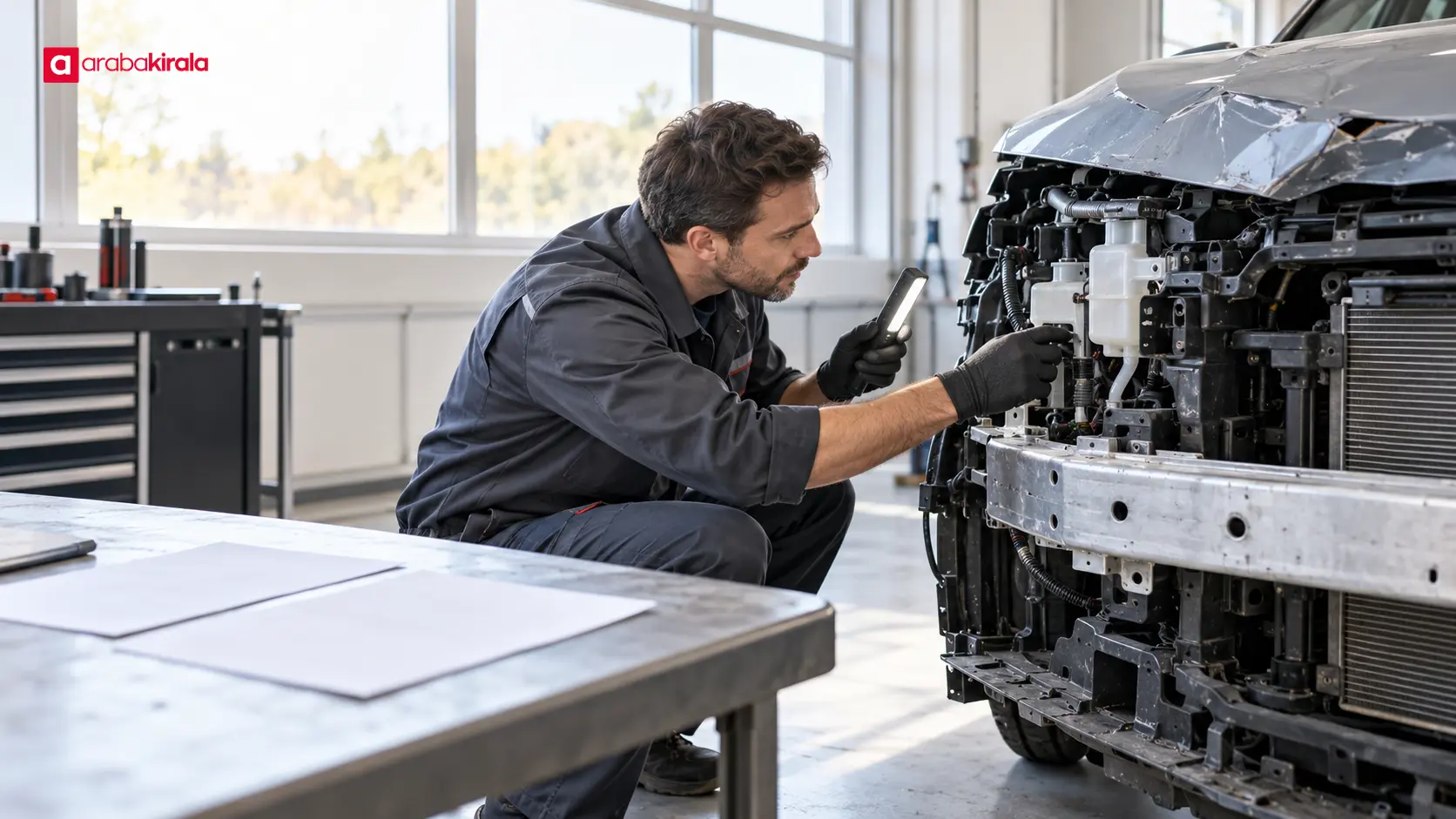
How the report differs from the shop estimate
An adjuster’s report records findings about the vehicle’s condition within a claim. Depending on the inspection and claim circumstances, it may identify visible damage, areas requiring repair, and estimated repair costs. Turkish insurance regulator SEDDK guidance for motor insurance states that damage amounts in expert reports are determined with regard to the repair costs associated with the damage. That does not mean the report alone establishes the payment or coverage outcome under every policy.
A repair shop estimate is an operational breakdown of proposed work. It may show whether a part is to be repaired or replaced, which parts are proposed, and whether labor such as removal, refitting, painting, or adjustment is included. The estimate reflects the shop’s assessment and need not have been prepared for exactly the same purpose as the claim report. Comparing the totals alone is therefore less useful than identifying why particular work items differ.
Prepare the documents for comparison
First make sure the documents concern the same vehicle and damage event. If the claim number, vehicle details, inspection date, or damaged area do not match, a price comparison may be misleading. Keep all report pages and attachments, an itemized shop estimate, damage photos, and written claim communications together. Note the date of each document version; a later supplemental finding may not appear in the original estimate.
Photos do not reveal every internal condition. A mark on a bumper’s exterior may not show the condition of a bracket, and visible body damage may not establish the state of every component behind it. Use photographs as supporting records to understand an item, not as a substitute for the inspection. Brief notes of calls, dates, and explanations can also make follow-up easier as the claim progresses.
A line-by-line comparison
Damaged area and type of work
Match the parts in both documents by area, such as the front section, a door, fender, lighting, or mechanical components. Then identify the proposed operation for each line. If one document calls for repair and the other replacement, do not treat the difference as a price issue alone. Ask about the condition of the part and the reason for the proposed operation. An item appearing in only one document also deserves an explanation.
Parts and labor details
Check whether the estimate identifies the part, quantity, and, where available, the type of part. Separate labor such as repair, replacement, removal and refitting, painting, and adjustment, and note which component each task relates to. If the estimate gives only a lump sum, request an itemized breakdown. When the report and estimate assume different parts or labor for the same repair, ask each party to explain its assumption in writing.
Finding the source of a difference
A difference between totals can result from an added or omitted part, a different repair method, a different labor scope, a pricing approach, or damage that has not yet been inspected. Treat these as possibilities to investigate, not as established explanations. Beside each differing line, record its report entry, estimate amount, and the question that remains. This turns “Why are the totals different?” into specific questions that can be answered.
Handling newly discovered damage
Disassembly during repairs can reveal damage that was not visible earlier. If the shop identifies such damage, ask it to document which component was exposed, how the damage relates to the incident, and why it could not be seen during the first inspection. The steps for reviewing the claim or updating the estimate may depend on the file and the parties involved. Before additional work begins, contact the shop and the relevant claim handler in writing to ask what documentation is needed.
The term “supplemental damage” does not mean every new line is automatically accepted. Track how the new finding will be reflected in the claim, which estimate version is current, and what changed since the earlier assessment. Keep the earlier document as well as the dated revision; that makes it easier to see what information informed the updated decision.
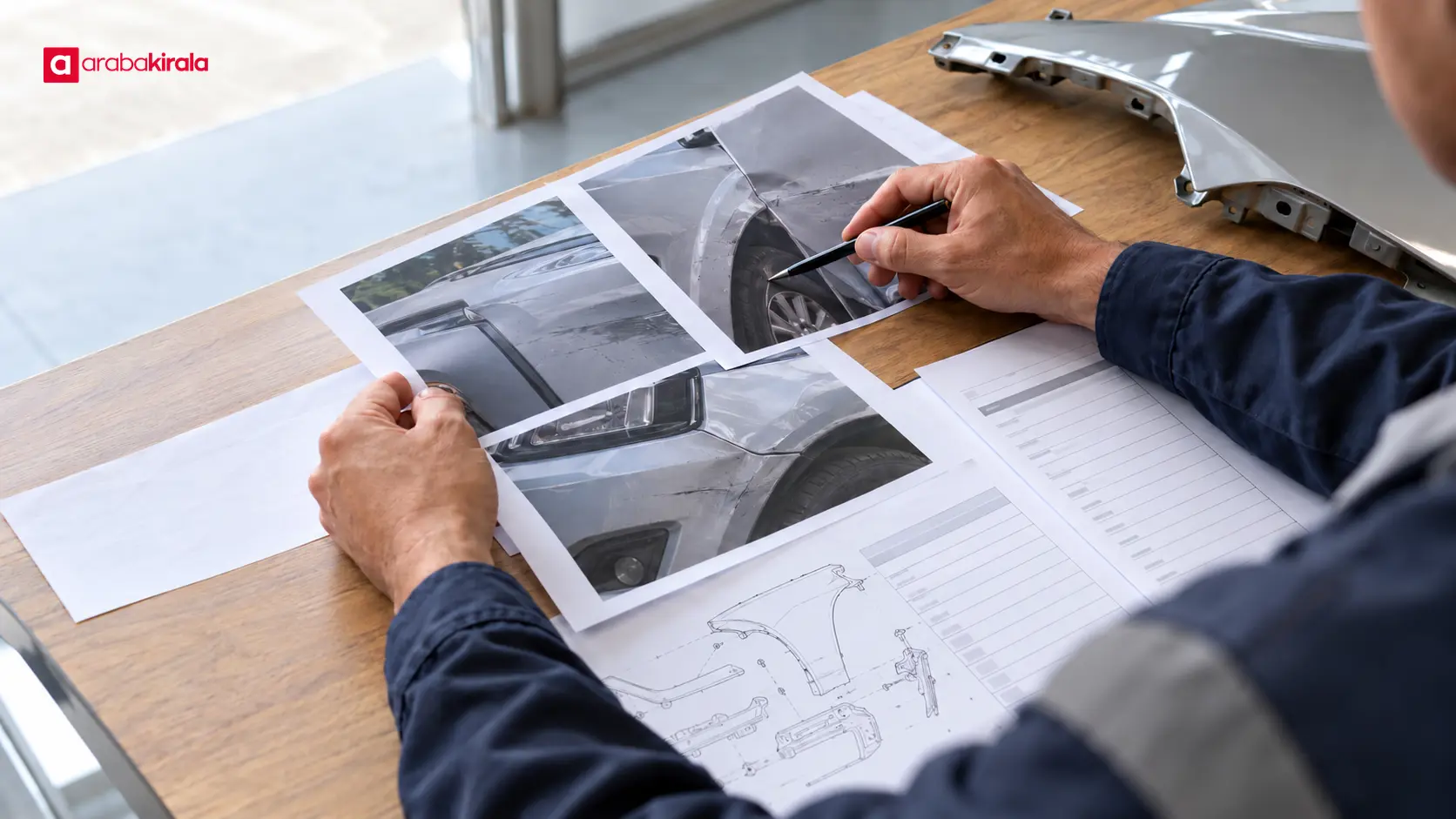
Assess policy coverage separately
Technical damage assessment and insurance coverage are related but distinct questions. An adjuster’s report may address damage and technical repair items; whether an expense is considered under a particular policy depends on the policy wording, coverage, exclusions, and claim circumstances. The Turkish Insurance Association’s consumer information likewise points readers to policy terms for questions such as repair method, repair facility, and parts. A line in a report should not be read as a guarantee that it will be paid under every policy.
In claim correspondence, ask which amount represents a technical assessment and which represents a coverage or payment decision. If an item is considered outside coverage, request the written reason and the policy provision or claim finding relied on. If the interpretation could affect your legal position, have the actual policy and claim response reviewed by a qualified professional rather than drawing a definitive conclusion from a general article.
Practical checklist
- Document match: Confirm that vehicle details, incident information, dates, and claim references are consistent.
- Item match: Locate each part and its proposed operation and labor in both documents.
- Explain differences: Request the technical reason and supporting record for each missing, added, or differently priced line.
- Photos and versions: Keep damage photos, supplemental findings, and dated versions of the estimate.
- Written follow-up: Gather unclear points into one list and send them to the shop and claim handler.
- Repair plan: Clarify the part type, repair-versus-replacement decision, and process for newly found damage before work proceeds.
How to ask about a discrepancy
Ask a specific question instead of making a general objection. For example: “The estimate includes a right-front bracket that is not listed in the report; what inspection led to adding it?” or “This item is listed for replacement instead of repair; what is the technical reason?” If the answer depends on a photo, supplemental report, part description, or policy explanation, ask which document will be provided. The repair shop can explain its method and labor; the party handling the claim can address the report and coverage decision.
If the difference remains unresolved, request the insurer’s written response using the current copies of the documents. If needed, check official sources for current information about relevant regulatory or consumer complaint routes. This guide does not promise a payment, fault, or coverage outcome for any particular claim.
Conclusion: read both documents against the same repair items
An adjuster’s report and a shop estimate describe different parts of a damage claim. A sound review checks that they concern the same vehicle and incident, matches parts and labor line by line, asks for the technical reason behind differences, and considers policy coverage separately from the report total. Start by combining the damage items from both documents into one list, flag unclear entries, and request written explanations. If the claim concerns a rental vehicle, ask the branch where you rented for details specific to your agreement and claim file.
Frequently Asked Questions
Why might an adjuster’s report and a shop estimate show different totals?
The documents may have been prepared on different dates, use different parts or labor scopes, or reflect damage that was not yet visible. Compare individual items and assumptions instead of totals, then request written explanations from the shop and claim handler.
Can a repair include a part that is missing from the adjuster’s report?
Disassembly may reveal additional damage, but a new line is not automatically accepted in the claim. Ask the shop for photos and a technical explanation, and ask the claim handler what step is needed for an updated review or estimate.
Is the amount in the report the amount insurance will pay?
The report may provide a technical assessment of damage and repair costs, while payment consideration depends on the policy and claim review. Ask in writing whether the amount is a technical finding or a payment decision, and check the relevant policy terms.
Who explains whether a part should be repaired or replaced?
The shop can explain the proposed work method, while the report may document the damage assessment. If they differ, ask both sides to clarify the part’s condition and the basis for the proposed operation.
How should I organize the claim documents?
Keep reports, estimate versions, photographs, and correspondence by date and claim reference. Compare each revision with the previous version so you can trace what changed and what new information was used.
Legal Disclaimer: All content, articles and information on the Araba Kirala website are provided solely to inform users. No information shared on this website constitutes definitive advice or guidance. Araba Kirala Teknoloji A.Ş. and its authors cannot be held responsible for any direct or indirect damages arising from the application of information on the website. For all questions and requests regarding car rental, please contact the office from which you will rent your vehicle.












