
Planning Comfortable City Driving When Renting a Car in Istanbul
Published: October 26, 2026 • Reading Time: 8 min • Last Updated: October 26, 2026
Plan a more comfortable Istanbul drive by considering slow traffic, cabin noise, route choices, vehicle fit and pre-trip checks.
Contents
- How to plan a comfortable city drive with an Istanbul car rental
- What affects comfort in city traffic
- Cabin noise has several possible sources
- Slow speeds and stop-and-go movement
- Assess the vehicle for the way you will use it
- Plan your departure time and route together
- Leave room in your schedule
- A brief comfort check at pickup
- For a steadier drive around the city
- Summary and next step
- Frequently Asked Questions
How to plan a comfortable city drive with an Istanbul car rental
A comfortable city trip in a rental car depends on more than the vehicle model. Slow moving traffic, repeated stops, changing road surfaces, cabin noise and the time spent looking for parking all shape the experience. This guide explains how to assess a vehicle for your needs, plan a departure and route, and check key details before setting off. The aim is not to promise a quiet or uninterrupted journey in every condition, but to help you make a practical plan that fits your route and driving habits.
What affects comfort in city traffic
Comfort includes seat support, but it also depends on how often the driver has to brake and accelerate. In slow traffic, keeping a safe following distance, changing lanes deliberately and approaching intersections with care can make the drive less tiring. Traffic conditions may change, so treat a navigation app’s estimated arrival time as an estimate rather than a guaranteed schedule, especially when you have an appointment or a connection to make.
Cabin noise has several possible sources
Noise inside a car can come from tire contact with the road, surrounding traffic, wind and the way the engine is operating. Opening a window, driving beside a busy flow or crossing an uneven surface can change what you hear. For that reason, a broad label such as “quiet car” is not enough by itself. If you can inspect the vehicle at pickup, assess the cabin and controls against your own preferences. Do not assume that a particular model will feel equally comfortable in every setting.
Slow speeds and stop-and-go movement
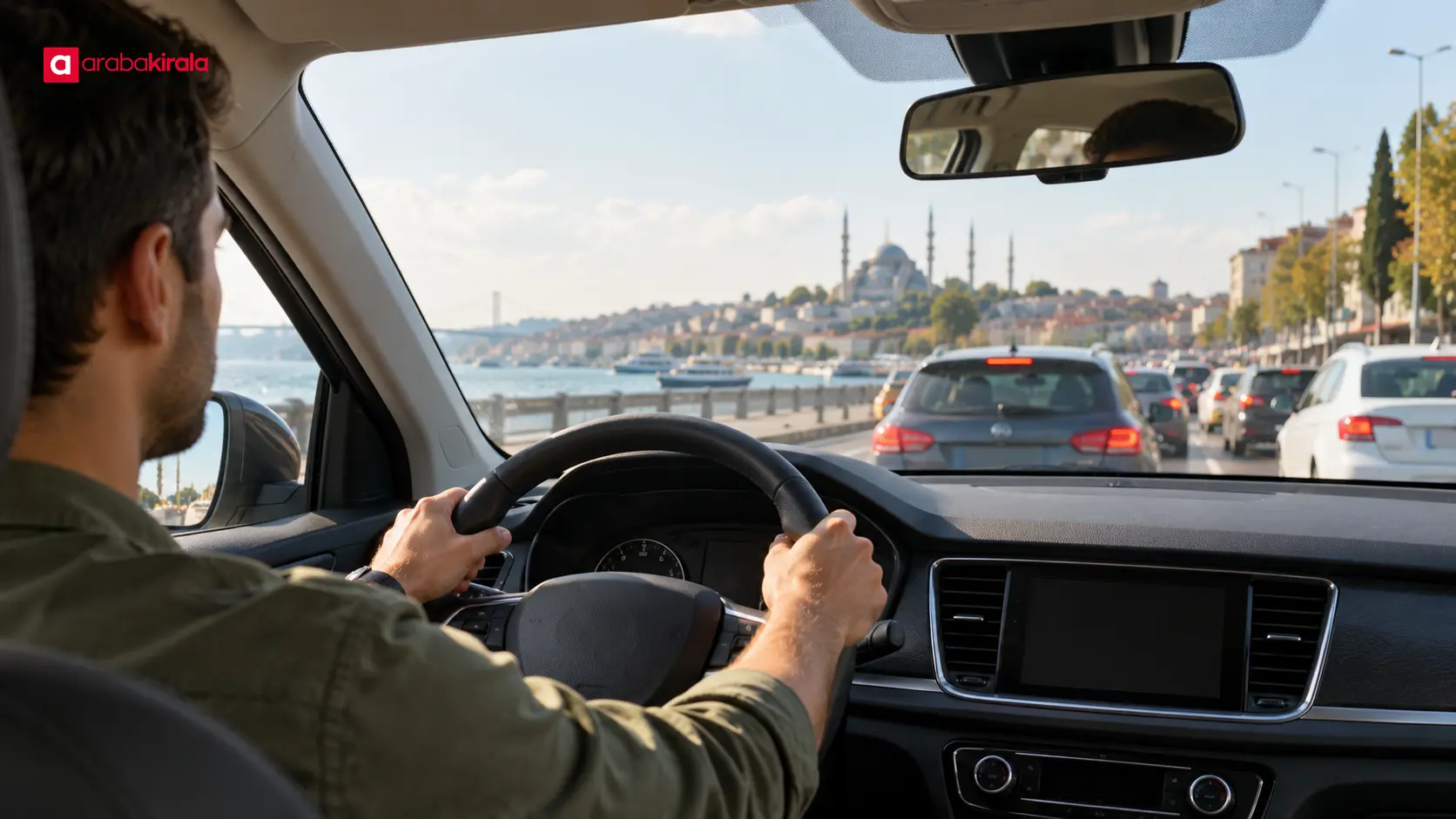
Slow traffic does more than extend travel time: it demands steady attention to vehicles ahead, pedestrians, motorcycles and intersections. Repeated acceleration and braking can be tiring and may make the ride less settled for passengers. Smooth use of the accelerator and brake, a safe gap ahead and avoiding abrupt manoeuvres support a steadier flow. These habits cannot remove congestion, but they help the driver respond to changing conditions more calmly.
Assess the vehicle for the way you will use it
Instead of relying only on appearance or a vehicle class label, think about what you need to do in the city. Short solo trips, a full day with several passengers and moving between destinations with luggage call for different priorities. Seat adjustment, mirror visibility, sight lines, intuitive climate controls and useful luggage space can all matter during the drive.
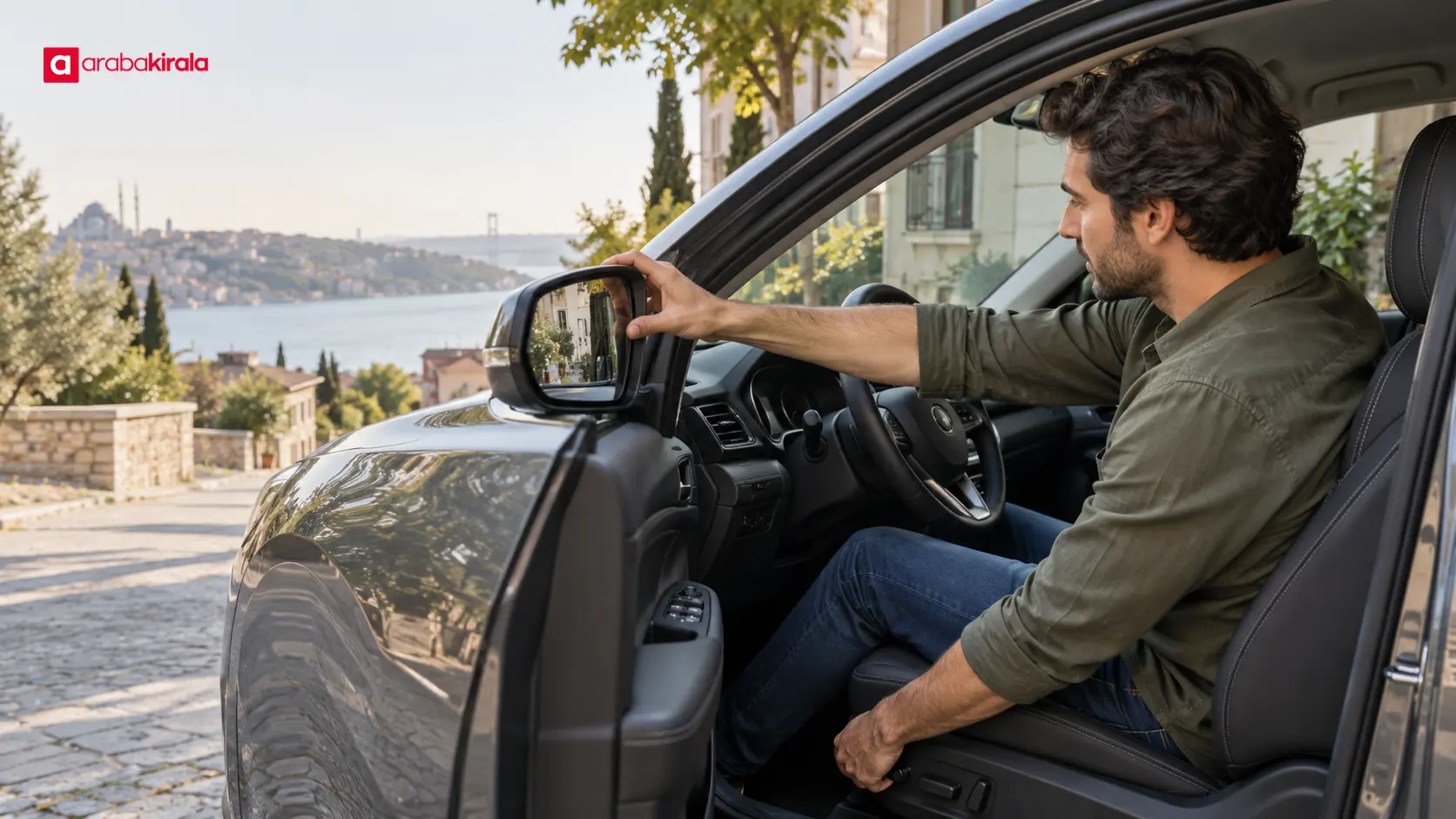
- Driver fit: Before moving, check that the steering wheel, seat and mirrors adjust easily, your feet reach the pedals naturally and you can see the instrument area comfortably.
- Passengers and luggage: Consider passenger numbers and luggage together. Loose bags in the cabin can reduce seating space or obstruct visibility.
- Parking and manoeuvring: Think about the streets and parking spaces at your destinations. If you are unsure about the vehicle’s size or need parking assistance, ask the pickup branch whether that feature is available in the selected vehicle.
- Controls: Learn the locations of the light, window, climate and driver assistance controls before moving. Avoid searching for an unfamiliar function in traffic.
Available vehicles and equipment can vary by branch and reservation. If a particular feature matters to you, confirm with the branch you will rent from whether it is available in the selected vehicle before booking. This does not guarantee that a specific vehicle will be available at pickup; it helps you clarify a need that affects your decision.
Plan your departure time and route together
Knowing the destination is only part of planning a city drive. Before setting off, check current traffic and reliable information about roadworks or closures, then choose your route before moving. If you need to look at navigation while driving, stop somewhere safe first. A suggested shortcut may not suit every driver or passenger; watch traffic signs and surroundings before entering narrow streets, making frequent turns or moving through areas with heavy pedestrian activity.
Leave room in your schedule
Do not estimate a trip only from the distance shown on a map. Allow time for parking, dropping off a passenger at a safe location, a short break and changes in traffic. This buffer cannot prevent every delay, but it avoids building a schedule that depends too heavily on one estimated arrival time. If the trip has several stops, ordering them by location and priority can reduce unnecessary backtracking.
If noise or distraction increases during the trip, lower the audio volume, limit phone notifications and focus on driving. If you feel tired, take a break in a safe and permitted place. Do not adjust a route on your phone while driving; even with voice guidance or an in-car screen, keep your attention on the road.
A brief comfort check at pickup
Pickup is a useful time to get familiar with the vehicle and clarify details that matter before the trip. Adjust the seat, steering wheel and mirrors before moving, and check that the seat belt works correctly. Learn how to operate the climate and window controls. If a dashboard warning is unclear, ask the staff member before leaving.
- Review the vehicle’s exterior and interior condition according to the handover process; point out existing marks or damage and ask how they are recorded.
- Clarify the fuel or charge level and any records required at pickup and return.
- Ask about a route-related pass, parking arrangement or vehicle feature you need before setting off.
- If the vehicle displays a technical warning or makes an unusual sound while driving, stop safely and contact the branch you rented from.
Deposit, mileage limits, additional drivers, return times and other reservation-specific details should not be assumed to be the same for every rental. Check your reservation and agreement documents, and ask the branch you will rent from about any term you do not understand. A general comfort plan does not replace those checks.
For a steadier drive around the city
Before leaving, set your seat and mirrors, prepare your route so you do not need to handle your phone, and leave a safe gap around nearby vehicles. In congested traffic, decide early rather than making abrupt lane changes; pay attention to pedestrians, cyclists and motorcycles. Reduce distractions in the cabin instead of turning up the sound to cover noise. When talking with passengers or adjusting a control, make sure you remain in control of the vehicle.
At the end of the trip, noting what affected your comfort can make a later rental decision easier: seating position, visibility, cabin sound, luggage use and parking ease. These are personal observations from one trip and do not guarantee the same result in another vehicle. If a specific equipment feature or vehicle size matters for your next booking, confirm it with the branch in advance.
Summary and next step
Comfort when driving around Istanbul depends on considering vehicle fit, route, departure time, attention and pickup preparation together. First identify your passenger and luggage needs, then plan the route and parking. At pickup, learn the controls and check the terms specific to your agreement. Make a list of your planned stops and the vehicle features you need; before completing the booking, direct only branch-specific questions to the branch you will rent from.

Frequently Asked Questions
What should I consider first for comfortable city driving with a rental car in Istanbul?
Start with how you will use the car: how many people are travelling, how much luggage you will carry, and what kinds of roads and parking areas you expect to use. Then assess seat adjustment, visibility, clear controls and vehicle size. Confirm with the branch whether the selected vehicle has equipment you specifically need.
How can I plan to reduce the effect of cabin noise?
Noise can vary with the road surface, traffic and operating conditions. Keep audio at a reasonable level, limit unnecessary notifications and focus on the road. Do not assume that a particular car is guaranteed to be quiet; inspect the cabin and controls at pickup against your own preferences.
How can I make stop-and-go traffic less tiring?
Maintain a safe following distance, use the accelerator and brake smoothly and anticipate intersections. Avoiding abrupt lane changes can make the drive more settled and help you keep track of surrounding vehicles. Congestion may persist, so leave extra time in your schedule.
How should I choose a departure time in Istanbul?
Check current traffic and road information on the day of travel, and do not allow only the estimated navigation time for an important appointment. Leave extra time for parking, a short break and changes in traffic. Conditions vary by route and day, so avoid relying on a single fixed travel-time assumption.
What should I check when collecting the car?
Adjust the seat and mirrors, check the seat belt and learn the basic controls such as climate settings. Review the vehicle’s condition, fuel or charge level and the pickup and return records. Ask staff or the branch you are renting from about any unclear warning or agreement term before leaving.
Does every rental car have parking assistance or a particular feature?
Equipment can differ by vehicle and reservation. If parking assistance or another feature is important, confirm with the branch you will rent from that it is available for the selected vehicle. General information does not mean every vehicle has the same equipment.
Legal Disclaimer: All content, articles and information on the Araba Kirala website are provided solely to inform users. No information shared on this website constitutes definitive advice or guidance. Araba Kirala Teknoloji A.Ş. and its authors cannot be held responsible for any direct or indirect damages arising from the application of information on the website. For all questions and requests regarding car rental, please contact the office from which you will rent your vehicle.












