
Choosing Safe Passenger Pickup and Drop-Off Points in Busy Istanbul Areas
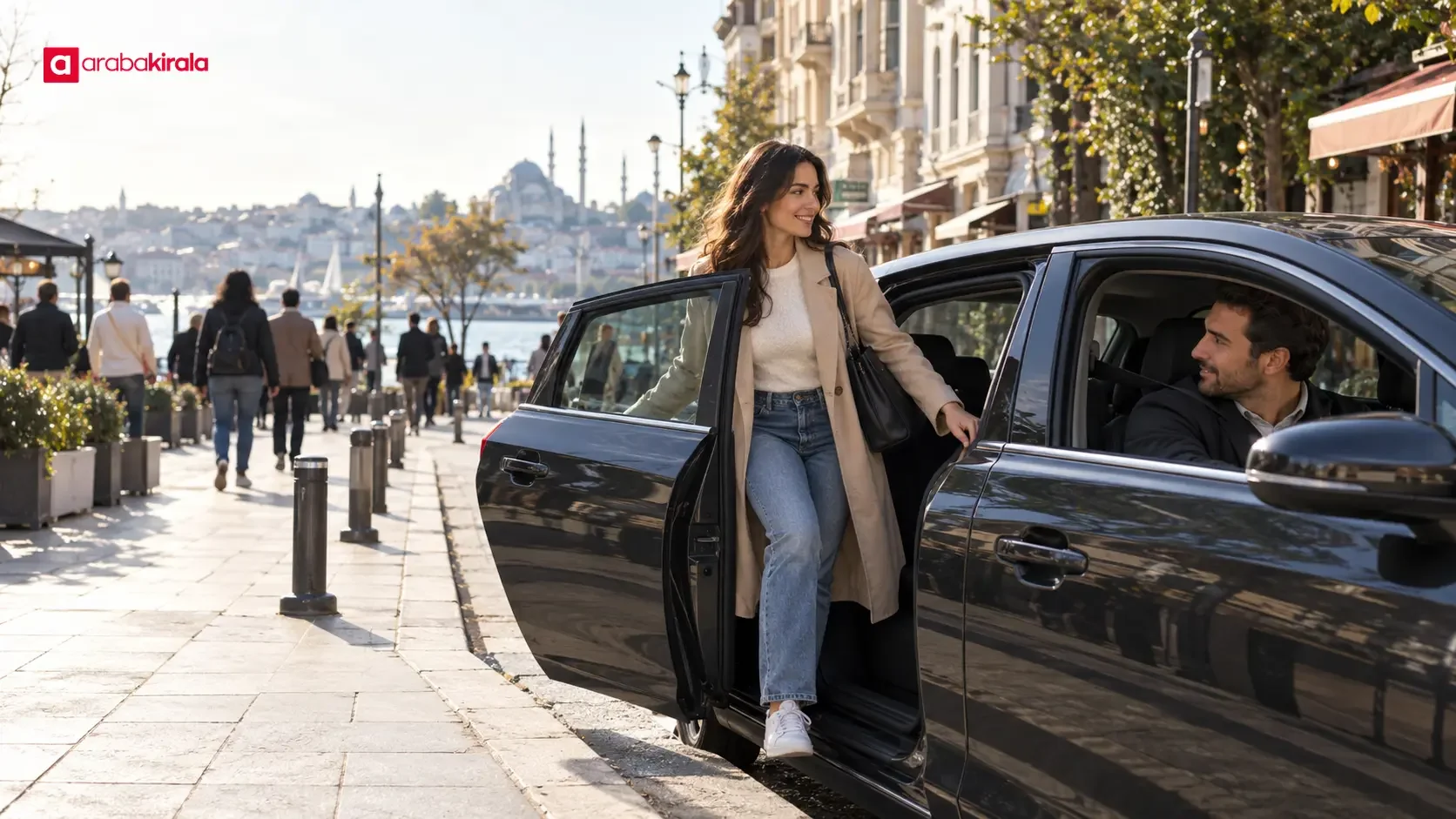
Published: October 25, 2026 • Reading Time: 9 min • Last Updated: October 25, 2026
A practical guide to choosing safer pickup and drop-off points near Istanbul’s busy pedestrian areas, with advice on sidewalks, traffic flow, visibility, meeting plans and branch-specific arrangements.
Contents
- Why the meeting point matters in busy areas
- How to recognize a safer meeting point
- Separate map proximity from real access
- Prepare the approach and passenger plan
- What to watch during boarding and alighting
- Plan for changing crowd levels and choose a backup
- Branch-specific details for a rental pickup
- A quick checklist
- Conclusion: make a simple plan for a safer stop
- Frequently Asked Questions
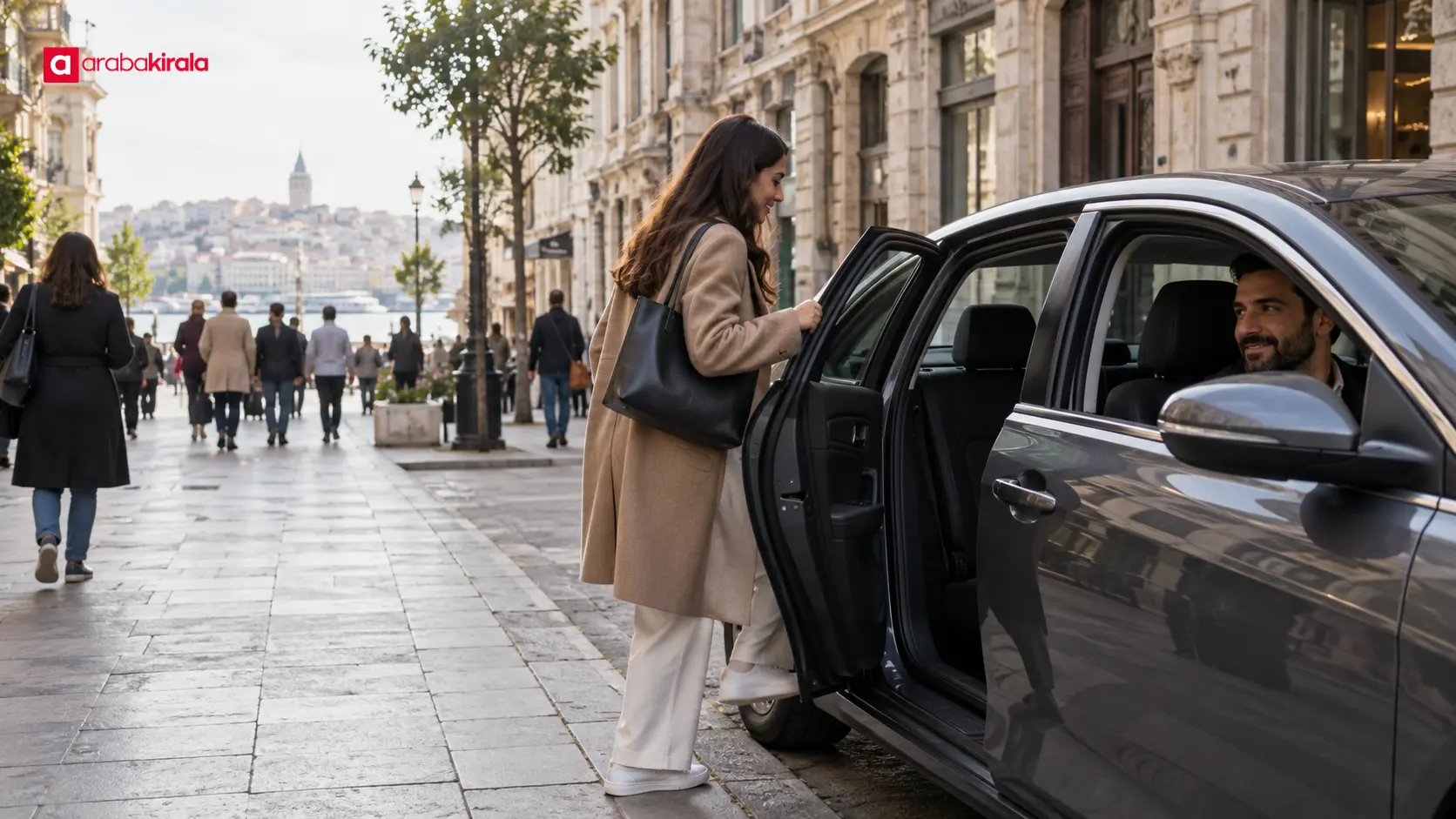
Planning passenger pickup and drop-off when renting a car in Istanbul takes more than pinning the closest entrance on a map. This guide explains how to choose a safer meeting point near busy pedestrian areas, think through the vehicle’s approach and stopping position, and help passengers get in and out safely. The aim is not to save a few metres. Choose a place where the car can stop appropriately, passengers can reach the sidewalk, and neither pedestrian movement nor traffic is obstructed.
Why the meeting point matters in busy areas
Istanbul’s shopping streets, waterfronts, historic districts, hospital approaches and event venues can become crowded at different times of day. Space between the roadway and sidewalk may be limited, while taxis, delivery vehicles, public transport, cyclists and pedestrians use the same stretch. Even a brief stop can block another driver’s view or push people walking along the sidewalk toward moving traffic.
Choose a pickup or drop-off point by considering both distance to the destination and what is happening around it. A spot that looks physically possible is not automatically a suitable place to stop. Check traffic signs, road markings, the sidewalk layout and current conditions together. Official traffic guidance emphasizes observing signs and checking the surroundings after a vehicle has stopped before opening a door or allowing passengers to get out.
How to recognize a safer meeting point
Look first for a place where the car can remain clear of the moving lane, does not block visibility, and leaves room for others to pass. A suitable bay, an area where a brief stop is permitted, or a nearby space outside the flow of traffic and pedestrians may work. Not every street offers such a place. If there is no suitable space directly outside the entrance, plan to meet nearby instead of insisting on stopping at the door.
- Sidewalk access: Prefer a side where passengers can step directly onto the sidewalk without having to move into the roadway because of a curb, barrier or other obstacle.
- Clear visibility: Avoid the approach to an intersection, a pedestrian crossing, a bend, a crest or another place where sight lines are limited. A stopped car should not block the view of drivers or people crossing.
- Pedestrian movement: Do not wait where the sidewalk narrows, queues form at entrances, or people are crossing in large numbers. Choose a point where passengers and bags will not obstruct the walking route.
- Traffic controls: Stay clear of bus stops, cycle lanes, crossing areas and places where signs restrict stopping. Pay attention to the meaning of signs and road markings along the street.
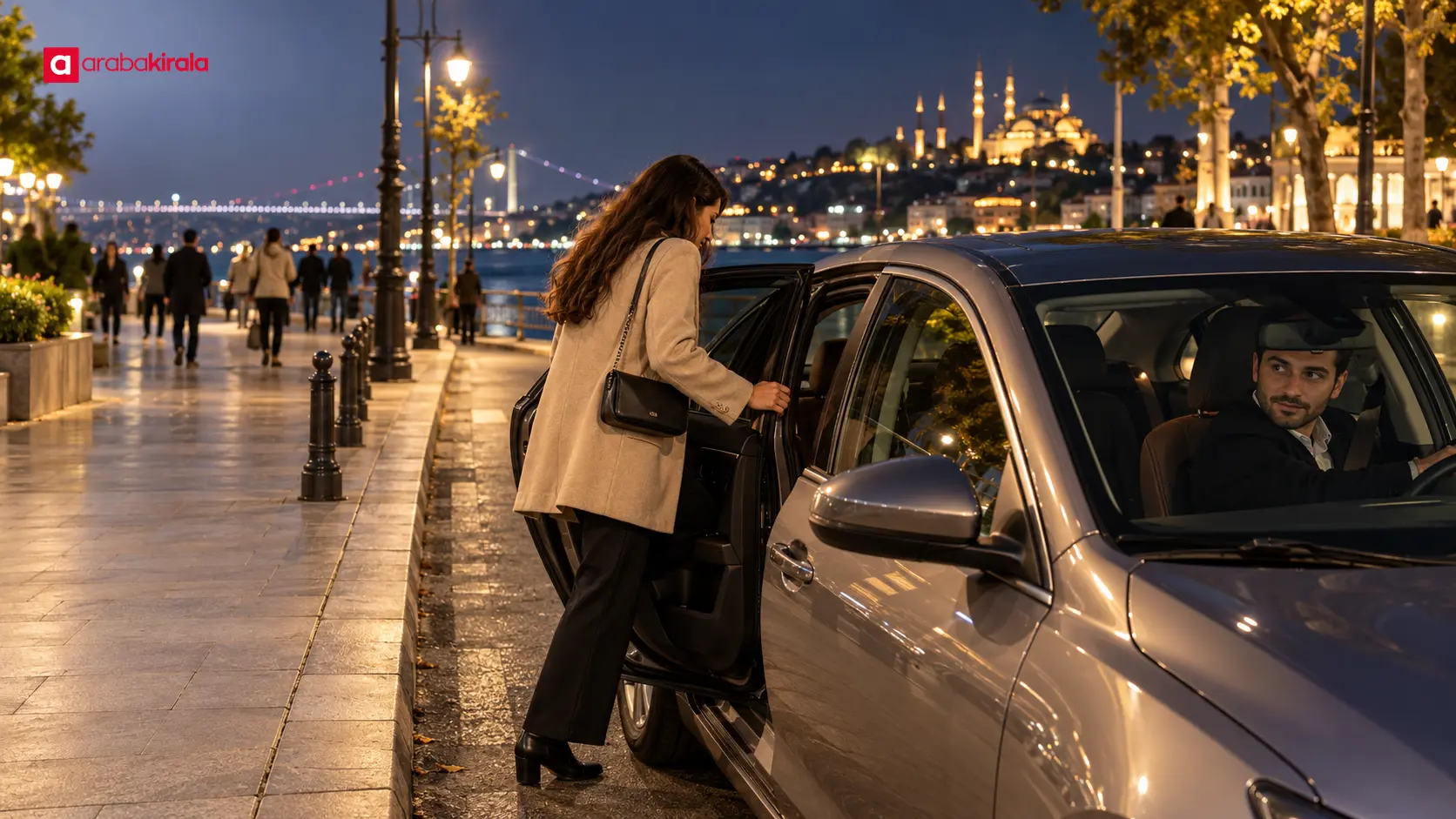
- Lighting and visibility: Especially in the evening, choose a place the driver can see while approaching and passengers can identify without stepping into the road. Searching for a car in a dark roadside area or suddenly walking into traffic adds risk.
Separate map proximity from real access
The nearest entrance shown on a map may not be accessible by car. Historic districts can have pedestrian streets, one-way roads, temporary closures, crowded squares or narrow streets unsuitable for vehicle access. A navigation app announcing arrival also does not mean the vehicle can safely stop there for passengers. Use the map to plan, then follow traffic signs and actual street conditions during the final approach.
Before meeting, send passengers one clear location. You can describe a building frontage, a recognizable corner, or a suitable meeting point outside a pedestrian zone. Instead of saying only “in front of the main entrance,” explain where passengers should wait and, if useful, from which direction the vehicle is likely to approach. If the car cannot stop safely, it is safer for passengers to remain on the sidewalk and contact the driver than to look for the vehicle in the roadway.
Prepare the approach and passenger plan
Do not adjust navigation settings while approaching a crowded location. Check the approach direction ahead of time, then follow signs for one-way streets, prohibited turns, roadworks or access restrictions. Knowing where passengers are waiting reduces the need for a last-minute lane change or sudden braking beside the sidewalk. If the driver cannot find a safe place to stop, contact the passengers and agree on a more suitable meeting point.
Passengers should wait on the sidewalk where they will not block other people. Keep bags out of the walking path, and do not step between parked cars into the roadway to reach the vehicle. When the car arrives, wait for it to stop completely in a safe position before moving toward the door. If the meeting point changes, confirm it by phone or message; trying to catch a moving vehicle by walking toward it in the street is unsafe.
What to watch during boarding and alighting
Once the vehicle has stopped fully, check the passenger side before opening a door. A cyclist, motorcyclist or another pedestrian may be moving alongside the car. When possible, use the door on the sidewalk side so passengers do not step directly into traffic. If the passenger side is not next to the sidewalk, do not rush to get out on an unsafe side; reposition the vehicle first.
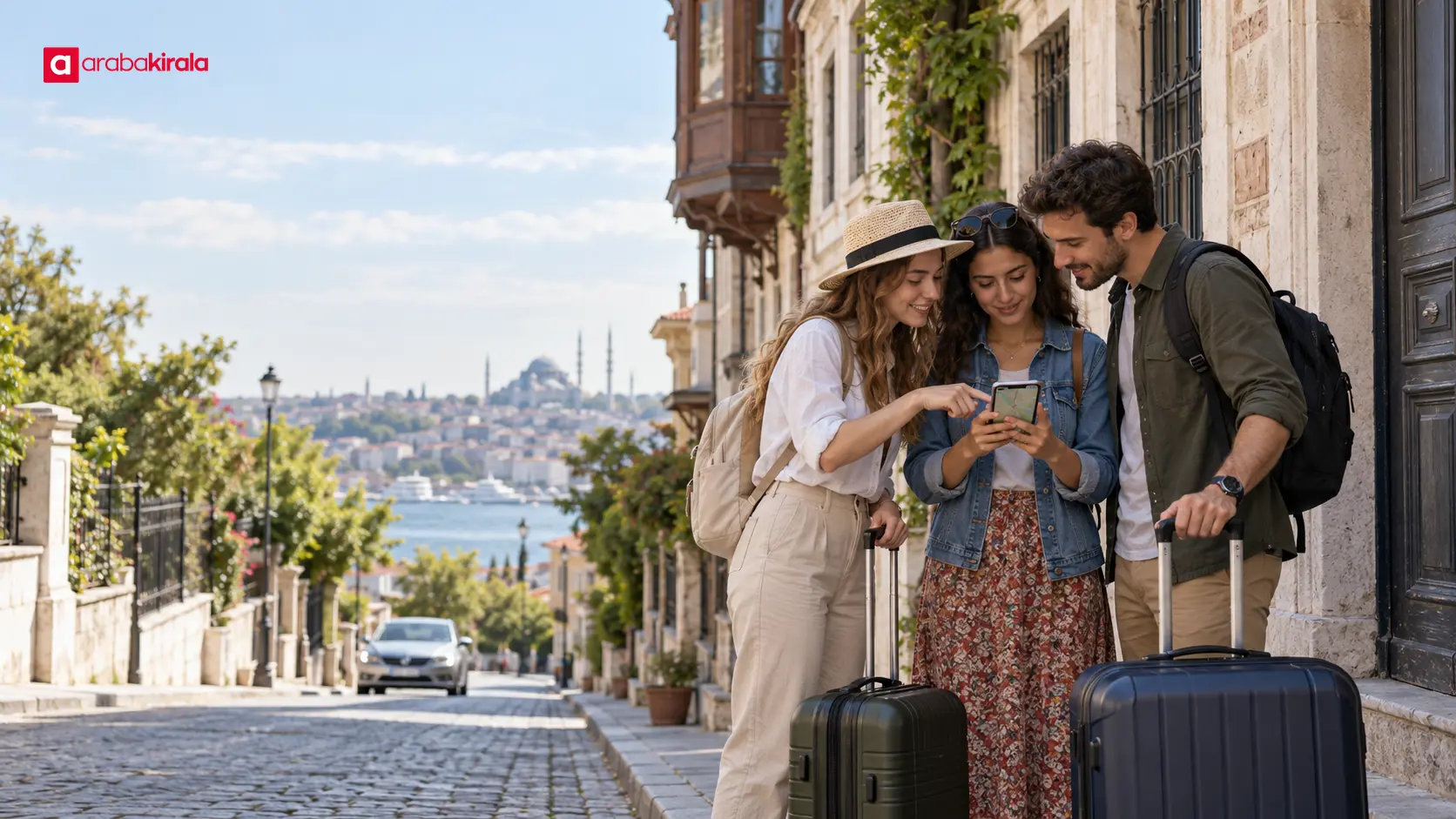
Allow for the time needed to take out and load luggage. Do not block a pedestrian route with bags or leave belongings in the roadway. For children, passengers with limited mobility and people travelling with several bags, consider the distance between the vehicle and sidewalk and whether the walking surface is even. Make sure the car is stationary and the surroundings have been checked before opening a door; opening a door while the vehicle is moving or stepping out without checking is dangerous.
Plan for changing crowd levels and choose a backup
How busy a street is can change with the hour, weekday or weekend, events, weather and roadworks. Do not assume you will always be able to use the same meeting point. Where practical, allow passengers time to get ready. If the driver arrives and cannot find a safe stopping area, a short loop or a different meeting point may be more appropriate than obstructing traffic. This does not imply a particular waiting period or entitlement; ask the relevant branch about details of its pickup arrangement.
Choosing a backup point in advance is useful near narrow streets and crowded entrances. It should be easy for passengers to reach and should not require the driver to stop suddenly. Saving two map pins is not enough: tell passengers briefly which point to use if the first is inaccessible. If a sign or an on-site instruction requires a change, follow the traffic arrangement and prioritize safety.
Branch-specific details for a rental pickup
Vehicle collection, return, leaving a branch or meeting somewhere in the city may depend on the reservation and the branch’s arrangements. Do not assume that stopping outside an office or collecting a vehicle at a particular point is always possible. Before booking, ask the branch you plan to rent from where collection takes place, whether vehicle access is available, where passengers and luggage should wait, and whether there is an alternative meeting arrangement if the area is busy. These are details for the specific location and transaction, not rules that apply throughout the city.
For drivers renting in central Istanbul, choosing a suitable meeting point can make the start and end of a trip more orderly. As a natural planning step for finding relevant ArabaKirala city or location pages, identify your destination area and collection branch first, then confirm access and meeting details with that branch. This does not mean that a particular service or pickup point is available in every situation.
A quick checklist
- Check whether the signs and current traffic arrangement permit stopping at the chosen point.
- Make sure the car will not block sidewalk access, a crossing, a cycle lane or another driver’s view.
- Tell passengers where to wait on the sidewalk and what to do when the vehicle approaches.
- Allow enough space to open doors and load passengers and luggage without obstructing others.
- Choose a second meeting point in case of congestion or access restrictions.
- Ask the branch you will rent from about collection and meeting details specific to that location.
Conclusion: make a simple plan for a safer stop
In Istanbul’s busy pedestrian areas, a safer pickup or drop-off point is visible, connected to the sidewalk, and clear of pedestrian crossings and moving traffic. Map distance alone is not enough: follow signs, plan the approach, have passengers wait on the sidewalk, and check the surroundings before stopping or opening a door. For a branch collection or vehicle meeting, confirm location and transaction details directly with the branch. As a next step, identify your destination area and share a primary and backup meeting point with passengers.
Frequently Asked Questions
Is it safer to drop passengers right outside the entrance in Istanbul?
Not necessarily. If the entrance is beside a narrow, crowded area or a place where stopping is unsuitable, trying to reach the door can put pedestrians and traffic at risk. A nearby point may be better if passengers can walk there on the sidewalk and the vehicle can stop without obstructing traffic.
Can I stop wherever a navigation app directs me?
A navigation app can help with routing and finding a destination, but it does not guarantee that stopping beside the road is appropriate. Check signs, road markings, pedestrian activity and visibility at the location. If there is no suitable stopping area, choose a safe alternative.
Where should passengers wait in a busy pedestrian area?
Passengers should wait on the sidewalk in a place that does not block entrances or the pedestrian route. Stepping into the roadway to approach a vehicle or walking between parked cars can be dangerous. If the meeting point changes, contact the driver and confirm the new location.
Which side of the car should passengers use?
When conditions allow, using the door on the sidewalk side helps keep passengers out of moving traffic. The car should be fully stopped and the surroundings checked before a door is opened. If the sidewalk side is not accessible, move the car to a more suitable position instead of asking passengers to exit into an unsafe area.
Who sets the meeting point when collecting a rental car?
The collection location and meeting arrangement depend on the reservation and the relevant branch. Do not assume the vehicle will be ready on a particular street or outside a particular entrance; ask the branch where to wait and how to meet the vehicle.
What should I do if I cannot find a safe place to stop?
Instead of waiting at a crossing, near an intersection or in a way that blocks traffic, move to a suitable safe place and share a new meeting point with the passenger. The passenger should stay on the sidewalk rather than step into the road to catch the car. Contact the branch if you need to clarify the collection arrangement.
Legal Disclaimer: All content, articles and information on the Araba Kirala website are provided solely to inform users. No information shared on this website constitutes definitive advice or guidance. Araba Kirala Teknoloji A.Ş. and its authors cannot be held responsible for any direct or indirect damages arising from the application of information on the website. For all questions and requests regarding car rental, please contact the office from which you will rent your vehicle.












