
Planning Breaks and Driver Fatigue for a Rental Car Trip in Istanbul

Published: October 15, 2026 • Reading Time: 6 min • Last Updated: October 15, 2026
A practical guide to spotting driver fatigue, choosing safe stops, and allowing realistic time for a rental car journey that starts in or passes through Istanbul.
Contents
This guide explains how to recognize driver fatigue, place breaks along your route, and prepare for a rental car journey in or from Istanbul. The aim is to make a flexible plan that protects attention and safety, rather than treating the estimated arrival time as a target to beat.

Why map time is only part of the journey
Travel time in Istanbul changes with departure time, traffic, roadworks, weather, and route. A navigation estimate may assume continuous movement; it does not necessarily include fuel or charging needs, meals, toilets, or rest stops. Planning only around an arrival time can hide the time needed to pause.
Break the journey into sections before leaving: getting out of the city, the main road or motorway portion, a planned rest stop, and the final approach. For each planned stop, identify a nearby alternative instead of assuming one facility will be available. If traffic delays you or a stop is crowded, the whole route does not need to unravel.
Recognize fatigue early
Fatigue is more than closing eyes. Repeated yawning, heavy eyelids, wandering attention, failing to remember the last few kilometres, drifting toward lane markings, or noticing signs too late are warning signals. Turning up music, opening a window, or chatting is not a dependable substitute for rest. Find a safe place to stop.
Do not wait for symptoms before allowing time for a break. A poor night of sleep, a long workday, driving during your usual sleep hours, or demanding traffic can bring fatigue on sooner. If you feel sleepy before setting off, do not take the wheel. If sleepiness appears en route, stop somewhere safe and rest before deciding whether to continue. Coffee may create a temporary feeling of alertness, but it does not replace sleep.
Stopping safely when you feel tired
Do not stop abruptly. Read the traffic and surroundings and move to a suitable, permitted stopping area. A motorway shoulder is not a routine rest area. After parking, assess whether you are genuinely rested before resuming. If sleepiness continues, delaying the trip, handing over to another rested driver, or considering another way to travel may be safer.
Choosing break locations on an Istanbul route
Choose a stop by considering access and safety as well as distance. A useful location is easy to reach and rejoin from the main route, has a clear parking layout and adequate lighting, and provides the services you need. A rest facility, fuel station, or suitable public parking area may be an option; check the local parking and use arrangements where you stop.
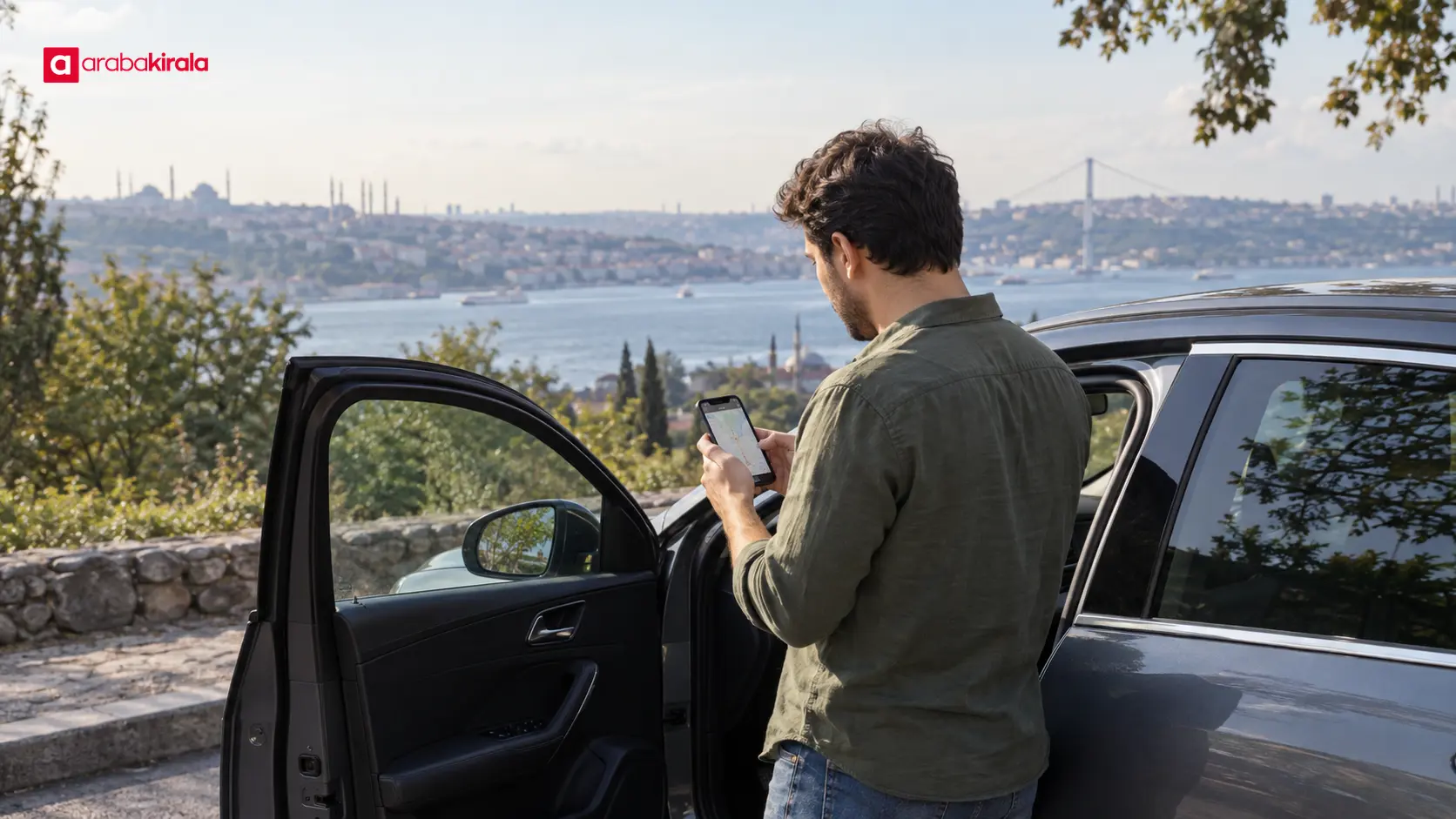
Review your route on your phone or navigation device before departure, including whether you may need offline access. Navigation information about traffic or facilities can be out of date; road signs and closure notices take priority. Save your stops in advance or ask a passenger to review them. If you need to check a map yourself, park safely first.
- Save your start, destination, and planned stops before setting off.
- Choose a nearby alternative for each major stop.
- Include fuel or charging needs and the vehicle’s range display in your route plan.
- Allow extra time for congestion, poor weather, and unexpected delays.
- Check the stop’s parking and access layout; do not pull over somewhere unsuitable in a hurry.
Prepare the rental car and the people travelling
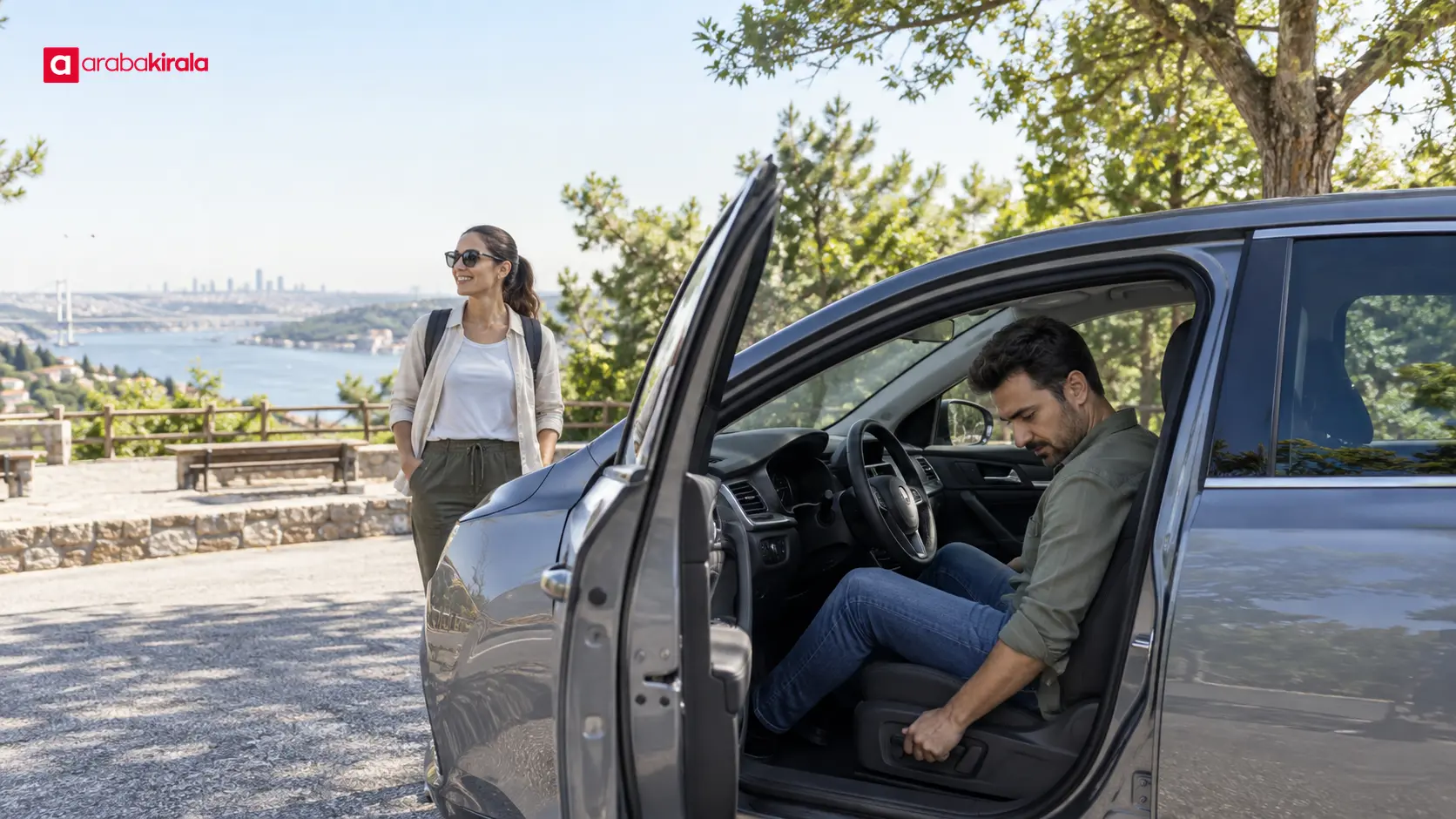
Unfamiliar controls and sight lines can add to a driver’s workload, especially in Istanbul traffic. Before moving, adjust the seat and mirrors and locate the basic controls for lights, indicators, wipers, climate, and gears. Take time to consult the vehicle manual or display while parked. If you use a phone for navigation, mount it so it does not block your view or require handling while driving.
At pickup, checking the fuel type, fuel or charge level, dashboard alerts, and existing exterior damage records can help avoid unnecessary interruptions later. Consider whether the vehicle’s range, luggage space, and passenger capacity fit your route. Ask the rental branch about reservation-specific details such as pickup procedure, fuel or charging arrangements, mileage terms, and roadside assistance; these can depend on the branch and vehicle.
If more than one person may drive, agree before departure who can take over. Additional driver eligibility and recording arrangements can depend on the rental terms, so confirm them with the branch. Having an awake passenger does not make a tired person safe to drive; only a rested person who is authorized to use the vehicle should take the wheel.
Make the break useful
A break is more than parking and scrolling on a phone. Getting out safely, walking briefly, drinking water, and shifting attention away from driving can help you reset. Plan meal and restroom needs as well. If a heavy meal leaves you drowsy, do not ignore that feeling. Break duration should reflect the driver’s condition and the road context rather than a fixed formula.
Passengers should raise a need for a stop early, so the driver is not searching for a place at the moment concentration is already fading. When travelling with children, use seat belts and child seats correctly and supervise children in the rest area, away from moving vehicles. Before returning to the car, check doors, the boot, and personal belongings so the trip can continue in an orderly way.
A short checklist before setting off
- Start rested; postpone driving if you feel sleepy or unwell.
- Check route, traffic, and weather before moving.
- Save planned stops and alternatives.
- Learn the basic controls and fuel or charge display while parked.
- Arrange phones, drinks, luggage, and passenger needs so they do not distract the driver.
- If fatigue appears, stop somewhere safe; do not put an arrival time ahead of safety.
Summary and next step
An Istanbul rental car break plan is more than adding a stop or two to a map estimate. Starting rested, noticing symptoms early, choosing safe stops and alternatives, and learning the vehicle’s basic features before departure make the journey easier to manage. Before pickup, ask the branch about vehicle and usage details tied to your reservation, then build a realistic route with time to adapt.
Frequently Asked Questions
How should I plan breaks before a long drive from Istanbul?
Divide the route into main sections, mark rest and basic-needs stops, and identify an alternative for each. Leave extra time for traffic, weather, and crowding. The plan should remain flexible if the driver begins to feel tired.
What are early signs of fatigue while driving?
Repeated yawning, heavy eyelids, losing focus, drifting toward lane markings, and not remembering the road you recently travelled are warning signs. Do not rely on music or an open window when these appear; stop in a safe, suitable place and rest.
Can I stop on the motorway shoulder for a break in Istanbul?
The shoulder is not a routine place for a rest or a phone check. Unless there is an emergency, use an appropriate facility or a permitted safe parking area along the route. If you feel too sleepy to continue, look for a suitable safe place to stop.
Does coffee make it safe to drive when tired?
Caffeine can create a short-lived feeling of alertness, but it does not remove the need for sleep and may make someone overestimate their performance. If you are clearly sleepy, rest in a safe place instead of driving on just to meet an arrival time.
What should I ask the rental branch before setting off?
Confirm reservation-specific fuel or charging arrangements, mileage terms, roadside assistance access, and who is recorded as a driver. Details can vary by reservation and branch. Allow time at pickup to understand the vehicle’s controls.
Legal Disclaimer: All content, articles and information on the Araba Kirala website are provided solely to inform users. No information shared on this website constitutes definitive advice or guidance. Araba Kirala Teknoloji A.Ş. and its authors cannot be held responsible for any direct or indirect damages arising from the application of information on the website. For all questions and requests regarding car rental, please contact the office from which you will rent your vehicle.












