
A Driving History Route to İznik’s Walls and Roman Theatre
Published: October 16, 2026 • Reading Time: 7 min • Last Updated: October 16, 2026
Plan a car visit to İznik’s historic walls and Roman Theatre, learn what architectural details to look for, and prepare for a respectful visit to archaeological sites.
Contents
- Planning a historical drive around İznik
- The city walls: gates and defensive design
- Allow for parking and short walks
- The Roman Theatre: arches, vaults and stage remains
- A practical driving itinerary
- What to check when travelling in a rental car
- Ways to observe İznik’s historic sites more closely
- Summary: a considerate visit from walls to theatre
- Frequently Asked Questions
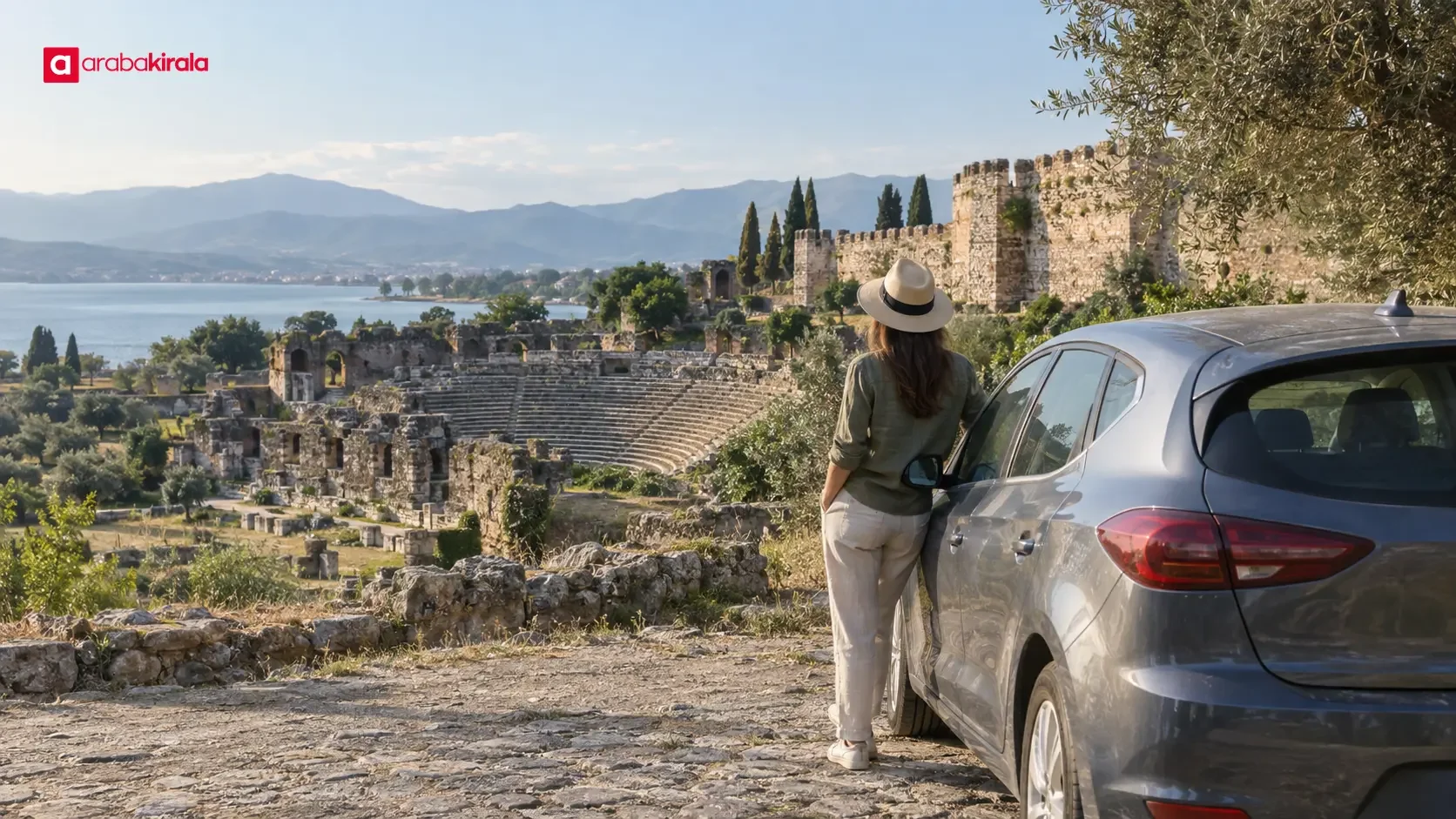
This guide shows how to plan a drive to İznik’s historic walls and Roman Theatre, what each site can tell you about the ancient city, and how to move between them thoughtfully. The walls reveal the city’s defensive edge, while the theatre preserves traces of public architecture. A car can make the transition between stops easier, but walking is still central to seeing the remains well.
Planning a historical drive around İznik
İznik’s historic centre brings together features from several periods, set within a town beside Lake İznik. The city walls define an enclosure and its entrances; the Roman Theatre offers a different view of civic life and construction. Treat the car as a way to reach the area, then leave time to explore on foot. Parking, walking distances, traffic and access can vary, so check current local information before setting out and keep the day’s schedule flexible.
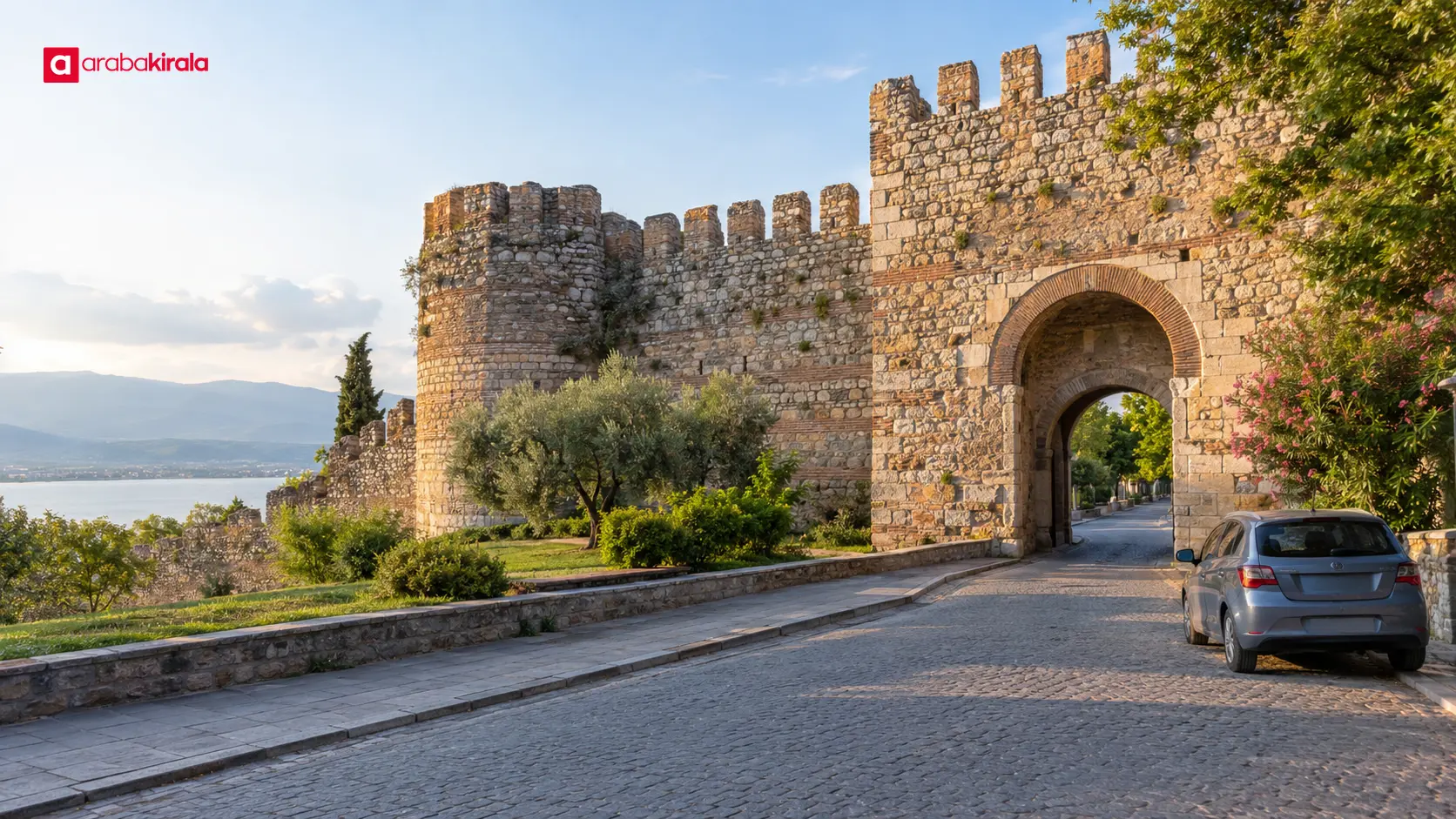
The İznik District Governorate describes the walls as beginning in the Bithynian period and taking their present form through later Roman and Byzantine additions. They are not a single, untouched building from one moment in time. Gates, towers, repairs and differing masonry can help visitors notice how the defensive line developed. Looking at these layers gives the route a stronger historical thread than simply stopping for photographs.
The city walls: gates and defensive design
As you view the walls, follow their direction and notice how towers relate to the stretches between them. The Governorate gives the circuit’s length as about 4,970 metres, a useful indication of the scale of the enclosure. You do not need to walk the entire line to understand it. Choose one or more accessible sections based on your available time and the conditions on the day.
Gates are both passageways and parts of the city’s defensive system. At entrances such as İstanbul Gate, multiple thresholds and gate sections can be seen. Look for the arrangement of arches, the placement of towers and changes in the stonework. Avoid assuming that everything visible belongs to the same construction phase: walls and gates can include later repairs and reused material.
Allow for parking and short walks
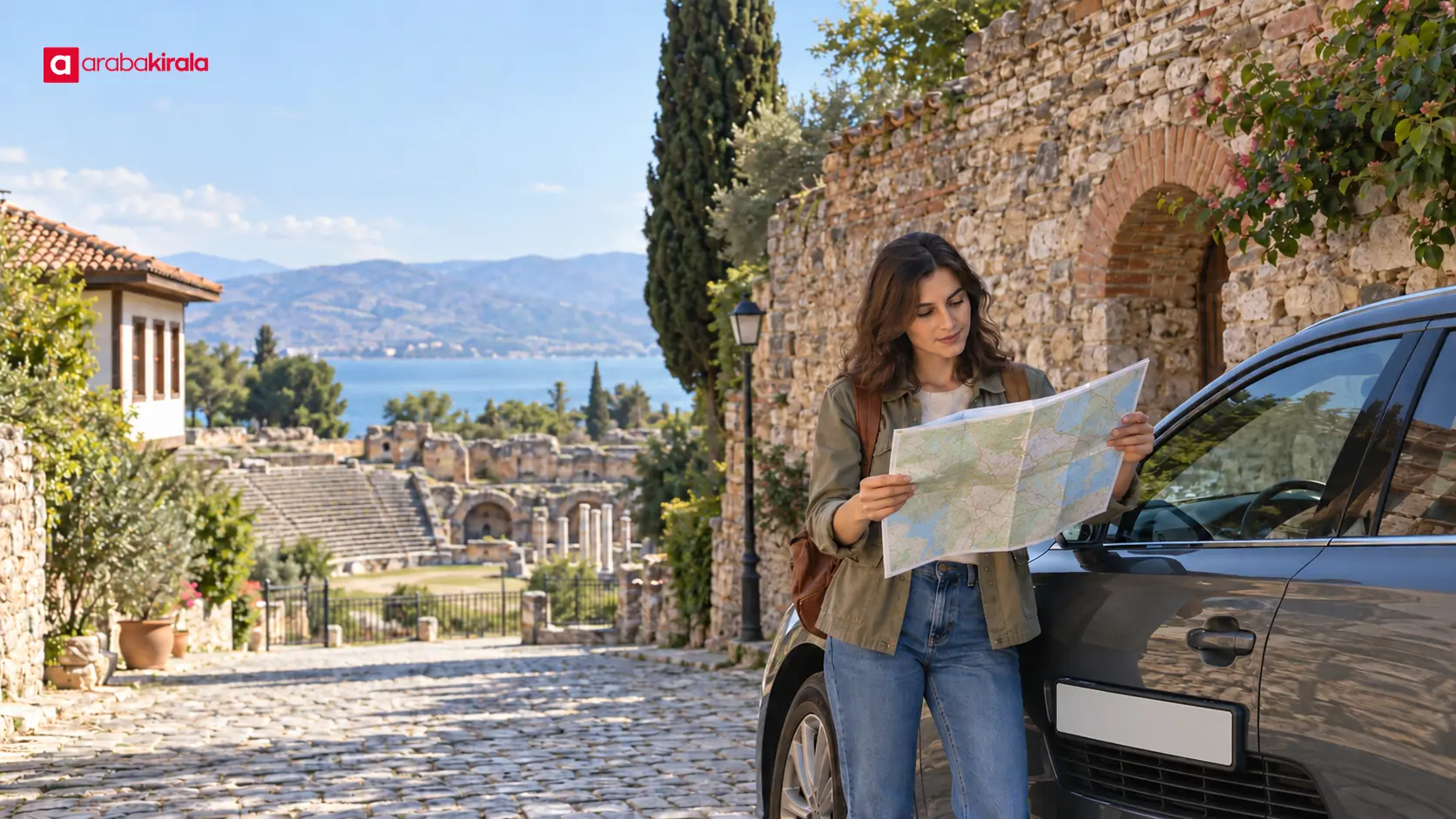
Rather than trying to bring the car right up to every historic feature, identify legal, safe places to park and complete the final stretch on foot. Streets in historic areas may be narrow or busy, and parking arrangements can change by time and location. Mark your intended stops on a map before leaving to reduce unnecessary driving. Follow local traffic signs and do not let navigation direct you into a pedestrian area or a restricted route.
The Roman Theatre: arches, vaults and stage remains
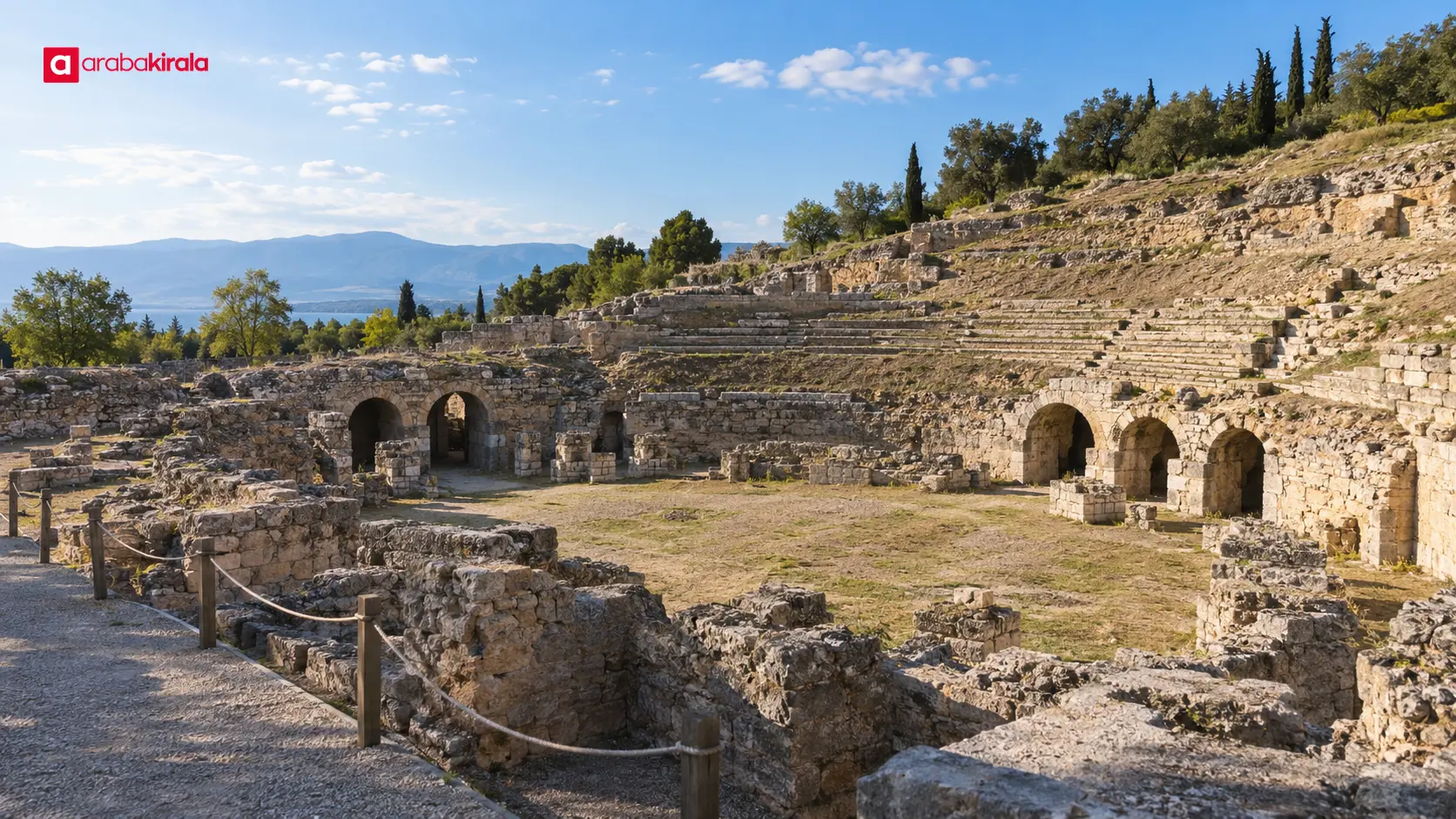
İznik Roman Theatre stands out for its vaulted substructure on relatively level ground. The Ministry of Culture and Tourism’s Culture Portal notes that construction continued during the reign of the Roman emperor Trajan. The surviving foundations of seating, the arched and vaulted supports, and remains associated with the stage help explain how the structure was built. Look beyond the stage area: the lower structure and the shape of the seating arrangement are also part of the story.
The theatre is connected to the city walls through the later reuse of building material. İznik Municipality’s cultural heritage page says cut stones from the theatre were used in some sections of the northern walls. This detail shows how the city’s monuments are linked, and how material could take on a new purpose over time. Observe the relationship from the visitor route without touching or climbing on the remains.
Archaeological ground can be uneven, and stone surfaces or steps may become slippery. Wear shoes with a secure grip and bring water and sun protection suited to the weather. Do not climb on masonry, remove fragments or cross protective boundaries. These simple choices help keep both visitors and historic fabric safe.
A practical driving itinerary
Adapt the order of stops to your starting point, available time and current access conditions. Short distances on a map can still require time for parking, walking and looking carefully. A focused visit to a selected section of the walls and the theatre may be more rewarding than trying to fit many unrelated stops into one day.
- Before departure: Check your route to İznik, current road conditions and the locations you want to visit. Access arrangements and opening information can change; consult the relevant official source when needed.
- First stop: View a selected gate or section of the walls in daylight. Notice the gate arrangement, towers and direction of the wall, and use these features to imagine the outline of the historic city.
- Second stop: At the theatre, compare the stage remains, seating area and vaulted supports. Follow visitor directions and any site rules.
- Between stops: Park only where permitted and leave time for walking. Take a safe break if you feel tired while driving.
- Before heading back: Check your belongings and the area around the car, then review traffic, weather or access changes that could affect the return route.
What to check when travelling in a rental car
If you are travelling in a rental car, details about collection and return can depend on the branch and reservation. Before the trip, ask the branch you will rent from about the route’s suitability, mileage arrangements, fuel policy, additional-driver procedure and collection or return arrangements. Read the terms in your agreement and clarify anything you do not understand before setting off. These are reservation-specific details, so do not assume they are identical everywhere.
At collection, review the vehicle’s existing marks or damage and the fuel gauge alongside the handover record. The odometer reading at collection and return can be used to compare distance travelled; ask the branch how those readings are recorded. During the visit, follow parking rules, avoid leaving valuables visible inside the car, and lock it securely when leaving it unattended.
Ways to observe İznik’s historic sites more closely
Where information panels or official site materials are available, use them to understand the building phases. At the walls, masonry, tower spacing and gate design offer clues to defensive architecture. At the theatre, the vaulted supports and the relationship between the seating and stage help explain how the structure worked. When taking photographs, stay off the remains and keep visitor routes clear.
A driving visit does not mean driving right up to every monument. Leaving the car in an appropriate place and walking the final stretch can make narrow streets easier to navigate and allow more attentive viewing. Weather, crowds and access conditions may change, so keep your plan adaptable and follow directions if a section is closed or unsuitable for visitors.
Summary: a considerate visit from walls to theatre
İznik’s walls and Roman Theatre complement one another: one helps explain the city’s defensive history, the other its public architecture. Check current access information, allow time to walk, and look for the ways the structures changed and reused materials across periods. Protect the archaeological remains and ask the branch you rent from about the conditions that apply to your vehicle and reservation. Your next step is to mark a gate and the theatre on your map, then tailor the transport and parking plan to your travel date.
Frequently Asked Questions
Can I visit İznik’s walls and Roman Theatre in one day?
Yes, they can be included in the same day’s plan, provided you allow time for getting between them, parking and walking around each site. Check current access information and avoid making the schedule too tight.
Do I need to walk the entire length of İznik’s walls?
No. The walls extend around the historic city, but a visit does not require completing the whole circuit. Select an accessible gate or section that fits your interests and available time.
What architectural details should I look for at the Roman Theatre?
Notice the remains of the seating foundations, the stage area and the arches and vaults that supported the structure. Together, these elements help explain how a theatre could rise above level ground.
Can I drive directly to every historic site in İznik?
Access and parking depend on the street and current traffic arrangements. It may be more convenient to park in a permitted place and walk the final stretch. Follow local signs and restrictions.
What should I ask about before taking a rental car to İznik?
Ask the branch you will rent from about reservation-specific mileage, fuel, additional-driver and collection or return arrangements. Review the handover record and vehicle condition details before leaving.
Legal Disclaimer: All content, articles and information on the Araba Kirala website are provided solely to inform users. No information shared on this website constitutes definitive advice or guidance. Araba Kirala Teknoloji A.Ş. and its authors cannot be held responsible for any direct or indirect damages arising from the application of information on the website. For all questions and requests regarding car rental, please contact the office from which you will rent your vehicle.












