Visiting Miletus in Summer: Shade, Water and Time
Published: November 12, 2026 • Reading Time: 7 min • Last Updated: November 12, 2026 • Author: Merve B.
Contents
- What to expect at the Milet Archaeological Site
- Plan for shade and sun protection
- What to bring
- Water and rest breaks
- How much time should you allow?
- A practical planning sequence
- Moving around the archaeological site
- Transport and checking current information
- In short: prepare for an outdoor visit
- Frequently Asked Questions
- Related Articles
- Sources
This guide to visiting Miletus in summer explains how to prepare for sun and shade in an open-air archaeological site, bring water suited to your needs, set a manageable walking pace and allocate time according to your interests. Miletus contains remains associated with several historical periods across an archaeological landscape, so it helps to think beyond a quick stop at one monument. Check current visitor information before setting out, then build flexibility into the day for heat, rest and transport.
What to expect at the Milet Archaeological Site
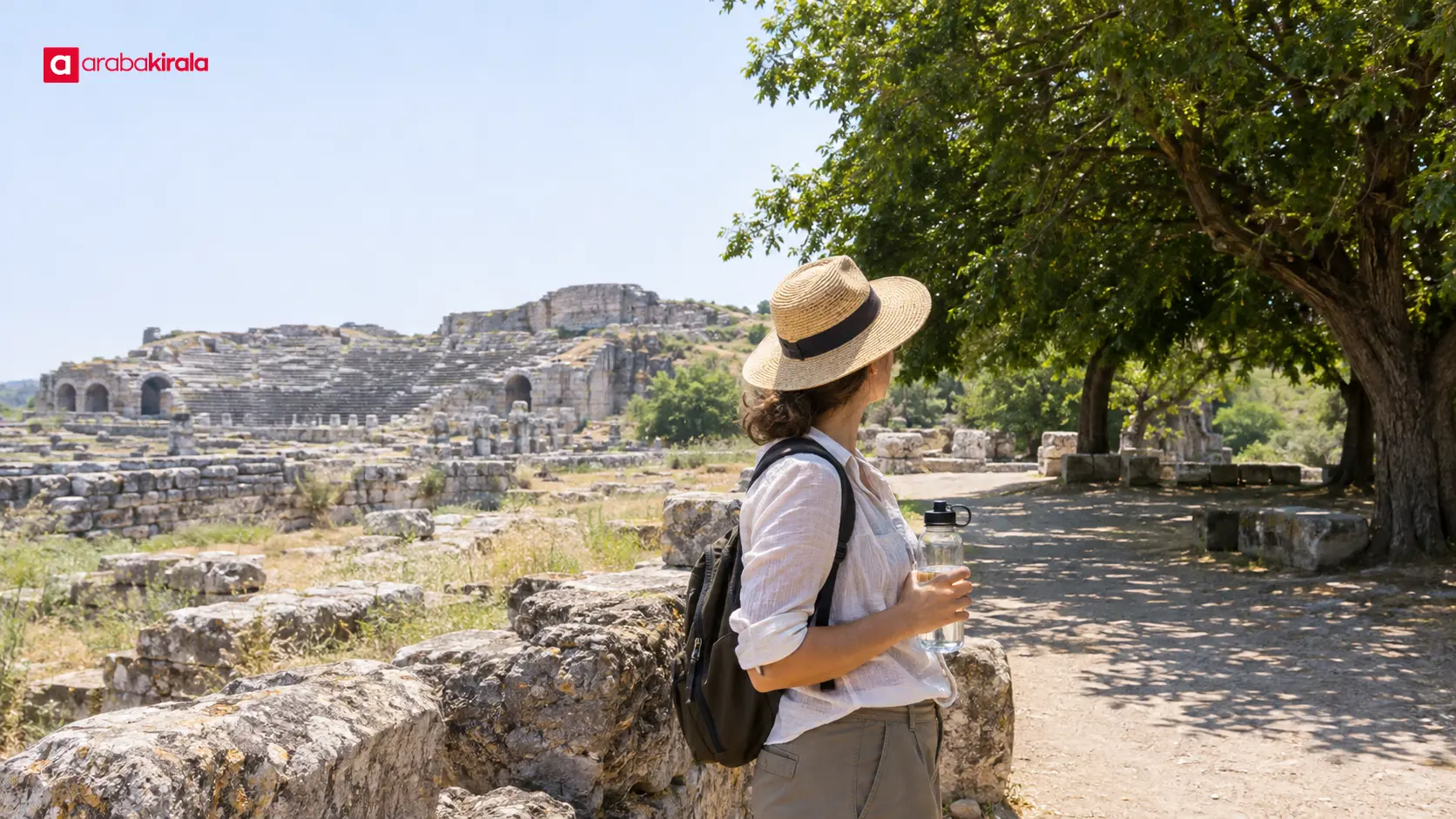
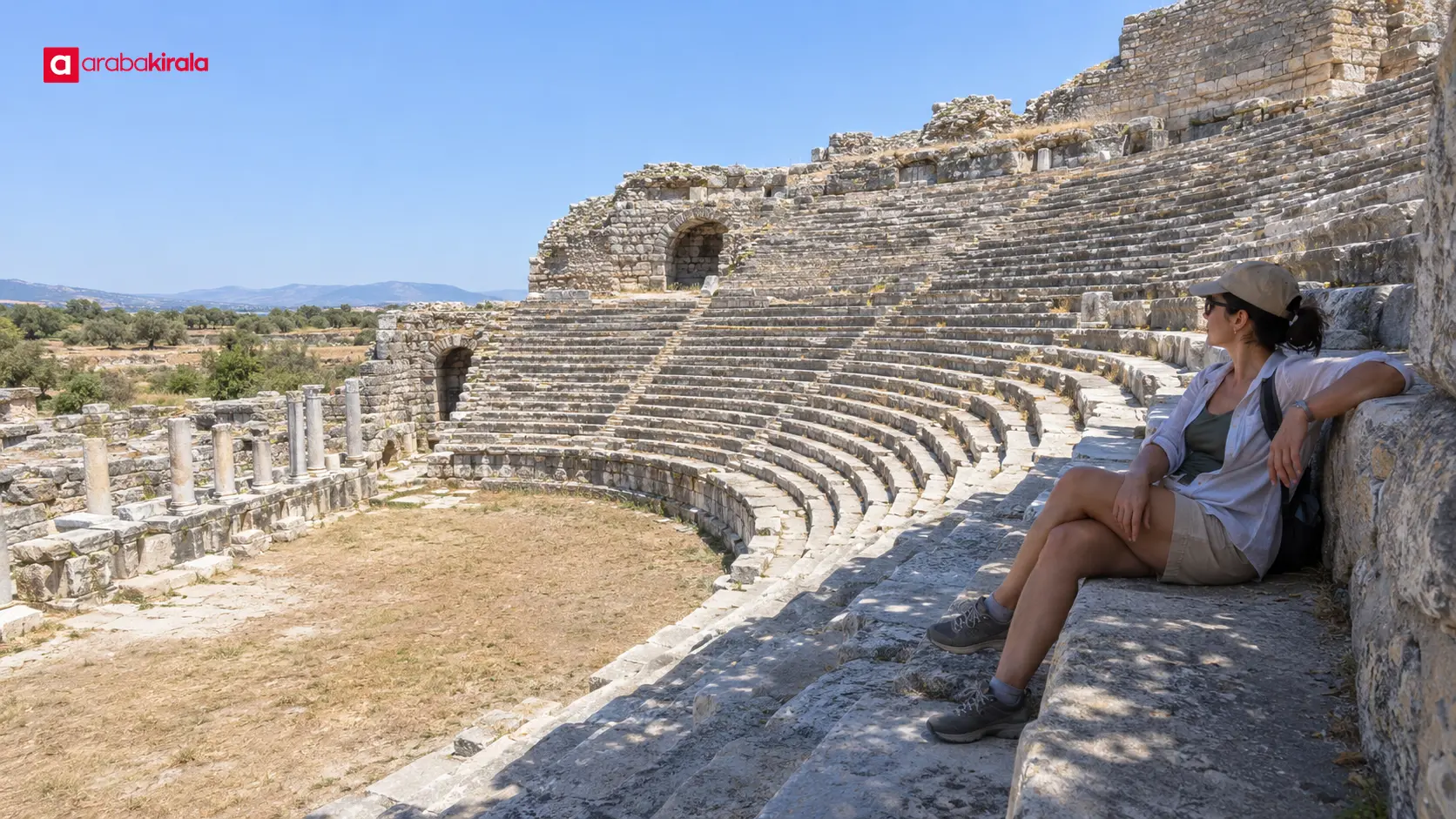
Miletus is a major cultural stop in the Didim area. The visible remains include features associated with Hellenistic, Roman, Eastern Roman and Turkish periods. The ancient theatre gives visitors a sense of the scale of public architecture, while other traces help place it within a wider urban landscape. You do not need to spend the same amount of time at every feature: decide what interests you, then account for the walking and pauses between places.
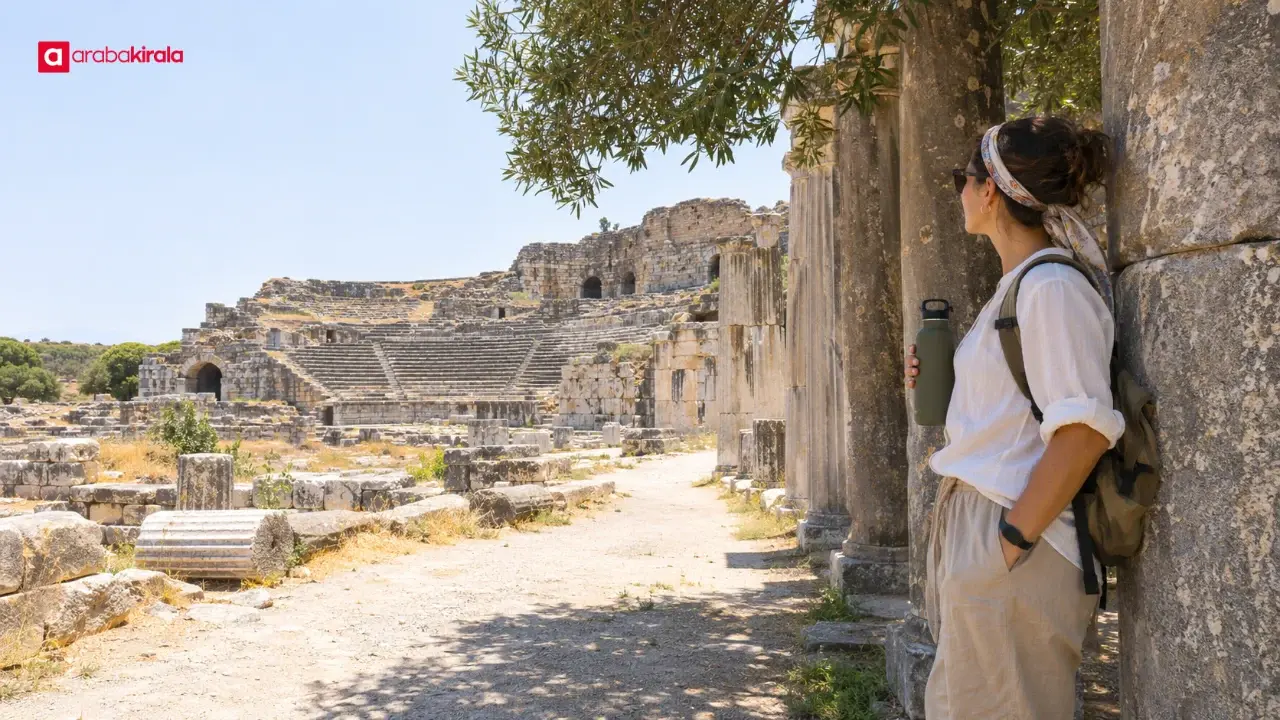
An archaeological site is an outdoor visit. Unlike a museum route spent mostly indoors, the experience depends on sun, wind, ground conditions and access to shade. The location and availability of shaded spots can vary, so do not assume the entire route will be shaded. Treat shade as one useful option alongside a hat, appropriate clothing, water and planned breaks.
Plan for shade and sun protection
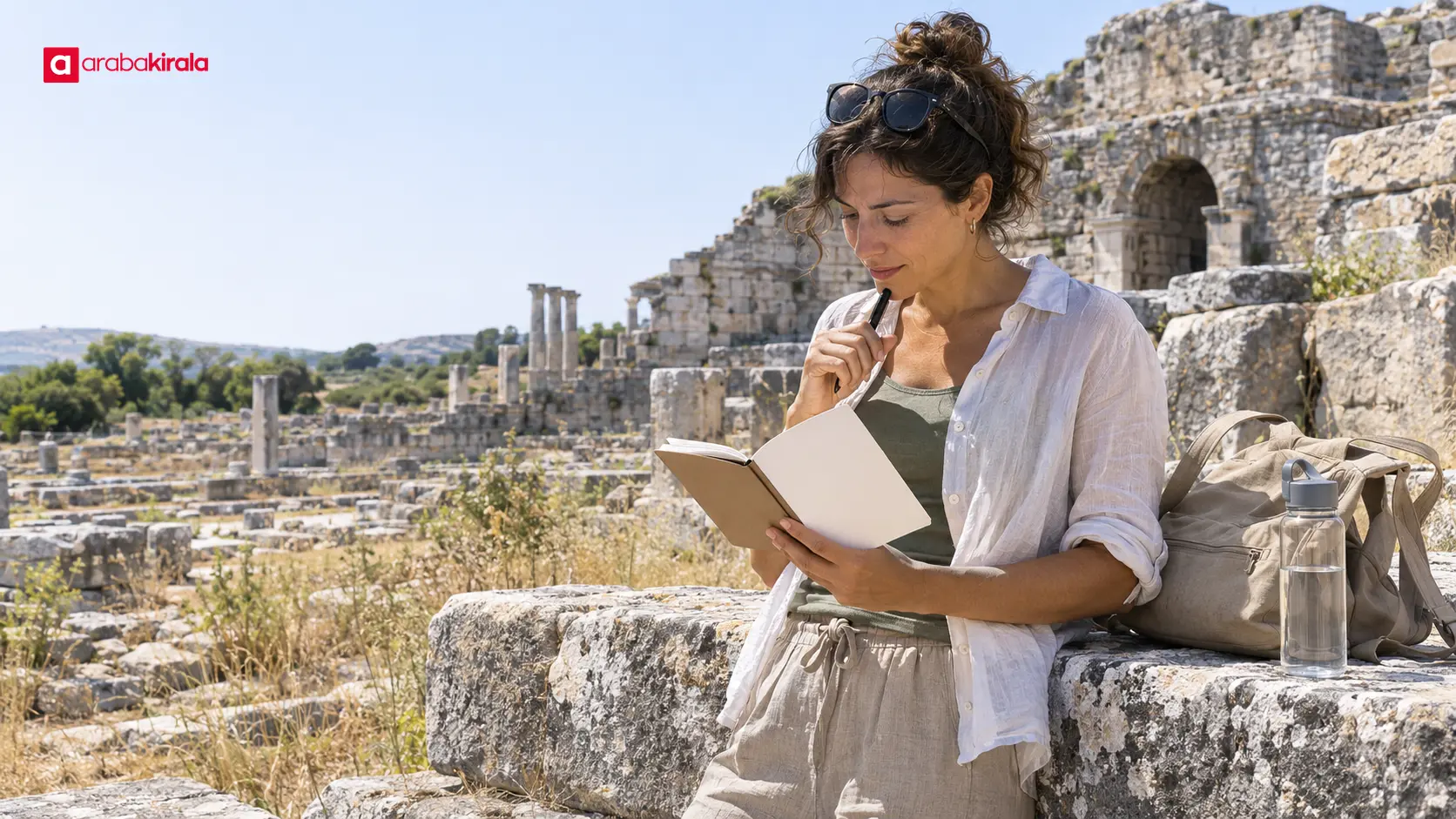
Sun protection is not a one-time step before leaving home. It matters throughout an extended outdoor visit. A hat that covers your head, light breathable clothing and sunglasses can make walking more comfortable. If you use sunscreen, follow the product label for application and reapplication. Short breaks in a shaded place can reduce the amount of time spent continuously in direct sun.
When choosing the order of your visit, keep your shade and rest needs in mind. Avoid scheduling long stretches on open ground or stone seating back-to-back during the hottest part of the day. Visitor hours, seasonal arrangements and access conditions can change, so check official visitor information before travelling. If you need to know whether a particular shaded area is accessible, contact the site using its current official contact information.
What to bring
- Drinking water in an amount suited to your personal needs; plan to drink at intervals during the visit.
- A sun-protective hat, sunglasses and light clothing appropriate for the weather.
- Comfortable, secure shoes that help you move steadily over stone or uneven ground.
- Sunscreen, if you use it, and any personal essentials you need during the outing.
- A light bag for your phone and small items; carrying unnecessary weight can make walking harder.
Water and rest breaks
Walking outdoors in hot weather places different demands on the body than moving through a cool indoor space. Water needs vary by person, temperature, activity and health, so there is no single amount that suits every visitor. Consider your own needs before leaving and prepare accordingly. Do not assume there will be somewhere to buy or refill water on site; check current visitor information if that affects your plan.
Regular sips and short rests in shade can make the walk easier to manage. If you feel dizzy, nauseated, unusually weak or progressively unwell, stop the visit, move to a cooler safe place and seek help. If heat affects your health or you have a relevant medical concern, consider postponing a long outdoor walk or following advice from your healthcare professional.
How much time should you allow?
There is no single visit duration that every visitor should follow. Time depends not only on distance but also on how long you want to spend at the theatre and other remains, whether you read interpretive panels, and how many photo or rest stops you need. Adding the Milet Museum also changes the schedule. Instead of relying on a fixed time estimate, divide your plan into priorities, walking and pauses, then leave a margin for heat and transport.
A practical planning sequence
- Confirm current opening and visitor information through an official channel; do not assume seasonal or holiday hours.
- Put the features you most want to see in order. The ancient theatre can be a clear starting point for a first visit.
- Allow time for walking, shaded breaks, water and photographs. Slow your pace as temperatures rise.
- If you plan to include the Milet Museum, treat it as a separate part of the day and verify its current location and visitor details.
- Keep transport and return plans flexible. If driving, check parking and access information. If using a rental car, confirm pickup point, return time and route timing with the branch where you will collect it.
Moving around the archaeological site
Stonework and architectural remains are part of a historic place. Follow designated routes, stay out of closed areas and do not climb on the remains. Moving quickly over irregular surfaces increases the chance of tripping or losing your balance. Keep paths clear when taking photographs, and avoid leaning on fragile features when taking a break.
Comfortable shoes matter on stone surfaces and steps. Make sure your footwear fits securely before the visit; sandals with slippery soles may not suit a longer walk. If you need a stroller, mobility aid or another accessibility arrangement, ask about current access conditions and suitable routes before arriving. Surfaces and access are not necessarily the same throughout the site.
Transport and checking current information
The site's location makes it possible to include Miletus in a cultural itinerary around Didim, but travel mode and journey time depend on your starting point, traffic and seasonal conditions. Treat a map estimate as a guide rather than a guarantee, and leave a buffer if you plan other stops on the same day. Drivers can check parking and access details ahead of time. For a rental car, clarify reservation-specific points such as vehicle collection, fuel arrangements and return timing with the branch you will use.
For changing information such as visitor hours, ticketing and site arrangements, use current official Türkiye Culture Portal and museum channels. Online information can be out of date. Reviewing access, weather and transport shortly before departure reduces the need to make rushed decisions on site.
In short: prepare for an outdoor visit
For Miletus in summer, plan around the outdoor conditions: bring water suited to your needs, protect yourself from the sun, wear steady walking shoes and include rest stops. Choose the remains that match your interests to manage both time and effort. Confirm visitor hours and access information with an official source before travelling, and check any rental reservation details with the branch you will use.
Frequently Asked Questions
How much time should I allow for a visit to Miletus?
It depends on how long you want to spend at the theatre and other remains, whether you include the museum, and how much rest you need. Plan around your priorities, walking time and breaks for hot weather rather than relying on one standard duration.
Can I find shade at the Milet Archaeological Site in summer?
The location and availability of shade can vary, so do not assume every part of the route is shaded. Wear a hat and light clothing, take breaks in safe shaded places where available, and check current site information before visiting.
How much water should I bring?
There is no fixed amount for everyone. Temperature, walking, personal needs and health all affect how much water you need. Prepare for your own needs and do not build your plan around an on-site refill point unless you have confirmed it is available.
What kind of shoes are suitable for Miletus?
Choose comfortable walking shoes that secure your feet and have soles suitable for stone and uneven surfaces. Shoes that are new or rub your feet can make a longer walk uncomfortable.
Can I visit the Milet Museum on the same outing?
The museum can be part of a wider cultural outing, but check its current location, visitor information and transport arrangements first. The outdoor site and museum may take different amounts of time and energy, so leave a break between them.
What should I confirm if I plan to drive a rental car?
Plan your route and return timing from your starting point, then confirm the pickup location, return time and reservation-specific conditions with the branch where you will collect the vehicle. These details can vary by branch and reservation.
Related Articles
- Planning a Visit Around Thermal Springs: Time, Terrain and Breaks
- A Summer Road Trip Through Phrygian Valley: Shade and Day Planning
- Dara to Midyat Road Trip: A Practical Route Guide