How to Plan a Seasonal Market or Festival Visit by Car
Published: October 25, 2026 • Reading Time: 7 min • Last Updated: October 25, 2026
Plan arrival time, parking, pedestrian access, and the return trip together for a smoother visit to a seasonal market or festival by car.
Contents
- Use the event schedule to shape the trip
- Choose an arrival window
- Assess more than distance when choosing parking
- Make the car easy to find later
- Include the walk in your access plan
- Practical preparation for driving and parking
- Plan the return before the event ends
- A short checklist before you go
- Frequently Asked Questions
Planning a festival visit by car takes more than entering the event address in a navigation app. You need to consider arrival time, traffic around the venue, where the car can be parked, and how people will walk from the parking area to the entrance. This guide explains how to plan those steps for a seasonal market or festival, assess parking choices, and keep the walk back safe and manageable.
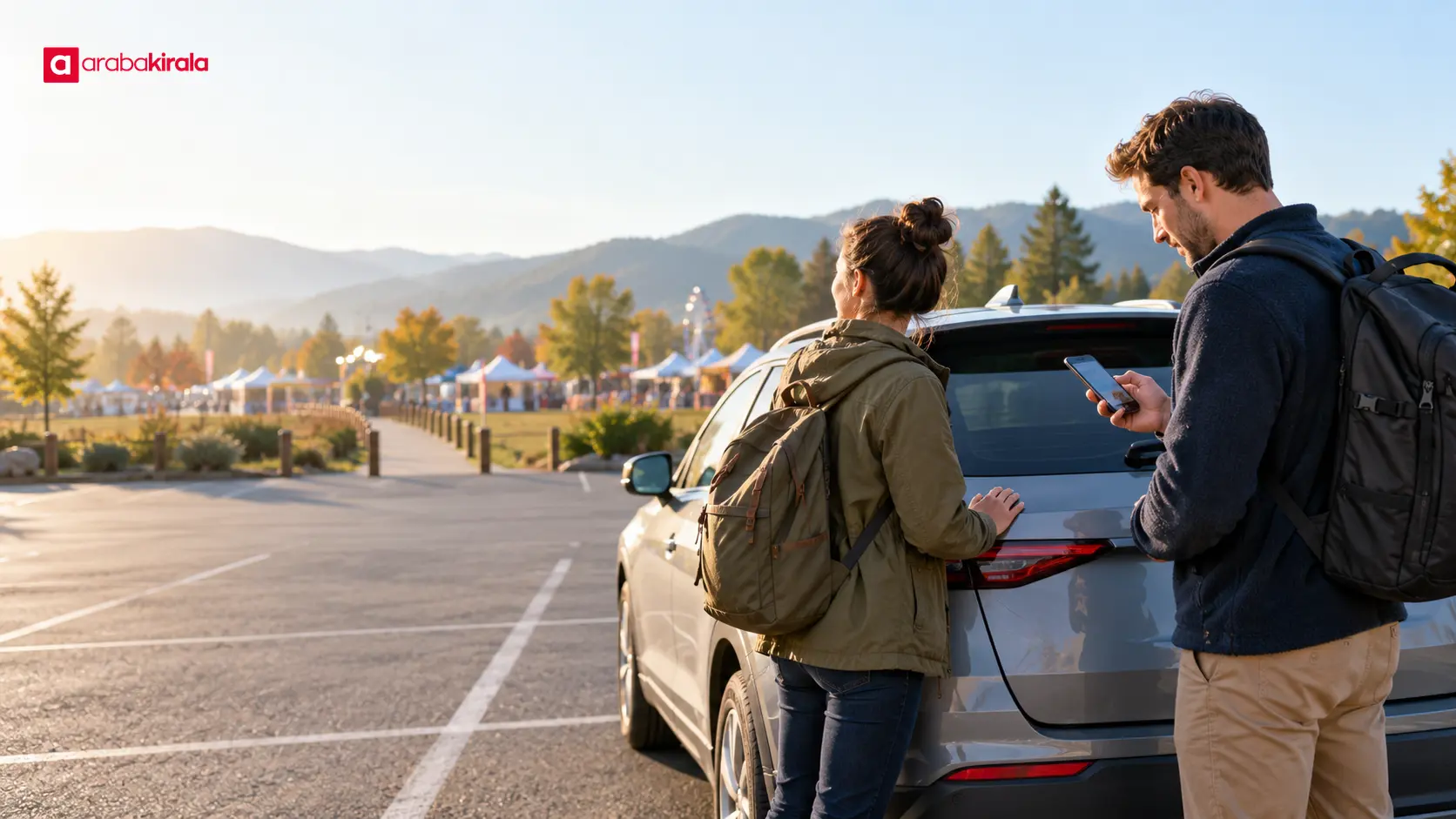
Use the event schedule to shape the trip
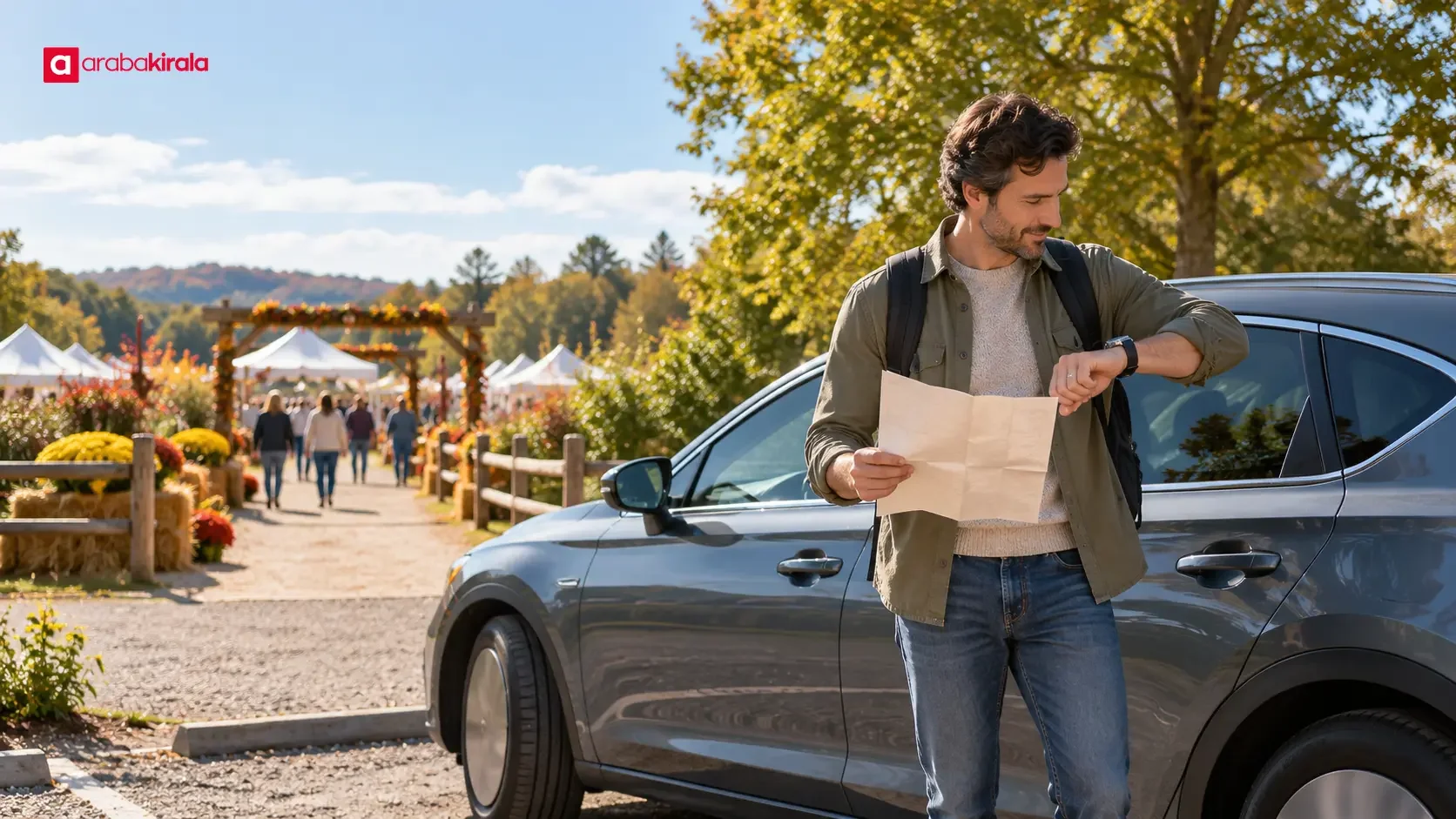
Start by identifying the parts of the event you want to attend and their times. A stage performance, workshop, market area, and closing program may draw different crowds at different times. Check the organizer’s current notice for visiting hours, entry arrangements, or road changes, and build your plan around information that is actually published. Do not assume an arrangement exists simply because it is common at other events.
An advertised opening time tells you when visitors may enter; it does not mean traffic around the venue will be light. Roads can slow when many people arrive for a popular program at once. Allow for urban traffic, the time needed to find a permitted parking space, and the walk from the car to the entrance. Keeping travel time separate from the time you want to spend at the event reduces pressure if one part of the trip takes longer.
Choose an arrival window
A target window is often more useful than planning to arrive at an exact minute. A small delay then does not immediately derail the whole visit. If you are attending a timed performance or activity, leave an additional margin for parking and walking. When a road closure or temporary traffic plan has been announced, consider parking at an appropriate location and walking the remaining distance instead of trying to reach the closest point by car.
Assess more than distance when choosing parking
The closest car park is not automatically the most convenient. Nearby spaces may fill early, and vehicles may leave slowly when an event ends. Consider walking distance, whether the pedestrian route is continuous, lighting, crossings, and access back to the car. Check the event notice or the relevant parking operator for whether the area is open to visitors, its hours of use, and how payment or access works.
A space shown on a map is not necessarily available for event parking. It may be private property, a loading zone, an emergency access route, or a temporarily restricted area. Park only where use is permitted, and do not block other vehicles, pedestrian paths, or service access. If the event publishes official parking information, use that as your starting point. Check the organizer’s latest update if availability or event-day access is unclear.
Make the car easy to find later
Finding a vehicle among similar rows can take time in a crowded lot. Save its location on a map or note the lot section and row. To preserve your phone battery, avoid leaving the screen and location services running unnecessarily; review the return route in advance if useful. If you are with children or a group, agree on a meeting point and make sure everyone understands the route back to the parking area.
Include the walk in your access plan
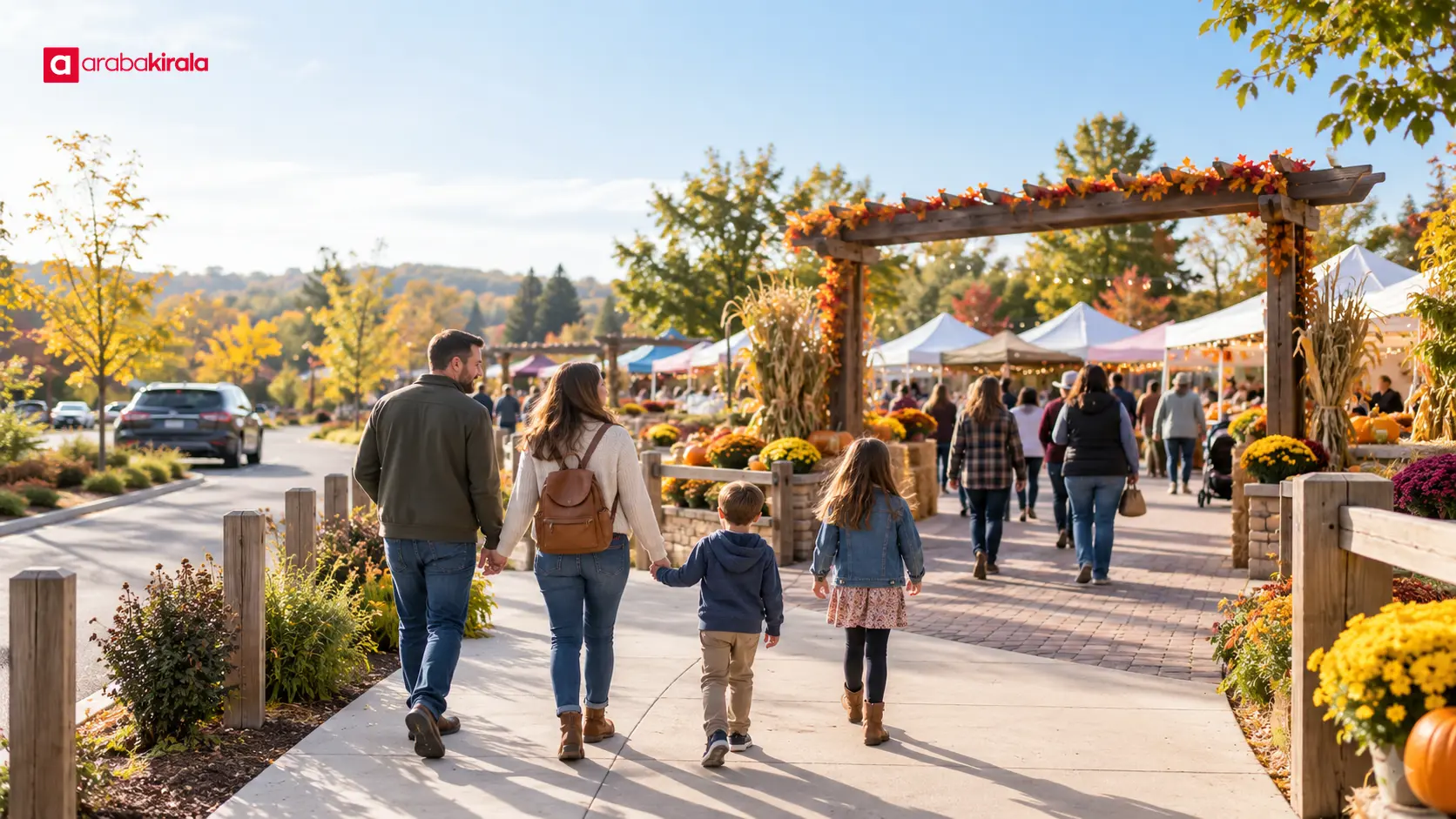
Once the car is parked, part of the visit continues on foot. The parking choice therefore determines not only where the vehicle stands but also how people reach the event. Choose a route with a continuous sidewalk where possible and separation from moving traffic. Crowds, construction, or temporary barriers may change the route, so observe safe crossings both on the way in and on the way back. If there is no direct pedestrian exit, use the designated route rather than cutting between parked vehicles.
Walking distance and surface matter especially for children, older visitors, people with limited mobility, and anyone using a stroller. Slopes, kerbs, steps, and crowds can affect the time and effort required. If the event has published accessibility information, use it to plan the route. Confirm with the organizer whether accessible parking, a drop-off point, or a particular entrance is available; do not assume it is. If the route is long, include it in the schedule and agree on a comfortable pace with your group.
Practical preparation for driving and parking
Before setting out, check the destination and the event’s latest travel notice. Navigation may not reflect every temporary closure, so follow official signs and directions from authorized staff. Do not look at your phone while driving. If you need to change the route, stop somewhere safe first. Slow down around event crowds, take care near pedestrian crossings, and avoid sudden manoeuvres while looking for parking.
- Check the event date, visitor hours, and current travel updates.
- Confirm that the parking area is open to visitors and review its conditions.
- Assess the walking route, distance, and accessibility from parking to entry.
- Save the car’s location and agree on a meeting point with your group.
- Allow for crowds, fatigue, and visibility when planning the return.
If you are visiting in a rental car, ask the branch where you will collect it about details specific to your reservation and vehicle handover. For event access, parking arrangements, or local road restrictions, use current notices from the organizer and relevant local authorities. These are separate topics: the branch can answer rental-related questions, while the organizer provides event access information.
Plan the return before the event ends
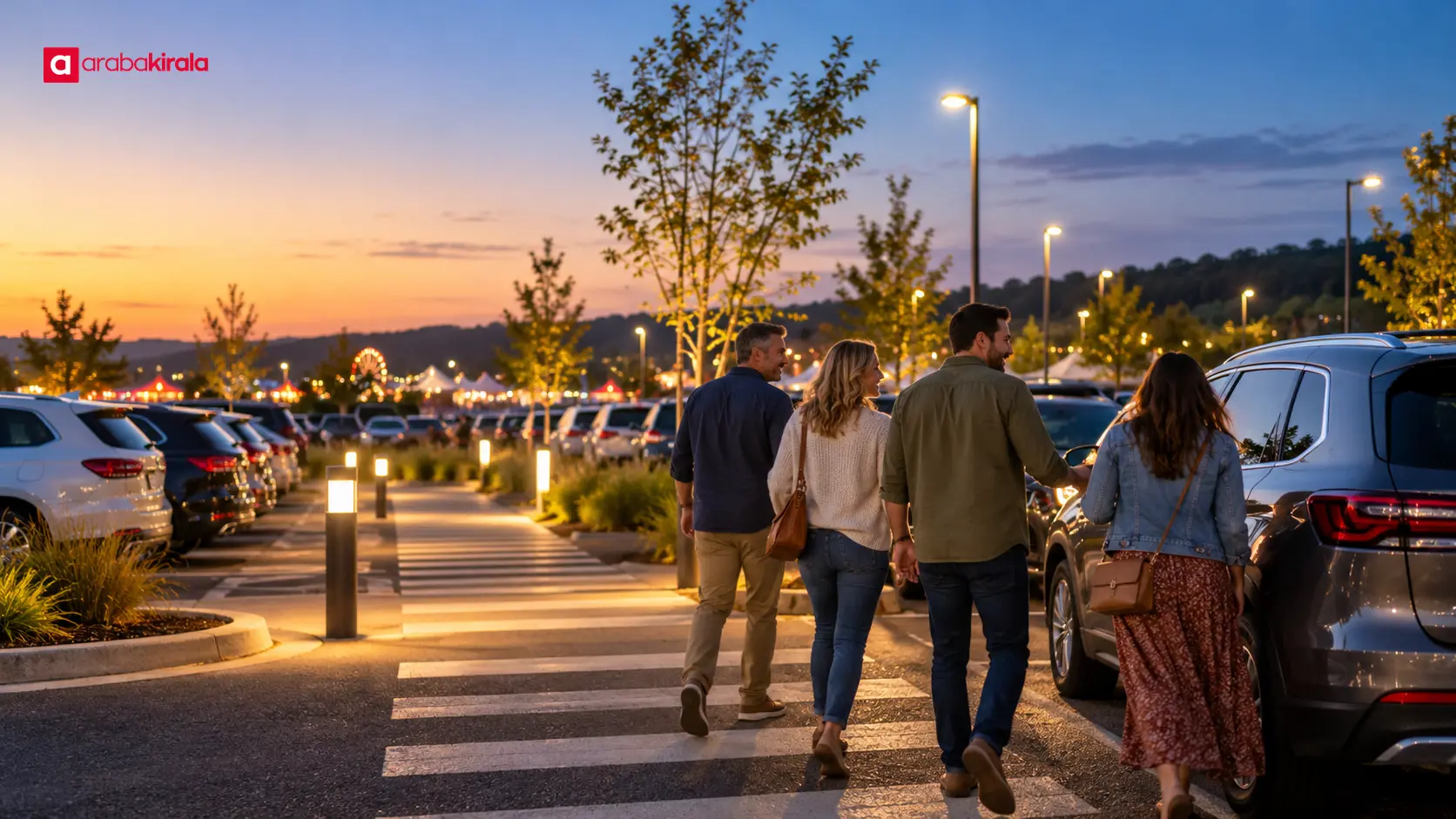
Many visitors may head to the parking area at the same time after a program finishes. Reviewing the return route and saving the car’s location in advance reduces the decisions you have to make in a crowd. If you are walking after dark, use lit, designated paths and watch for vehicles reversing or moving through the lot. Make sure everyone in your group has reached the car before setting off. A driver who feels tired or distracted should take time to rest before driving.
Traffic directions may change as you leave the venue. Follow parking and exit signs, yield to pedestrians, and be patient in queues. Do not enter a closed road even if a navigation app suggests it. If you plan to use public transport for one part of the journey, check its service and access information against the event’s finishing time; evening services vary by place.
A short checklist before you go
Review the trip in three stages: getting there, walking from the car, and returning after the event. Current information at each stage helps reduce unnecessary detours and rushed decisions. If the parking area, entrance, and pedestrian route are in different places, mark them separately on your map. Share a meeting and communication plan with your group, but do not assume that mobile service or location sharing will work without interruption in a crowd.
In summary, planning a festival visit by car means checking the program and current travel information, choosing permitted parking, assessing pedestrian access, and including the return journey in the plan. Review event notices again close to your visit. If you are using a rental car, direct only reservation-specific questions to the branch; confirm event parking and access with the organizer.
Frequently Asked Questions
How early should I leave for a festival by car?
There is no single time that suits every trip. Distance, city traffic, the event schedule, and parking demand all matter. Add time for finding a space and walking from the parking area to the entrance. For a timed program, allow a separate margin for those steps.
Is the closest car park always the best choice?
No. A nearby car park may shorten the walk but can fill up or become slow to exit. Consider whether it is open to visitors, whether the pedestrian route is safe, and how you will return to the car. Check the latest event information for day-of access.
Can I stop briefly where event parking is prohibited?
Stopping and parking rules depend on signs and local arrangements. A short stop does not remove a restriction or make an unsafe location suitable. Keep clear of pedestrian crossings, emergency access, private property, and moving traffic; use an area where stopping is permitted.
How should I choose a walking route with a child or someone with limited mobility?
Consider more than distance: check sidewalk continuity, surface, slopes, steps, and expected crowding. Review any accessibility information published by the event. Ask the organizer whether an accessible parking arrangement, drop-off point, or entrance is available rather than assuming one exists.
How can I make the drive out less stressful after the event?
Save the car’s location, review the exit and return route, and watch for pedestrian flows. Follow staff directions and avoid hurried manoeuvres. If the driver is tired, take time to rest before starting the return trip.
What should I ask the rental branch before driving to an event?
Ask the branch where you collect the car about details specific to your reservation, vehicle, and handover. For event road closures, parking, and pedestrian access, check the organizer’s current notices. Those event arrangements are separate from rental details.
Legal Disclaimer: All content, articles and information on the Araba Kirala website are provided solely to inform users. No information shared on this website constitutes definitive advice or guidance. Araba Kirala Teknoloji A.Ş. and its authors cannot be held responsible for any direct or indirect damages arising from the application of information on the website. For all questions and requests regarding car rental, please contact the office from which you will rent your vehicle.