Visiting Ravanda Castle and Oylum Höyük by Car in Kilis
Published: November 1, 2026 • Reading Time: 7 min • Last Updated: November 1, 2026 • Author: Merve B.
A practical route and preparation guide for visiting Ravanda Castle and Oylum Höyük on one Kilis trip, with advice for driving, exploring, and checking current access details.
Contents
- How to plan a historic drive around Kilis
- What to expect at each historic stop
- Ravanda Castle: ruins and open terrain
- Oylum Höyük: a large archaeological landscape
- Route order and time planning by car
- Vehicle and trip preparation
- Respecting the sites and visiting safely
- A short checklist to finish your plan
- Frequently Asked Questions
How to plan a historic drive around Kilis
This guide explains how to plan a car trip to Ravanda Castle and Oylum Höyük, two distinctive sites among the historic places to visit in Kilis. It covers a sensible route order, preparation before driving, and ways to explore each area safely and respectfully. The sites offer different experiences: Ravanda Castle occupies a rise above the surrounding countryside, while Oylum Höyük is a broad archaeological settlement mound. That difference affects how much time to allow and what to prepare for once you arrive. Treat the route below as a planning framework. Road conditions, access, and visitor arrangements can change, so check current maps and official information before setting out.
What to expect at each historic stop
Ravanda Castle: ruins and open terrain
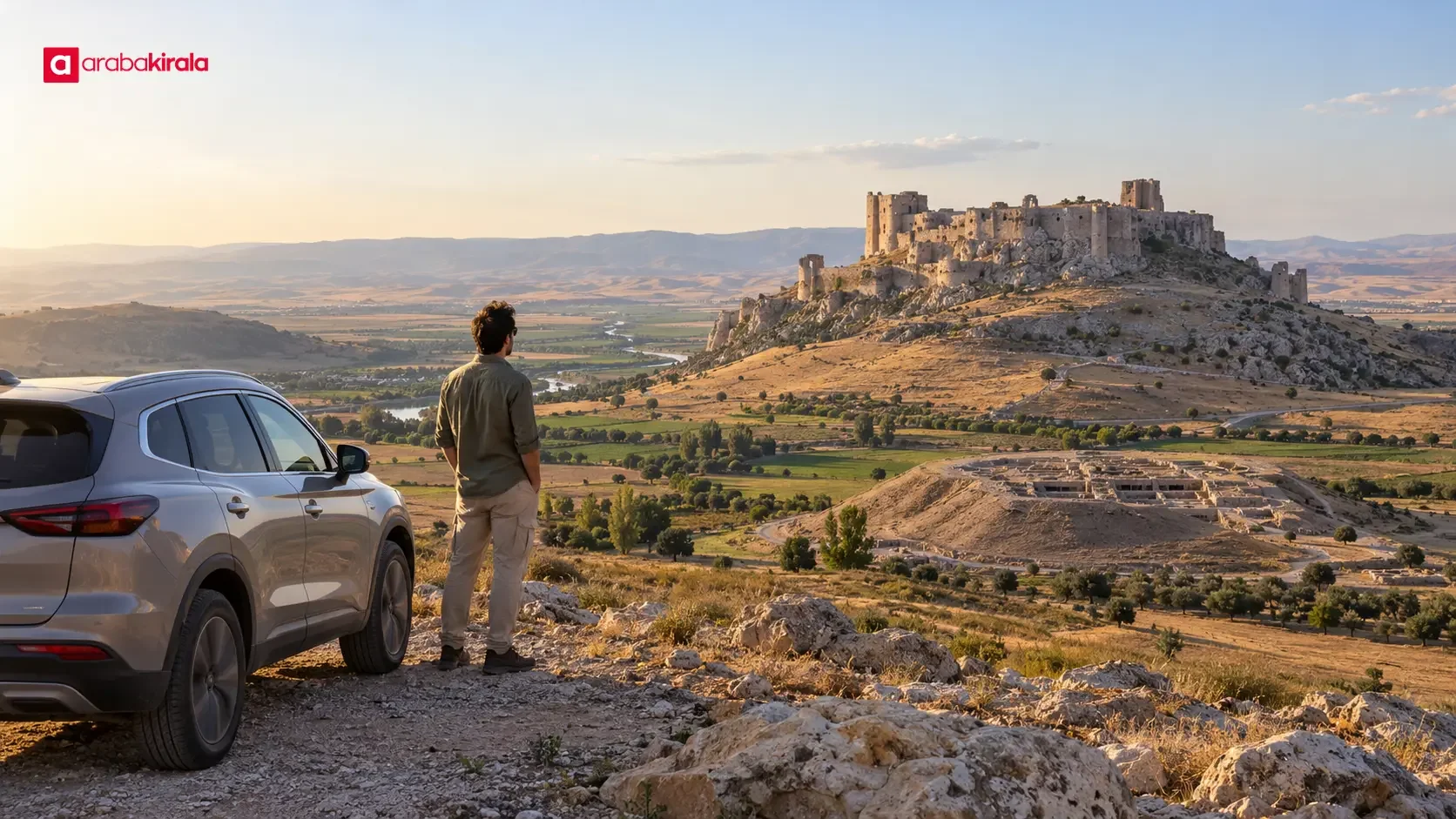
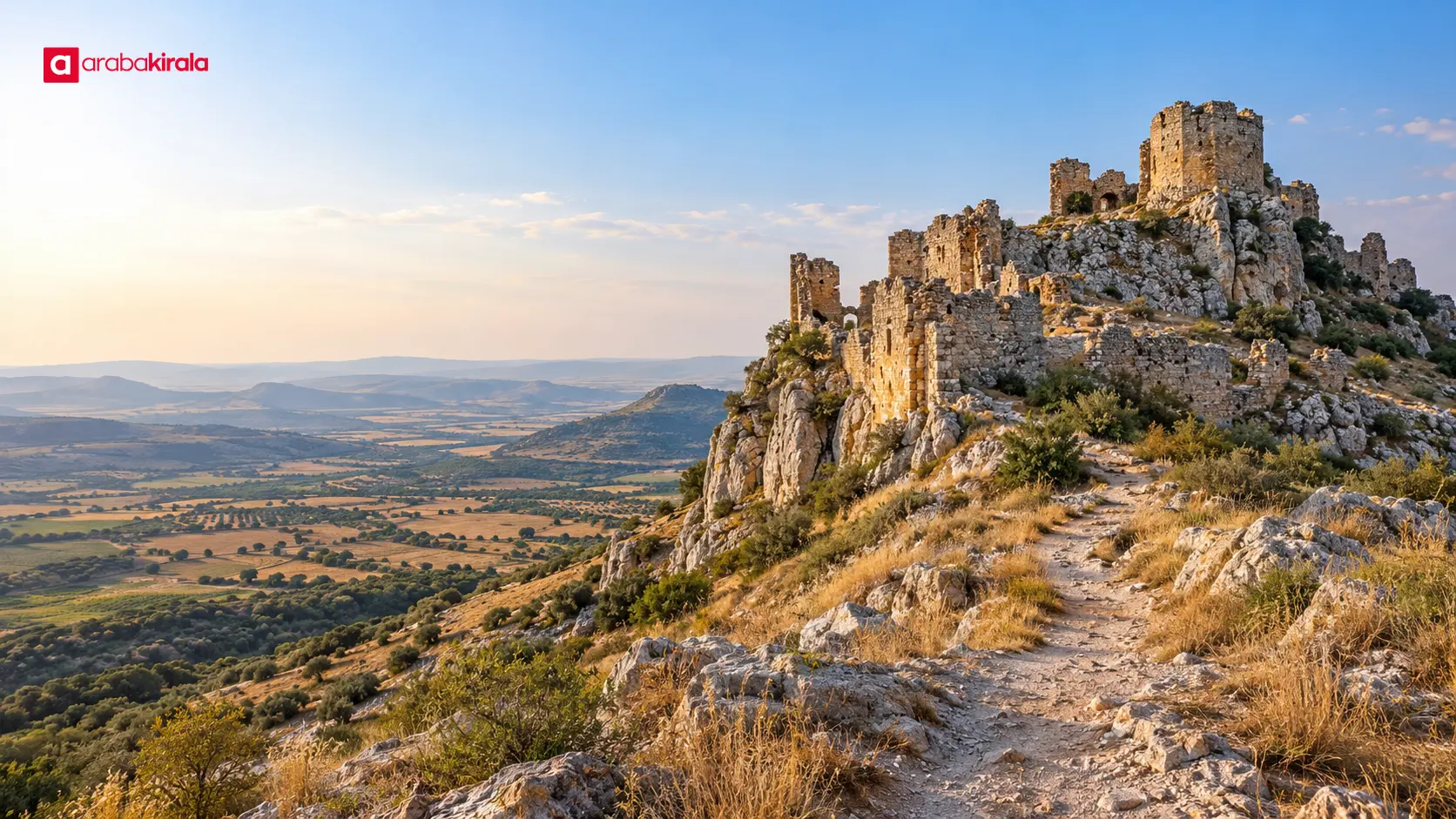
Ravanda Castle lies in the northwest of Kilis, near Belenözü village in Polateli district. The provincial Culture and Tourism Directorate places it about 24 kilometres from central Kilis. The castle stands on a rise with views across the landscape, so a visit is also a chance to observe how its position relates to the surrounding terrain. Much of the fortification has collapsed or become covered by earth. The site should therefore be approached as a historic ruin, rather than as a fully intact castle with complete walls and rooms.
Do not assume that a vehicle can reach the final point or that the ground suits every kind of car. Review the last section of the route in advance, follow local guidance, and park only where it is safe and permitted. Allow for the possibility of walking uphill. Shoes with a secure grip, water, and clothing suited to the weather make an outdoor visit more comfortable. Rain, wind, and poor visibility can affect footing and the view. Watch for loose stones, stay away from exposed edges, and do not climb on the remains.
Oylum Höyük: a large archaeological landscape
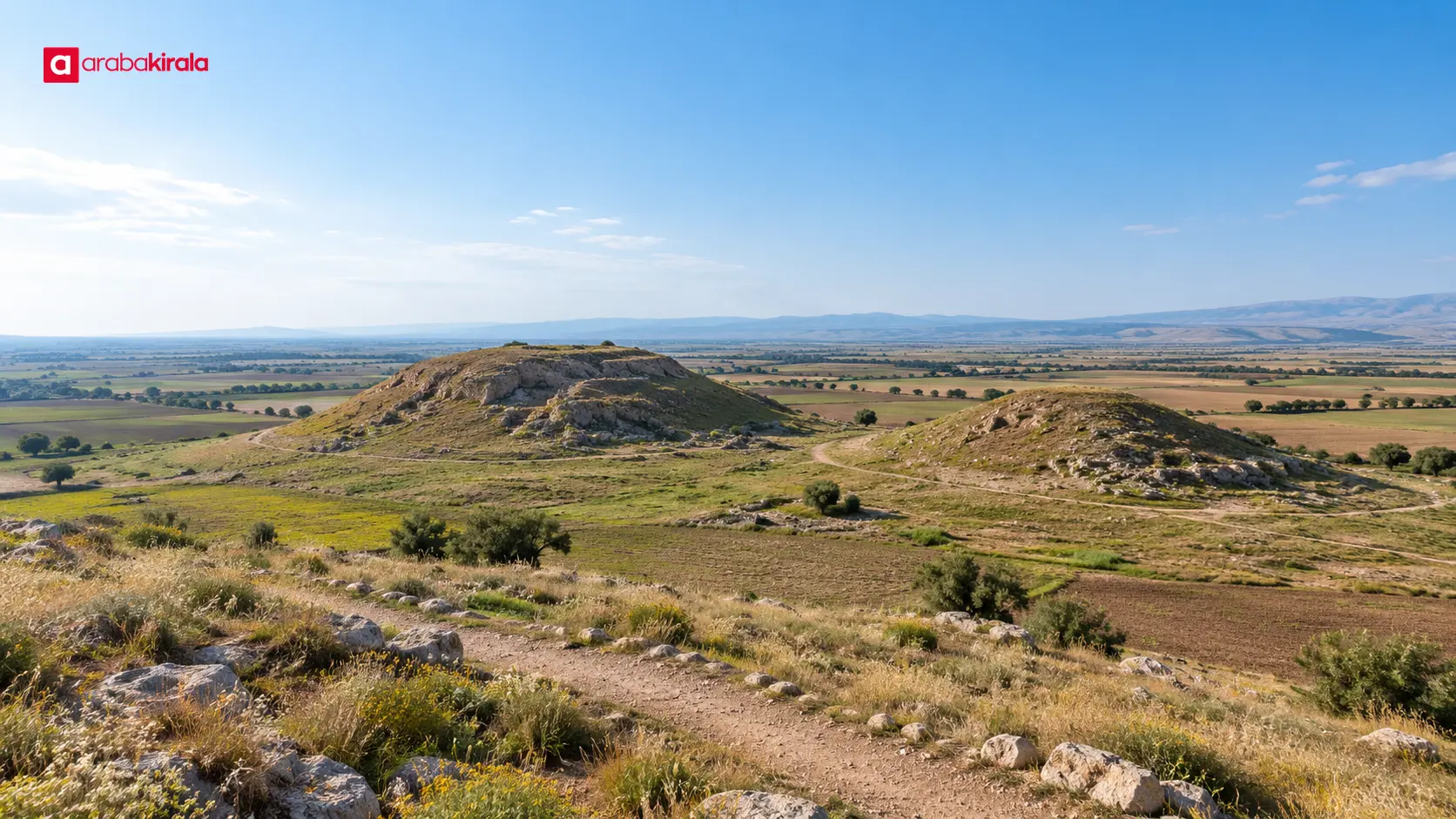
Oylum Höyük is near the settlement of the same name, on the Kilis–Gaziantep road. The provincial Culture and Tourism Directorate describes it as two rises joined by a narrow neck. The mound measures roughly 460 metres long and 370 metres wide; one rise is about 22 metres high and the other about 37 metres. These dimensions help explain why it is useful to observe the site from more than one safe viewpoint. Oylum Höyük is not a small standalone structure. It is a broad landform built up through layers of past occupation.
Archaeological traces can be difficult to interpret at a glance. Rather than making quick assumptions about surface shapes, look at the mound’s overall contours, its two rises, and its relationship to the plain. Follow any designated visitor route or site instructions, and stay clear of excavation or conservation work. Leave stones, pottery fragments, and other possible finds exactly where they are. Moving, collecting, or cleaning an object can disturb the context that helps specialists understand it and can damage the site.
Route order and time planning by car
A practical outline is to visit Oylum Höyük as you travel between central Kilis and the Gaziantep direction, then plan Ravanda Castle as a separate northwest leg toward Polateli and Belenözü. Oylum Höyük’s position along the main road can make it convenient on the way out of town or on the return. Ravanda Castle requires its own route planning. This order is only a suggestion: your starting point, daylight, weather, and current road conditions may make another sequence more suitable.
When checking a map, consider more than the estimated drive between the two pins. Leave time for leaving central Kilis, turning off the main road, slower stretches, finding a safe place to park, and walking. Visiting open terrain during daylight makes it easier to see the ground and surroundings. Build a main plan with an option to shorten the day, instead of assigning a strict number of minutes to every stop. Fitting both into one day may be feasible, but how relaxed the visit feels depends on how long you want to spend at each location.
- Before departure: Save both sites and the roads between them in a map app; download an offline map in case mobile coverage drops.
- At Oylum Höyük: Check the approach from the main road and current visitor information; use any designated paths through the archaeological area.
- At Ravanda Castle: Review the final approach toward Belenözü and allow for a walk from a safe, permitted parking place.
- For the return: Avoid rushing on rural roads as daylight fades. Shorten the itinerary if visibility or road conditions become unsuitable.
Vehicle and trip preparation
A drive to historic sites calls for some preparation beyond ordinary city driving. Before setting out, check the visible condition of the tyres, fuel or charge level, lights, and windscreen cleanliness. If you are using a rental car, compare its condition and fuel or energy level with the pickup record. Note the odometer reading at pickup and return so the usage record is clear. Report any visible damage, warning light, or equipment question to the branch where you are renting before you begin the trip.
Your booking may have specific details about mileage, additional drivers, a deposit, suitability of the selected vehicle for the route, late return, or return outside business hours. These points can vary by company and location, so do not treat one arrangement as a general rule. Ask the branch where you will collect the car about the conditions attached to your reservation and this particular trip. Checking the rental record and agreement is part of practical trip planning, just like mapping the route.
Bring drinking water, sun protection, personal essentials, and a way to charge your phone in the car. Set your route before driving or ask a passenger to manage navigation; do not handle a device while driving. In rural and archaeological areas, take rubbish with you, avoid disturbing vegetation, and park without blocking footpaths or damaging the ground. If the terrain or weather feels unsafe, shorten the visit instead of attempting to drive farther into the site.
Respecting the sites and visiting safely
Castle ruins and settlement mounds gain meaning from their surroundings and the context of objects and earth layers, as well as from visible structures. Avoid climbing walls, shifting stones, approaching excavation trenches, or crossing marked boundaries. Stay on stable ground when taking photographs; a better angle is not worth walking onto a loose slope or a protected section. If travelling with children, keep them close in open terrain and explain that the ruins are not a play area.
Opening times, access, excavation work, and site arrangements can change. Before travelling, check the official pages of the Kilis Provincial Directorate of Culture and Tourism for current site information. If you plan to add the museum or another cultural stop near Oylum Höyük, verify its current visitor details separately instead of assuming it will be open or accessible on the same day.
A short checklist to finish your plan
Visiting Ravanda Castle and Oylum Höyük together can bring two different historic landscapes around Kilis into one itinerary. Before leaving, confirm route and access information, prepare the car for safe use, clarify rental details that apply to your branch and booking, and stay on designated paths without touching the remains. Adjust the day to daylight, weather, and driving conditions. A useful next step is to save both stops in your map, check official visitor information, and contact your rental branch to resolve any open questions about your reservation.
Frequently Asked Questions
Are Ravanda Castle and Oylum Höyük on the same route?
They are in different directions around Kilis. Oylum Höyük is on the Kilis–Gaziantep road, while Ravanda Castle is reached in the direction of Polateli and Belenözü. Include both route legs and the return when planning a visit to both.
Can I visit both places in one day?
You can include both in one day with an early, realistic plan, but driving, walking, weather, and conditions at the sites affect the schedule. Prioritise daylight and safe driving instead of trying to reach every stop at any cost.
Can I drive right up to the ruins at Ravanda Castle?
The final approach and parking situation can depend on current road and site conditions. Do not assume that a car can reach the remains. Check the map and local guidance, then park only in a safe and permitted place.
What should I keep in mind at Oylum Höyük?
Follow the designated visitor route, stay out of excavation and conservation areas, and do not collect surface objects. Observe the two rises and the mound’s scale from safe viewpoints.
What rental details should I confirm before driving?
Ask the branch where you will rent about the terms specific to your reservation, including mileage, additional drivers, deposit, late return, and return outside business hours. Do not assume these arrangements are identical everywhere, and check the pickup record.
Where can I check visitor access and opening information?
Review the official announcements and site pages of the Kilis Provincial Directorate of Culture and Tourism before travelling. Access can change with excavation, maintenance, or site works, so do not rely only on old travel posts.
Legal Disclaimer: All content, articles and information on the Araba Kirala website are provided solely to inform users. No information shared on this website constitutes definitive advice or guidance. Araba Kirala Teknoloji A.Ş. and its authors cannot be held responsible for any direct or indirect damages arising from the application of information on the website. For all questions and requests regarding car rental, please contact the office from which you will rent your vehicle.