
Securing Luggage and Cabin Loads in a Rental Car
Published: October 25, 2026 • Reading Time: 7 min • Last Updated: October 25, 2026
A practical guide to arranging luggage, using available anchor points, protecting visibility, and checking passenger-area items before driving a rental car.
Contents
Rental car load securing involves more than fitting bags into the trunk. Luggage and loose objects should stay in place during braking and turns, the driver’s view must remain clear, and any available anchor points need to be used appropriately. This guide explains how to plan the load, check items in the passenger cabin, install a child seat according to its instructions, and inspect the vehicle before setting off.
Why load securing matters
In a moving vehicle, an unsecured object can shift when speed or direction changes. A heavy item may move forward, while a small object could end up near the pedals or distract the driver. Safe loading therefore supports more than keeping belongings intact. It also helps preserve the driver’s visibility and control and reduces hazards for everyone in the vehicle.
A completely full trunk is not necessarily a well-arranged one. Items should fit the available space and be secured with equipment suited to the vehicle. The fact that the trunk lid closes does not prove the load is safe: items pressing against the lid or blocking the rear view should be rearranged.
Get familiar with the cargo area
When collecting the car, inspect the trunk and learn how the rear seats operate. Look for hooks, loops, a cargo net, or other securing hardware on the trunk floor. If hardware is present, consult the vehicle manual to understand its intended use. Cars may have different types and numbers of anchor points, so do not assume that similar-looking fittings serve the same purpose.
Cargo volume and carrying capacity are different. Volume describes the space available for items; capacity concerns the load permitted for the vehicle and its tyres. Follow the limits shown on the vehicle and the information in its manual. Passengers, luggage, and other carried items all contribute to the total load. If you cannot confirm the capacity for the specific vehicle, ask the branch where you will collect it for vehicle-specific information.
Use anchor points appropriately
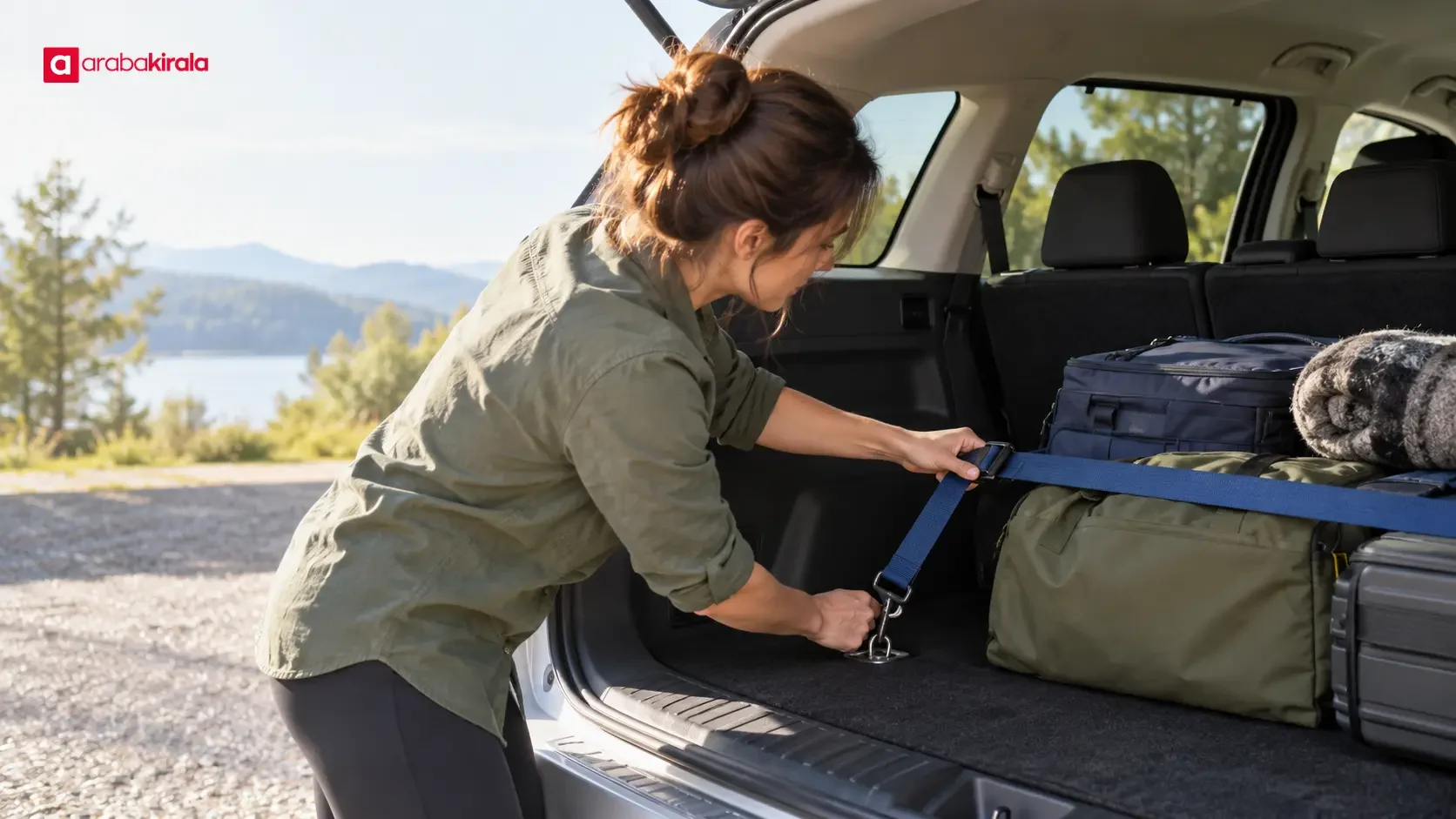
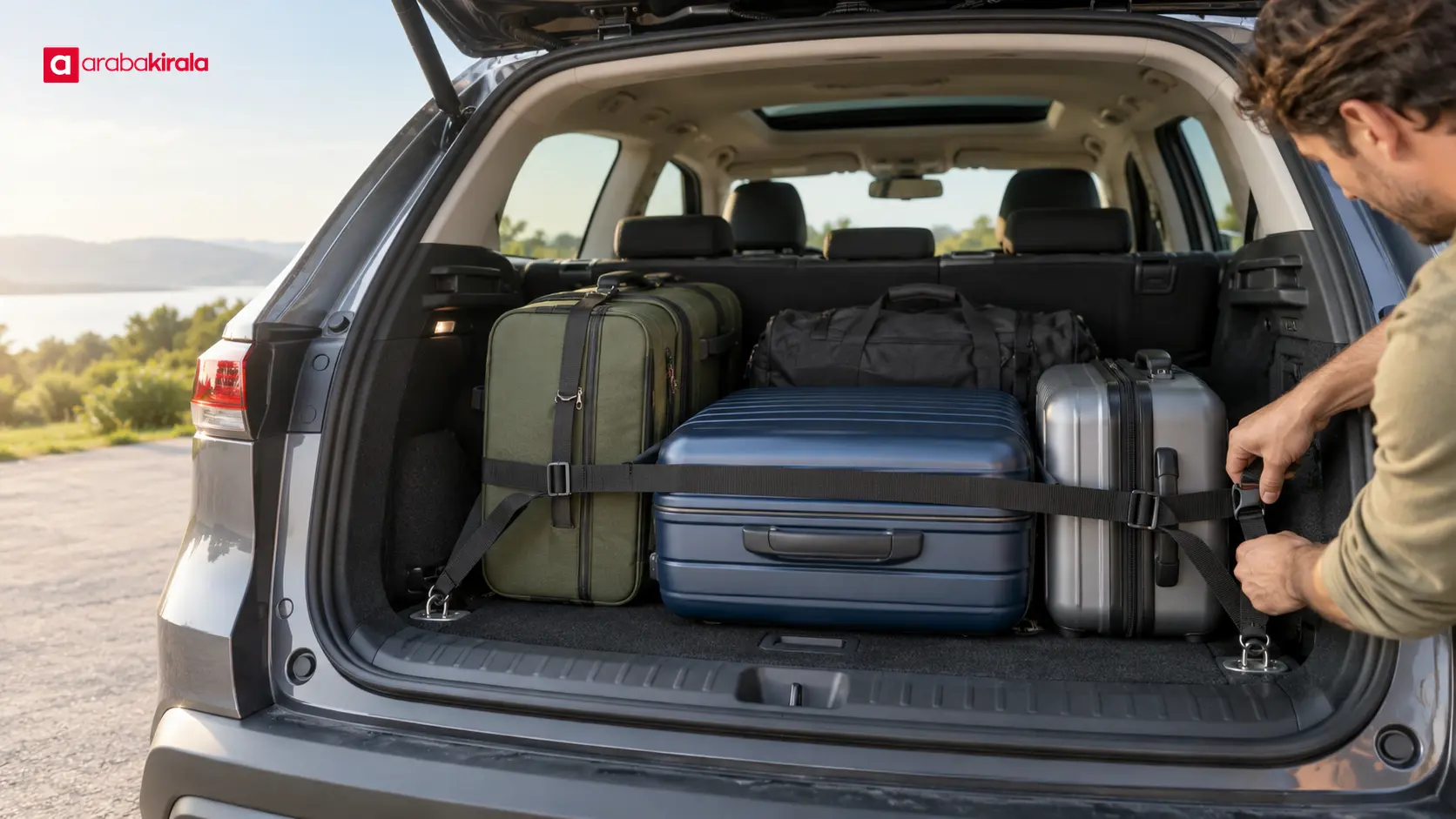
Trunk hooks can help attach a suitable strap or net. They should not be used to pull the vehicle or treated as a guarantee that a heavy object will stay put in every situation. A strap should be in good condition, the right length, and positioned to limit movement. It should not rub against a sharp edge or prevent the trunk lid from closing. If the vehicle has no suitable securing equipment, do not carry heavy or awkward items loose; assess the loading arrangement and vehicle suitability before collection.
Keep the load low and balanced
Place heavier items on the trunk floor, toward the front of the cargo area where practical, and distribute them evenly. Lighter or crushable belongings can go above them, while fragile items should not be left underneath heavy pieces. Piling everything on one side can affect the vehicle’s balance. With several suitcases, arrange them to reduce gaps, and secure bags or boxes that could move within those spaces.
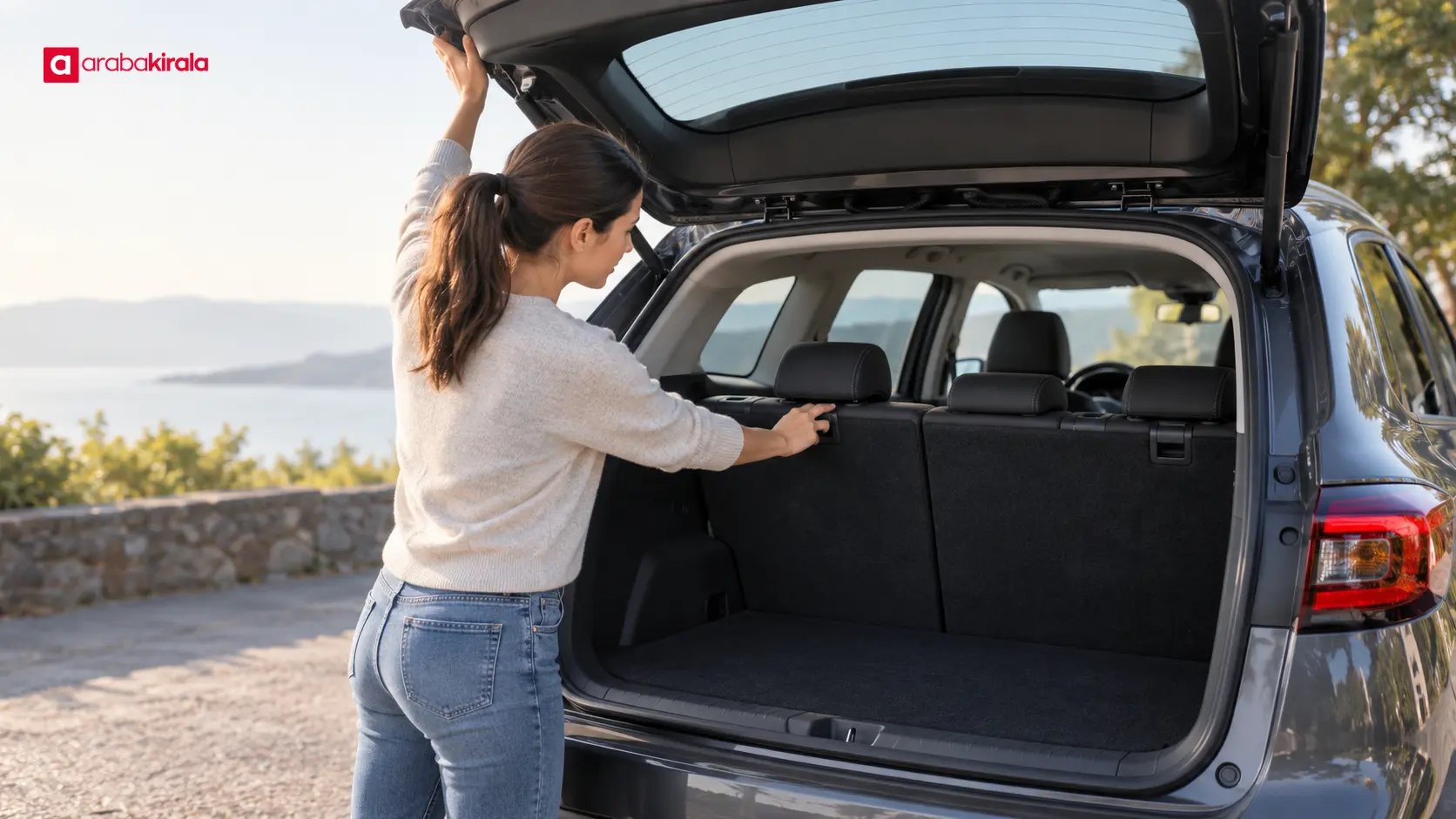
The rear seatbacks can form a barrier between the luggage area and passenger cabin, but that does not make checking the seat locks unnecessary. If a seatback has been folded, return it to the position specified in the manual and confirm that it is locked. Nothing should extend into the cabin in a way that could shift toward a driver or passenger.
Check visibility and the trunk lid
The load should leave as much of the rear window visible through the mirror as possible. If the view is restricted, reassess the load and mirror settings; do not start a journey when you cannot see your surroundings adequately. The trunk lid must close fully and latch. Having to force it shut can indicate that an item is trapped or stacked too high. Do not travel with the lid open.
Secure items inside the cabin too
Phones, water bottles, bags, umbrellas, and small electronic devices can move around if left loose. Keep objects away from footwells, pedal areas, and places that interfere with the driver’s access. Use enclosed storage compartments if available, and do not leave heavy or hard objects on seats or on the shelf behind the rear seats. Cup holders and small-item compartments may not be designed to restrain every kind of load.
When placing an item on a seat, keep seat-belt buckles and belt paths accessible. Each passenger needs to be able to fasten a belt correctly. Do not place objects or accessories over airbag areas; follow the vehicle manual’s warnings. If the cabin layout or equipment is unfamiliar, consult the manual before driving.
Child seats and unusual loads
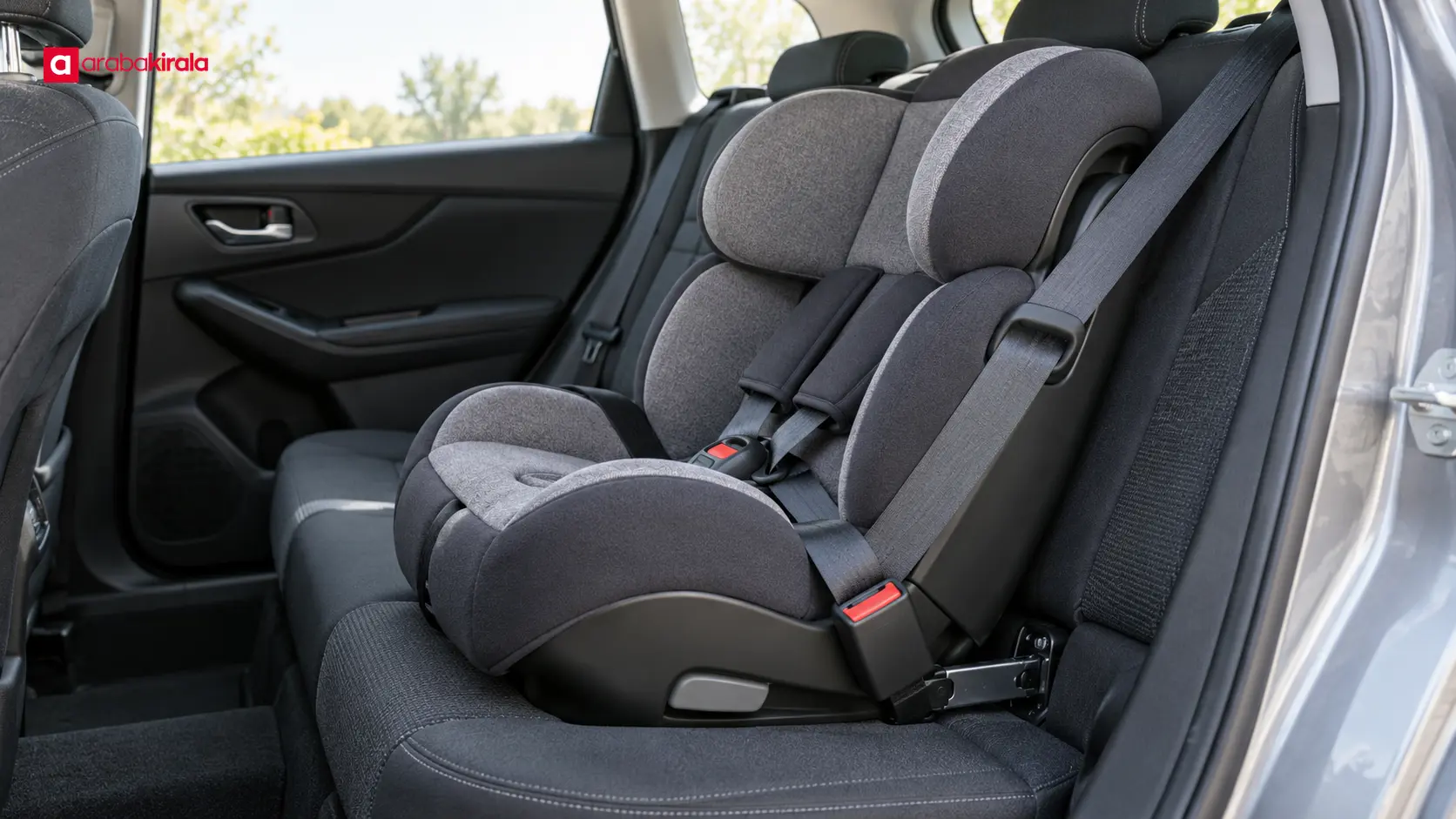
If you use a child seat, follow its manufacturer’s instructions together with the vehicle manual. The correct direction and attachment method depend on the seat type and vehicle equipment. Even when ISOFIX points are present, not every child seat is suitable for every seating position. Check that the connections are engaged, the belt follows the correct path, and the seat is secured as instructed. Do not travel with an installation you are unsure about; consult the child-seat manufacturer for installation guidance.
For bulky or unusually shaped items such as bicycles, sports equipment, prams, or fragile cargo, consider dimensions and securing needs in advance. An item fitting inside the car does not automatically mean it can be carried safely. Sharp edges may damage the trim, and a protective cover does not replace securement. If you are uncertain about vehicle suitability, ask the branch handling your reservation or collection about the cargo area and available equipment.
A short check before setting off
- Are heavy items low in the trunk and distributed evenly?
- Are suitcases, boxes, or sports equipment that could move properly secured?
- Does the trunk lid close and latch without force?
- Is the rear view clear enough, with side mirrors adjusted for visibility?
- Are pedals, seat belts, and driver controls clear and accessible?
- Are folded or adjusted rear seatbacks locked into position?
- Is the child seat installed according to both the seat and vehicle instructions?
If you hear the load shifting or notice a change after moving off, stop in a safe place and check the arrangement. Do not try to adjust items while driving. A pre-trip check should include the trunk lid, seat locks, visibility, and loose objects in the cabin.
Summary and next step
Safe loading starts with keeping heavy items low and balanced, understanding the available securing points, leaving no loose objects in the cabin, and preserving visibility. Inspect the cargo area and vehicle manual when collecting the car. Even if the luggage fits, check that the load is within the vehicle’s capacity and can be secured appropriately. If you are unsure about equipment, capacity, or trunk dimensions, contact the branch you plan to rent from before travelling.
Frequently Asked Questions
How should I secure suitcases in a rental car trunk?
Arrange them evenly on the trunk floor, reduce gaps, and use suitable hooks, straps, or a net to restrain items that could move. Check the vehicle manual to confirm what the available fittings are designed for.
Is it safe to fill the trunk up to the roof?
A high load can block the rear view or shift into the passenger cabin. A closed trunk lid is not a complete safety check; also assess visibility, seatback locks, and whether the load is restrained.
Can I fold the rear seats to carry more luggage?
Folding seats may expand the cargo area, but follow the vehicle manual’s instructions for seat adjustment and loading. Prevent the load from shifting into the passenger area and make sure the seatbacks are locked as required before driving.
How do I fit a child seat in a rental car?
Use the child-seat manufacturer’s instructions alongside the vehicle manual. Confirm the attachment type, permitted seating position, and belt route before setting off.
Where can I find the vehicle’s load capacity?
Check the vehicle’s load information and manual. If you cannot confirm the figure for that model or equipment level, ask the collection branch for details about the specific car.
Legal Disclaimer: All content, articles and information on the Araba Kirala website are provided solely to inform users. No information shared on this website constitutes definitive advice or guidance. Araba Kirala Teknoloji A.Ş. and its authors cannot be held responsible for any direct or indirect damages arising from the application of information on the website. For all questions and requests regarding car rental, please contact the office from which you will rent your vehicle.












