
A Seasonal Botanical Garden Visit: Plant Cycles and Walking Plans
Published: November 1, 2026 • Reading Time: 6 min • Last Updated: November 1, 2026 • Author: Merve B.
Plan a botanical garden visit around seasonal plant changes, comfortable walking, practical preparation and garden rules.
Contents
- How the seasons change a botanical garden
- Spring: fresh growth and flowering
- Summer: longer days and warmer walks
- Autumn and winter: color, structure and quieter views
- How to make a botanical garden trip plan
- What to wear and bring for a garden walk
- Why garden rules matter
- Get more from observing the plants
- Finish the plan: a quick check and next step
- Frequently Asked Questions
A botanical garden trip plan works best when it accounts for the plants you hope to see, the amount of walking you want to do and the garden’s own visitor rules. This guide explains how the seasons change what is visible, how to prepare for a comfortable walk and how to care for living collections during your visit. Check the garden’s current visitor information before setting out so your route and timing reflect what is open.
How the seasons change a botanical garden
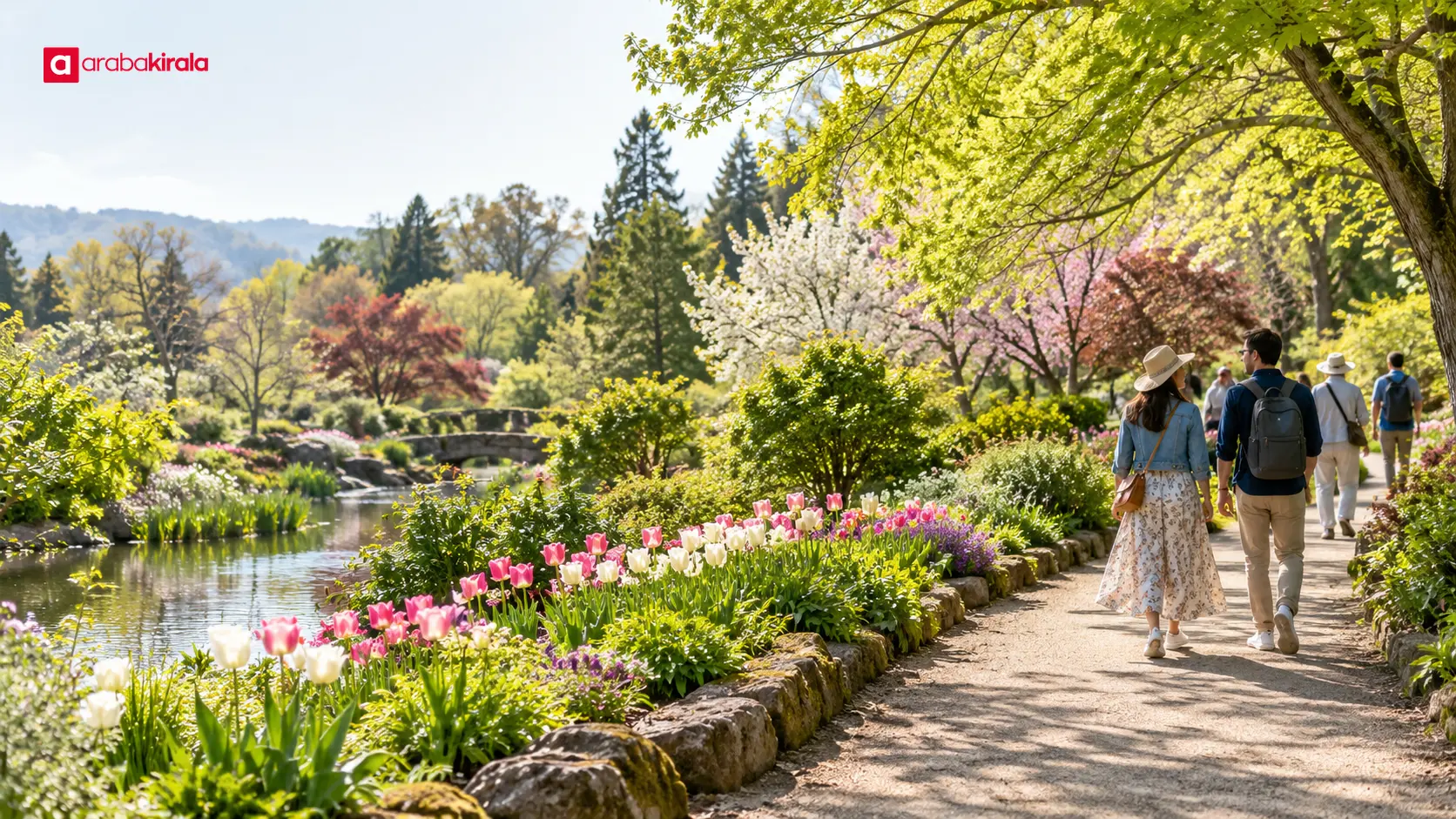
Botanical gardens are more than displays of flowers. Trees, shrubs, herbaceous plants, aquatic species and collections from different climates can all change through the year. A plant’s flowering, leafing or dormant period depends on its species, local conditions and that year’s weather. Rather than expecting a particular flower to appear on a specific date, choose a season based on the kind of experience you want and check the garden’s latest updates.
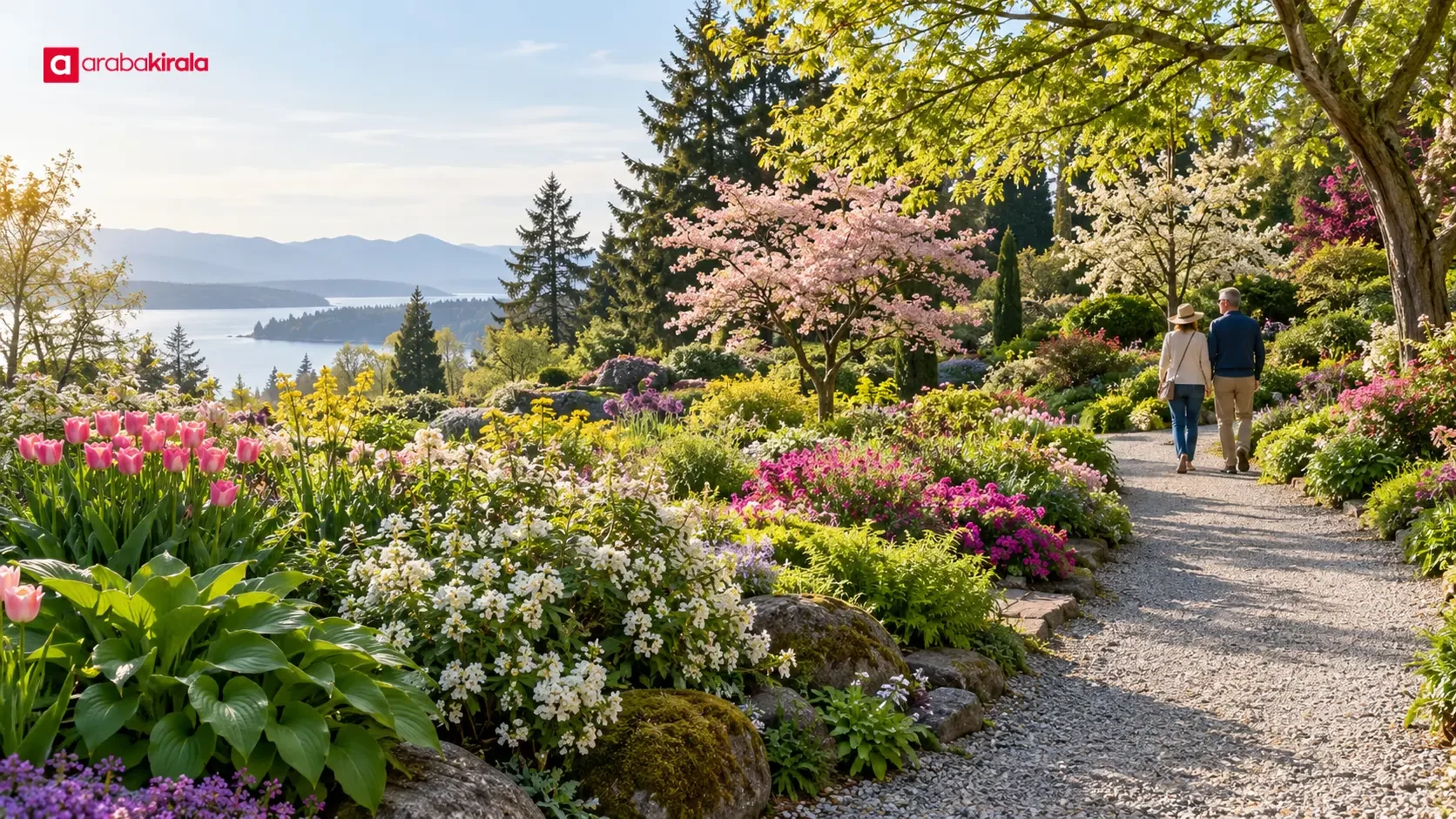
Spring: fresh growth and flowering
In spring, many trees and herbaceous plants put out new leaves and shoots, while early flowering species add color. The season is rewarding if you enjoy observing plants at different stages of growth. Weather can shift during the day, so light layers and a plan for possible rain make walking easier. The amount and timing of bloom varies by species and location; look at the garden’s seasonal notices before you go.
Summer: longer days and warmer walks
Summer can offer more daylight, but heat may make exposed paths tiring. Mark shaded areas and rest spots on the garden map so you can keep a comfortable pace. Plan for water and sun protection. Opening times or access arrangements may differ between greenhouses, waterside areas and outdoor collections, so check which sections are available on your visit date.
Autumn and winter: color, structure and quieter views
In autumn, some trees change color, and seeds, fruit and plant forms can become easier to notice. During winter, many plants are dormant, yet evergreen species, branch structure and indoor collections can offer a different focus. Rain, wind, cold and wet surfaces affect walking conditions. Weather or maintenance may temporarily close some areas, so review current garden information before travelling.
How to make a botanical garden trip plan
Build your plan around access, visit length and walking comfort as well as the plants you hope to see. First confirm the garden’s location and visitor information, then find the collections that interest you and consider the distances between them. If you are arranging city transport or considering a rental car for the day, make the travel plan fit your route and schedule. For a car visit, check current information about parking and access directly with the destination rather than assuming facilities are available.
- Confirm visiting days and hours, and whether tickets or reservations are required, through the garden’s own updates.
- Choose a few priority collections and rest points; you do not need to cover every path in one visit.
- Set a realistic route for your group’s walking pace and the needs of children or older visitors.
- Check the forecast for rain, heat, wind and daylight for the season.
- Read the garden’s rules on photography, guided tours, picnics or pets before you arrive.
What to wear and bring for a garden walk
A visit may involve a substantial amount of outdoor walking. Choose clothing for both the season and the ground conditions. Comfortable shoes with a non-slip sole can help on paths, beside lawns or on stone surfaces. If rain is expected, consider a light rain layer; on sunny days, a hat and sun protection may be useful. Layers also help when temperatures vary between morning and afternoon.
Bring drinking water, a charged phone and any personal items you need. Large bags can make narrow paths or greenhouses harder to navigate, so check the garden’s rules for bags and belongings. If taking photographs, keep paths clear and avoid blocking other visitors. With children, short breaks and an easy-to-find meeting point can help the group move at a calmer pace.
Why garden rules matter
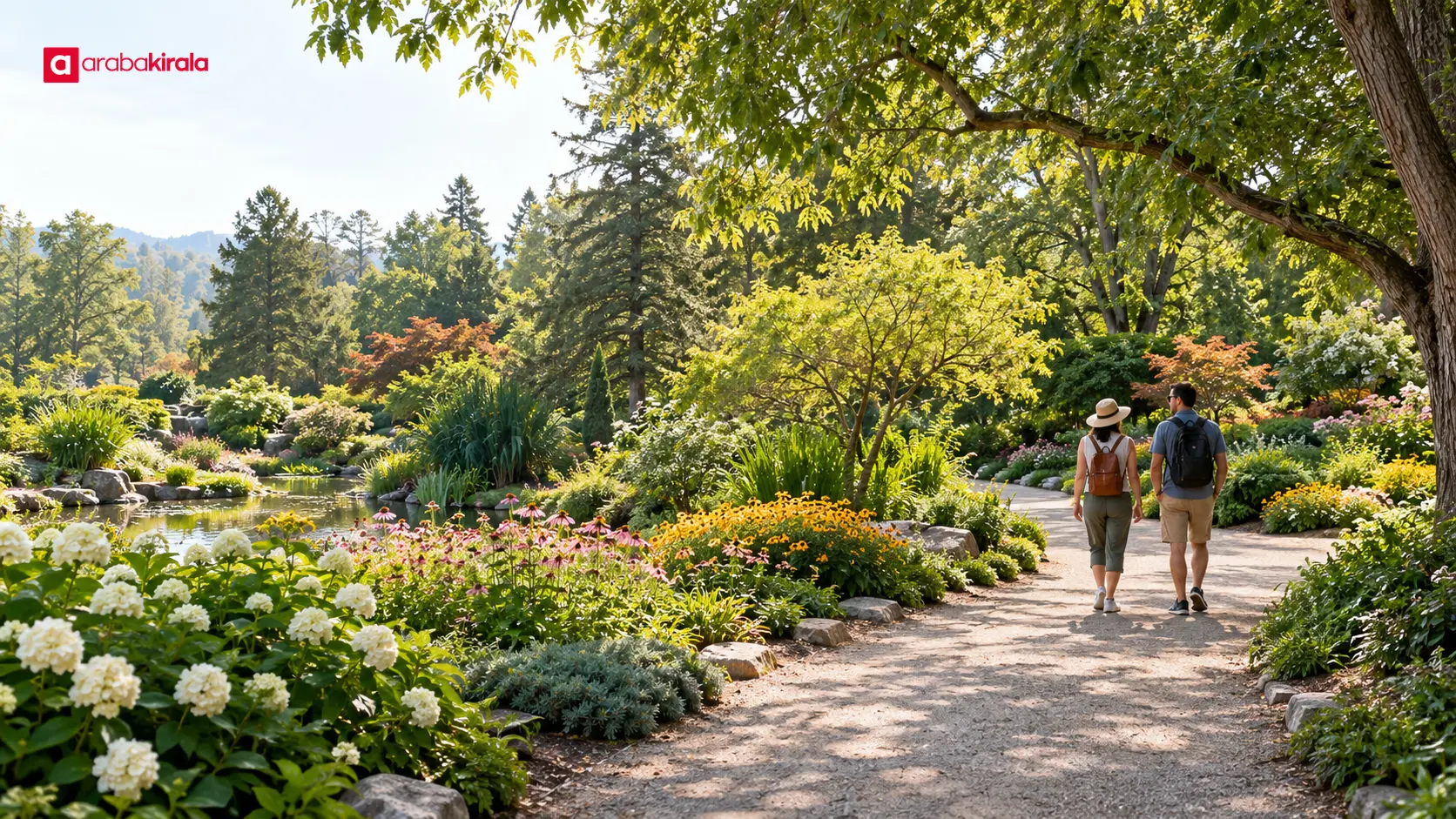
Plant collections are living, and some specimens are delicate. Touching leaves, picking flowers or stepping off a path can damage plants and may also affect visitor safety. Staying on marked routes, following barriers and signs, and leaving plant material in place are simple ways to show care. Even when casual photography is allowed, tripods, flash or commercial shoots may have separate rules; check the garden’s own information.
Policies on food, picnics, bicycles, strollers, pets and guided tours vary between gardens. Check the current rules for the place you plan to visit instead of assuming a general practice. Dispose of waste in appropriate bins and keep it out of ponds and planting beds. Take care on wet surfaces and follow staff directions in indoor areas.
Get more from observing the plants
Instead of rushing through every collection, spend time looking closely at a few plants from different angles. Leaf shape, stem texture, flower structure and growing conditions can offer clues about how a plant fits its habitat. Read labels for names and origin information when available. If a label is missing, use the garden’s guided tours or educational material rather than guessing. To follow seasonal change, photograph the same locations on different visits while keeping a respectful distance from plants and other visitors.
Marking shade, seating, restrooms and water points on a map can help you manage your energy. Before you go, find out whether there is a shorter route or indoor collection you can use if the weather changes. If you have accessibility needs, check current information directly with the garden about slopes, steps, surfaces and wheelchair access; paths may differ in these respects.
Finish the plan: a quick check and next step
A rewarding botanical garden visit comes from choosing a season that suits your interests, walking comfortably and observing with care, rather than relying on one specific flower. Before you leave, check seasonal updates, visiting hours and access details, and prepare for the weather and route. Once there, read the rules, leave plants undisturbed and choose a path that suits your pace. As a next step, review the official visitor page for your chosen garden and confirm your travel arrangements and visit date.
Frequently Asked Questions
What is the best season to visit a botanical garden?
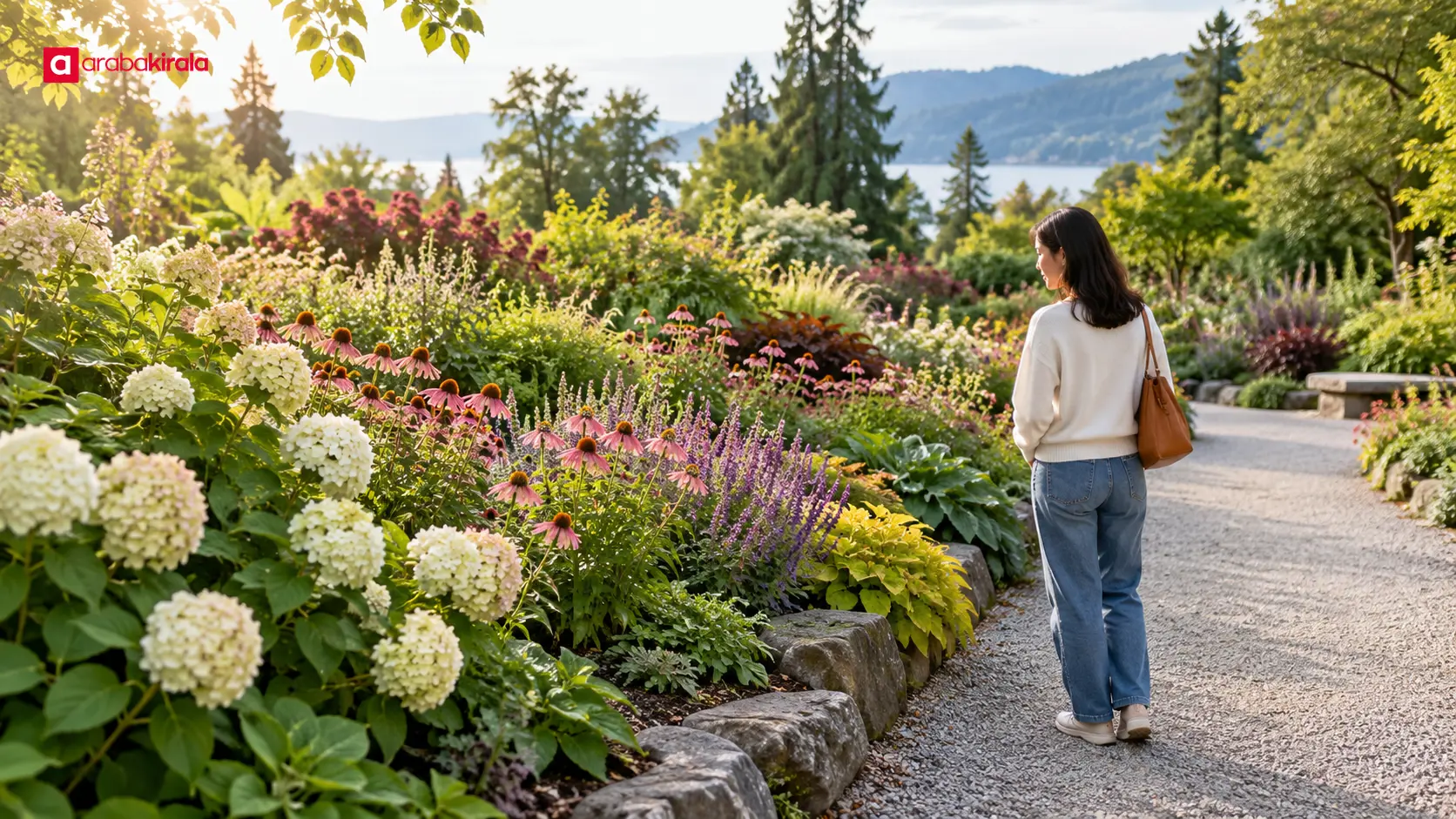
There is no single best season; it depends on what you want to experience. Spring may highlight new growth and flowers, autumn may bring leaf color and seeds, summer offers longer days, and winter can reveal plant structure. Check the garden’s current seasonal information for particular species.
How can I find out whether plants are flowering before my visit?
The garden’s official updates, collection pages or event information may describe seasonal developments. Flowering depends on weather and local conditions, so do not assume that a particular display will look a certain way on a fixed date.
How much walking should I expect?
The distance depends on the size of the garden, which collections are open and the route you choose. Review the map, pick priorities and include breaks so the route fits your group’s pace.
Can I bring food, a pet or a bicycle into the garden?
There is no universal policy; each garden sets rules to suit its layout and collections. Check the official visitor rules for the place you plan to visit before arriving.
Can I visit in cold or rainy weather?
Weather can affect opening status, access to some sections and walking safety. Check current visitor updates before you travel, and choose footwear and clothing that suit the conditions.
What should I keep in mind when taking photographs?
Keep paths and entrances clear, photograph without touching plants, and check any rules for equipment or commercial use. Respect other visitors’ privacy and the garden’s photography guidance.
Legal Disclaimer: All content, articles and information on the Araba Kirala website are provided solely to inform users. No information shared on this website constitutes definitive advice or guidance. Araba Kirala Teknoloji A.Ş. and its authors cannot be held responsible for any direct or indirect damages arising from the application of information on the website. For all questions and requests regarding car rental, please contact the office from which you will rent your vehicle.












