
Planning a Seasonal Observation Terrace Visit: Wind, Views and Access
Published: October 29, 2026 • Reading Time: 6 min • Last Updated: October 29, 2026
Plan an observation terrace visit around wind, visibility, access and opening information. Use practical preparation and safety guidance to make your outdoor itinerary more comfortable.
Contents
A useful observation terrace visit plan accounts for more than the view. Wind, visibility, access conditions and opening information all shape an outdoor visit. This guide explains how seasonal changes affect the experience and gives you a practical sequence for preparing, getting there and staying safe.
Assess the season and weather together
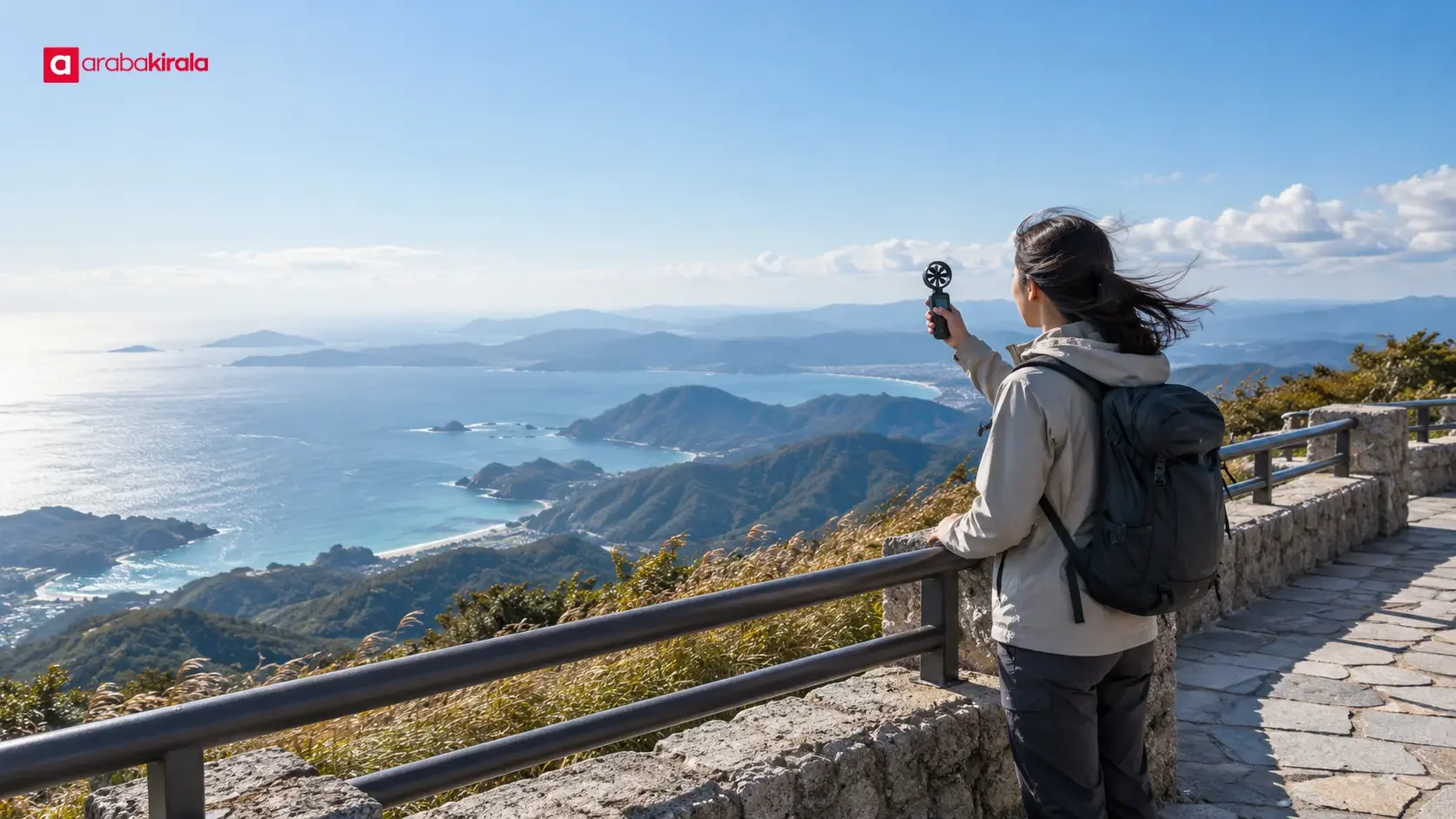
Observation terraces may be exposed, elevated or less sheltered than their surroundings. A forecast for the nearest town may therefore differ from conditions at the terrace itself. Consider wind, temperature, precipitation and cloud cover together. Conditions can shift quickly during seasonal transitions, so check a forecast close to your planned visit time instead of relying only on what you saw in the morning.
Wind can make it harder to stand comfortably or take photographs. In cold weather it can lower the temperature you feel; on hot days, shade may become more important. Rain can make surfaces slippery and obscure distant views. If the forecast includes a strong-wind or storm warning, check with the site operator about whether access is safe. Follow any current closure or safety notice.
Understand what affects visibility
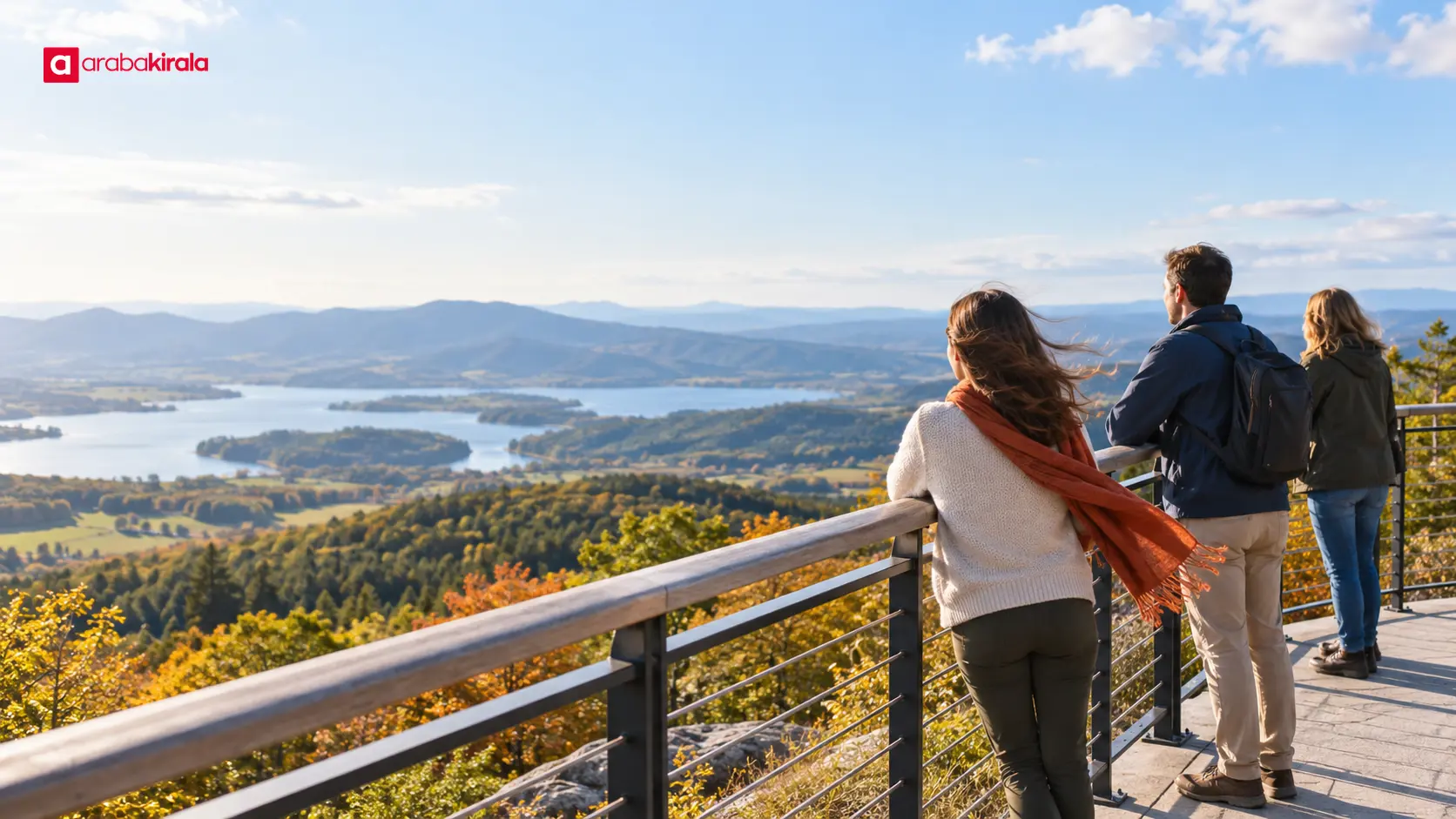
Clear views depend on more than sunshine. Fog, haze, rain, low cloud and airborne dust can obscure distant features. If the terrace looks toward a city, coastline or mountain landscape, visibility may also vary by direction. Check local forecasts and site updates, and remember that seeing a particular distant landmark clearly cannot be guaranteed.
Time of day affects the experience too. The direction of sunlight, shadows and crowd levels can change how comfortable it is to look out or take pictures. Rather than search for one universally “best” hour, choose a time that fits your purpose. If you plan to watch sunset, include the return journey, fading daylight and the site’s closing time in your schedule.
Check access before you set out
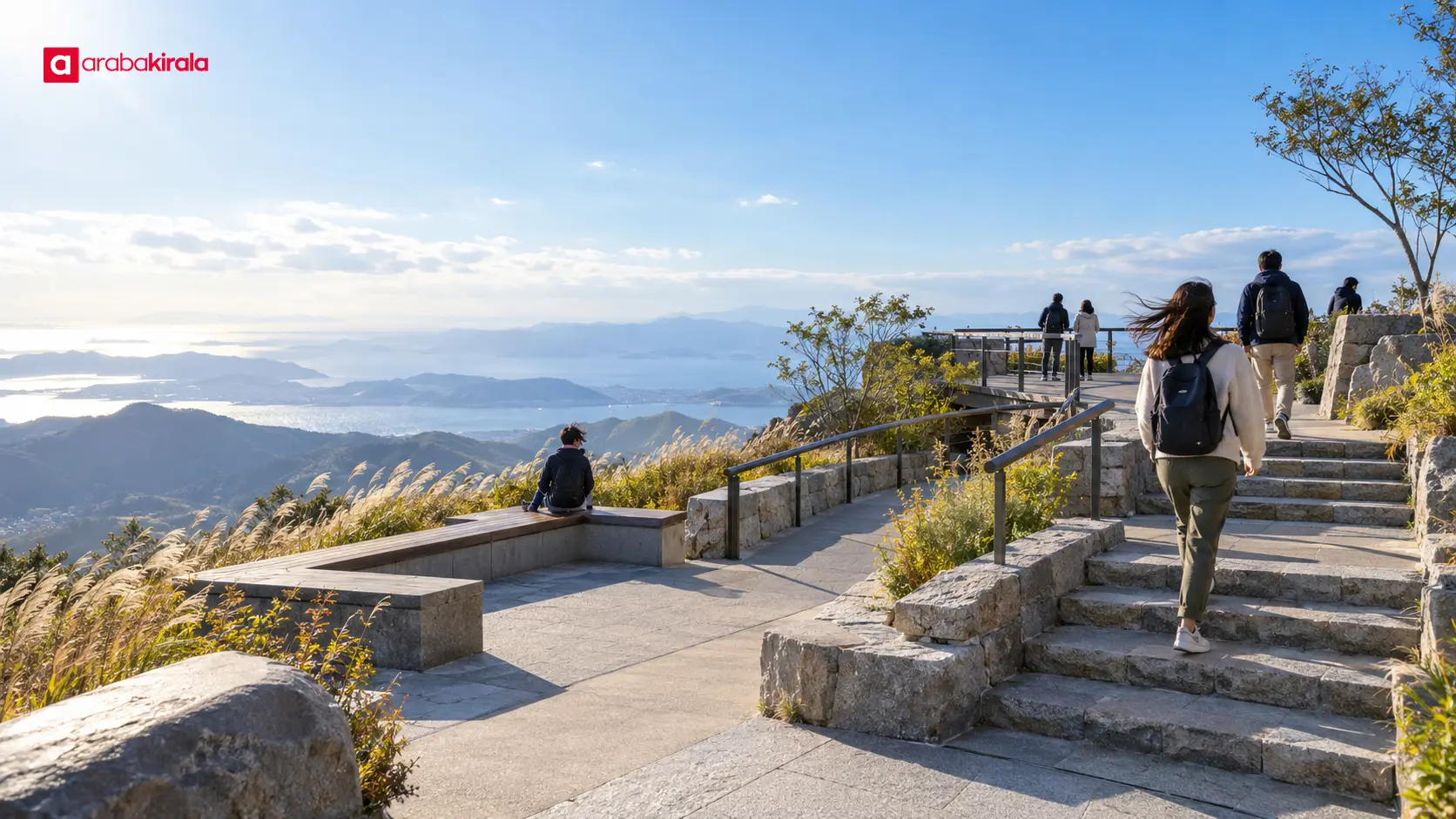
Being open to visitors does not mean every person can use the same route. Steps, ramps, narrow passages, lifts, closed sections and places to rest vary by location. If you have a mobility requirement or need to know the walking distance, contact the site operator for current route information. Do not rely solely on photographs or old visitor comments: maintenance and weather can affect access.
Plan transport around the entrance as well. If you are driving, find out about parking, the distance from the parking area to the site and the return route. For public transport or a walking approach, check the final connections, route lighting and alternatives if the weather changes. Visitors using a rental car to see several nearby places can map the journey and parking in advance, then confirm reservation and pickup details with the branch they plan to use.
Verify entry and opening information
Outdoor areas may change their hours or access because of maintenance, events, safety needs or weather. Check the official operator’s notice and entry information close to the date. For details that depend on your visit, such as tickets, reservations, fees or access to a particular section, contact the relevant operator directly. Do not treat a general search result as a current opening schedule.

Prepare for a comfortable and safe visit
Layered clothing is practical during seasonal changes: add a layer when it cools and remove one if the sun comes out. Choose shoes with good grip that are suitable for walking. A hat and sun protection help on bright days; a light rain jacket may help if showers are possible. If you expect to stay outdoors for a while, plan water and personal necessities for the length of your visit.
When taking photographs, do not climb on railings, extend devices beyond them or block other visitors’ paths. Tripods and large equipment may be restricted by site rules, so ask before bringing them. Keep children supervised near open edges and busy passageways. When the wind picks up, secure hats, scarves and light belongings.
- Check the forecast and any warnings close to your visit time.
- Review the operator’s current access, opening and entry notices.
- Choose walking shoes and clothing suited to the conditions.
- Plan the route, parking and return transport around the visit duration.
- Follow safety directions and respect any closed access boundary.
Adding a terrace to a day trip
A terrace stop may look brief, but allow time for transport, entry queues, walking and enjoying the view. If you add another nearby place to the same day, include travel time between sites and the walk from parking to the entrance. An overly tight schedule makes it harder to shift your visit when visibility is poor. Travelers coming from outside the area can map accommodation, transport and other stops together to reduce unnecessary backtracking.
If you are driving, decide on the route before setting off, check current road and parking information, and keep your attention on driving. Pull over only in a safe and permitted place to enjoy scenery or take a photograph; do not use a phone while the vehicle is moving. For a rental journey, confirm reservation-specific details such as mileage, pickup and return timing with the branch you intend to rent from. These details help you make a realistic itinerary; do not assume one service condition applies at every location.
Next step: verify conditions and simplify the route
Complete your plan under four headings: weather, visibility, access and transport. As the visit approaches, check the forecast and site notices again; if you have an access requirement, confirm the route with the operator. Then create a simple itinerary that includes nearby stops and your return journey. This preparation accounts for seasonal variables and helps you enjoy a safer, more comfortable outdoor visit.
Frequently Asked Questions
How can I tell whether the weather is suitable for an observation terrace?
No single weather measure is enough. Check temperature, wind, precipitation and cloud cover close to your planned time, and look for access advisories from the official site operator.
Is it safe to visit a terrace in windy weather?
Safety depends on wind strength and the terrace’s own rules. Follow the operator’s directions if there is a strong-wind or storm warning, and do not enter a closed area. Even when the terrace is open, leaning on railings or extending belongings beyond them is unsafe.
What time should I visit for the clearest view?
Visibility changes with fog, haze, cloud and rain, so no particular time guarantees a clear view. Check forecasts and site updates on the day, and factor daylight and return transport into your timing.
How do I confirm whether the terrace is accessible?
Ask the operator directly about steps, ramps, lifts and resting places. Describe your needs and confirm the route from the entrance to the viewing area, including any temporary restrictions.
What should I bring to an observation terrace?
Bring layered clothing suited to the season and forecast, comfortable walking shoes, and sun or rain protection if needed. If you will be outside for a while, plan water and any personal necessities as well.
What should I confirm when planning the visit with a rental car?
First plan the route, parking and return time. Confirm rental-specific details such as the reservation, pickup and return timing with the branch you intend to use, then build your outing around that information.
Legal Disclaimer: All content, articles and information on the Araba Kirala website are provided solely to inform users. No information shared on this website constitutes definitive advice or guidance. Araba Kirala Teknoloji A.Ş. and its authors cannot be held responsible for any direct or indirect damages arising from the application of information on the website. For all questions and requests regarding car rental, please contact the office from which you will rent your vehicle.












