
Seasonal Waterfall Trip Planning: Flow, Slippery Trails and Viewpoints
Published: October 30, 2026 • Reading Time: 7 min • Last Updated: October 30, 2026
Plan a waterfall visit around seasonal flow, weather, slippery ground, safe viewpoints and transport, with practical preparation for the trail.
Contents
- How seasons change a waterfall
- Spring and wetter periods
- Summer and dry periods
- Autumn and winter conditions
- Check conditions before setting out
- Walking safely on slippery ground
- Choosing a viewpoint and taking photos
- Transport and timing the day
- Pack for the walk and respect the area
- Quick waterfall trip checklist
- Summary and next step
- Frequently Asked Questions
Seasonal waterfall trip planning is about more than choosing a day with a beautiful view. This guide explains how seasons can affect water flow, what to consider on wet or slippery ground, how to choose safe viewpoints, and how to prepare for the journey.
How seasons change a waterfall
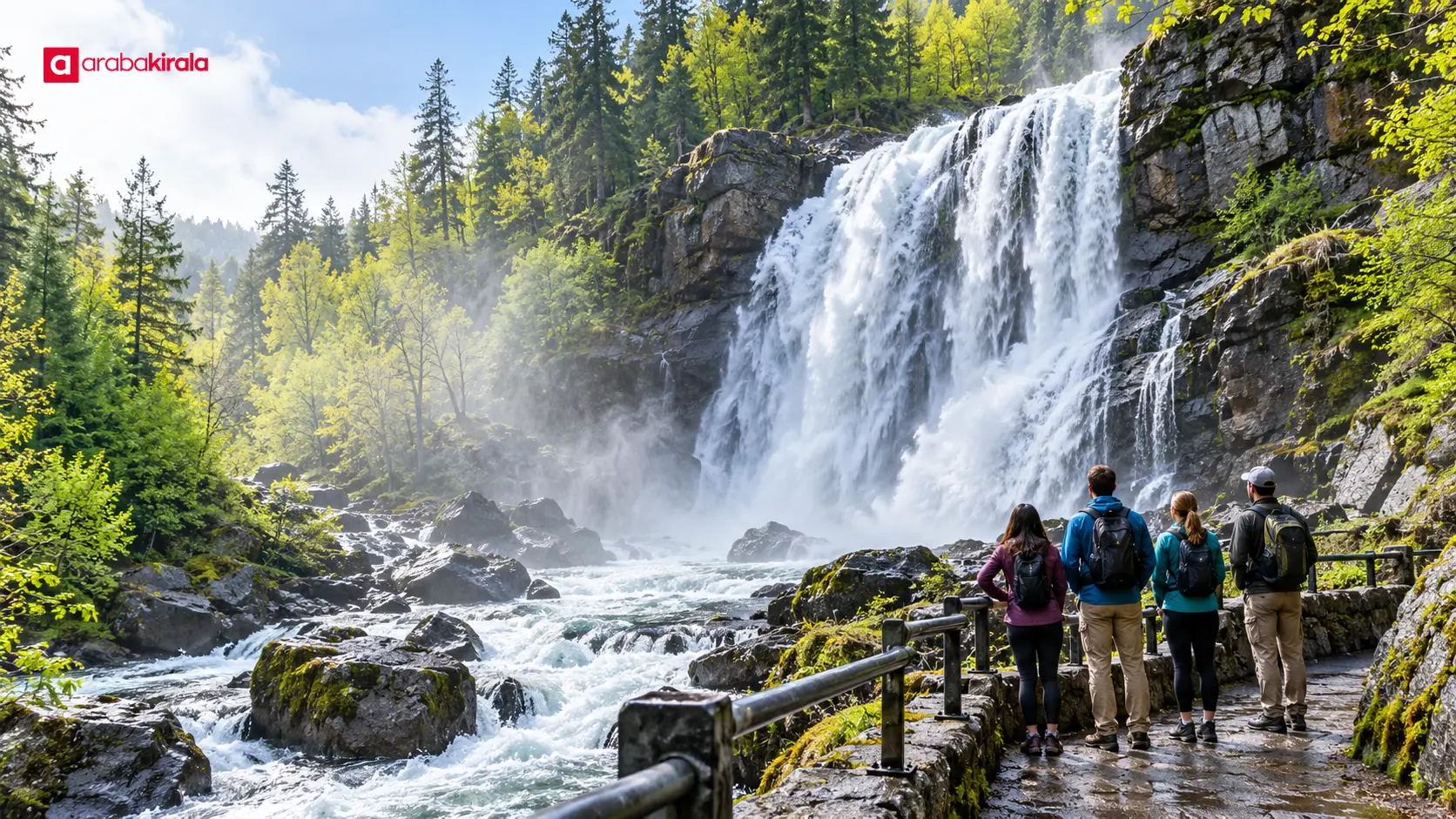
A waterfall’s flow is connected to rainfall, snowmelt, the shape of its catchment and the streams or springs that feed it. Two waterfalls in the same region may therefore look very different in the same season. At one location, a wet period and a dry period can also bring noticeably different scenery and trail conditions. Treat the season as a starting point, then check current notices from the park, local authority or site manager.
Spring and wetter periods
Flow may increase when rain is frequent or snow is melting. The sound and spray can make the waterfall striking, while nearby soil becomes softer and rocks stay wet. Higher water can also affect stream crossings and areas close to the edge. When flow is strong, observe from designated viewpoints instead of trying to get closer to the water.
Summer and dry periods
Dry weather can reduce the amount of water reaching a waterfall; smaller streams may weaken as the season continues. Less water does not guarantee a dry trail. Shaded sections, stones reached by spray and mossy surfaces can remain slick. Sun and heat also affect comfort, so an early start, enough drinking water and shaded breaks may help.
Autumn and winter conditions
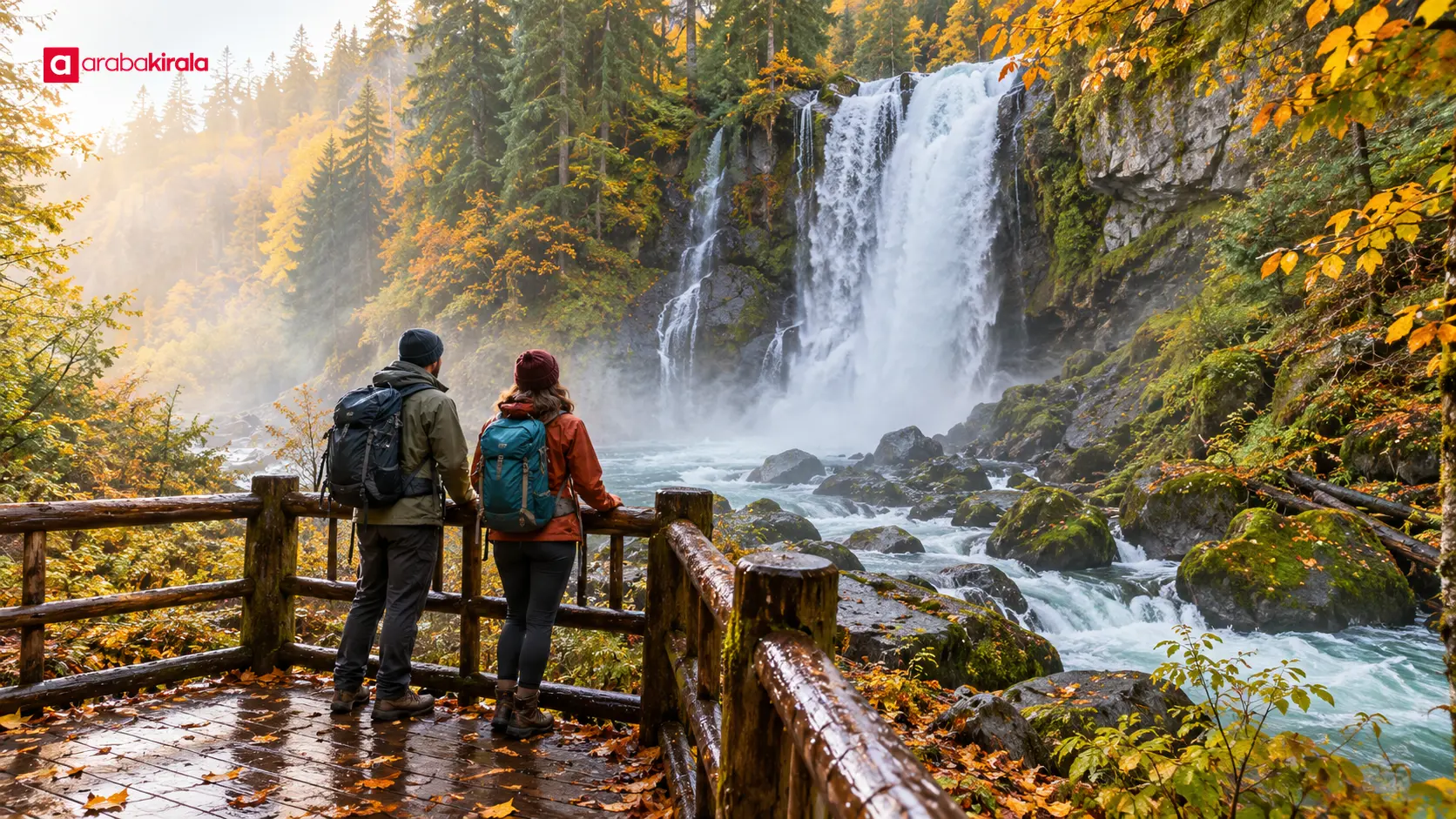
In autumn, rain and fallen leaves can conceal mud or stones. In winter, cold, ice and shorter daylight hours may make a walk more difficult. Ice near a waterfall can look like a stable step from a distance, but walking on it or approaching it is hazardous. Follow closures and warnings from the site manager; postpone the visit when conditions are unsafe.
Check conditions before setting out
Rather than relying only on waterfall photos, look for dependable information close to your travel date. Whether the park is open, whether work is affecting a trail and whether weather alerts are in force can change the plan. Check the forecast for the actual route: conditions at a nearby town may not represent a high trail or a mountain valley.
- Check rain, temperature, wind and sunset time for both the outward and return portions of the day.
- Look for official notices about trail closures, flood risk or access restrictions.
- Review the route length, elevation changes and stairs in information published by the site manager.
- Carry an offline map or saved route in case mobile coverage drops out.
Allow for conditions to change during the day. If sudden heavy rain, rising water or thunder begins, move away from the water’s edge and exposed viewpoints, and follow a safe, officially designated route. Waiting in a flood prone streambed or attempting to cross it is an unnecessary risk.
Walking safely on slippery ground
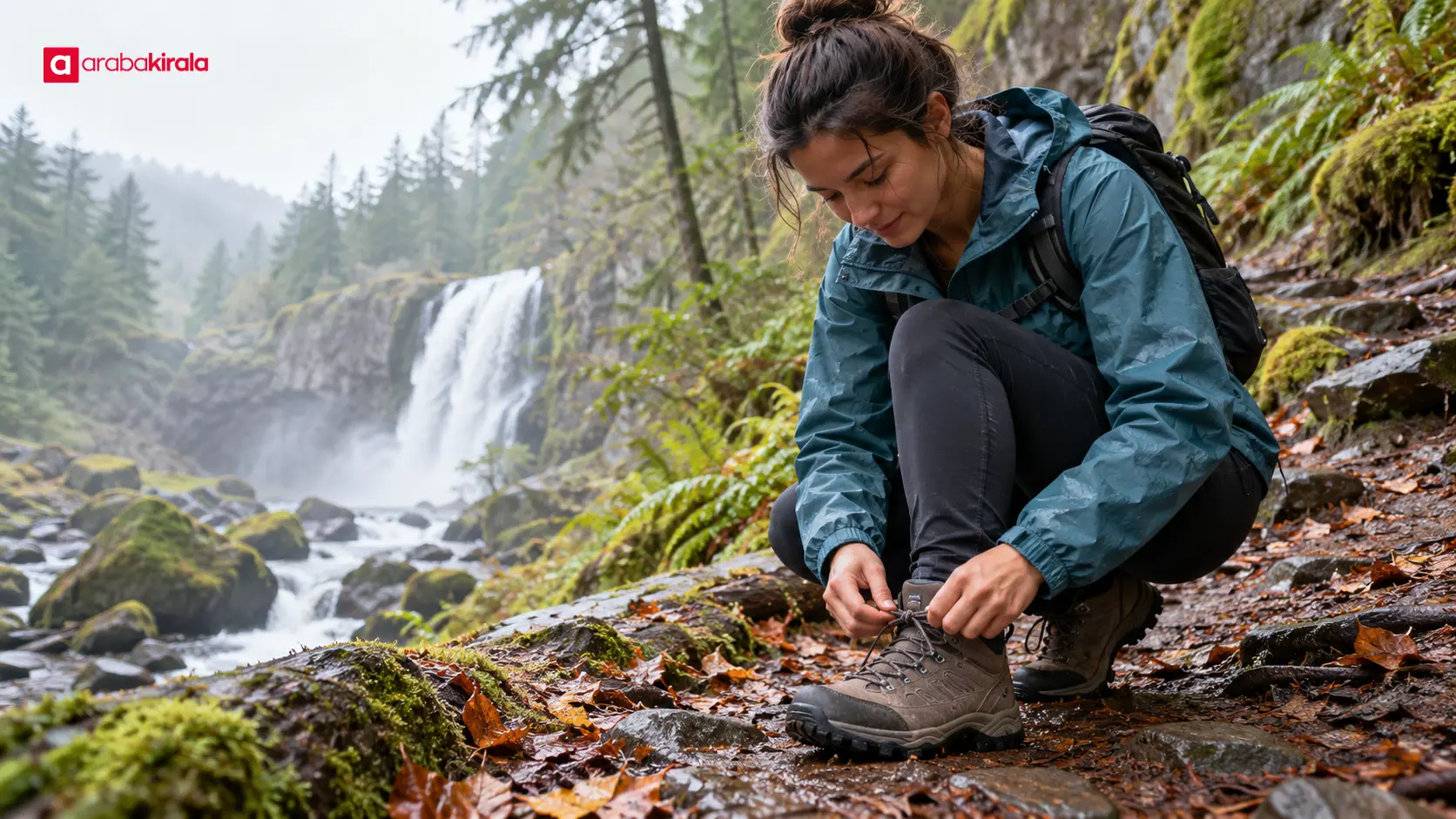
Spray, mud, leaves and moss can reduce grip around a waterfall. Flat everyday shoes may offer too little support on sloping rock or steps. Choose well fitting footwear intended for walking, with a sole that is not worn down. A rain jacket or water resistant outer layer can improve comfort in cool spray or unexpected rain, but it does not remove the risk of slipping.
Take short steps, watch the ground before picking up speed and keep belongings secure while walking. Use a railing for balance where one is provided, and do not cross it. Avoid stepping onto wet rocks to take a photo or entering areas not designated for water access. A current that looks shallow can still be powerful, and its bed may be slippery.
Choosing a viewpoint and taking photos
The best viewpoint does not have to be the closest one. Official platforms and marked trails help visitors observe the scenery from a controlled distance. In high flow, spray may reach farther; wind can carry it toward a lookout. A protective case for a phone or camera and a microfiber cloth for the lens can be useful.
At a busy viewpoint, avoid blocking others’ view for a long time, sitting on railings or narrowing the path with a tripod. Climbing a rocky outcrop for a different angle can create a risk of falling or dislodging stones. Stay in designated viewing areas and avoid trampling plants or sensitive banks.
Transport and timing the day
Waterfalls are often outside city centres, where public transport may be limited. Plan the approach, the parking area, the trailhead and the return journey, not just the destination. If you are driving your own or a rental vehicle, ask the branch you will use about reservation specific details such as route suitability, available equipment, and pickup or return arrangements. These details can vary by location and booking; do not assume a particular condition.
Use official site information to confirm whether the final road section is paved, how far parking is from the trail and when access is permitted. Plan driving so that fatigue does not build up, and account for sunset and rest stops on the way back. Keep to roads where vehicles are allowed and follow parking instructions to protect both visitors and the natural area.
Pack for the walk and respect the area
Adjust your pack to the season and the length of the walk. Drinking water, weather appropriate layers, basic first aid supplies, a phone power source and a bag for carrying out waste are practical essentials. Check local rules on fires, picking plants and leaving food. Do not feed wildlife; keep food sealed and take all rubbish with you.
Before setting out, telling someone your route and approximate return time is a useful safety habit, especially on quiet trails. Agree on how you will check in if you do not return as planned. In a group, walk at a pace that suits the slowest person, take breaks together and keep children under close supervision near water.
Quick waterfall trip checklist
- Check the current forecast and official site notices.
- Confirm that the route is open and its length and difficulty suit your group.
- Prepare suitable grippy footwear, weather appropriate layers and enough drinking water.
- Leave enough daylight for the return and be ready to shorten the route.
- Stay on marked trails and at designated viewpoints; follow warnings about water access.
- Confirm site access and parking with the official source, and booking specific transport details with the branch you will rent from.
Summary and next step
Season affects a waterfall’s flow, visibility and trail surface at the same time; there is no single best season for every visitor. Check current weather and site information, dress for slippery ground, use designated viewpoints and leave enough daylight for the return. As a next step, review the waterfall’s official notices and plan your transport and walking time around the conditions.
Frequently Asked Questions
What is the best season for a waterfall trip?
It depends on what feeds the waterfall and what you want from the visit. If you want stronger flow, research periods of rainfall or snowmelt; if you prefer a calmer walk, assess trail and weather conditions as well. A current site notice and forecast are more useful than a broad seasonal rule.
Can I visit a waterfall when it is raining?
Some open trails may be usable in light rain, but do not continue if there is heavy rain, a flood warning, thunder or a trail closure. Rain increases the risk from wet stone and mud. Follow site safety notices and turn back if conditions deteriorate.
What shoes should I wear near a waterfall?
Choose walking footwear that supports your feet and has a sole that is not worn out. Tread alone cannot guarantee grip on wet rock, so avoid mossy stones and stay on the designated path.
Is it safe to enter waterfall water?
Do not assume swimming or entering the water is permitted at every waterfall. Currents, depth, submerged rocks and sudden changes in water level can create hazards. Use only areas officially designated for water access, and follow local warnings and staff instructions.
What should I consider when visiting a waterfall with children?
Choose an open route suited to the children’s age and walking experience. Keep them close near the water, explain that they must not cross railings or climb rocks, and be ready to shorten the route if weather or tiredness becomes an issue.
What should I plan for a waterfall trip by car?
Confirm the road and parking location through official sources, and check access information with the site manager. If you are renting a vehicle, ask the pickup branch about your route, pickup and return arrangements, and other booking specific details. Include sunset and rest stops in your return plan.
Legal Disclaimer: All content, articles and information on the Araba Kirala website are provided solely to inform users. No information shared on this website constitutes definitive advice or guidance. Araba Kirala Teknoloji A.Ş. and its authors cannot be held responsible for any direct or indirect damages arising from the application of information on the website. For all questions and requests regarding car rental, please contact the office from which you will rent your vehicle.












