How Spare Part Availability Affects Vehicle Maintenance and Lifespan
Published: October 25, 2026 • Reading Time: 6 min • Last Updated: October 25, 2026
Learn how access to replacement parts affects maintenance timing, repair quality, and vehicle lifespan, with practical steps for identifying compatible parts and managing delays.
Contents
- What does spare part availability mean?
- How access to parts affects maintenance timing
- Why the right part matters for vehicle lifespan
- Part types and what to check when choosing one
- Managing a maintenance delay
- What should a rental driver know about part access?
- Conclusion: a practical next step
- Frequently Asked Questions
Automotive spare part availability affects whether maintenance can be completed on time, whether a fault is repaired correctly, and whether connected components work together as intended. This guide explains why a part may take time to source, why appearance alone cannot confirm fit, and which records and questions help vehicle owners manage maintenance delays.

What does spare part availability mean?
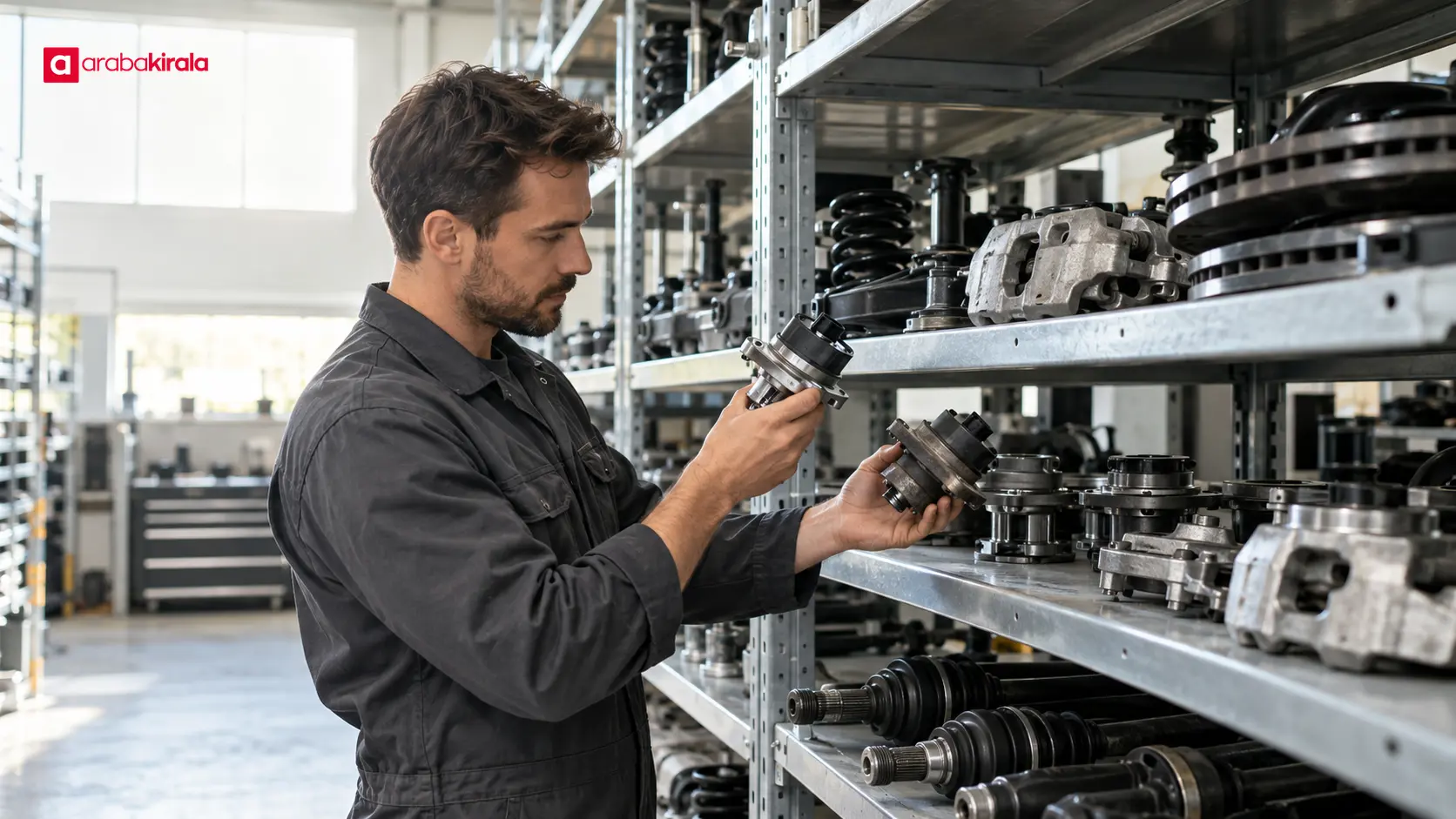
Availability means more than finding a product that looks similar on a shelf. The part must be technically compatible with the vehicle, obtainable within a useful timeframe, and supported by the information and equipment needed for installation. Filters, belts, brake components, and electronic modules have different functions and selection criteria.
The make and model are useful starting points, but they may not identify the correct part by themselves. Model year, engine, trim, production series, or vehicle identification number can distinguish variants within the same model family. A repairer can use the VIN in a parts catalogue to confirm the match. This reduces the chance of ordering an incorrect component and repeating removal and installation work.
How access to parts affects maintenance timing
Planned maintenance follows the schedule in the owner’s manual and may also reflect how the vehicle is used. When the required filter, fluid, or other component is ready, the service appointment and completion of the work are easier to coordinate. If a part is pending, the repairer may recommend a revised schedule based on the vehicle’s condition. Waiting time alone does not show how serious a fault is: the supply route, vehicle configuration, and need for technical verification can also affect timing.
A delay in a part needed for a repair can keep the vehicle at a workshop longer or require the work to be completed in stages. In some cases, continued driving may not be appropriate. That decision should follow a technical assessment of the fault. Drivers should not ignore a warning light or unusual sound and carry on as usual. If there are signs affecting brakes, steering, tyres, lighting, or engine temperature, stop somewhere safe and seek professional assistance.
Why the right part matters for vehicle lifespan
A compatible part with the correct specifications is designed to function within its system. A mismatch in dimensions, connections, electrical values, or material properties can prevent proper seating, trigger warnings, or place extra strain on related components. The fact that a part can be physically fitted does not prove that it is technically correct.
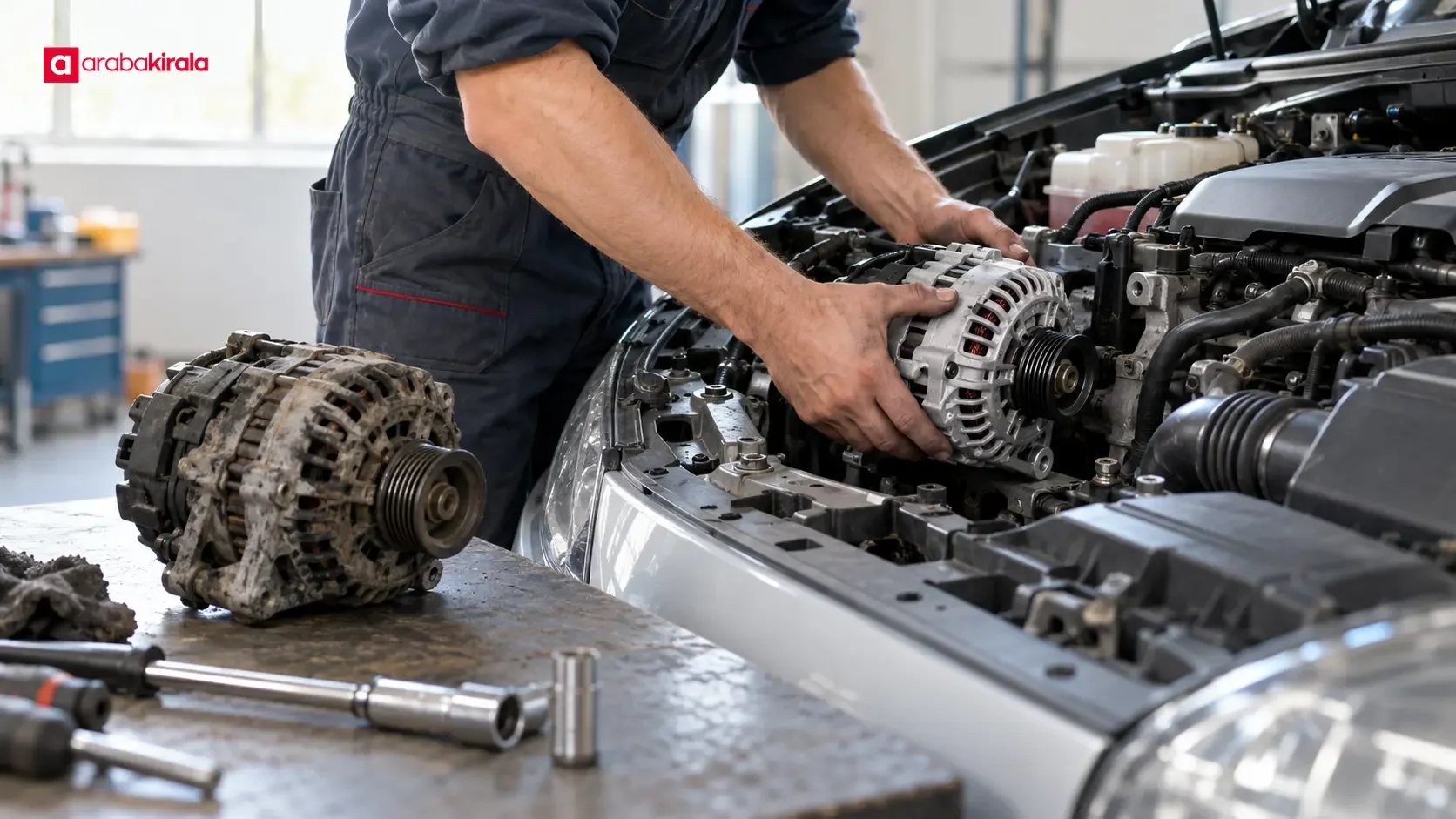
Repair quality depends on more than the component itself. Installation method, any required adjustment or software pairing, the condition of surrounding parts, and checks after the work all matter. Electronic systems may require diagnostics, coding, or calibration after a replacement. A repairer should verify compatibility using the part number and technical information, then record the work in the service history.
Easy access to parts does not by itself guarantee a long vehicle life. Skipped maintenance, demanding use, unsuitable fluids, or an unresolved fault elsewhere can accelerate wear. Parts access is one condition that makes maintenance possible; vehicle lifespan reflects maintenance, use, and repair quality together.

Part types and what to check when choosing one
Depending on the need, a repairer may consider a manufacturer specified part, an alternative with equivalent technical characteristics, or a repairable component. Suitability depends on the part’s safety role, technical requirements, the vehicle’s warranty situation, and local conditions. Labels such as “original,” “equivalent,” or “reconditioned” are not a complete quality assessment. Ask about the product’s identity, fit, and traceability.
- Ask which diagnostic finding supports replacement and whether the removed part was inspected.
- Request an estimate that separates the part, labour, and any additional work.
- If an alternative is proposed, ask how its compatibility with the vehicle’s specifications was confirmed.
- For an electronic component, check whether diagnostics, coding, or calibration are required after installation.
- If the part cannot be sourced, discuss the limits and implications of repair, waiting, or another suitable option.
Managing a maintenance delay
Start by recording the maintenance schedule and symptoms. Note when a dashboard warning appeared, under what conditions a sound occurred, and how the vehicle was being used. These observations help a repairer assess the issue; they are more useful than trying to diagnose the fault yourself.
Before booking, share the vehicle’s identifying details and the reason for service. Confirm that the order is for the correct vehicle, ask for an estimated supply time, and ask whether the vehicle can be driven safely while the part is pending. Timing depends on supply and stock conditions, so an estimate may change. Follow the technician’s advice about driving during the wait.
Keep invoices, part numbers, and records of the work. They show which component was installed, help explain a recurring fault, and make it easier to identify the correct replacement later. If the vehicle is sold, consistent records also give its next owner concrete information about maintenance history.
What should a rental driver know about part access?
Using a rental vehicle differs from managing a vehicle’s long-term maintenance plan. The driver’s priority is to use the vehicle safely and report a problem promptly. Before setting off, pay attention to dashboard warnings and the vehicle’s visible condition. During use, do not force a vehicle that shows signs of a fault; contact the branch from which you rented it.
Procedures for roadside assistance, a replacement vehicle, or repair can depend on the rental arrangement and the situation. Before a trip, especially a long one, ask the branch you plan to rent from how to report a fault and what support process applies. That information helps you plan realistically without assuming a particular company policy.
Conclusion: a practical next step
Automotive spare part availability influences maintenance timing and the repair process. Vehicle lifespan depends on correct part selection, proper installation, regular maintenance, and safe use working together. Give the repairer complete vehicle details, ask how fit is verified, and keep a record of the work. If a fault may affect safety, base the decision to drive while waiting for a part on a technical assessment.
Frequently Asked Questions
How can I tell whether a replacement part fits my vehicle?
Comparing its appearance or model name is not enough. The repairer should check the VIN and vehicle configuration against a parts catalogue and, where needed, technical information. Asking for the part number to be included in the work order also helps with future records.
Can I drive while waiting for a part?
That depends on the part’s function and the safety effect of the fault. Problems involving brakes, steering, tyres, lighting, or overheating can affect safe driving. Ask the repairer for a clear assessment of whether the vehicle is roadworthy; do not drive it if there are serious symptoms.
Will an alternative part shorten my vehicle’s lifespan?
Being an alternative does not by itself show whether a part is suitable. Technical compatibility, product quality, installation, and the vehicle’s relevant requirements should be considered together. Ask the repairer to explain the specifications used to select it.
Why do parts lead times vary?
Matching a part to the vehicle, stock conditions, the supply route, and any necessary technical verification can affect timing. Ask for an estimate and the plan if the part is delayed, while treating the estimate as a forecast rather than a guaranteed arrival date.
Which maintenance records should I keep?
Keep the date, odometer reading, work performed, part name or number, and service paperwork. Notes on when symptoms began can also help when a recurring problem is assessed.
Legal Disclaimer: All content, articles and information on the Araba Kirala website are provided solely to inform users. No information shared on this website constitutes definitive advice or guidance. Araba Kirala Teknoloji A.Ş. and its authors cannot be held responsible for any direct or indirect damages arising from the application of information on the website. For all questions and requests regarding car rental, please contact the office from which you will rent your vehicle.