
Sun and Walking Prep for Visiting Coastal Archaeological Sites in Summer
Published: October 26, 2026 • Reading Time: 8 min • Last Updated: October 26, 2026
A practical guide to planning a summer visit to a coastal archaeological site, with advice on sun protection, water, footwear, walking pace, and respectful access to fragile remains.
Contents
- Why a summer site visit takes some planning
- Plan for sun and warm weather
- Choose a time and set a realistic visit length
- Use more than one form of sun protection
- Water, bag, and rest breaks
- Choose footwear for stone and uneven ground
- How to visit archaeological remains respectfully
- Confirm transport and visitor details before you go
- Final steps for a comfortable, considerate visit
- Frequently Asked Questions
Summer visits to coastal archaeological sites can involve strong sun, warm stone surfaces, and more walking than expected. This guide explains how to plan the time and route, prepare water and sun protection, choose suitable footwear, and move around fragile remains responsibly. Checking the site’s current visitor information before setting out is part of being prepared.
Why a summer site visit takes some planning
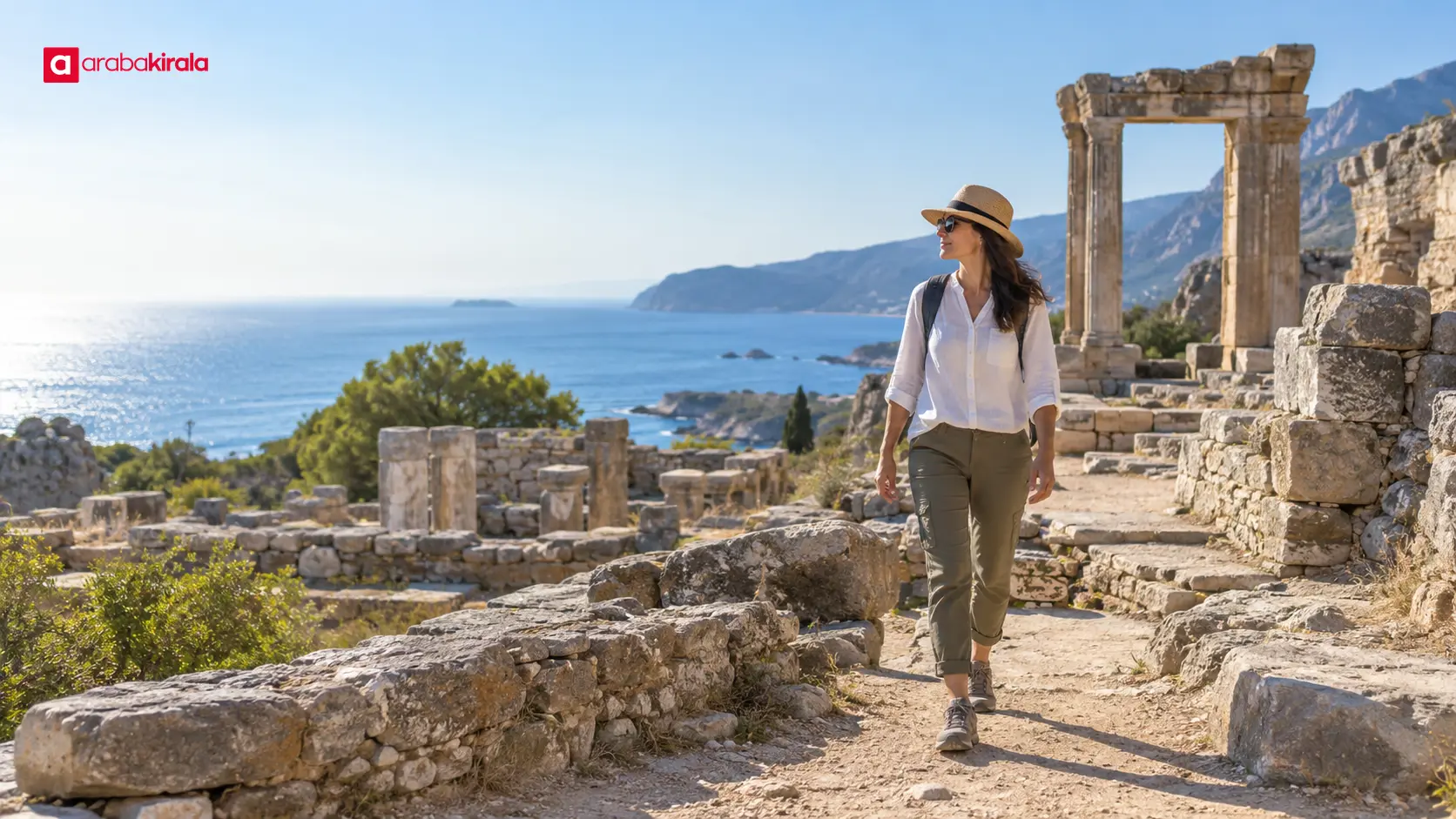
Archaeological sites may cover a broad area, with open paths, stone steps, uneven ground, and slopes between points of interest. A coastal location does not guarantee cool conditions. Sea breezes may make the air feel more comfortable, but they do not remove exposure to sunlight. On a bright day, pale stone can reflect light, while shade may be limited or unevenly distributed along the route.
Plan around more than the apparent distance. The time spent outdoors, terrain, opportunities to rest, and access to water all affect how a walk feels. A route that looks short on a map can take more effort when it includes steps, stops, and hot conditions. The aim is to explore at a pace that lets you stay comfortable and attentive, rather than trying to cover every point quickly.
Plan for sun and warm weather
Choose a time and set a realistic visit length
Walking during cooler parts of the day can make time outdoors more comfortable. Check a current local forecast and consider the expected temperature, hours of stronger sunshine, wind, and any rain advisories. Forecasts can change, so checking again before departure is useful. Opening times, access to specific sections, and services on site vary; consult the site’s official visitor information for current details.
If a map or visitor guide is available, identify the sections you most want to see before arriving. Prioritizing stops can help you avoid wandering without a plan as the day warms up. Break the visit into manageable stretches, with time to pause between them. Do not assume that shaded places are available throughout the grounds; if the published information does not show rest areas, ask at the entrance about options.
Use more than one form of sun protection
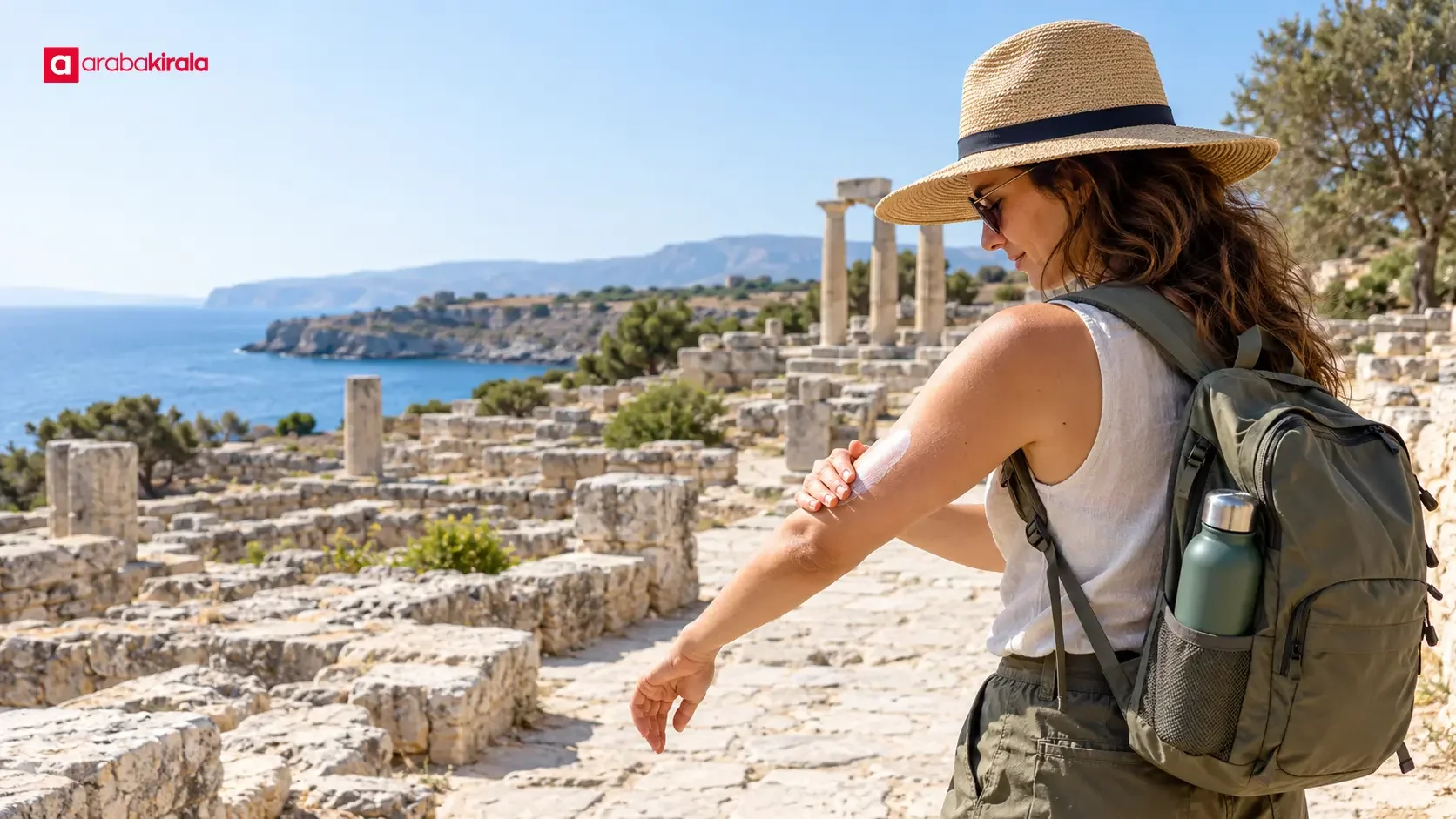
A wide brimmed hat or other head covering that shades your face, sunglasses, and light clothing that covers exposed skin are useful choices for an open site. Breathable fabric that allows you to move freely is easier to wear while walking. Apply sunscreen according to its label, and follow its directions about reapplication during sweating or extended time outdoors. One measure may not be enough on its own: seeking shade, taking breaks, and limiting time in direct sun are also part of preparation.
A breeze by the sea can make your skin feel cool. That sensation does not mean sun protection is unnecessary. Consider exposed areas such as your face, ears, neck, and hands. Avoid heavy layers that make walking uncomfortable; a light covering can help with sun exposure and provide a barrier against minor scrapes on rough paths. If you have a health concern or a question about a product that affects your choice of protection, ask a health professional.
Water, bag, and rest breaks
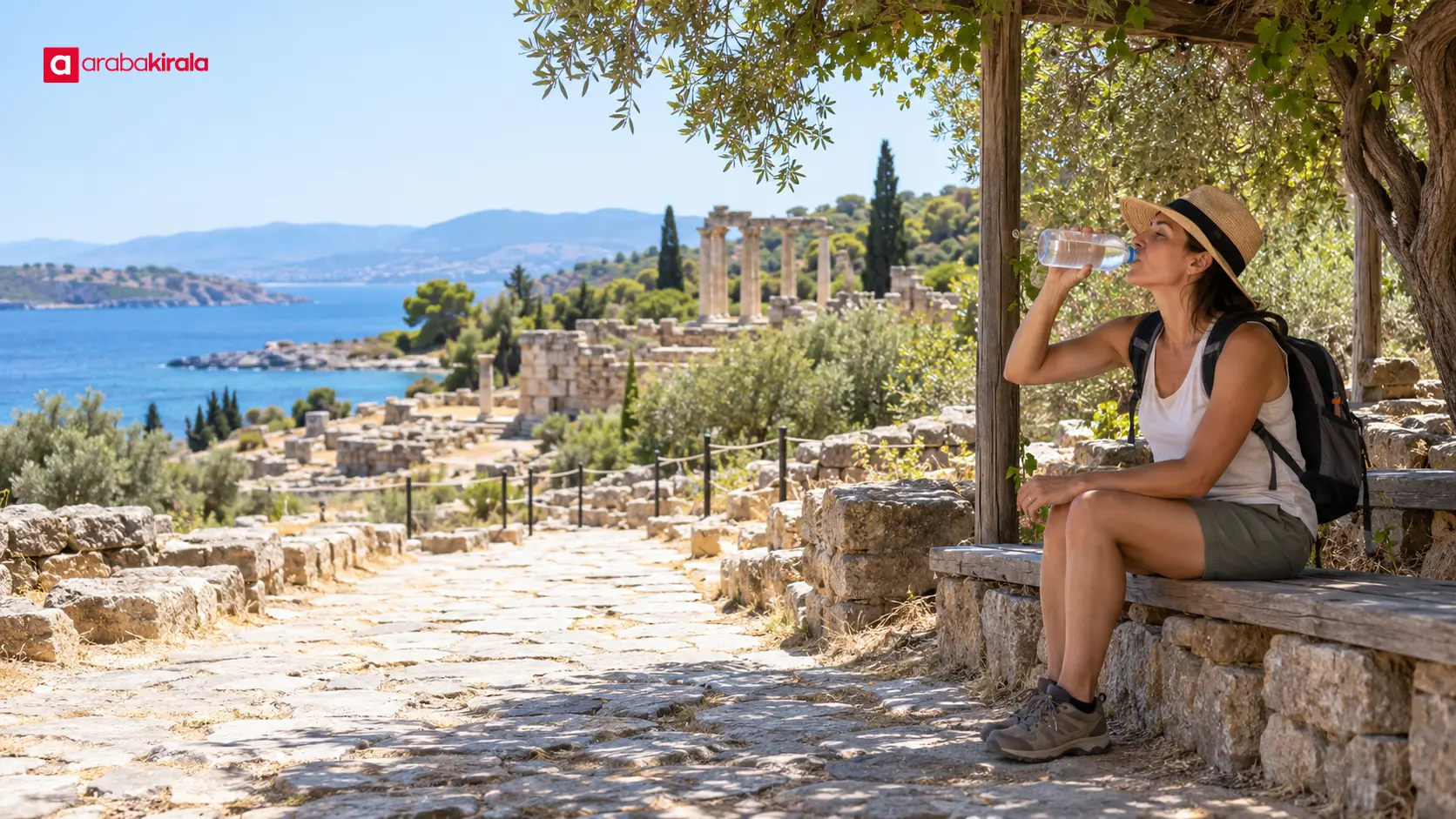
Bring enough drinking water for your visit. The amount each person needs depends on the weather, length and effort of the walk, and individual needs, so there is no single quantity that suits everyone. Keep water somewhere easy to reach and remember to drink regularly rather than waiting until you feel very thirsty. Do not count on being able to buy or refill water at the site; check official visitor information or ask staff before relying on that option.
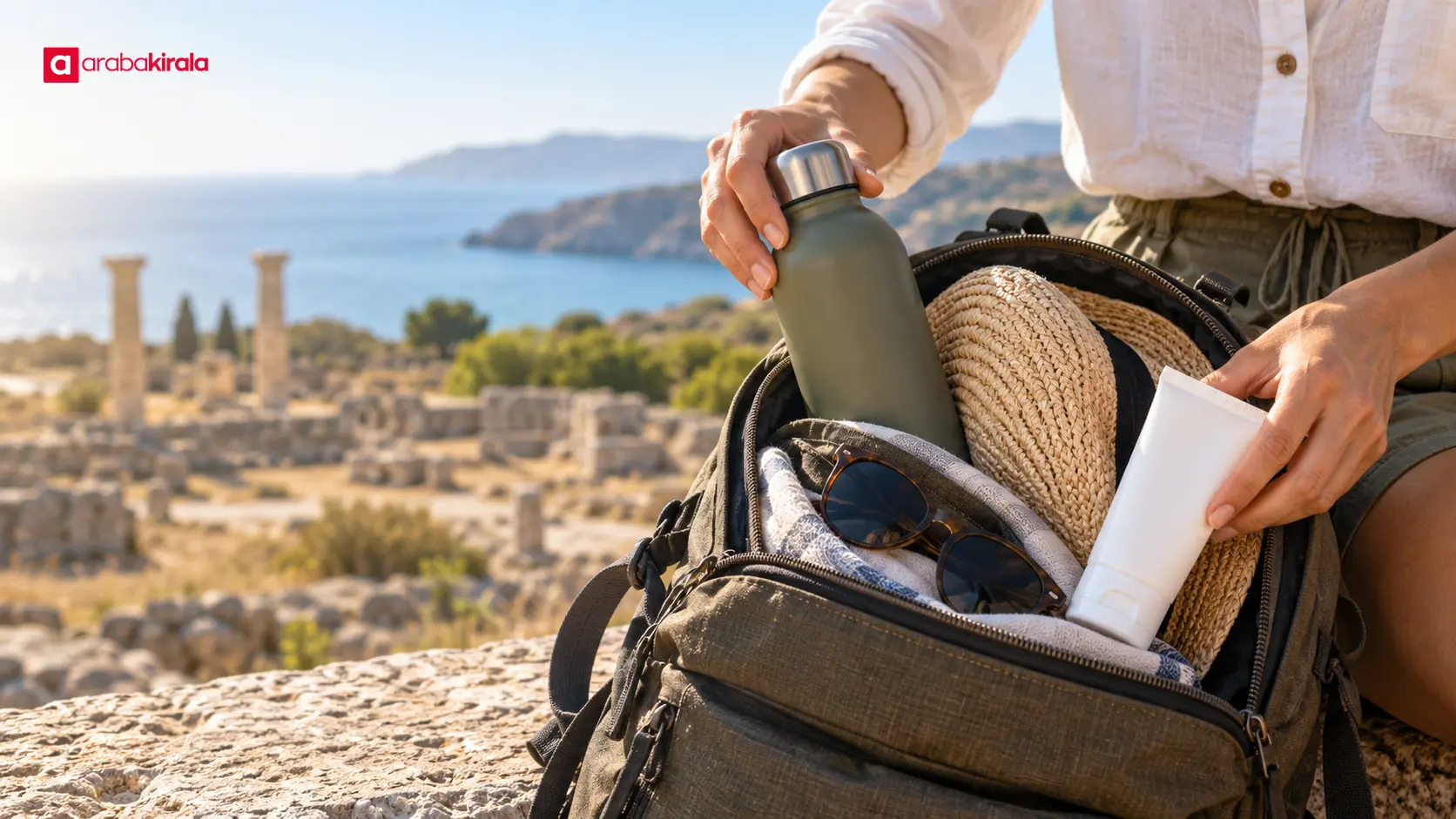
A light backpack makes it easier to carry water and essentials such as sunscreen. Depending on your needs, you might also pack a snack, sunglasses, a hat, tissues, and a small first aid kit. Choose items you expect to use instead of filling the bag until it becomes a burden. If you plan to use your phone for maps or photos, check its battery and consider whether you need offline access. Do not assume that mobile reception or charging facilities will be available around the grounds.
Build pauses into your route instead of waiting until you are exhausted. Rest in the shade when it is available, and adjust the order of your stops to avoid waiting in direct sunlight. Do not ignore dizziness, nausea, unusual weakness, muscle cramps, or feeling unwell. Stop walking, move to a cooler place, and ask for help; seek urgent assistance if symptoms are severe. Do not push yourself to continue the visit.
Choose footwear for stone and uneven ground
The surface at an archaeological site may be very different from a smooth city pavement. Stone paving can be worn or slippery, steps may be uneven, and paths can be sloped or dusty. Choose shoes that hold your feet securely, have a sole suitable for walking, and are already comfortable for you. Wearing unfamiliar shoes for the first time on a long day can cause discomfort or blisters. Loose footwear and flip flops can make it harder to keep your footing on uneven ground.
Base your choice on the kind of route you expect, including paths, steps, possible muddy patches, or any beach section. Slow down on slick surfaces, take steps carefully, and stop walking before taking a photo. Do not cross barriers or enter closed routes. Follow staff directions and site closures; using a restricted section as a shortcut can put both visitors and protected remains at risk.
How to visit archaeological remains respectfully
Stone blocks, mosaics, walls, and buried finds can be fragile. Climbing on them, shifting pieces, carving into surfaces, or taking objects as souvenirs can cause damage. Staying on designated paths helps protect remains from physical contact. Do not cross a barrier or step onto a protected surface to get a different photo angle. Follow the site’s published rules for photography and equipment.
Carry your rubbish with you and dispose of it only at appropriate waste points. Reducing single use packaging can also keep your bag lighter. Special activities or equipment, such as drones, tripods, or commercial photography, may have access or permission requirements; do not assume they are allowed. Check the site’s own notices. If a guided visit or museum section is available, learning on site can help you understand what the remains are and why their care matters.
Confirm transport and visitor details before you go
Coastal sites may sit outside town centres or be spread across different settlements. When planning a route, account for the return journey as well as arrival, parking and pedestrian access, visitor hours, and the breaks you may need during the day. If you are travelling by rental car, ask the branch you will rent from about reservation specific details such as the route, vehicle collection, and return time. Do not assume vehicle arrangements, site rules, or services are identical everywhere. If you feel tired while driving, stop somewhere safe and take a break.
A short checklist can reduce last minute rushing:
- Check the site’s official visitor information for hours, access, and current notices.
- Review the forecast and plan clothing and visit length accordingly.
- Choose comfortable, secure footwear and clothing that helps shield you from the sun.
- Pack water and a light bag with items for your personal needs.
- Choose priority stops and leave time for breaks and the return journey.
- Confirm route, transport, and rental reservation details with the relevant organization or branch.
Final steps for a comfortable, considerate visit
Preparing for a summer visit to an archaeological site starts with choosing a suitable time, setting a realistic walking plan, bringing water, protecting yourself from the sun, and wearing footwear suited to the ground. Check current visitor information, tailor the route to your pace, and schedule pauses. On site, stay on marked paths, respect closures, and avoid touching the remains. Your next step is to confirm the site and transport details, then finish your checklist before the day of the visit.
Frequently Asked Questions
What footwear is suitable for an archaeological site visit?
Shoes that hold your feet securely, have a walking appropriate sole, and are already comfortable are generally useful. Paths may include steps, stone, or slopes, so flip flops and loose shoes can make walking harder. Check the route information and choose accordingly.
What time of day is best for a summer visit?
Cooler parts of the day can make walking outdoors more comfortable. The best time depends on local weather and the site’s visitor hours. Check the current forecast and official visitor information before you go; shorten the visit or add breaks if conditions become hotter.
How much water should I bring?
The amount depends on the length and effort of the walk, weather, personal needs, and access to water. Prepare without assuming you can refill during the visit, and keep water easy to reach. If you have a health condition that affects hydration, discuss your needs with a health professional.
Can sunscreen replace a hat and covering clothing?
Sunscreen, a hat, sunglasses, and light clothing that covers skin are complementary measures. Use sunscreen according to its label, and also reduce time spent in direct sun and take breaks where shade is available.
Can I climb on or touch archaeological remains?
Follow designated routes and site rules; do not climb on, touch, or remove pieces from the remains. These actions help protect fragile structures and surfaces. Follow staff signs to see which areas are open to visitors.
How should I plan transport to a coastal archaeological site?
First check official visitor notices, the forecast, and your transport options. Pick the places you want to see and allow time for walking, breaks, and the return trip. If travelling in a rental car, confirm only the details specific to your reservation with the branch handling it.
Legal Disclaimer: All content, articles and information on the Araba Kirala website are provided solely to inform users. No information shared on this website constitutes definitive advice or guidance. Araba Kirala Teknoloji A.Ş. and its authors cannot be held responsible for any direct or indirect damages arising from the application of information on the website. For all questions and requests regarding car rental, please contact the office from which you will rent your vehicle.