
Summer Coastal Hikes: Shade, Water and Trail Preparation
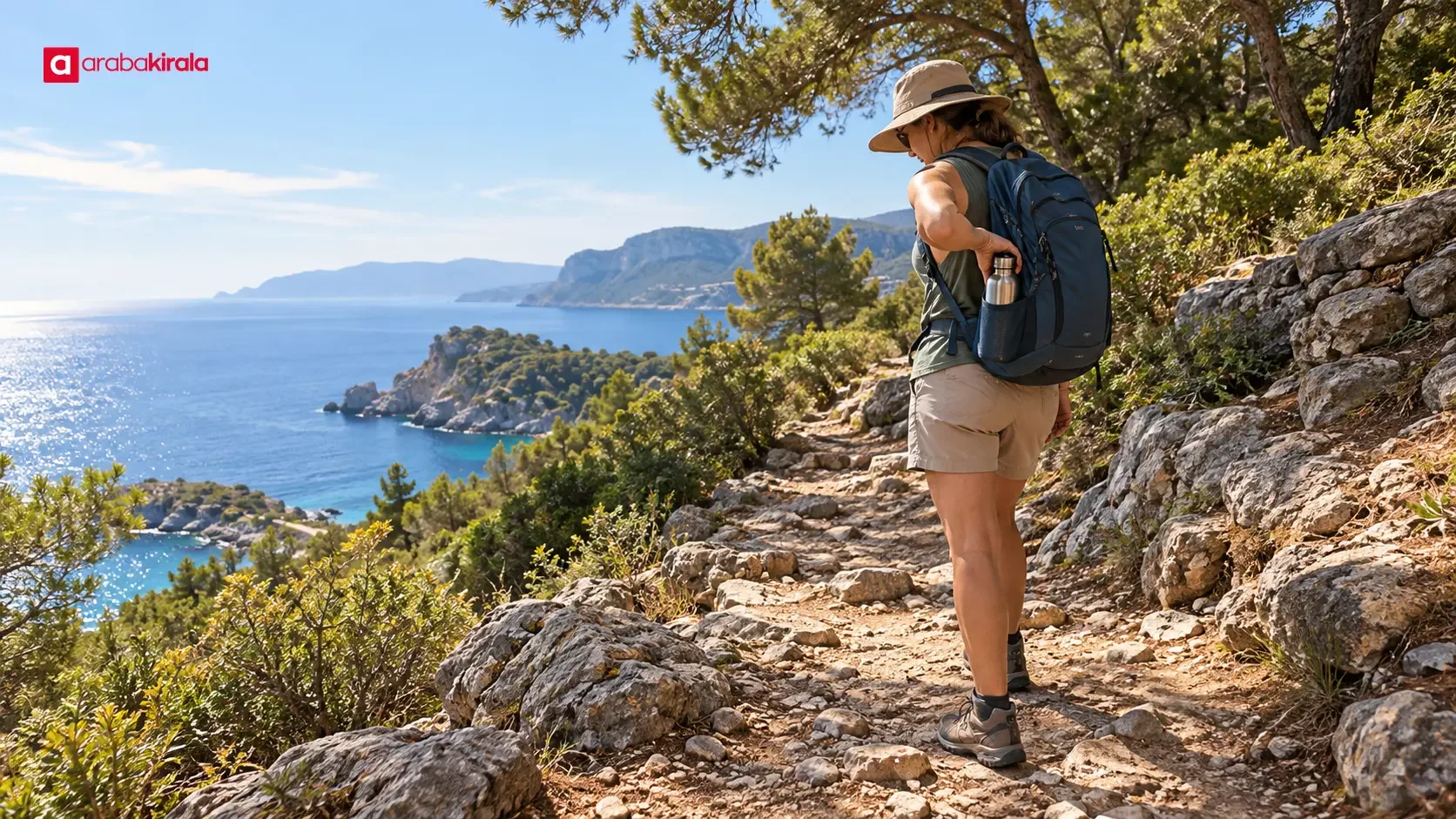
Published: October 20, 2026 • Reading Time: 6 min • Last Updated: October 20, 2026
Plan a summer coastal walk by checking shade, water access, weather and trail surfaces, and learn how to prepare and adjust your pace.
Contents
Preparing for a summer coastal hike means checking where shade is available, how you will carry water, what the weather may bring and what surfaces the trail crosses. This guide explains how to choose a suitable time, pack for the route and adjust your pace as heat and terrain change.
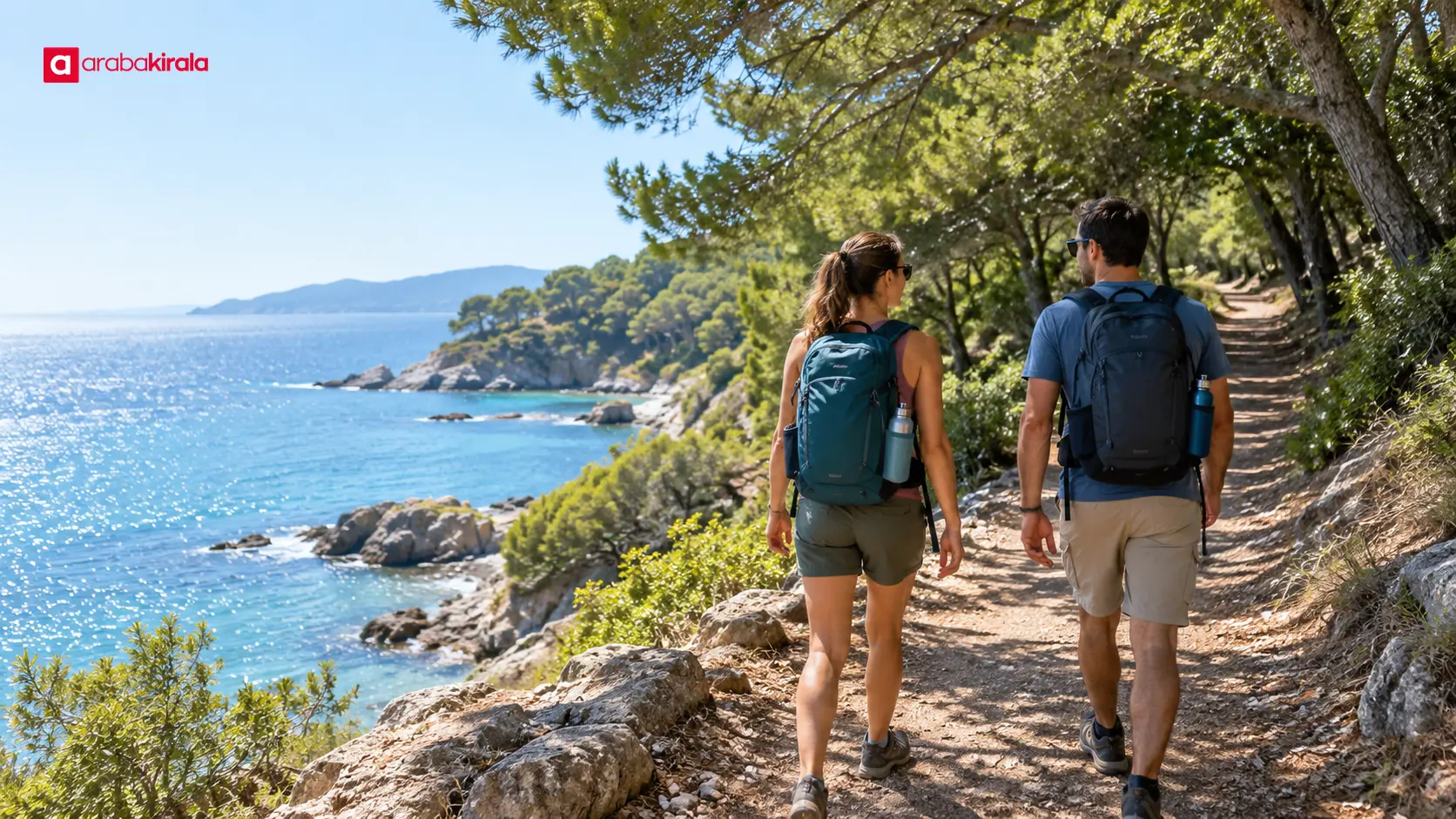
Choose a route by more than distance
A coastal trail can look short on a map yet take longer than expected when it crosses loose sand, stones, slopes or long exposed sections. Consider total walking time, elevation changes, the return route and places where a safe break is possible. Check access and trail information before setting out. If a section is closed or markings are unclear, identify a practical way back before you reach it.
Shade matters when choosing a summer route. Trees, sheltered coves or built-up sections may offer brief relief, but shade moves as the sun changes position. Do not assume a shaded spot will remain shaded throughout the day. Review the route in relation to your planned start time, and avoid linking several long, fully exposed sections when a different route or schedule is available.
What to check before setting out
- Current access and trail condition information
- Long exposed stretches and possible shaded rest points
- Route duration, elevation and return options
- Water sources, including whether they are open and accessible
- Areas where phone reception or access to assistance may be limited
Plan your timing around the heat
Walking during cooler parts of the day can reduce the time spent in strong heat. Starting early or later does not remove the need to check the forecast, wind conditions and any official heat alerts. Coastal breezes can feel cooling, but they do not block sunlight. Thin clouds and sea air may also make the heat feel less intense than it is.
Plan the return as carefully as the outward walk. If the route includes a long sun-exposed stretch in the afternoon, an earlier start or a shorter route may be more suitable. Shorten or change the plan if conditions are hotter than expected, a planned water or shade point is unavailable, or someone in the group feels unwell. Adjusting the route is a practical part of good preparation.
Plan water and sun protection together
Water needs vary with temperature, walking time, effort, individual needs and access to water. There is no single amount that suits everyone. Carry enough drinking water for your circumstances and the route, and do not assume that a source will be available unless you have confirmed access. Keep water within easy reach and remember to drink at regular intervals.
A brimmed hat, sunglasses and light, breathable clothing that covers the skin can help reduce sun exposure. If you use sunscreen, follow the product label for application and reapplication. Sweat, swimming and clothing friction can affect how well it stays on, so take its stated directions into account. Shade breaks, drinking water and sun protection complement one another; none replaces the others.
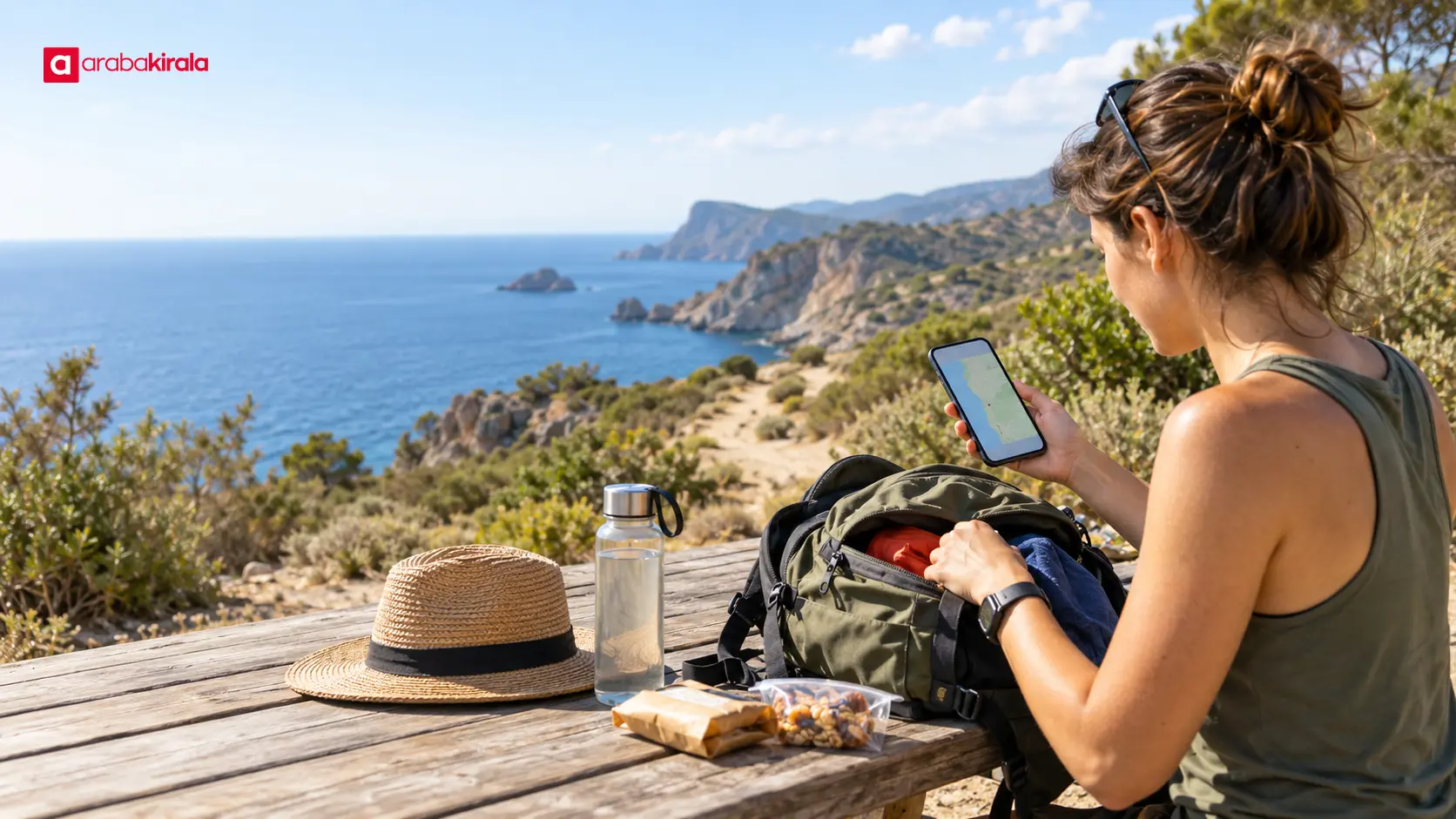
Useful items for your pack
- Drinking water suited to the length and conditions of the walk
- A sun hat, sunglasses and a light extra layer
- A phone and an offline map or another reliable way to follow the route
- Basic first aid supplies and personal essentials
- Easy-to-carry food for a longer walk
Match your footwear to the trail
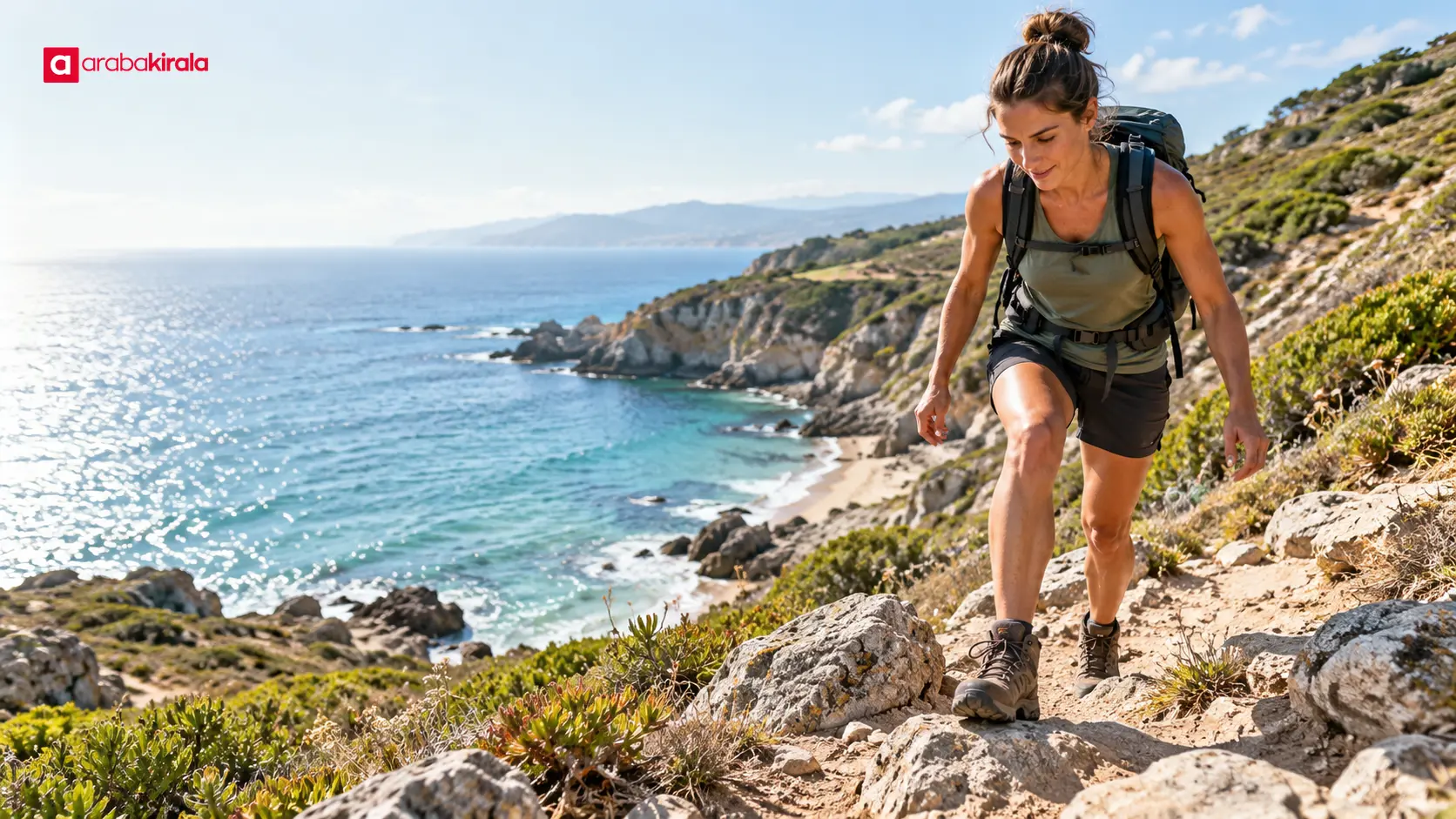
Coastal trails can shift quickly between firm dirt, loose sand, gravel, rock, steps and wet patches. Casual shoes with smooth soles may not grip well on loose or uneven ground. Choose footwear that holds your foot securely, suits the surface and remains comfortable as you walk. Break in new shoes on a shorter walk before relying on them for a long route.
Wet rock and algae can be slippery. Slow down where the surface is unclear, take shorter steps and avoid movements that could throw off your balance when carrying a pack. Spray, pools of water or changing shoreline conditions may make crossings slick. Check that each foothold is stable before moving forward. If a damaged, eroded or loose section has no safe passage, turn back.
Leaving the marked trail to cross plants or take a shortcut along a rocky edge can increase the risk of a fall and damage the environment. Follow the route, carry out your rubbish and avoid stepping on sensitive coastal plants. If the route passes through a protected area, check the relevant official guidance for access and visitor rules.
Monitor your pace and how you feel
Moving too quickly at the start can leave you exhausted early. Begin at a comfortable pace that lets you speak without strain, and slow down on exposed or uphill sections. Choose rest points based on shade and stable footing as well as the view. Take breaks according to your needs rather than waiting until you feel depleted.
If you develop dizziness, light-headedness, nausea, unusual weakness or confusion, stop walking. Move to a cool, shaded place, stop exertion and assess the person's condition. If symptoms are severe or do not improve, contact local emergency services. If walking alone, tell someone you trust your route and expected return time before you leave.
A simple plan before departure
Check the route and forecast, mark shade and return points, and prepare water and suitable footwear. Adjust your pace to the heat, surface and how the group is doing. If the planned route is unsuitable for the conditions, choose a shorter or more shaded option. These steps help make a summer coastal walk more comfortable and manageable.
Frequently Asked Questions
What time of day is best for a summer coastal hike?
Choose a cooler part of the day and account for the heat and sunlight on the return journey too. Check the forecast and official alerts before setting out.
How much water should I bring on a coastal walk?
There is no universal amount. Consider the duration, temperature, effort and access to water, and carry what suits your needs. Confirm that a route water source is accessible before relying on it.
What footwear works on sandy and rocky trails?
Choose comfortable footwear that secures your foot and has a sole suited to the terrain. Move carefully on wet rock and loose stones, and use a safer route if you cannot keep stable footing.
Does a coastal breeze protect me from the sun?
No. A breeze may feel cooling, but it does not prevent sun exposure. Combine shade, suitable clothing, a hat and sunscreen as appropriate.
What should I do if I feel unwell during the walk?
Stop, move into shade and rest. If dizziness, nausea, unusual weakness or confusion is severe or does not improve, seek help from local emergency services.
Legal Disclaimer: All content, articles and information on the Araba Kirala website are provided solely to inform users. No information shared on this website constitutes definitive advice or guidance. Araba Kirala Teknoloji A.Ş. and its authors cannot be held responsible for any direct or indirect damages arising from the application of information on the website. For all questions and requests regarding car rental, please contact the office from which you will rent your vehicle.












