
Third Party Liability vs. Damage Cover for a Rental Car
Published: October 17, 2026 • Reading Time: 6 min • Last Updated: October 17, 2026
Learn how third-party liability differs from cover for damage to a rental car, what to check in the documents, and which details to clarify with the rental branch.
Contents
- What does third-party liability mean?
- What does rental vehicle damage cover mean?
- The key difference between the two
- Cover, excess, and responsibility are different concepts
- How to review the documents before renting
- Keep a clear record at collection and during use
- If damage or a collision occurs
- Summary and next step
- Frequently Asked Questions
In vehicle insurance, third-party liability concerns harm caused to other people or their property, while damage cover concerns harm to the rental vehicle itself. This guide explains the difference, how to read the related documents, and what to clarify with the branch before you collect a car.

What does third-party liability mean?
A third party is someone outside the insurance relationship between the insured person and the insurer. In a traffic incident, damage to another vehicle, injury to another person, or harm to property belonging to someone else may raise third-party liability questions. The focus is on possible responsibility for harm to others, rather than damage to the rental car.
The phrase alone does not mean that every claim will be paid. The policy or rental documents may define the types of harm considered, limits, exclusions, reporting steps, and the conditions that apply. Treat “third-party liability included” as a starting point for reading the documents, not as a complete description of the protection.
What does rental vehicle damage cover mean?
Damage cover relates to the rental vehicle itself. It may address damage to parts such as body panels, windows, mirrors, or lights, but the exact components and events included depend on the documents. A similar label does not guarantee that every agreement has identical limits or procedures.
Whether damage exists and how it is handled under a cover are separate questions. The process may call for prompt notice, photographs, or other records. These steps should not be assumed to be universal. Ask the branch from which you will collect the vehicle what process applies to your reservation.
The key difference between the two
The simplest distinction is to ask whose property was harmed. If the damage concerns another person or their property, third-party liability is relevant. If it concerns the rental vehicle, its damage terms should be reviewed. A single incident can involve both kinds of damage, so the two labels are not interchangeable.
- Third-party liability: Describes how harm to other people or property is treated and under what conditions.
- Vehicle damage cover: Describes how damage to the rented car may be handled.
- Both in one incident: If another vehicle and the rental car are damaged, the documents for each type of loss may need to be considered separately.
This distinction helps you ask more useful questions than simply “Is there insurance?” Ask which party’s loss is being discussed, which document governs it, what limits apply, and what steps are required if something happens.
Cover, excess, and responsibility are different concepts
Cover describes a type of loss that may be considered under stated conditions. An excess is a portion that may remain payable by the renter even where a cover applies. Responsibility concerns who is considered answerable for the consequences of an incident and to what extent. These terms are related, but they answer different questions.
The words “damage cover” do not automatically mean every type of damage is paid or that the driver will owe nothing. Likewise, seeing an excess or stated amount does not, by itself, mean all damage is excluded. Read the limits, exclusions, any renter contribution, and reporting conditions together.
How to review the documents before renting
At booking or collection, identify the insurance and rental documents provided to you and ask which document governs if explanations differ. Read the relevant sections and ask for plain-language clarification of any terms you do not understand:
- How are damage to third parties and their property described, and are limits stated?
- Which events or vehicle parts are included under damage cover, and what exclusions are listed?
- Is there an excess or other amount that could be the renter’s responsibility, and when would it apply?
- Where are the incident contact details, notification timing, and required records explained?
- If roadside help, towing, glass, or tyres are mentioned, are they part of the cover or a separate service?
- If the booking summary and collection documents differ, how is the applicable wording identified?
These questions do not assume any particular company condition. They help you understand the service described in the documents you receive. For an answer specific to your reservation or collection location, ask the branch and request the explanation in writing when a point remains unclear.
Keep a clear record at collection and during use
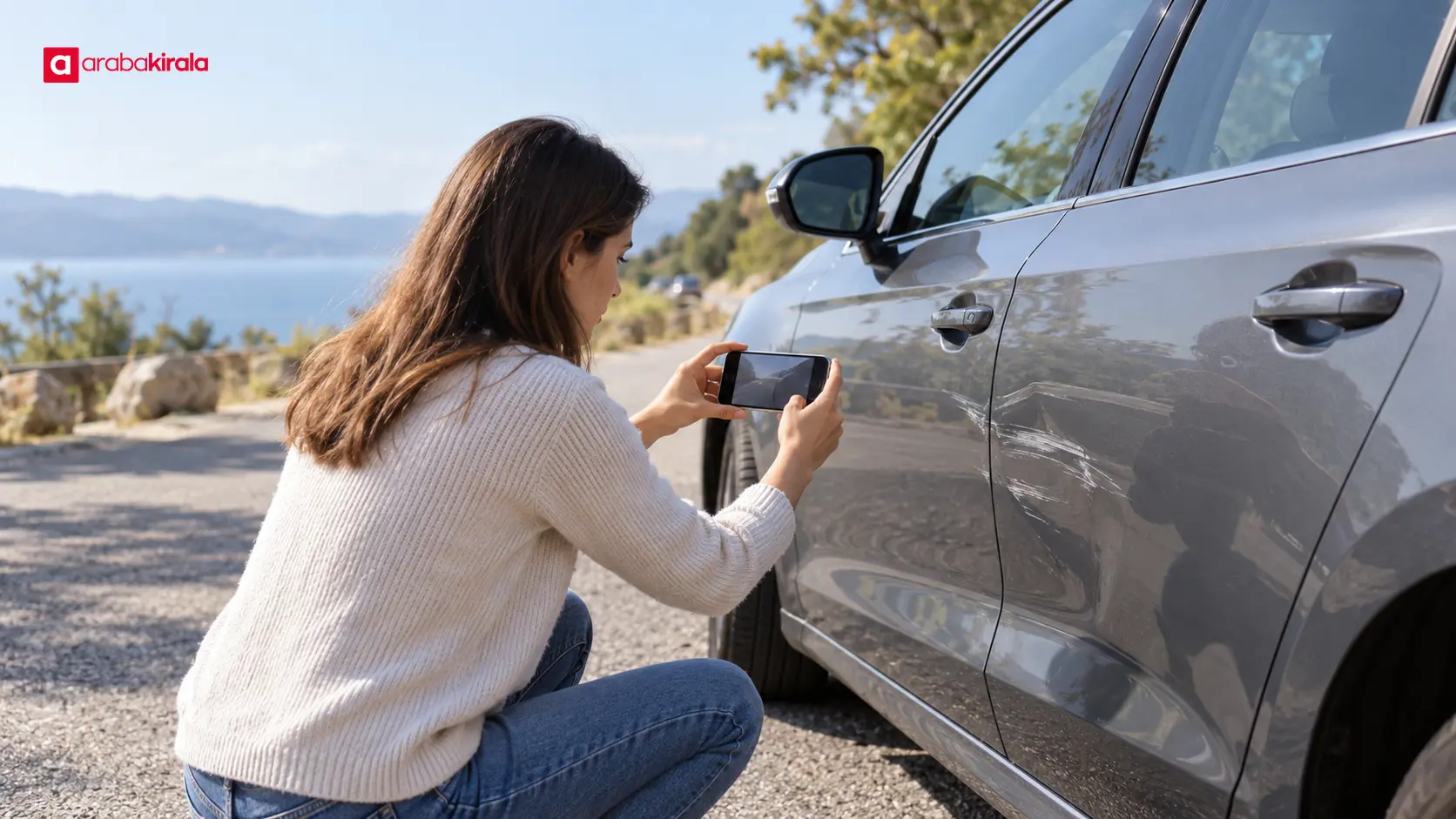
Before driving away, inspect the exterior, windows, mirrors, wheels, and interior. Check that any existing scratch, crack, or other visible condition appears accurately in the collection record. Taking photographs can help you remember the vehicle’s condition at pickup, but ask the branch whether photographs form part of its official record and how to submit them.
Compare the odometer and fuel level with the collection information. These details do not define insurance cover; they help match the car’s starting and ending condition to the record. If a warning light appears, a new noise develops, or you notice a problem that affects driving, stop somewhere safe and contact the rental office.
If damage or a collision occurs
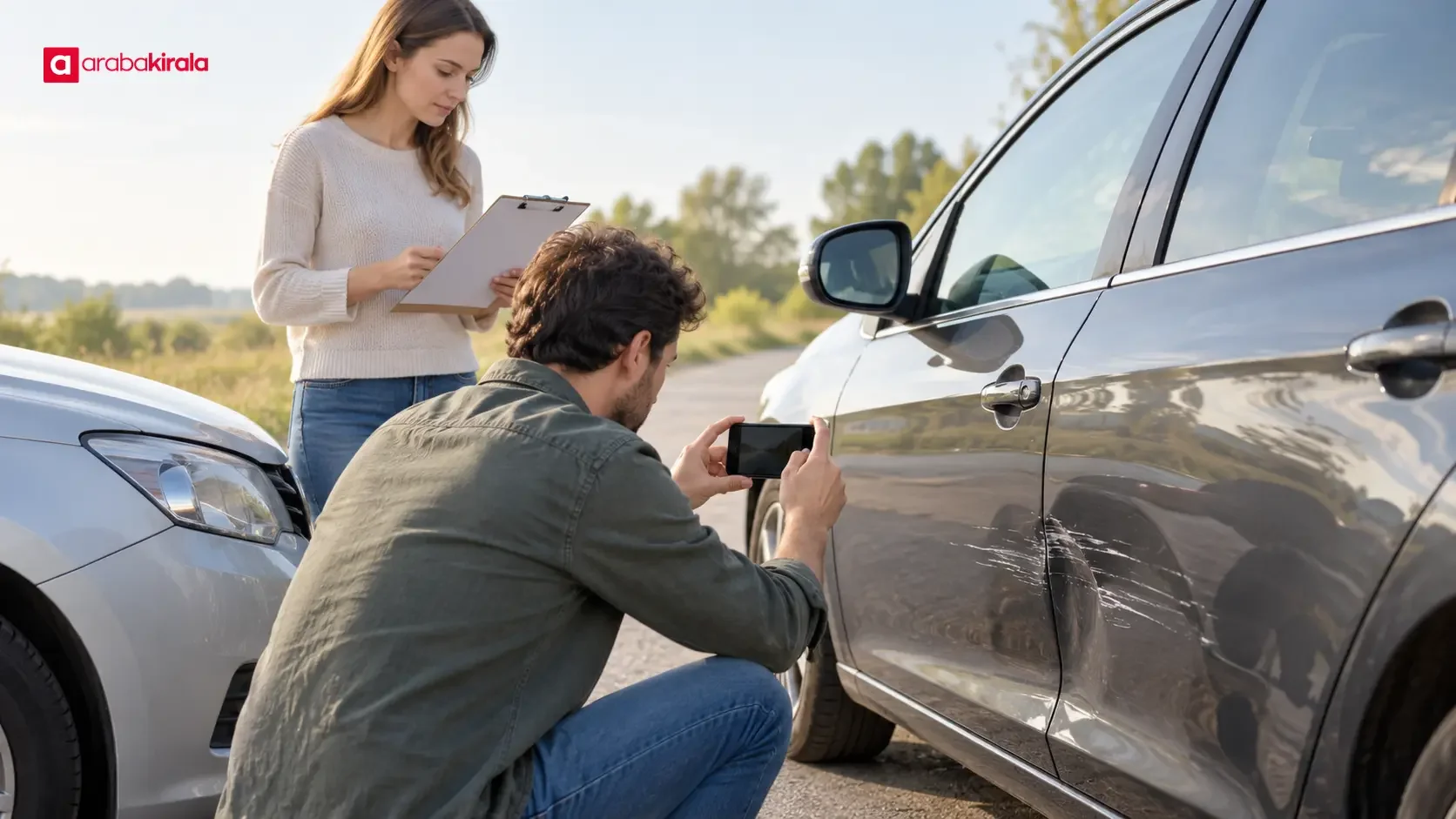
People’s safety comes first. Move to a safe place without creating a traffic hazard, and contact emergency services when needed. If it is safe, record the position of the vehicles and visible damage. Do not put yourself or anyone else at risk to take photographs or gather paperwork.
Then use the reporting channel in your rental documents to notify the branch and follow its directions. Describe damage to third parties separately from damage to the rental vehicle. Whether an official report or another record is required depends on the circumstances and applicable official guidance; one procedure cannot be presented as suitable for every incident.
Summary and next step
Third-party liability concerns harm to other people or their property; vehicle damage cover concerns harm to the rental car. Both may matter in the same incident. Do not infer limits, an excess, exclusions, or a payment guarantee from a cover label alone. Read the documents before booking, compare the vehicle’s condition with the collection record, and confirm location-specific details with the branch where you will rent.
Frequently Asked Questions
Does third-party liability cover damage to the rental car?
The term primarily concerns harm to other people or their property. Damage to the rental vehicle may be addressed in a separate cover or section of the agreement. Check the definitions and exclusions in the documents provided to you.
Does vehicle damage cover apply to every scratch and part?
That depends on the stated cover and exclusions. The label alone does not establish that every part or cause of damage is included. Before collection, ask how items such as glass, tyres, mirrors, and bodywork are treated.
If there is an excess, does that mean the cover is useless?
No. An excess describes an amount that may remain the renter’s responsibility under certain conditions; it does not mean the cover has no effect. Read when it applies and how the amount is determined.
What should I do first after a collision?
Protect people first and contact emergency services if needed. Then notify the branch through the channel in your rental documents. Follow official instructions for the scene and make records only when it is safe to do so.
How should I record existing damage at collection?
Check that visible damage is noted in the collection record and ask the branch how it records vehicle condition. Photographs can help you recall what you saw, but do not assume they replace the official record.
What should I ask before booking?
Ask which documents cover third-party harm and damage to the rental car, whether limits or an excess apply, and how an incident must be reported. Clear answers let you assess the actual terms instead of guessing from a label.
Legal Disclaimer: All content, articles and information on the Araba Kirala website are provided solely to inform users. No information shared on this website constitutes definitive advice or guidance. Araba Kirala Teknoloji A.Ş. and its authors cannot be held responsible for any direct or indirect damages arising from the application of information on the website. For all questions and requests regarding car rental, please contact the office from which you will rent your vehicle.












