Motorway Speed Limits in Türkiye 2026: A Driver’s Guide
Published: November 9, 2026 • Reading Time: 6 min • Last Updated: November 9, 2026 • Author: Merve B.
Contents
- What do “motorway” and “otoban” mean?
- What values does the 2026 table give for passenger cars?
- General maximum values and posted signs
- Speed limits, safe speed and following distance
- Before setting out on a motorway trip
- Taking a rental car onto a motorway
- Speedometer checks and attentive driving
- Conclusion: follow signs throughout the route
- Frequently Asked Questions
- Related Articles
- Sources
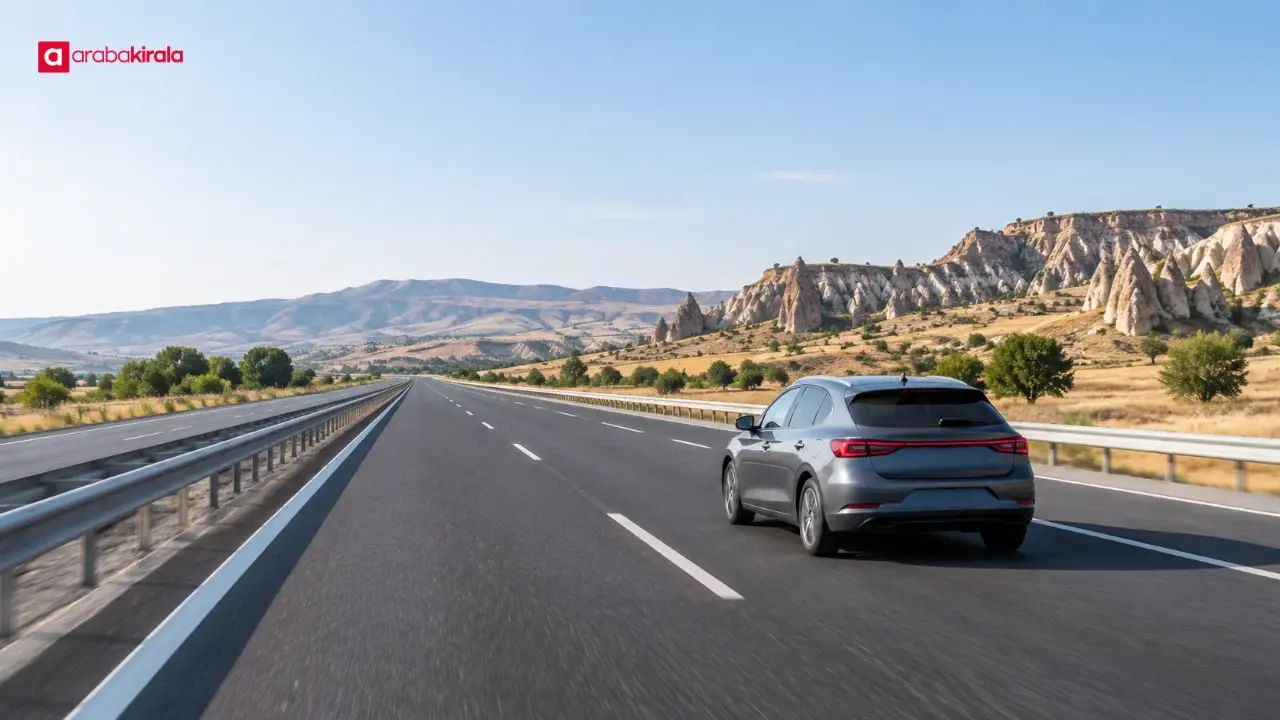
This guide explains how to read motorway speed limits in Türkiye, what maximum values the official 2026 table lists for passenger cars, and why signs on your route must be watched throughout the drive. A single number does not describe every motorway situation: vehicle class, road operation and section-specific signs all matter. A safe speed also depends on visibility, weather, road surface and traffic.
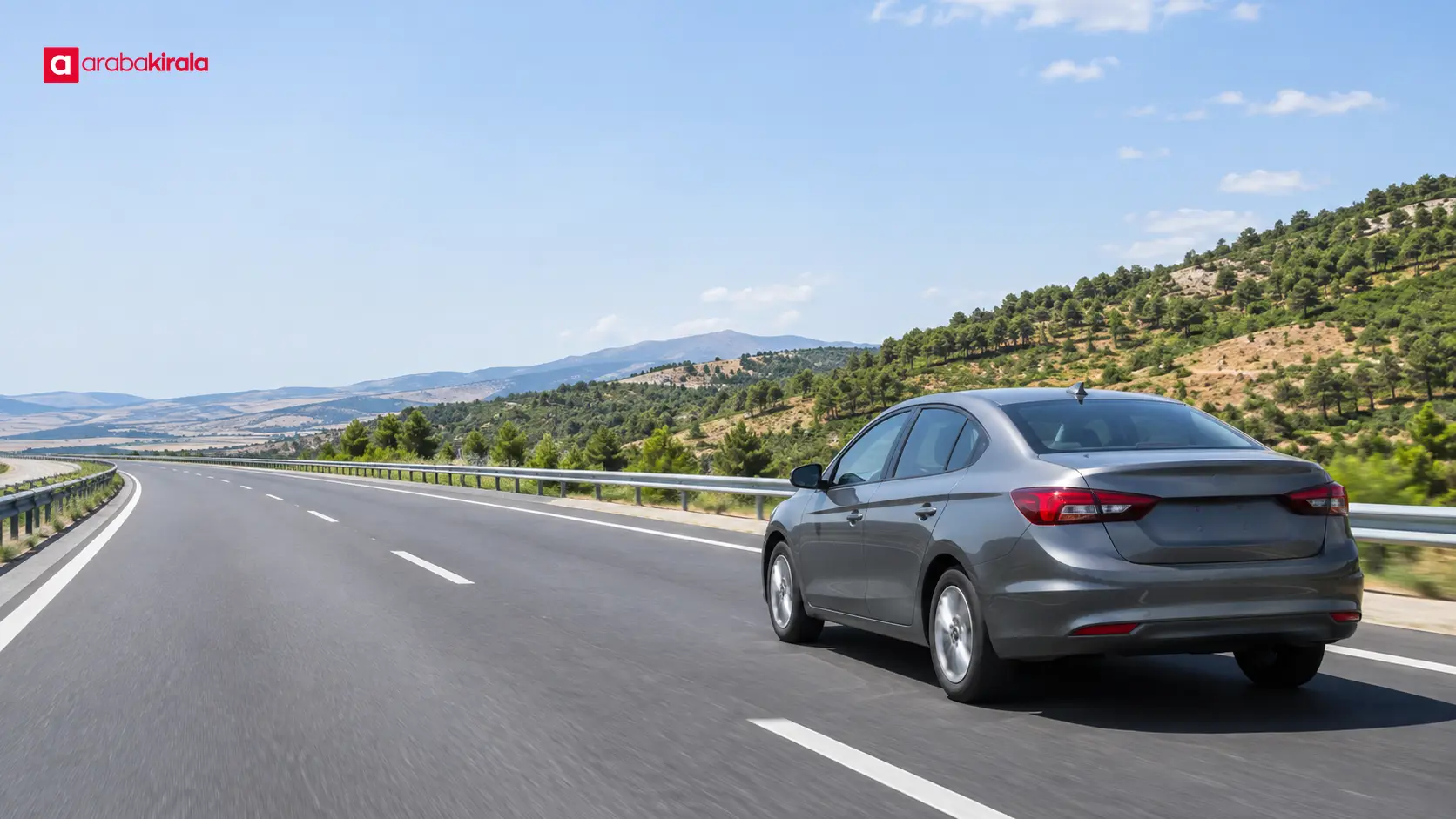
What do “motorway” and “otoban” mean?
In everyday Turkish, “otoban” is commonly used to mean a motorway. For driving decisions, the road’s actual classification and traffic arrangements are what matter. A road does not acquire a particular speed limit simply because it looks wide, divided or fast. Follow the signs on the road and check current information from the responsible public authority.
Motorways include routes and sections with different operating and design features. Entries, exits, tunnels, bridges, connecting roads and work zones can change the driving environment. A trip may therefore include several posted limits. Do not assume that a value seen at one point applies to the entire route.
What values does the 2026 table give for passenger cars?
The General Directorate of Highways (KGM) table lists maximum values of 130 km/h on motorways operated by KGM and 140 km/h on motorways operated under the Build-Operate-Transfer model for passenger cars (M1 and M1G). These are general values for that vehicle class. They do not override a lower limit posted on a particular section, nor do they mean that every part of a route can be driven at the higher value.
The table also makes clear that passenger cars, minibuses, buses, light trucks and motorcycles do not all share the same speed values. Confirm the vehicle class from its registration and vehicle information rather than its appearance. If you are driving a rental car, familiarising yourself with its class and basic controls during handover is useful preparation. Ask the branch where you will collect the vehicle about any branch-specific or route-related details you need clarified.
General maximum values and posted signs
A general table gives the maximum associated with a vehicle class and road type. A road sign can show a rule that applies to the section where you are driving. Roadworks, tunnels, connecting sections, sharp curves or other traffic arrangements may require a lower speed. Apply the posted value where it is displayed; do not carry a previous section’s limit into the next one.
Keep watching for signs throughout the route instead of relying on a single sign remembered from the entrance. Temporary signs can also direct drivers according to current road conditions. Navigation apps can help with route-finding, but they do not replace official signs on the road. If a sign is hard to see or the road layout seems to have changed, reduce speed in a controlled way and pay close attention to your surroundings.
Speed limits, safe speed and following distance
The maximum limit does not mean that travelling at that speed is safe in every weather or traffic condition. Rain, fog, snow, strong winds, darkness and congestion can reduce visibility and the time available to react. In these conditions, slow down, assess the space ahead and avoid abrupt manoeuvres.
Following distance is the gap that gives you room to respond safely if the vehicle ahead slows or stops. At higher speeds, a vehicle covers more ground in the same amount of time. Driving too close therefore reduces the time and space available for braking. Do not treat a fixed number of car lengths as suitable in every situation. Leave enough room for the speed, surface, visibility and traffic, including when travelling in a group.
Before setting out on a motorway trip
- Confirm the vehicle class: Speed values in the general table do not apply identically to every type of vehicle.
- Plan the route: Check motorway connections and roadwork updates before departure to reduce rushed decisions while driving.
- Watch the signs: Follow speed signs, lane directions and work-zone warnings from the entrance onwards.
- Adapt to conditions: When weather or visibility worsens, do not focus only on the maximum; slow down safely.
- Plan a break: Fatigue can affect attention and reaction. Stop at a suitable rest area and take a break before continuing if you feel tired.
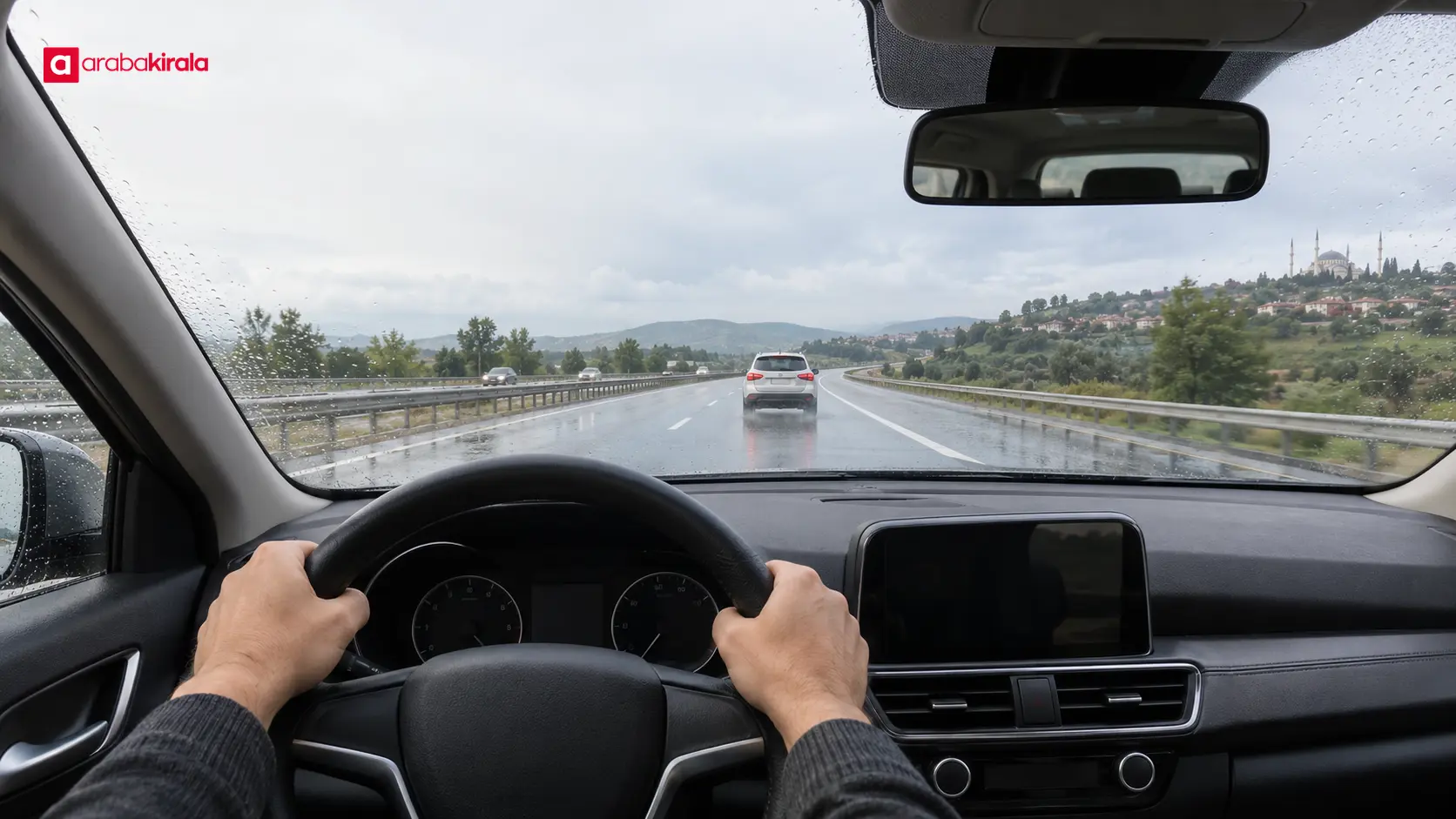
Taking a rental car onto a motorway
Before setting off in a rental car, learn the vehicle class, gear and lighting controls, warning indicators and mirror adjustments. An unfamiliar model can make it harder to anticipate how the vehicle responds to acceleration or braking. Start at a calm pace and leave a safe gap while you get used to the car.
Vehicle handover, equipment and trip-related rental details can vary by company and branch. Contact the branch where you booked or will collect the vehicle for those specifics. Rental service terms do not change public speed limits; continue to follow traffic signs and official road information throughout the journey.
Speedometer checks and attentive driving
Checking the speedometer from time to time is more reliable than assuming the car is holding a steady speed. On a downhill stretch, a vehicle can gain speed; keeping the accelerator in the same position for a long time may also cause speed to creep up. Glance at the display briefly and naturally without looking away from the road for an extended period.
Catching up with the vehicle ahead or matching another driver’s speed is not a reason to exceed a limit. If you need to slow down, check your surroundings and decelerate smoothly rather than braking abruptly. Check mirrors and blind spots before changing lanes, and account for vehicles approaching at a different speed. Motorway safety depends on predictable, attentive driving as well as speed choice.
Conclusion: follow signs throughout the route
The 2026 KGM table gives passenger cars maximum motorway values of 130 or 140 km/h, depending on the operating model. Do not treat either figure as blanket permission for every section. Confirm your vehicle class, follow signs along the route and adapt your speed to weather, visibility, traffic and the road surface. Checking KGM speed-limit information and route updates before departure makes your preparation more practical.
Frequently Asked Questions
What is the motorway speed limit for passenger cars in Türkiye in 2026?
The KGM table lists 130 km/h on KGM-operated motorways and 140 km/h on motorways operated under the Build-Operate-Transfer model for passenger cars. Drivers should also follow signs and conditions on the route.
Are “otoban” and motorway speed limits different?
In everyday Turkish, “otoban” usually refers to a motorway. The important factors are the road’s classification, the vehicle class and the signs that apply to the section you are using.
What if a motorway sign shows a lower speed?
Follow the sign for the section where you are driving. A general maximum in a table is not a reason to ignore a lower posted limit.
Is it appropriate to drive at the maximum in rain or fog?
A maximum limit is not a guarantee that the same speed is safe in poor weather. When visibility or grip is reduced, slow down, increase following distance and watch the road carefully.
What should I learn before driving a rental car on a motorway?
Familiarise yourself with the vehicle class, controls and warning indicators, and ask the collection branch about rental or handover details. Then drive according to the signs on your route.
Related Articles
- How to Read a Rental Car Fuel Consumption Display
- Beylikdüzü Car Rental Route Plan for Highway Links
- Car Insurance Coverage Limits: Geographic and Time Scope