
Partial Damage and Total Loss in Vehicle Insurance
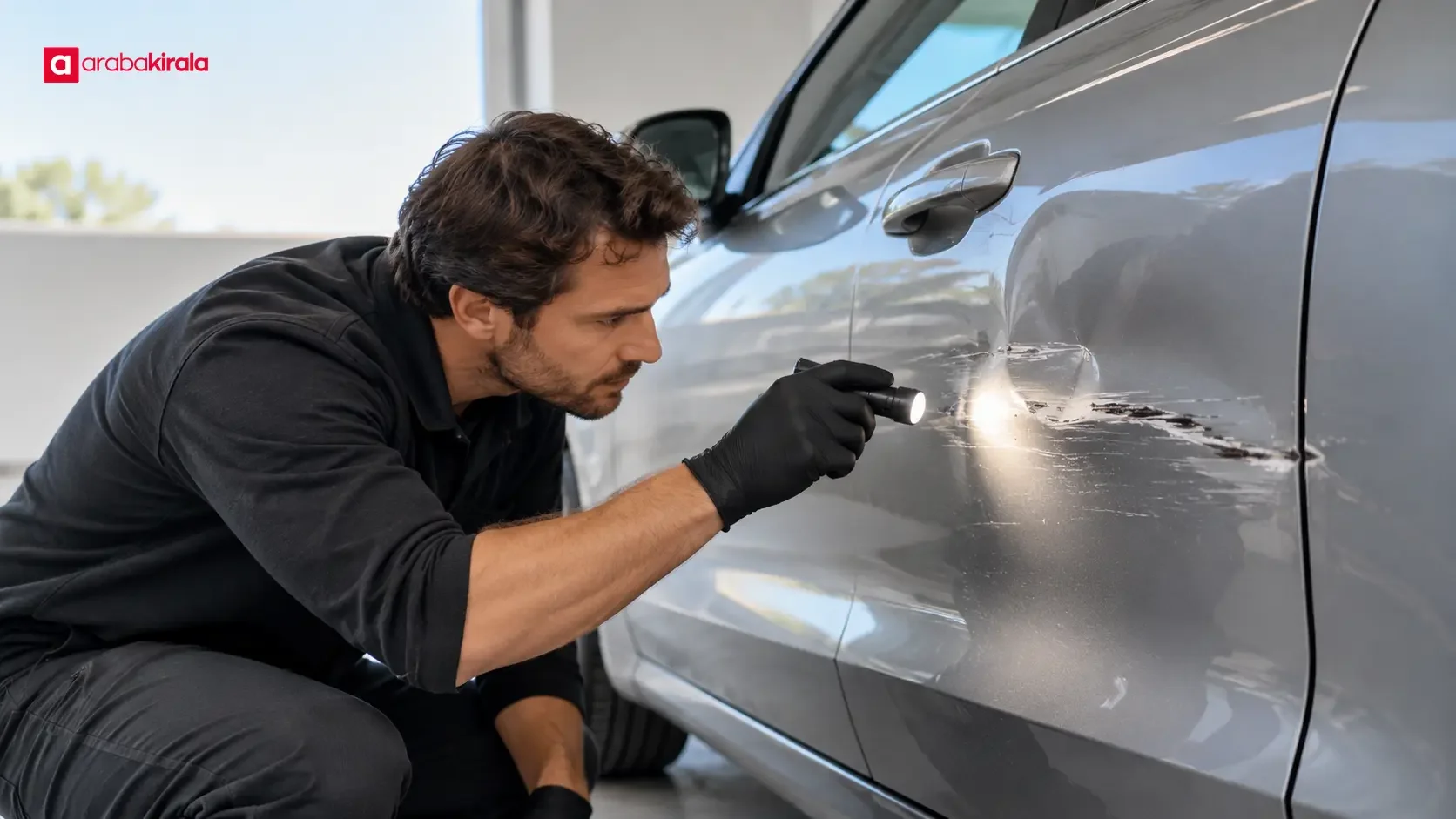
Published: October 20, 2026 • Reading Time: 6 min • Last Updated: October 20, 2026
Understand partial damage and total loss assessments, how inspections and repair estimates work, and what to check in an insurance claim.
Contents
- What do partial damage and total loss mean?
- Key concepts used in a damage assessment
- Damage inspection and assessment report
- Repair estimate and vehicle value
- Repairability and safety
- How a claim can move from inspection to a decision
- Practical steps for managing a damage claim
- What to check in the report and policy
- Why these terms matter when renting a car
- Summary: follow the decision through its evidence
- Frequently Asked Questions
This guide explains what partial damage and total loss mean in vehicle insurance, how damage is assessed, and which details can shape a claim decision. These terms describe different ways of evaluating damage and repair needs. They do not, on their own, determine the outcome of every claim: the incident, the policy and the documented findings all matter.
What do partial damage and total loss mean?
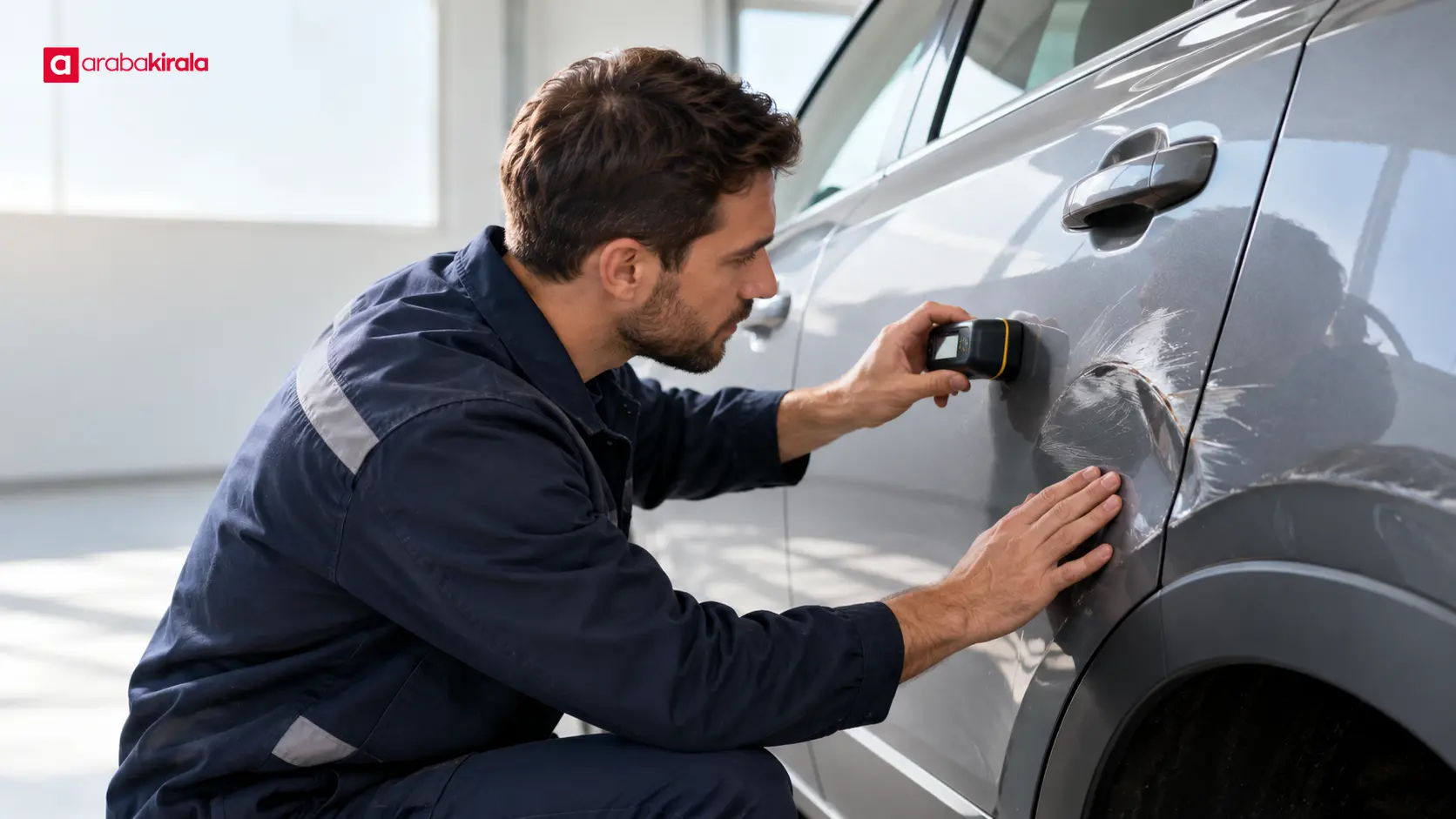
Partial damage generally refers to damage affecting specific parts or systems of a vehicle, with repair or replacement considered for those affected areas. Damage may involve body panels, glass, lighting, suspension or other components. “Partial” does not mean harmless or minor. A single damaged component can affect safe driving and deserves a proper inspection.
A total loss assessment considers the overall condition of the vehicle, whether repair is technically feasible and economically reasonable, and the terms that apply under the policy. The phrase does not mean every claim follows the same method or produces the same payment. Thresholds, valuation methods and required documents can depend on the policy, insurance product and findings in the file. Ask which criteria and records support the classification in your case.
Key concepts used in a damage assessment
Damage inspection and assessment report
A damage inspection records visible and reported damage and helps establish its scope. Photographs, incident details, the vehicle’s condition and technical checks may all contribute. An assessment report is an expert review of the damage and possible repair needs. Ask the insurer or claim handler what the report covers and how it is used; do not assume that one report automatically settles every issue.
Repair estimate and vehicle value
A repair estimate accounts for the work and parts considered necessary to address the damage. Vehicle value is a separate figure that may be used in an economic assessment, based on a method and a relevant date. The two figures serve different purposes. To understand a classification, ask what valuation method was used, the date it relates to, and which repair items were included in the estimate.
Repairability and safety
The fact that a vehicle can be repaired does not by itself establish that it will be safe and suitable for use afterward. Damage to structural areas, steering or suspension, or safety equipment such as airbags calls for careful technical review. Driving before the vehicle has been assessed may be unsafe. If you are unsure whether it can be driven, have a qualified professional assess it and ask whether recovery assistance is needed.
How a claim can move from inspection to a decision
A claim begins with the reported incident and the information provided. The vehicle is then inspected. Initial visible damage may not reveal additional issues found during a closer examination, so findings can be updated. The repair scope, parts, labour and any further checks may enter the assessment. The resulting decision may address repair or another course of action. Requesting a written explanation of its basis makes it easier to follow what has been considered.
Relevant information can include how the incident occurred, which components were affected, vehicle details, policy coverage, any applicable excess or exclusions, and the documents requested. These factors are not applied identically to every policy. Review the relevant policy section alongside the claim handler’s document request. If a term is unclear, ask for an explanation in plain language.
Practical steps for managing a damage claim
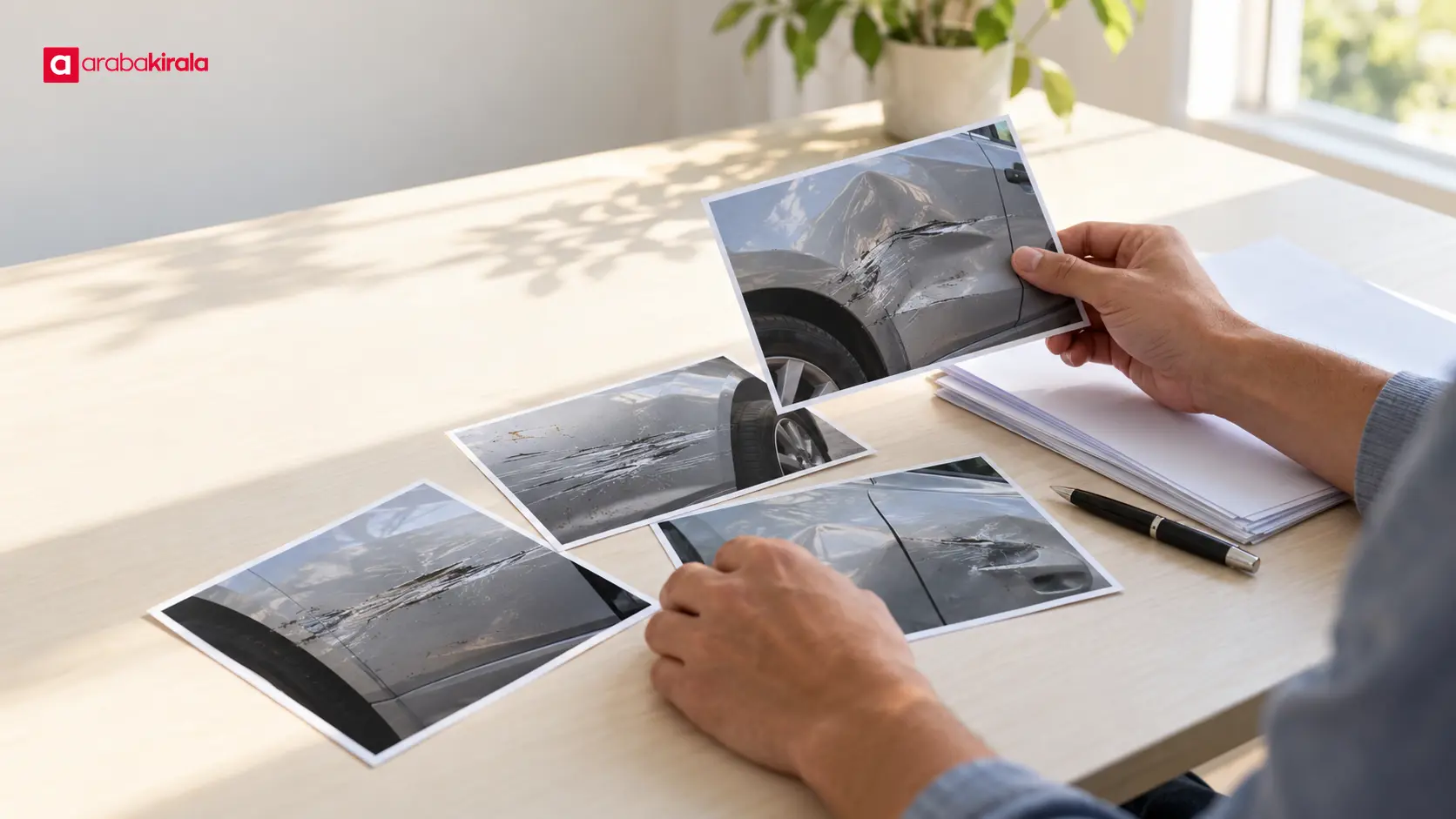
- Record the incident and damage: Once it is safe, photograph the vehicle and affected areas from several angles. Note the date, location and a brief account of what happened.
- Put safety first: Do not continue driving if there is a fluid leak, a tyre or steering problem, a warning light, or visible structural damage. Contact the appropriate assistance channel.
- Confirm reporting and document requirements: Contact your insurer or the claim handler to find out what information and records are needed. Reporting steps and documents can vary with the policy and circumstances.
- Read the findings: Check which damage items and repair methods appear in the report and how the costs are presented. Request written clarification for missing or unclear items.
- Clarify the repair plan: Ask where the work will take place, how the repair process is expected to proceed, what parts and labour are listed, and how newly discovered damage will be handled.
What to check in the report and policy
Compare the report’s list of damaged areas with the vehicle’s condition and the photographs. If a photographed item does not appear in the report, point it out and ask whether a further review is appropriate. Check how parts, labour and taxes are shown in the repair estimate. If only a total is provided, request a breakdown. These checks do not guarantee a different decision; they help you understand what was assessed.
Locate the policy sections on coverage, excess, exclusions and claim reporting. Different types of vehicle insurance serve different purposes, so confirm which policy is relevant and how its wording applies to your file. When a policy term is ambiguous, request a written explanation where possible instead of relying only on an informal verbal summary.
Why these terms matter when renting a car
If damage occurs while you are using a rental vehicle, the insurance assessment and the notification or responsibility steps in the rental agreement may be separate matters. At pickup, inspect the vehicle with the staff member and record existing damage; photographs can also help document its condition. If you notice new damage, stop in a safe place and notify the branch from which you rented as soon as possible. Review the agreement for incident reporting, damage records, assistance and coverage procedures. Ask that branch about file-specific details such as an excess, coverage and required documents.
Summary: follow the decision through its evidence
Partial damage describes an assessment focused on particular affected areas and their repair or replacement. A total loss assessment considers the vehicle more broadly, including its condition, repair prospects and the policy terms that apply. Neither label alone explains the outcome. Review the inspection findings, report, repair estimate, valuation method and relevant policy wording together. As a next step, ask the claim handler in writing for the decision’s basis and any documents still needed.

Frequently Asked Questions
Does partial damage mean the vehicle has only minor damage?
No. It describes damage assessed in specific areas rather than a conclusion that the damage is insignificant. A limited area can still involve an important safety component, so the extent and driving impact should be professionally assessed.
Does a total loss decision mean the vehicle cannot be repaired?
The meaning depends on the classification used in the claim and the applicable policy process. Ask the claim handler what the decision means in your case, which technical and economic criteria were used, and what process follows for the vehicle.
What should I do if I think the assessment report is wrong?
Identify the specific point you dispute and provide relevant photographs or records. Request an explanation or a further inspection. The procedure and any applicable time limits depend on the process for your claim, so confirm them with the organization handling it.
Why are damage photographs useful?
Photographs create a record of the vehicle’s visible condition after an incident. A wide view plus closer images from different angles can help an assessor compare the reported damage with the vehicle.
Who should I contact if a rental car is damaged?
Make the situation safe first, then use the reporting channel in your rental agreement to contact the branch where you rented the vehicle. Confirm with the branch what records, assistance steps and insurance claim actions are required.
Legal Disclaimer: All content, articles and information on the Araba Kirala website are provided solely to inform users. No information shared on this website constitutes definitive advice or guidance. Araba Kirala Teknoloji A.Ş. and its authors cannot be held responsible for any direct or indirect damages arising from the application of information on the website. For all questions and requests regarding car rental, please contact the office from which you will rent your vehicle.












