
What Is a Car Differential and How Does It Work in a Turn?
Published: October 27, 2026 • Reading Time: 8 min • Last Updated: October 27, 2026
Learn how a differential sends drive to the wheels, allows different wheel speeds in a turn, and how open, limited-slip, and locking designs differ.
Contents
- What does a differential do?
- How an open differential works
- A simple way to picture it
- Why it matters in a turn
- Open, limited-slip, and locking differentials
- Is a differential the same as an axle or transmission?
- Care and safe use for drivers
- Understanding the drivetrain when choosing a rental
- Summary and next step
- Frequently Asked Questions
This guide explains what a car differential does, how it sends motion to the driven wheels, and why those wheels need different speeds when a car turns. A differential is part of the drivetrain that transmits drive while allowing the wheels on an axle to rotate at different rates. That speed difference helps the car follow a curve without forcing one tire to scrub across the road or putting unnecessary strain on drivetrain parts.
What does a differential do?
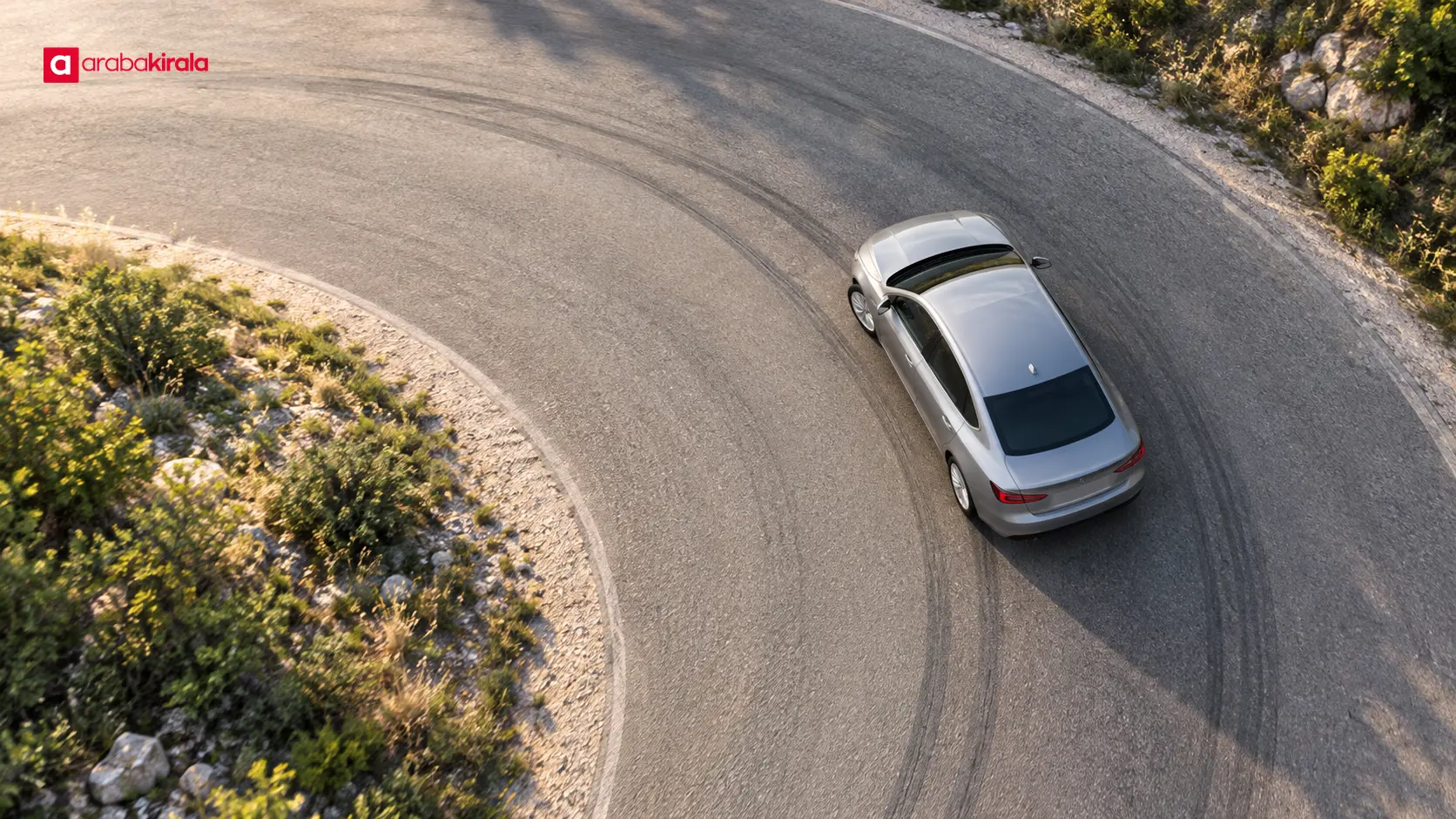
When a car travels straight, the left and right driven wheels on the same axle usually cover similar distances. In a turn, the wheel on the inside follows a tighter arc, while the outside wheel follows a wider one. Because the outside wheel travels farther in the same time, it needs to rotate faster. If both wheels were forced to turn at exactly the same speed, one would have to slip or scrub on the surface. The differential allows for this difference mechanically.
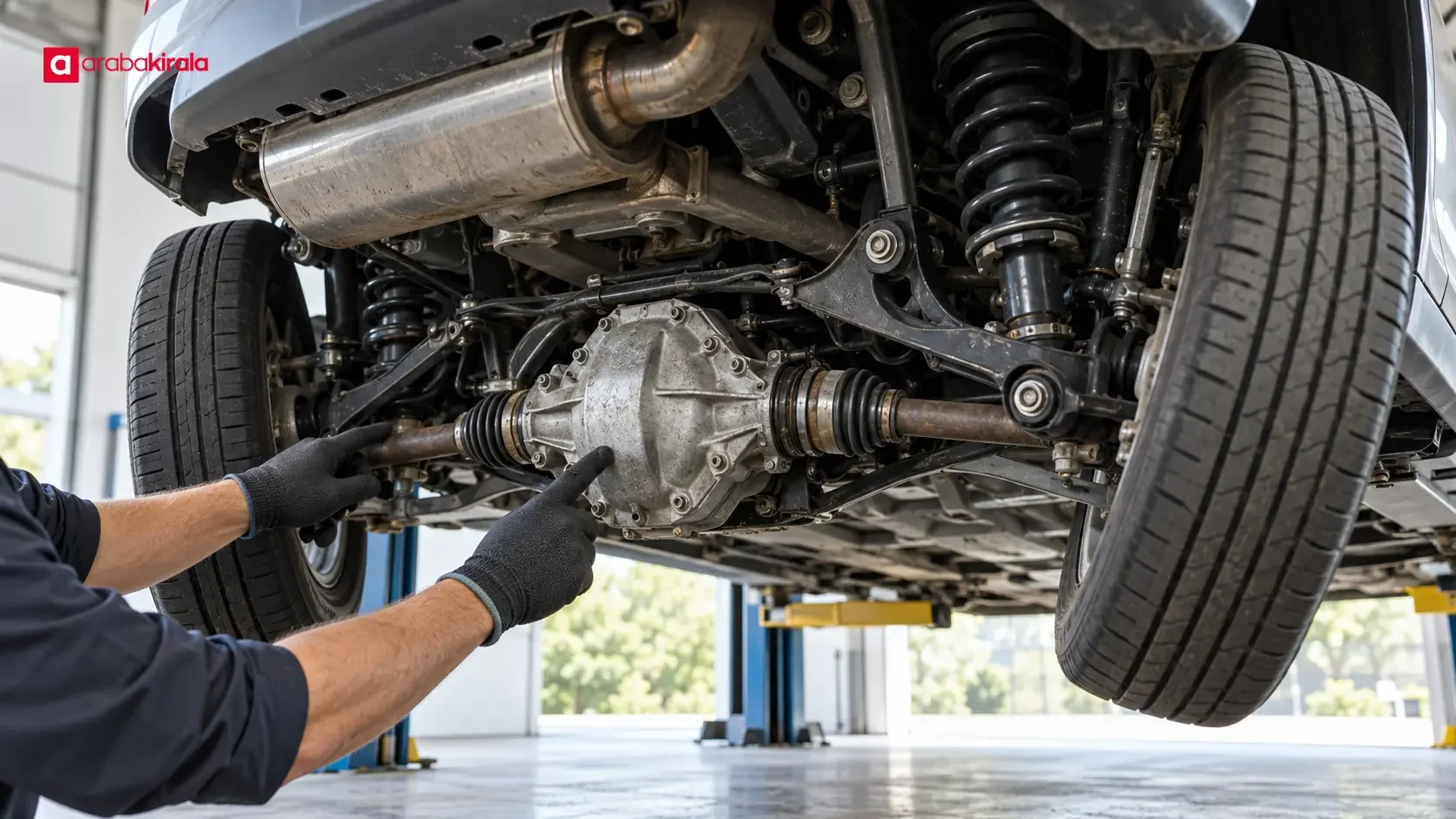
Depending on the vehicle’s layout, engine motion reaches the differential through the transmission and a driveshaft. The differential then sends rotation through the axle shafts to the driven wheels. In a front-wheel-drive vehicle, it may be housed with the transmission in a transaxle. In a rear-wheel-drive vehicle, it is often a separate unit near the rear axle. All-wheel-drive layouts can include more than one differential and, in some designs, a center mechanism that manages motion between axles. The layout varies, but the purpose of allowing wheel-speed differences remains.
How an open differential works
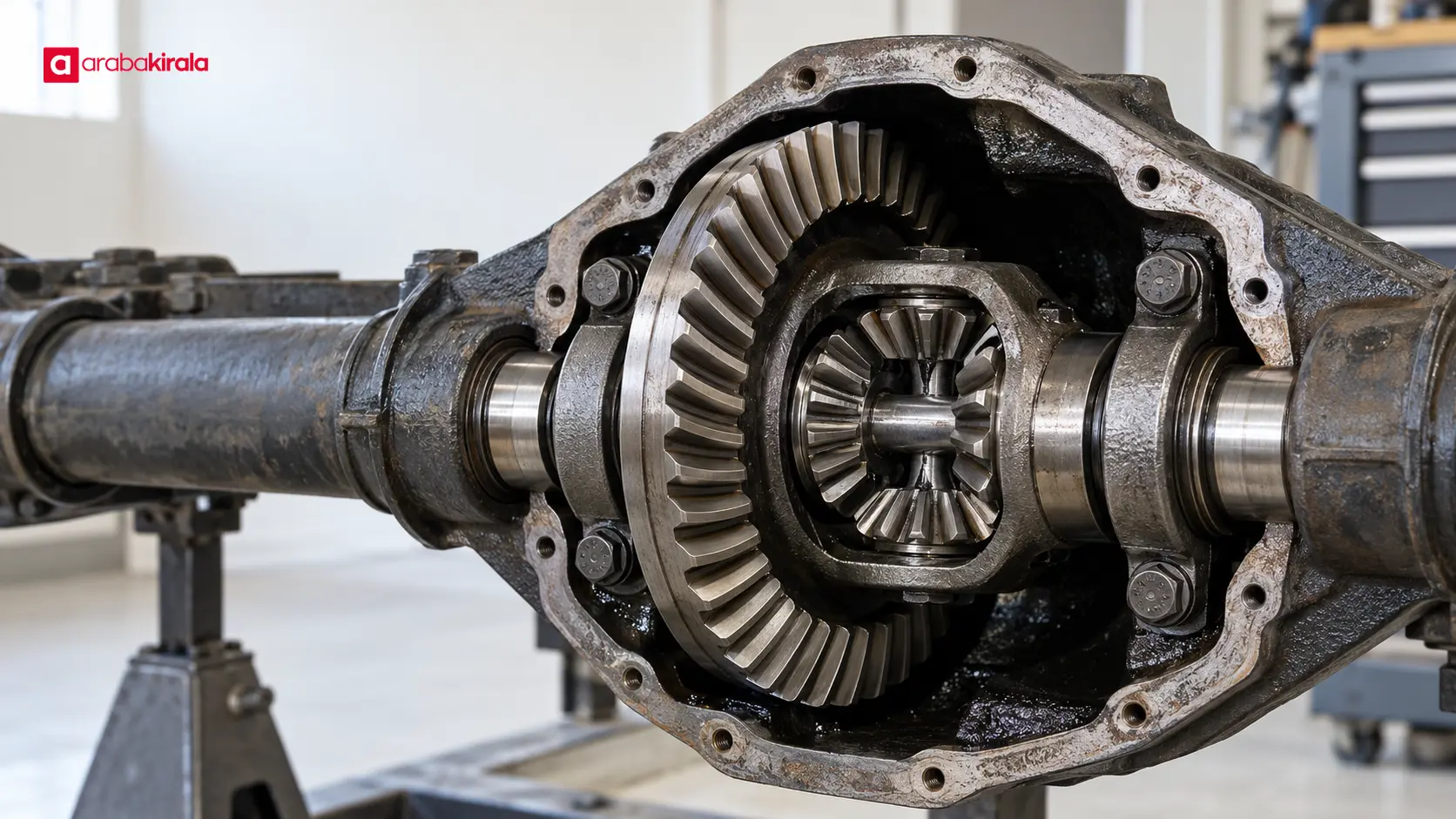
An open differential is a basic and widely used design. Its main parts include a drive gear, a carrier, side gears, and smaller pinion gears. The incoming rotation turns the carrier, which holds the pinions. Those pinions transfer motion to both side gears, which connect to the axle shafts. When the car is moving straight and the wheels face similar resistance, the pinions mostly travel with the carrier rather than spinning significantly on their own axes. The two wheel speeds therefore stay close.
In a turn, the inner and outer wheels need different speeds. The pinions rotate inside the carrier as they mesh with the side gears. This lets one side gear speed up relative to the other, while the other slows down. The differential can keep transmitting drive while accommodating that difference. This description applies to a conventional open differential; modern vehicles may use different gear arrangements or electronic controls that affect how the system behaves.
A simple way to picture it
It can help to picture the differential as a mechanism linking two driven outputs while allowing their rotation rates to vary. On a straight road, the outputs usually turn at similar speeds. In a turn, the outside wheel covers more ground, so it needs to turn faster than the inside wheel. The wheels are not disconnected from each other: both remain linked to the drivetrain, and their motion is coordinated through the differential’s gears.
Why it matters in a turn
Without a way to accommodate different wheel speeds, the tires on the same axle would have difficulty following their different paths through a tight turn. A tire may scrub against the road, and the drivetrain may experience extra stress. A differential reduces that mismatch and helps the wheels track the curve more smoothly. For the driver, it is part of what lets the car turn without requiring the driven wheels to rotate as a rigid pair.
The differential does not determine cornering behavior on its own. Tire condition, road surface, speed, load distribution, suspension, steering geometry, and electronic stability systems also influence how a vehicle responds. A differential manages wheel-speed relationships; it does not replace appropriate speed choice or tire grip. Drivers should adjust their speed to conditions and avoid abrupt maneuvers, especially when the surface is slippery.
Open, limited-slip, and locking differentials
Open differential: This design allows the driven wheels to rotate at different speeds and supports smooth turning. If one driven wheel has very little grip, however, the amount of useful drive available can be affected by the conditions at that wheel. A wheel that spins easily on a slippery or loose surface may make it harder for the other wheel to produce enough force to move the car.
Limited-slip differential: This design restricts the difference in wheel speeds to some degree instead of leaving it entirely unconstrained. Different versions use gear arrangements, clutch plates, or other mechanisms. The aim is to reduce how much the easier-spinning wheel dominates when the two wheels have different grip. The system’s feel depends on its design and on the vehicle’s controls.
Locking differential: A selectable or automatic mechanism can make the two outputs turn more nearly together, or lock them, under certain conditions. This can help in particular situations where traction matters. Locking behavior can affect a turn, where the wheels normally need different speeds. Designs and operating methods differ from vehicle to vehicle. If the car has such a feature, follow the owner’s manual.
These labels describe possible drivetrain designs; they do not mean that every car has all of them. The differential fitted to a vehicle depends on its model and drivetrain. It is also difficult to identify a differential problem from the way a car feels alone, because tire and road conditions can create similar sensations.
Is a differential the same as an axle or transmission?
These parts work together but have different jobs. A transmission adapts engine speed and torque delivery to driving needs. Axle shafts carry motion from the differential to driven wheels. The differential distributes that motion between its outputs and allows the wheels to turn at different speeds. In some vehicles, the transmission and differential share a housing. That physical arrangement does not make their functions identical.
Care and safe use for drivers
A differential is an enclosed drivetrain component; drivers do not need to reach into its gears during ordinary use. Inspection and maintenance should follow the vehicle maker’s instructions and the vehicle’s maintenance schedule. Oil specifications and service intervals can vary, so do not assume that the same procedure applies to every car. For questions about a vehicle’s service history or maintenance requirements, consult its owner’s manual or a qualified service provider.
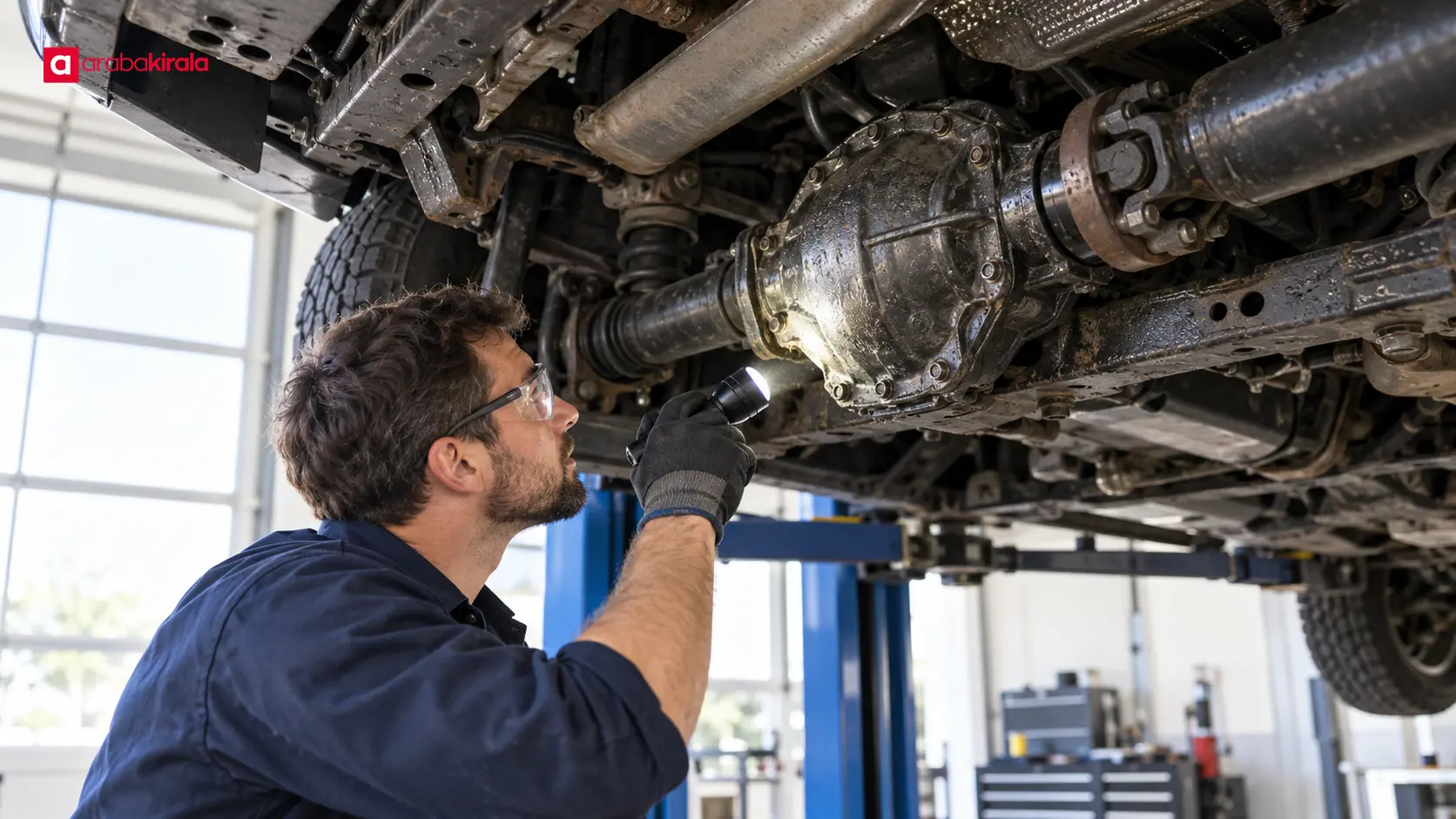
Unusual humming, knocking, vibration, or friction-like sounds while turning should not automatically be diagnosed as a differential fault. Tires, bearings, axle joints, and other drivetrain components can also cause noises or vibration. If a symptom persists, stop in a safe place and arrange a professional inspection. Do not try to check moving parts or lift the car with unsuitable equipment. If a rental car develops a concerning symptom, stop safely and contact the branch or reservation channel from which you rented it for guidance.
Understanding the drivetrain when choosing a rental
The differential type may not be the first thing every driver needs to consider when choosing a car. Vehicle class, suitability for the planned roads, and familiarity with the controls can be more immediately useful. If your trip includes snow or loose surfaces, it helps to understand the car’s drive layout and any driver-selectable features before setting out. Do not infer equipment from a model name or appearance alone; the actual vehicle and its specification may vary.
Before booking or when collecting the car, ask the branch where you will rent it about the vehicle’s drive layout, whether it has a differential lock or a related feature, and how the owner’s manual describes its use. Clarify whether the vehicle suits the road conditions you expect. The answer should relate to the specific car being provided; no particular feature should be assumed for every vehicle.
Summary and next step
A car differential transmits engine motion to the driven wheels while allowing the wheels on an axle to rotate at different speeds. That flexibility accommodates the longer path taken by the outside wheel in a turn. Open, limited-slip, and locking designs manage wheel-speed differences and traction in different ways. For equipment or maintenance details that vary by vehicle, check the owner’s manual; for a rental, ask the branch about the specific car you will collect.
Frequently Asked Questions
Does the differential work only when a car turns?
No. The differential is part of the drivetrain and transmits motion to the driven wheels. Its gears respond to wheel-speed differences, which become more apparent in a turn. On a straight road, the two wheel speeds are usually close to one another.
What might a faulty differential sound or feel like?
Humming, knocking, vibration, or unusual sounds while turning can be possible warning signs, but they do not prove that the differential is at fault. Tires, bearings, axle joints, and other drivetrain parts can produce similar symptoms. Stop safely and seek a professional inspection if the symptom continues.
Does every car have a locking differential?
No. The differential type and any locking feature depend on the vehicle’s model, specification, and drive system. Check the owner’s manual or ask the rental branch about the particular vehicle you will use.
What happens if a wheel slips with an open differential?
An open differential permits a speed difference. If one wheel has little grip and spins easily, the other wheel may not be able to generate enough force to move the car. The outcome depends on the surface, tires, and vehicle. On slippery roads, use smooth, controlled inputs and drive at a suitable speed.
Can a driver service a differential at home?
Differential maintenance follows vehicle-specific service guidance. Fluid specifications and inspection intervals are not universal, so avoid guessing or applying a procedure from another car. Consult the owner’s manual and use a qualified service provider when needed.
How can I find out what differential a rental car has?
Ask the branch where you are renting the car about its drive layout and any special differential feature, either before booking or at collection. If your route includes unusual road conditions, clarify how the equipment works on the specific car being provided.
Legal Disclaimer: All content, articles and information on the Araba Kirala website are provided solely to inform users. No information shared on this website constitutes definitive advice or guidance. Araba Kirala Teknoloji A.Ş. and its authors cannot be held responsible for any direct or indirect damages arising from the application of information on the website. For all questions and requests regarding car rental, please contact the office from which you will rent your vehicle.












