
How Do Windshield Defogging and the Rear Window Defroster Work?
Published: October 25, 2026 • Reading Time: 7 min • Last Updated: October 25, 2026
Learn how windshield airflow defogging differs from rear-window heating lines, how to use both systems, and what to check when visibility stays poor.
Contents
- Why does condensation form on car windows?
- How does windshield defogging work?
- Practical steps for a fogged windshield
- How does the rear window defroster work?
- How the two systems differ
- What to check if the glass stays cloudy
- What to check when collecting a rental car
- A short visibility check before driving
- Frequently Asked Questions
Windshield defogging and the rear window defroster help restore a clear view, but most cars use different methods for each. This guide explains how directed airflow clears the windshield, how the rear window’s fine heating lines work, how to use the controls, and what to consider when visibility does not improve. Knowing the difference helps you choose the right control before setting off in cold or damp weather.
Why does condensation form on car windows?
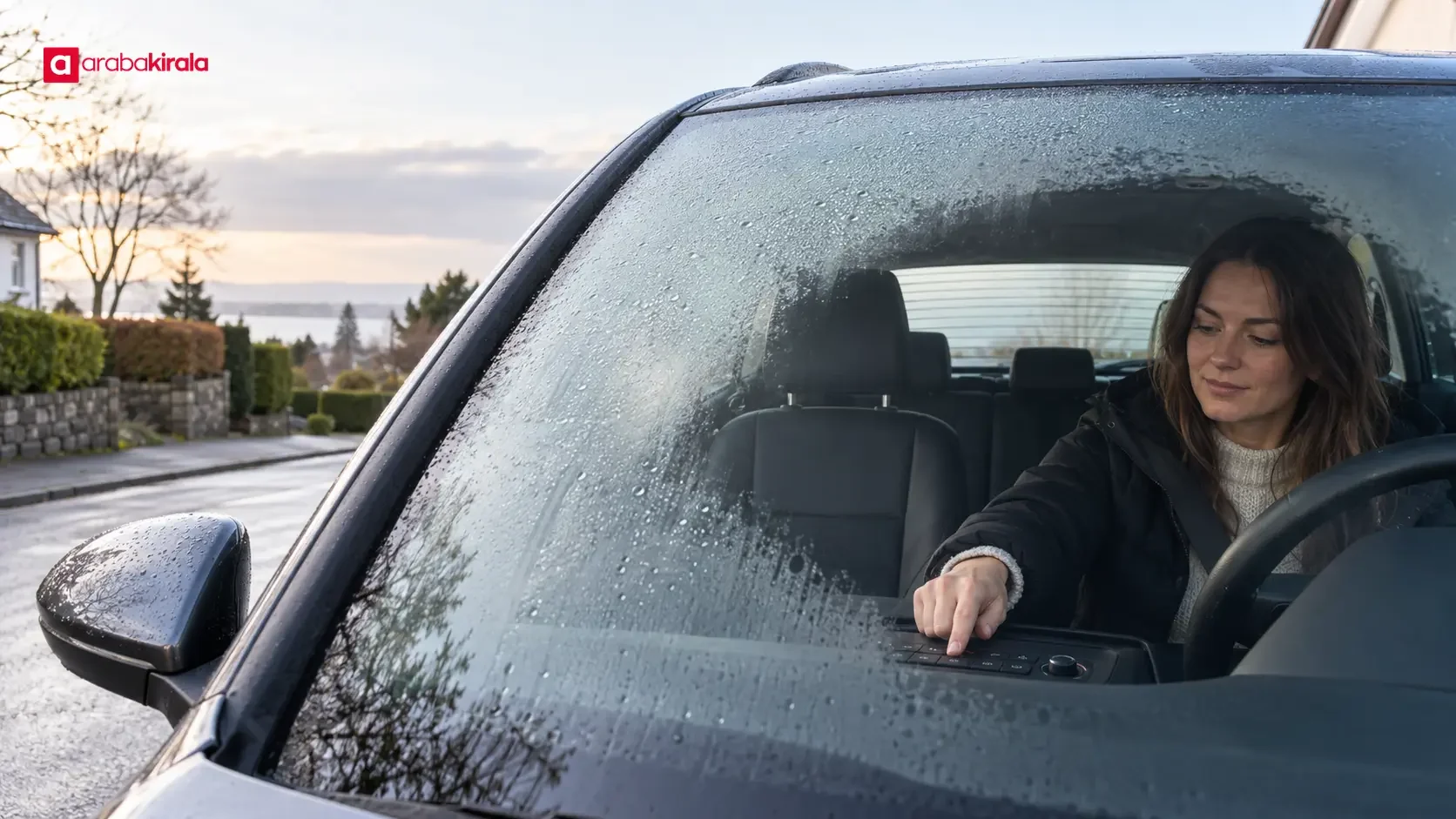
Fog forms when water vapour in the air condenses into tiny droplets on a cooler glass surface. Breathing and damp clothing can add moisture inside the cabin. When the outside air is cold, the glass cools too; humid cabin air touching it can make the surface cloudy. Moisture can also collect on the outside because of rain, humid weather, or a difference in temperature. It helps to identify which side is affected: cabin ventilation may address interior fog, while moisture on the outside usually needs a different response.
Wiping a window by hand may clear a small patch briefly, but it can leave smears and distract you while driving. If your view is restricted, stop in a safe place and use the appropriate demisting control. Do not begin driving until you can see clearly through the windows and mirrors you need to use.
How does windshield defogging work?
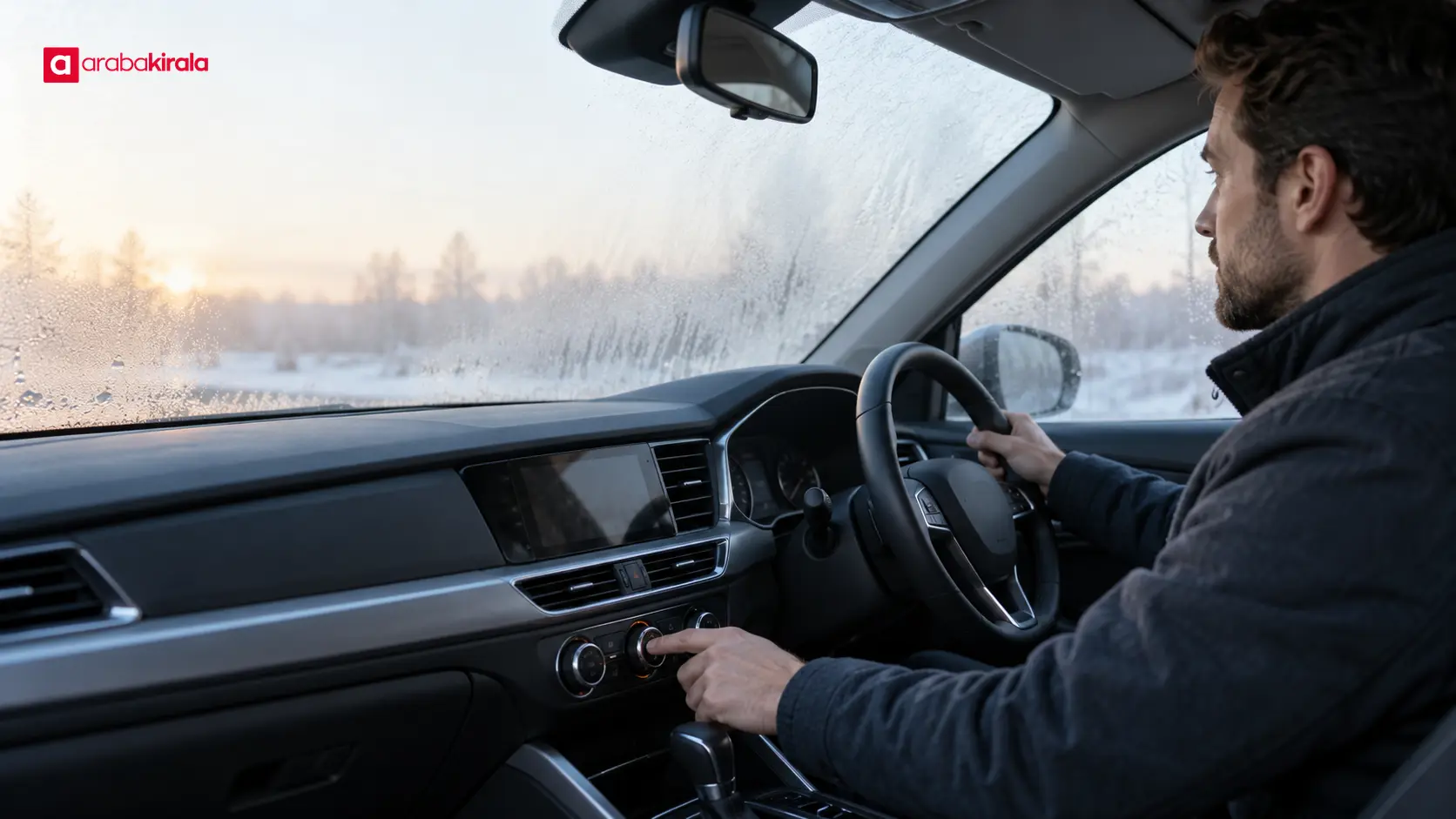
In many vehicles, a windshield symbol selects an air-distribution setting that directs airflow toward the front glass. Moving air helps change the temperature and humidity at the surface. Depending on the vehicle, the air-conditioning system may also operate. Air conditioning can help reduce moisture in the air; it is not used only to cool the cabin. Combined with heating, it can send warmer, drier air toward the glass.
This airflow method is different from electric heating elements built into some windshields. Certain vehicles have fine wires or dedicated heated areas in the front glass, while others rely primarily on the ventilation system to clear fog. Controls and equipment vary by model. The owner’s manual is the best place to confirm what a symbol or button does in a particular car.
Practical steps for a fogged windshield
- Park safely before adjusting controls if your view is inadequate; do not pull into traffic with a restricted view.
- Select the windshield airflow setting. If the car has an automatic demist mode, follow the manual’s instructions.
- Set the fan so air reaches the glass. Use temperature and air-conditioning settings as described for that vehicle.
- Reduce avoidable moisture in the cabin by drying wet floor mats and belongings when practical. Keep air inlets unobstructed.
- Check whether condensation is inside or outside. Use the wipers for exterior moisture only when the glass and conditions are suitable.
How does the rear window defroster work?
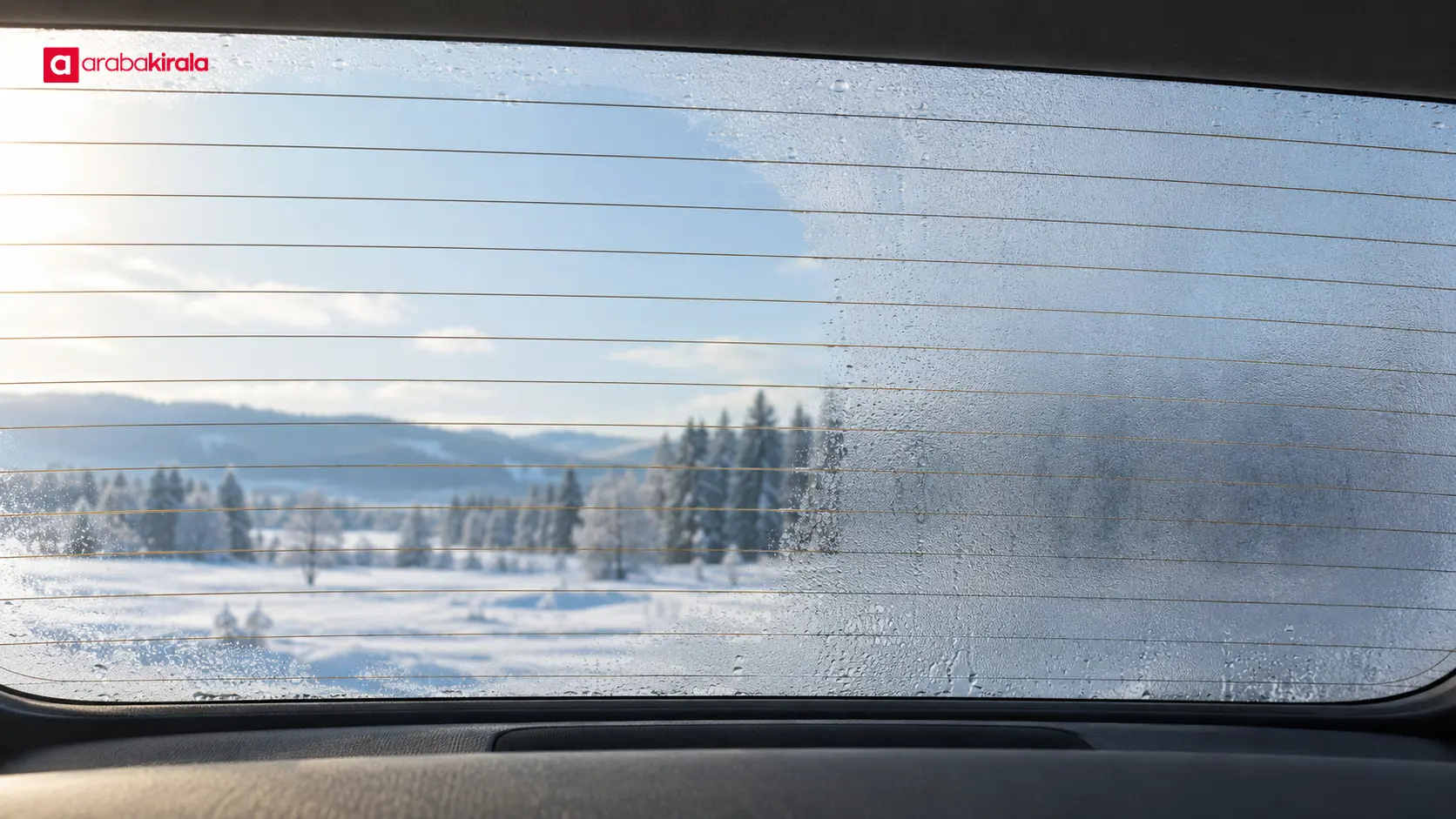
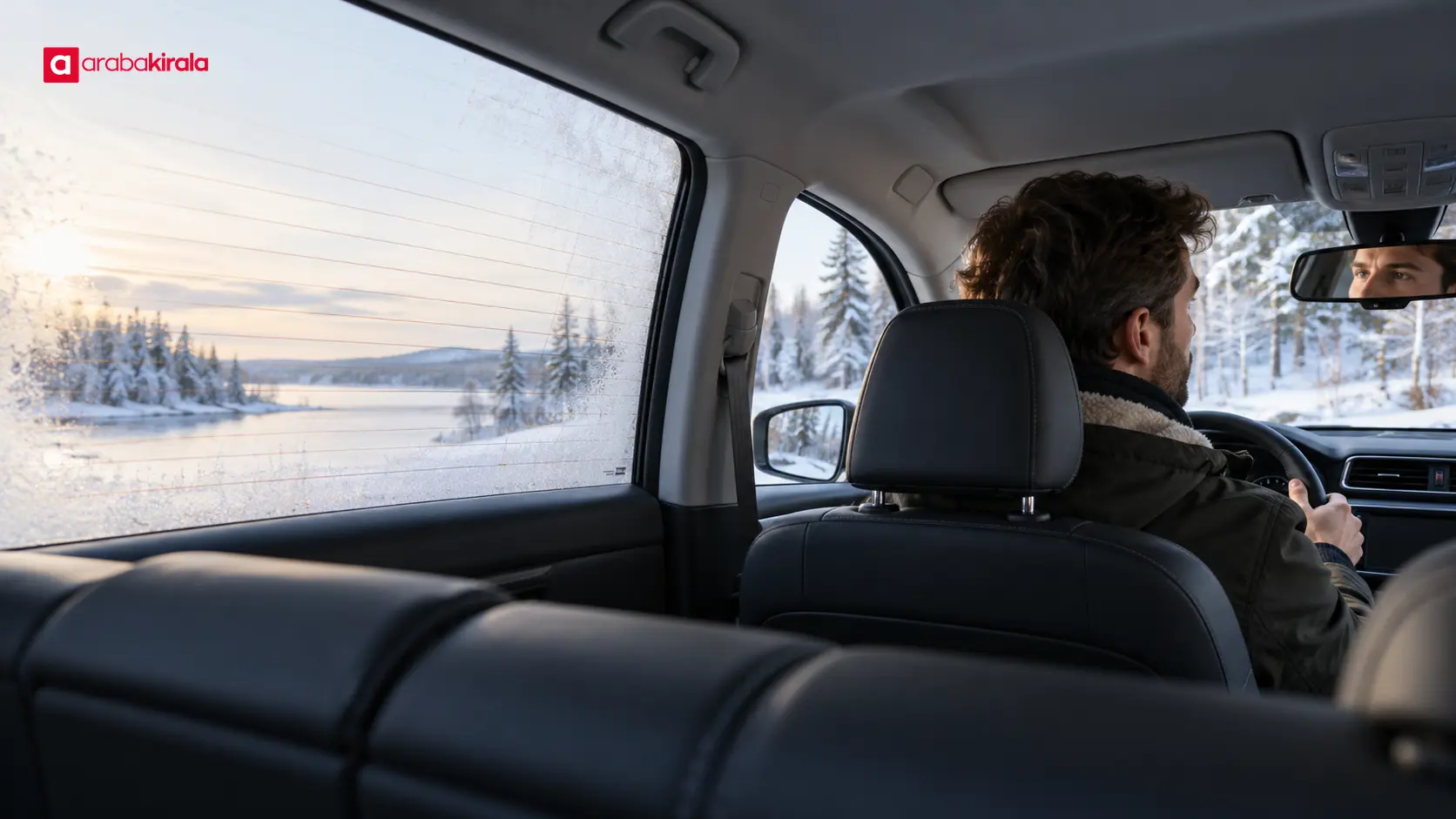
A rear-window defroster uses conductive lines placed on the glass. Pressing the control, usually marked with a rear-window symbol, allows electrical current to pass through those lines. They warm the glass and help reduce the thin layer of moisture on its surface. In this way, the rear defroster heats the glass directly, unlike the front demisting setting that mainly directs air across it.
The heating elements are often visible as horizontal lines across the rear window. They are delicate conductors that form part of the glass assembly. Scraping them with a hard object or using abrasive cleaning methods can damage them. Clean the inside of the window gently and follow the vehicle manual’s guidance for suitable products and methods.
On some vehicles, activating the rear-window defroster also heats the side mirrors, but this feature is not universal. An indicator light shows that the control has been activated; it does not mean the glass will clear immediately. The time needed depends on the weather, the amount of moisture, and the vehicle’s system. Some vehicles switch the defroster off automatically to manage electrical load. That behaviour varies, so check the owner’s manual rather than assuming every car works the same way.
How the two systems differ
Windshield defogging usually directs air onto the glass, while the rear-window defroster warms conductive lines in the glass itself. Both support visibility, but they have different controls and potential fault signs. If little or no air reaches the windshield, the fan, airflow selection, or ventilation system may need attention. If only parts of the rear window clear, some heating lines may be damaged. Neither symptom identifies the cause on its own. Ask a qualified technician to inspect a persistent problem.
What to check if the glass stays cloudy
If the windshield setting is selected but there is no airflow, check that the fan is on and that the airflow control is set correctly. If air is flowing but fog remains, high cabin humidity, a dirty glass surface, or an obstructed air inlet may contribute. A film on the inside of the glass can also make glare worse. Clean the window with a suitable glass product and a soft cloth.
If the rear defroster indicator does not come on, consult the manual to confirm how the control operates. If the light is on but certain areas do not clear, avoid scraping the lines or touching electrical connections. Have the system checked by a service professional recommended by the vehicle maker or another qualified technician. Electrical diagnosis and repair require appropriate knowledge and equipment.
What to check when collecting a rental car
When collecting a rental car, learning where the windshield and rear-window controls are can save time before driving in cold or rainy conditions. Ask the staff member to show you the controls and where the owner’s manual is kept. You can activate the rear defroster and check whether its indicator appears; ask how the system is meant to operate rather than waiting for the whole window to clear during handover. If a function does not work, report it to the branch before leaving and clarify the next step. This check helps you understand the equipment in the specific vehicle; it should not be taken to mean that every car has the same features.
A short visibility check before driving
- Are the front, rear, and side windows clear, and can you see adequately through the mirrors?
- Do you know which controls direct air to the windshield and activate the rear defroster?
- Are the air outlets clear, and is there noticeable moisture inside the cabin?
- If visibility remains limited, have you stopped safely and waited for the windows to clear?
Windshield airflow and rear-window heating address the same practical need through different means: a clear view of the road and surroundings. Learn the controls in the vehicle and wait until all relevant glass is clear before moving. If you are unsure how a function works in a rental car, ask the branch where you collected it.
Frequently Asked Questions
Is a windshield defroster the same as directing air onto the windshield?
No. Directed airflow uses the ventilation system to send air toward the glass. An electric windshield heater, when fitted, uses conductors or heated areas within the glass. Not every vehicle has electric front-glass heating.
Why does the rear defroster have horizontal lines?
The lines conduct electricity and warm the glass surface. Because they are delicate parts of the glass assembly, avoid scraping or scrubbing them forcefully while cleaning.
How long does a rear-window defroster take to clear condensation?
There is no single time that applies to every car. Weather, moisture, glass condition, and system design all matter. Wait until the view is clear and check the manual for any indicator or automatic shutoff behaviour.
What should I do if only part of the rear window clears?
Some heating lines may not be working, but that observation alone does not reveal the cause. Do not try to repair or scrape the lines; arrange an inspection by a qualified technician.
Can I drive as soon as I turn on the defoggers?
No. Switching on a system does not mean visibility has already improved. Wait until you can see clearly through the front, rear, and side windows and the mirrors you need for safe driving.
Legal Disclaimer: All content, articles and information on the Araba Kirala website are provided solely to inform users. No information shared on this website constitutes definitive advice or guidance. Araba Kirala Teknoloji A.Ş. and its authors cannot be held responsible for any direct or indirect damages arising from the application of information on the website. For all questions and requests regarding car rental, please contact the office from which you will rent your vehicle.












