How Windshield Pillars Affect a Driver’s View
Published: October 30, 2026 • Reading Time: 7 min • Last Updated: October 30, 2026
Learn how front windshield pillars can obscure parts of the view, how small head movements help, and how to check your surroundings systematically.
Contents
- Windshield pillars and the field of view
- Why head movement helps
- A systematic check at intersections and turns
- Using mirrors when changing lanes
- Seating position and getting familiar with a car
- What to avoid when trying to improve visibility
- Before driving a rental car
- In brief: small movements and regular scanning
- Frequently Asked Questions
Front windshield pillars can block part of a driver’s view, while a suitable seating position, small head movements, and repeated checks help manage that limitation. This guide explains what the A-pillars are, how they can create temporary obscured areas, and how to check more methodically at intersections, during turns, and before changing lanes.
Windshield pillars and the field of view
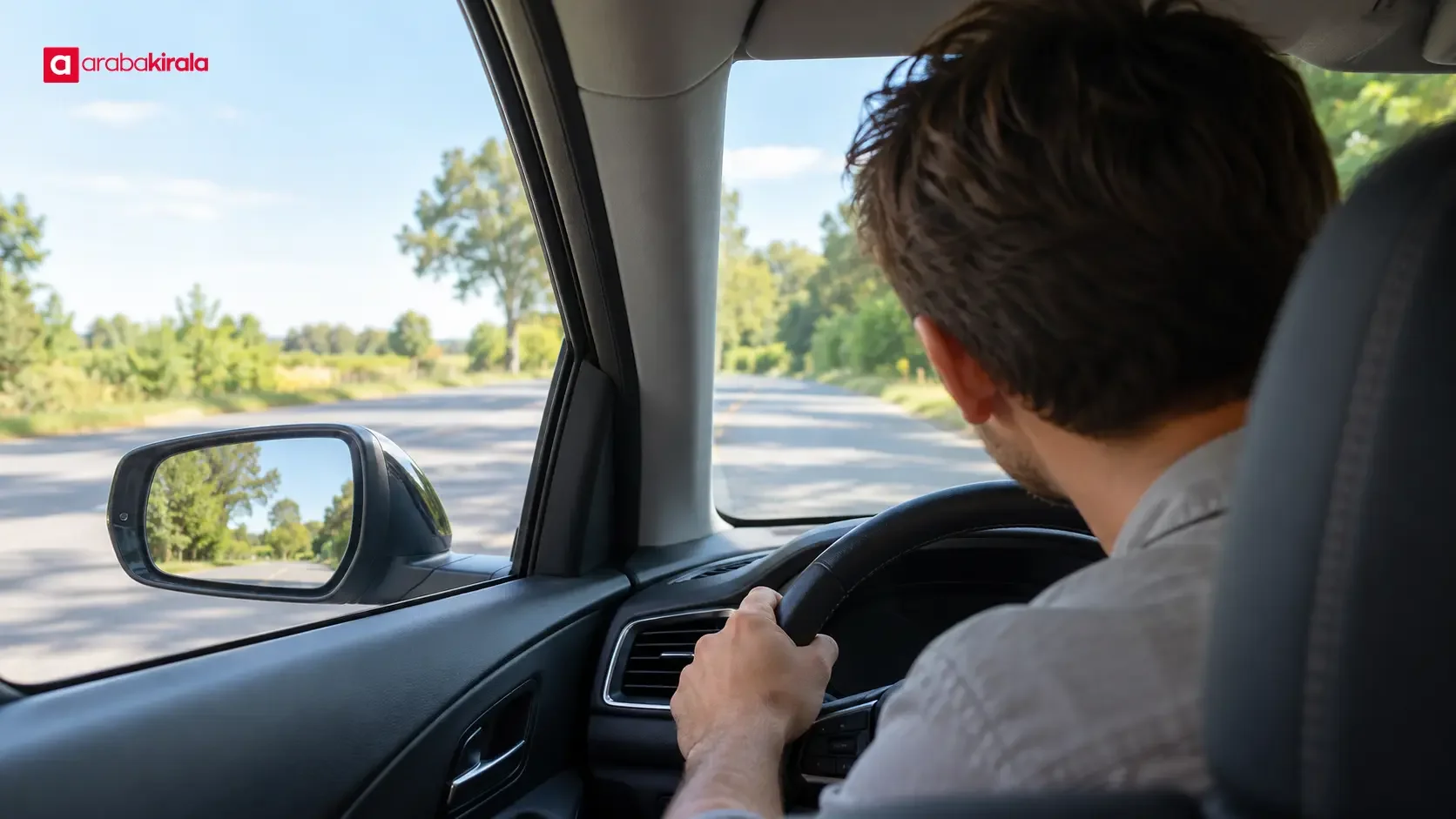
The structural pieces on either side of the windshield that connect it to the roof and body are commonly called A-pillars. Their width, angle, and interior trim vary with vehicle design. Because an A-pillar sits beside the front edge of a side window, it can cover part of the forward diagonal view. The driver’s height and seat position also affect where the pillar appears along the driver’s line of sight.
The resulting obscured area is not a fixed blind spot that remains in exactly the same place in every situation. Moving your head or upper body changes your position relative to the pillar and can reveal a different part of the scene behind it. Keeping your head still, however, may allow a narrow object such as a pedestrian or cyclist to disappear behind the pillar briefly. That is why it helps to use small, controlled changes in viewing position instead of relying on a single glance through the windshield.
Why head movement helps
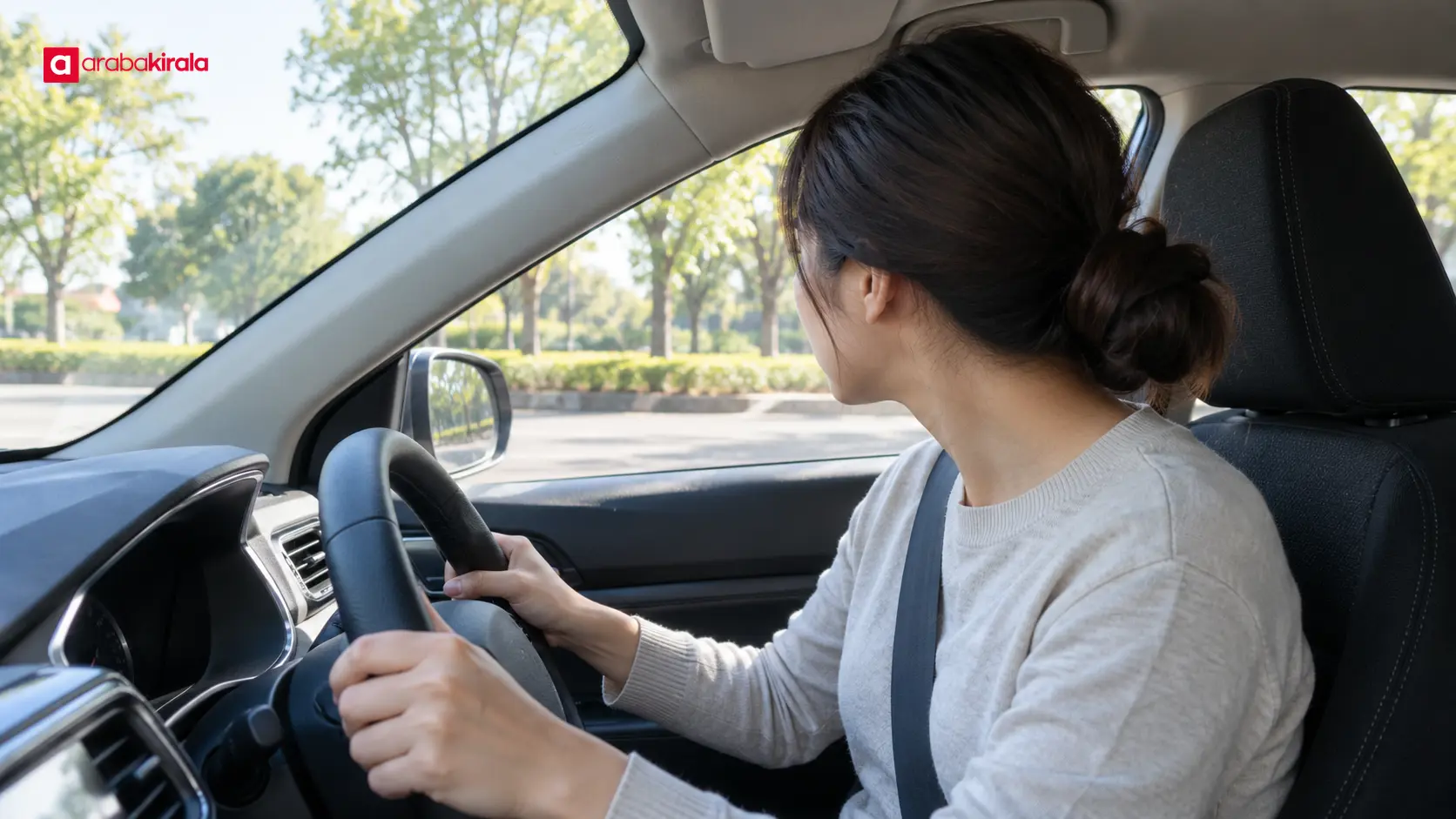
When you shift your head slightly to one side or lean forward a little, your eyes move relative to the pillar. That change can open a view of an area that was hidden from your previous position. The movement should be modest: the goal is to scan from another angle, not to leave the seat or strain to see around the structure. Use a short glance, then return your attention to the direction of travel.
Head movement alone is not a complete safety method. Looking through the windshield and side windows, checking mirrors, and adjusting speed and position to the conditions work together. A person or vehicle can move after you check an area. In a busy intersection, continue monitoring changes in the scene and check again when needed; a one-time look only records what was visible at that moment.
A systematic check at intersections and turns
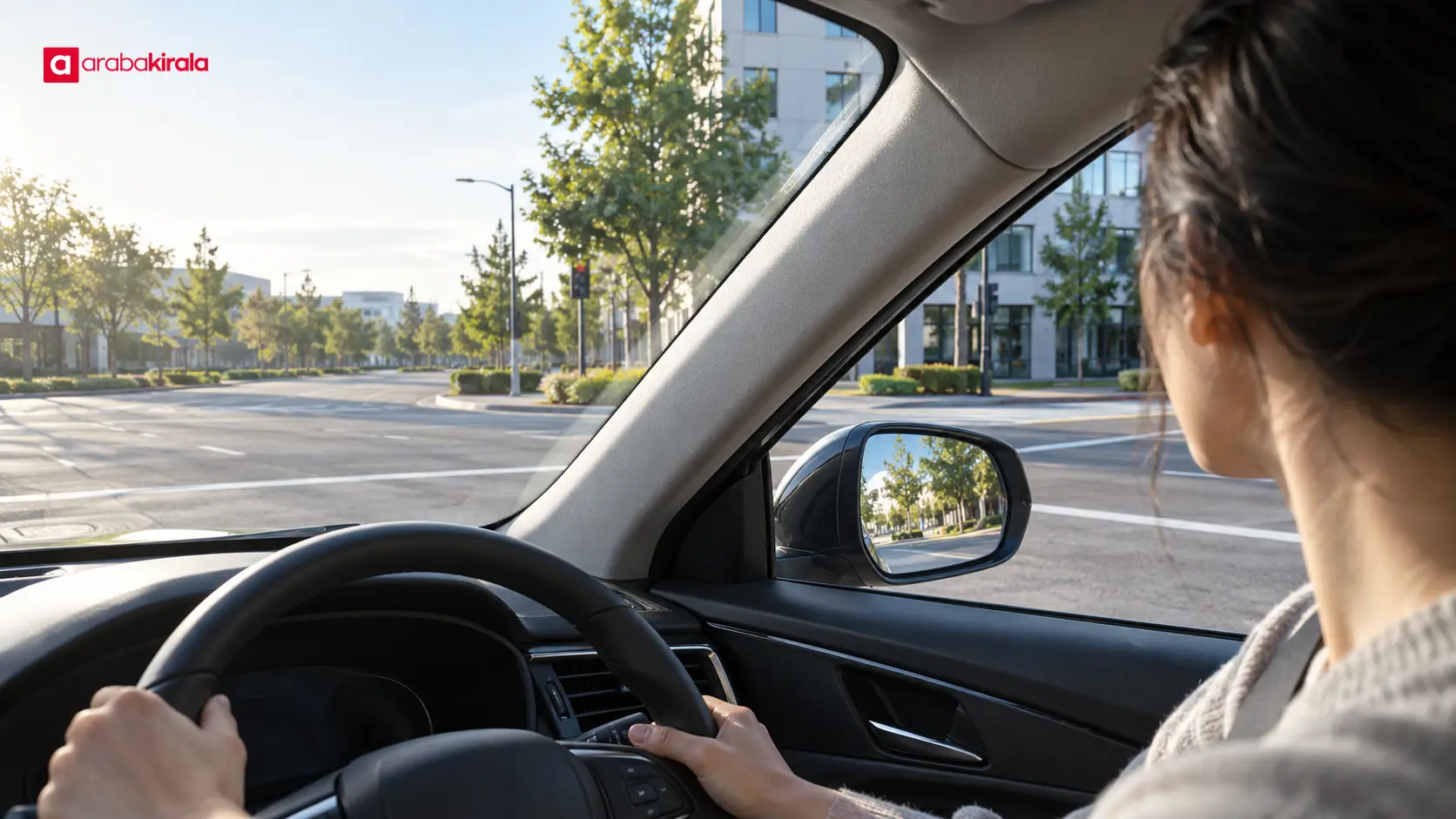
As you approach an intersection, first observe the traffic signals, road markings, and general flow. Then check the nearby area in the direction you intend to travel. An A-pillar may briefly obscure a pedestrian, cyclist, or motorcyclist approaching from an angle. Keeping your speed appropriate to visibility and road conditions gives you more time to assess what is happening. Before moving, shift your head slightly to scan the area behind the pillar from another position.
During a turn, do not fix your gaze only on the space immediately in front of the vehicle. Scan the intended path, the crossing, and the roadside in sequence. The pillar’s position in your view changes as the turning angle changes. An area hidden during the first glance may become visible as the vehicle moves, but do not assume it will: proceed only when conditions allow a safe and lawful movement. Reduce speed near pedestrian crossings and watch for people crossing.
Using mirrors when changing lanes
The A-pillar mainly affects forward diagonal visibility, while a lane change also requires checking the side and rear surroundings. Look at the rear-view and side mirrors, then make a brief over-the-shoulder glance toward the lane you plan to enter. This can help you assess the area immediately beside the car that may not appear in a mirror. To check the forward diagonal area behind the pillar, shift your head slightly and then return your gaze to the road.
Do not reduce the sequence to one memorized movement: traffic, road layout, and your vehicle’s position can differ. If the mirror image and your direct view do not agree, avoid rushing; maintain a safe speed and position while reassessing the scene. A turn signal communicates an intention, but it does not show that the lane is clear. The driver still needs to check visibility before moving.
Seating position and getting familiar with a car
Set the seat, steering wheel, and mirrors so you can reach the controls and see the road comfortably. A seat that is too far back can make pedal access and forward visibility harder; sitting too close can affect comfort and steering control. Adjustment methods vary by vehicle. Before driving, use the owner’s manual to learn where the controls are and how to adjust them.
When you get into a different car, the pillar position, window area, and seating height may feel different from what you are used to. Adjusting the seat and mirrors and studying the view while parked helps you become familiar with the vehicle before moving. If the pillar seems to obstruct your view often, reset your seating position safely before setting off. If you are renting a car, take a moment before departure to understand its controls and adjustments.
What to avoid when trying to improve visibility
- Do not approach an intersection or crossing quickly while expecting something to emerge from behind the pillar. Reduce speed when visibility is limited and check the surroundings carefully.
- Do not keep your head turned for a long time. Make a brief check and bring your gaze back to the direction of travel.
- Pay attention to items, dirt, or condensation that obstruct the inside or outside of the windshield and side windows. Address visibility obstructions before driving.
- Do not lean so far that you lose control of the steering wheel. Adjust the seat while the vehicle is stationary if you need to improve your view.
- Do not treat mirrors as a replacement for looking around directly. Mirrors and head movement show different areas; use them together when appropriate.
Before driving a rental car
Before moving a rental car, adjust the driver’s seat, steering wheel, and mirrors, then take time to get used to the body dimensions and pillar position. While parked, review the forward diagonal view and remember that direct observation matters for areas the vehicle structure hides. The owner’s manual may explain adjustment controls and how any driver-assistance features work. If you are unsure how a vehicle-specific feature operates, ask the branch where you collect the car.
A driver-assistance feature does not remove the need for attention and observation. Read the manual to understand the alerts and limitations of systems fitted to the car. Do not assume that a system will detect an area you cannot see. These are general preparation steps for driving an unfamiliar vehicle, not a statement about ArabaKirala’s service terms.
In brief: small movements and regular scanning
Windshield pillars can obscure portions of the forward diagonal view, with the effect depending on the driver’s position and the vehicle’s design. Set your seat appropriately, shift your head in a short and controlled way, use the mirrors, and recheck a changing scene to assess visibility more systematically. Adapt speed to what you can see at intersections and during maneuvers. When driving a different car, learn its controls and view before setting off.

Frequently Asked Questions
Why does the pillar beside the windshield block part of the view?
The A-pillar is part of the structure that connects the windshield to the car’s roof and body. When an object and the pillar line up from the driver’s position, the object can be hidden briefly behind it. The extent depends on the vehicle’s design and the driver’s seating position.
When should I move my head?
At an intersection, during a turn, or when you need to assess the forward diagonal surroundings, shift your head slightly to one side to check behind the pillar. Keep the check brief, return your gaze to the direction of travel, and continue watching for changes around you.
Can mirrors show every area obscured by an A-pillar?
No. Mirrors show different parts of the side and rear surroundings. Direct views through the windows are also needed to assess the forward diagonal area. When changing lanes, supplement mirror checks with an appropriate direct glance.
Does seat adjustment affect visibility?
Yes. Your eye level and position in the car change where the pillar falls in your line of sight. Set the seat so you can reach the pedals and steering wheel safely, then adjust the mirrors for that seating position.
What should I check first when switching to a rental car?
While the car is stationary, adjust the seat, steering wheel, and mirrors to suit your driving position. Familiarize yourself with the view and basic controls. If you are unsure about a feature, consult the owner’s manual or ask the branch where you collect the car.
Legal Disclaimer: All content, articles and information on the Araba Kirala website are provided solely to inform users. No information shared on this website constitutes definitive advice or guidance. Araba Kirala Teknoloji A.Ş. and its authors cannot be held responsible for any direct or indirect damages arising from the application of information on the website. For all questions and requests regarding car rental, please contact the office from which you will rent your vehicle.