
Winter Visit to Lake Çıldır: Check Ice and Road Conditions
Published: October 17, 2026 • Reading Time: 6 min • Last Updated: October 17, 2026
Plan a winter trip around Lake Çıldır by verifying current ice and road information before setting out. Prepare for the drive, keep to safe shore areas, and adapt your itinerary to changing conditions.
Contents
This guide explains how to verify ice and access conditions before a winter trip to Lake Çıldır, prepare for the drive, and spend time around the lake safely. A surface that looks frozen from the shore is not proof that it is safe to walk or drive on. Build your plan around current local information, and if conditions are unclear, enjoy the view from a safe shore area.
What a frozen appearance can and cannot tell you
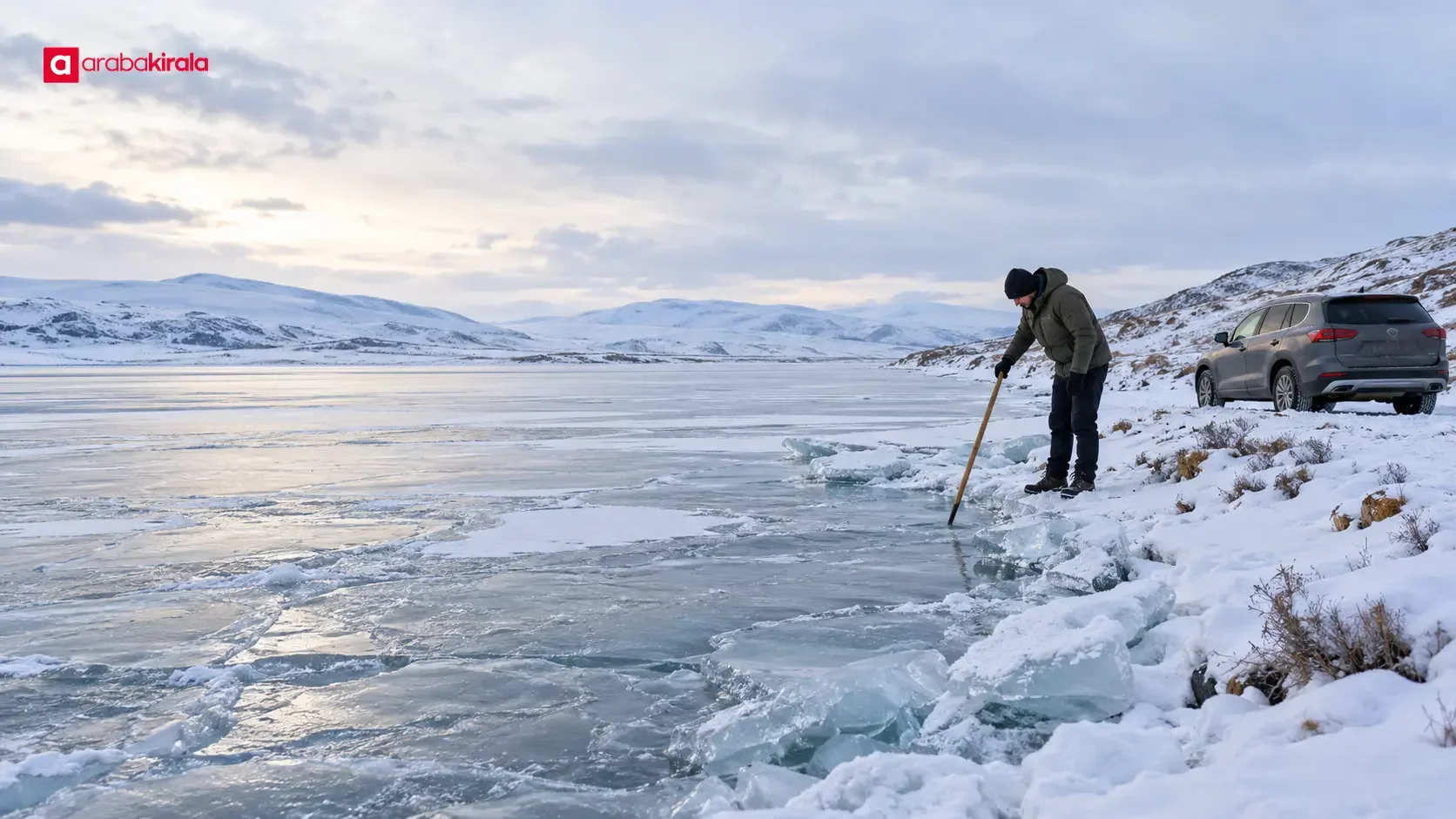
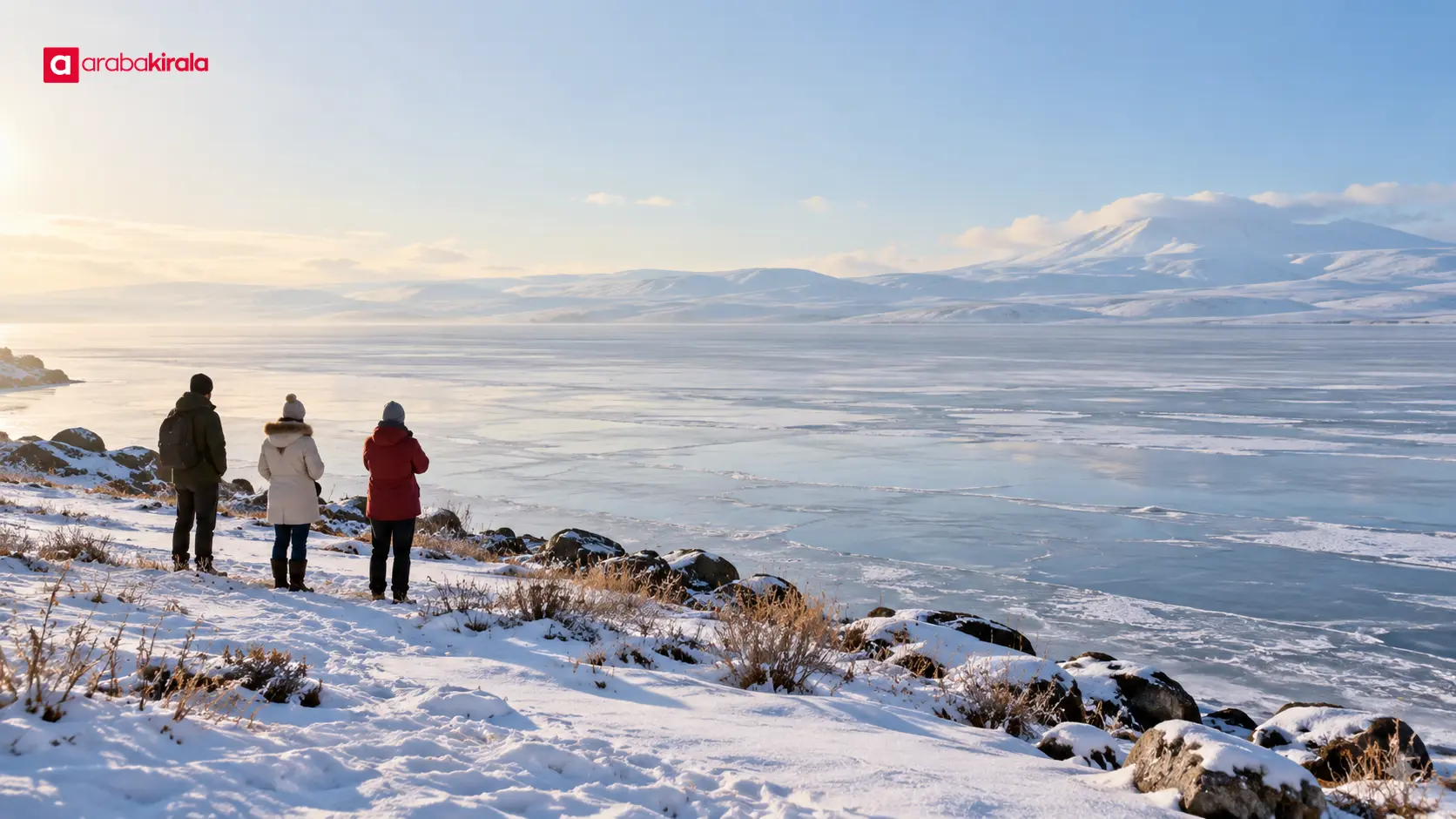
The appearance of lake ice does not reliably reveal its thickness, load-bearing strength, or whether conditions are consistent across the surface. Weather can change quickly, while the shoreline, areas near open water, and wind-exposed stretches may have different conditions. Snow can also hide cracks and openings. A photograph, a social media post, or someone’s experience on a previous date cannot establish that the ice is safe today.
If you are considering an activity on the ice, seek clear, current information for that specific day and area from the responsible local authority or an authorized activity operator. Do not step onto the surface if it is unclear that safety checks and boundaries are in place. Do not estimate ice thickness by sight, follow other people’s tracks, or drive onto the lake. Keeping a safe distance still allows you to appreciate the winter landscape.
Verify access before you travel
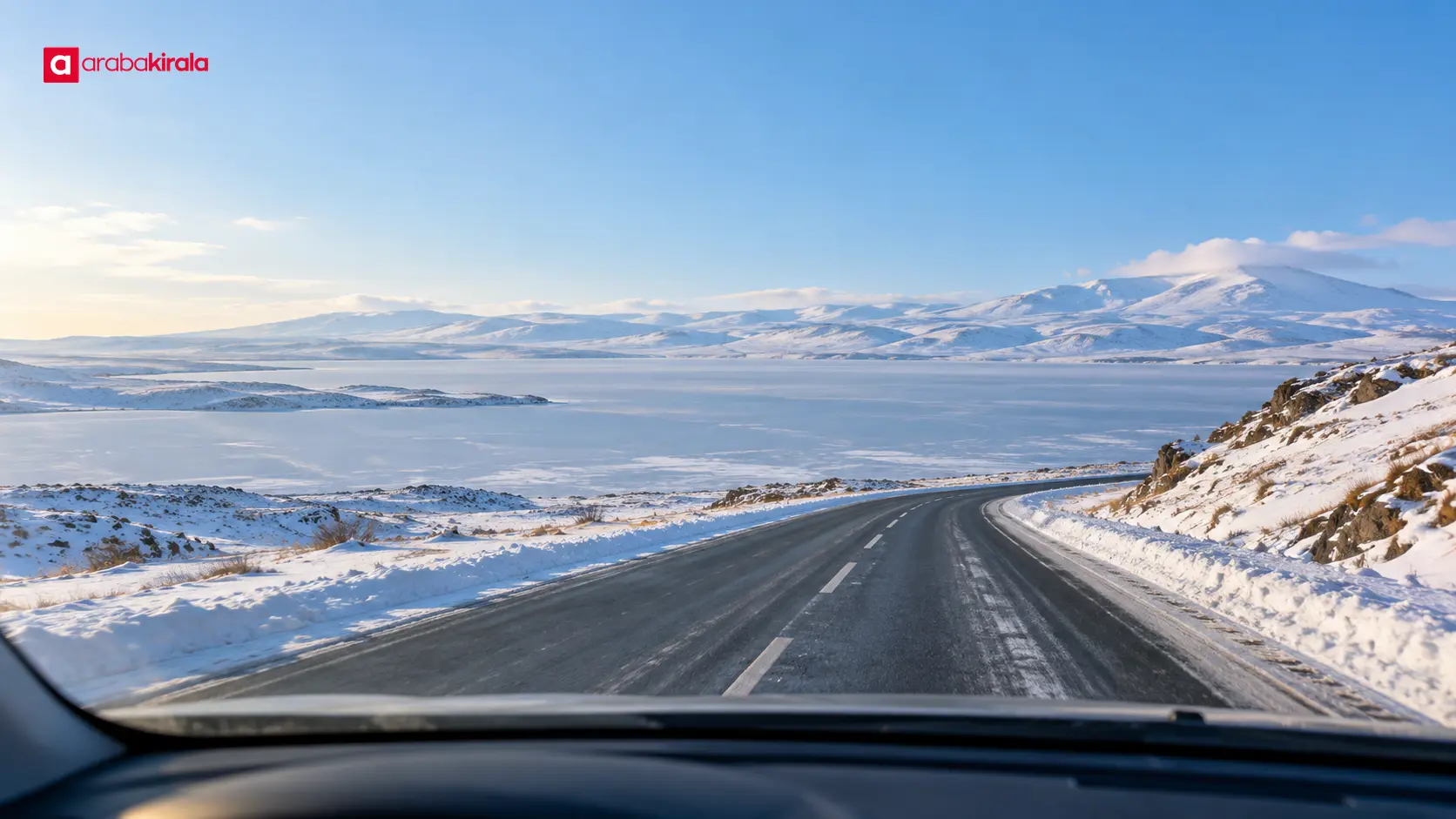
Winter access around Lake Çıldır can change with weather, snow, icy surfaces, and road maintenance. A route that appears open on a map may not be suitable at that moment. Check official road-condition updates and local authority notices on the day you travel. Information from nearby accommodation or visitor locations can add context, but official notices should guide decisions when road conditions are changing.
Check in two stages
- Before departure, review the main route, a possible return alternative, the forecast, and official road notices.
- Check again as you approach the area. If there is heavy snow, ice, fog, or a closure notice, postpone the visit or change plans from a safe location.
- Leave enough time to arrive and return in daylight. Winter visibility and road speeds can vary, so do not rely only on a map’s estimated travel time.
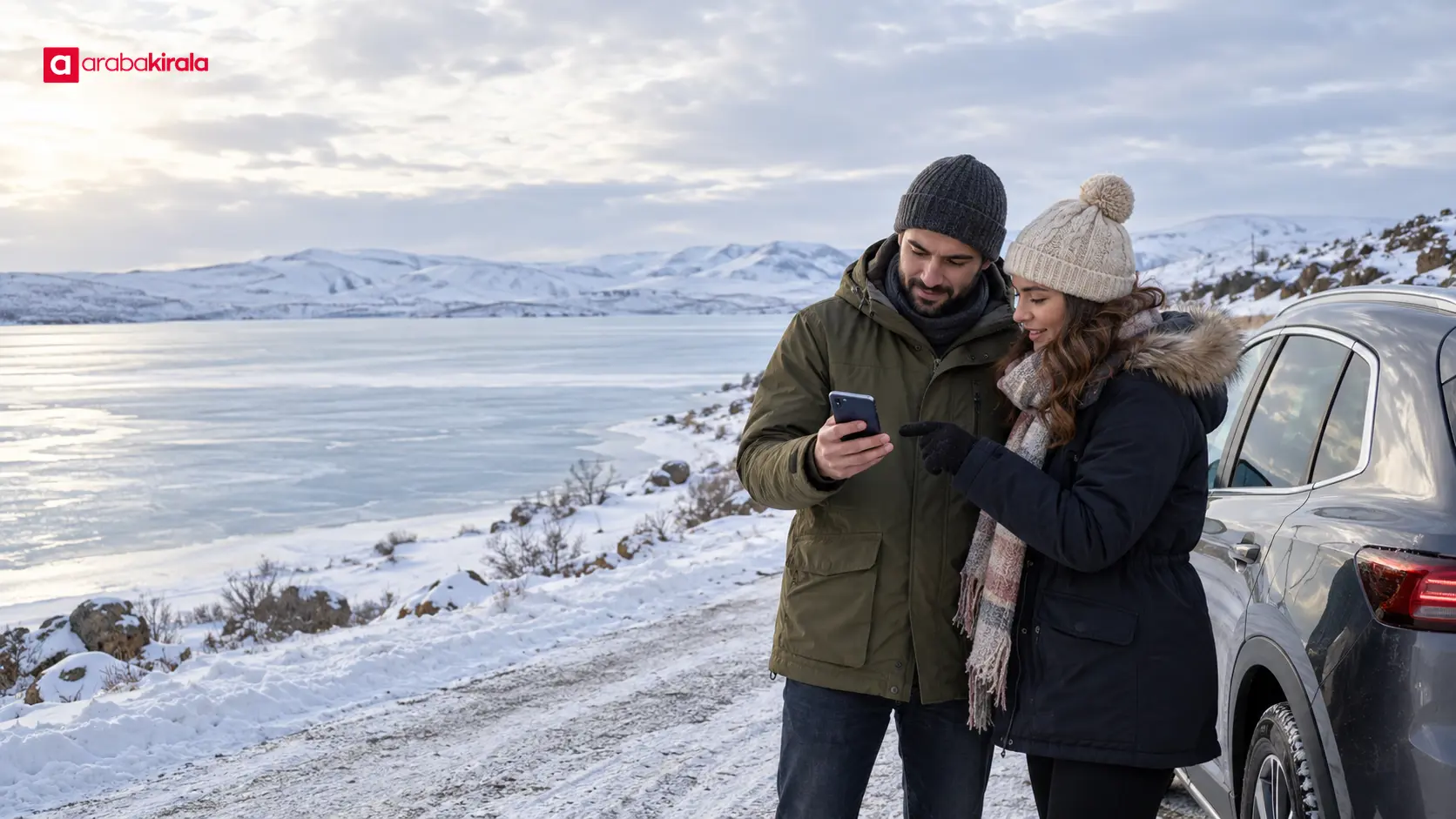
- Charge your phone and prepare essential route information for offline use. Share a check-in and communication plan with your travel companions in case mobile coverage is interrupted.
If current information is unavailable or notices conflict, do not treat driving a remote route or going onto the ice as the default plan. The visit need not depend on a single activity: shore views, nearby settlements, and short stops that suit the weather can all be part of the itinerary.
Prepare for winter driving and a rental car
When choosing a vehicle for a winter trip, consider more than passenger and luggage capacity. Road surface, gradients, forecast conditions, distance from populated areas, and passengers’ needs also matter. Before renting, ask the branch whether the vehicle has tires and equipment suitable for the conditions you expect. Vehicle features, equipment, and handover details may vary by reservation and branch, so confirm them rather than assuming.
At pickup, pay attention to the vehicle manual and dashboard warnings. Check that windows, lights, and wipers work, and visually inspect the tires. If you notice a warning or a problem, tell the branch before setting off. Warm layers, gloves, water, snacks, a phone charger, and necessary personal medication can help if you are delayed or need to wait. These preparations cannot guarantee that roads will be open or ice will be safe.
Details to confirm at booking and pickup
- Ask whether the tires and equipment on the planned vehicle are suitable for the winter conditions along your route.
- Find out how to contact roadside assistance and what steps to take if the vehicle develops a problem.
- Confirm reservation-specific details such as mileage, pickup time, and return time with the branch; do not treat them as universal practices.
- Review the vehicle’s existing scratches and damage at pickup and make sure the record is accurate.
Stay safe around the lake
Park only in suitable, permitted areas. Do not stop on a narrow or snow-covered roadside where the vehicle could obstruct visibility or traffic. On shore walks, watch for ice, slush, standing water, and slippery surfaces hidden under snow. Keep children close near the water. If fog, strong wind, or rapidly worsening weather reduces visibility, shorten the walk and return to the vehicle or a safe indoor place.
Avoid disturbing wildlife and take your waste with you. Taking a photograph should not require stepping onto the ice, crossing shore boundaries, or entering marked safety zones. Follow local warnings and directions. If an ice activity is being offered, ask the responsible operator directly whether it is running that day, which area it uses, and what safety briefing is provided to participants.
Keep the itinerary flexible
A good winter plan does not mean following the same route in every condition. A road closure, dense fog, or unverified ice information is reason enough to postpone. If conditions deteriorate after you set out, stop somewhere safe and check official updates again; do not search for alternatives through risky maneuvers. Plan fuel and breaks around settlements, while avoiding assumptions that a particular station or service will be open.
A rental car may meet your transportation needs for the trip. Start with the relevant city or location information, then confirm vehicle availability, pickup arrangements, and reservation details directly with the branch you plan to use. Renting a vehicle does not authorize driving onto ice or guarantee that the lake area is accessible. Base the final decision on road and weather conditions.
Final check for a safe winter visit
Before leaving, refresh official road notices and the forecast, and verify same-day safety information from an authorized source if you plan to join an ice activity. Confirm winter suitability, vehicle condition records, and the assistance contact process. Pack warm clothing and essentials, and respect safe parking and shoreline boundaries. If information is missing, stay off the ice; if conditions are unsuitable, postpone the trip. Your next step is to choose a route and transport plan, then check current conditions again before departure.
Frequently Asked Questions
How can I tell whether the ice on Lake Çıldır is safe?
You cannot determine safety from appearance, air temperature, or another visitor’s experience alone. Verify clear, current information for the specific area from the responsible local authority. If that information is unavailable, stay off the ice.
Are roads to Lake Çıldır always open in winter?
No. Weather, snow, ice, and road works can change access. Check official road notices before leaving and refresh them as you approach the area.
Can I drive a rental car onto the frozen lake?
No. Do not plan to drive any vehicle onto the ice. Its strength cannot be judged by appearance, and driving onto it creates serious danger. Use the car on appropriate roads and in suitable parking areas.
What should I ask when renting a car for a winter trip?
Confirm with the branch whether the tires and equipment suit your intended route, how to contact assistance, and the pickup, mileage, and return details specific to your reservation. Do not assume these are the same for every vehicle or branch.
What should I do if the weather worsens?
If visibility falls, road notices become unfavorable, or driving no longer feels safe, postpone the trip or stop at a suitable place. If information about an ice activity cannot be verified, limit the visit to safe shoreline viewing or choose another day.
Legal Disclaimer: All content, articles and information on the Araba Kirala website are provided solely to inform users. No information shared on this website constitutes definitive advice or guidance. Araba Kirala Teknoloji A.Ş. and its authors cannot be held responsible for any direct or indirect damages arising from the application of information on the website. For all questions and requests regarding car rental, please contact the office from which you will rent your vehicle.












