
Winter Visit to Lake Tuz: Daylight, Wind and Stops
Published: October 16, 2026 • Reading Time: 7 min • Last Updated: October 16, 2026
Plan a winter trip around Lake Tuz by considering daylight, wind, changing shoreline conditions, nearby stops and a safe drive.
Contents
A winter visit to Lake Tuz calls for a little more planning than a warm-weather stop: daylight is limited, open shores can feel windy, and the lake’s water level changes the view and the ground near the water. This guide explains how to time your visit, choose stops around the basin, prepare for the cold and travel by car with care. Winter scenery should not be treated as a chance to walk across the salt flats: official Aksaray tourism information notes that water levels rise in winter and begin to recede in spring.
What changes around Lake Tuz in winter?
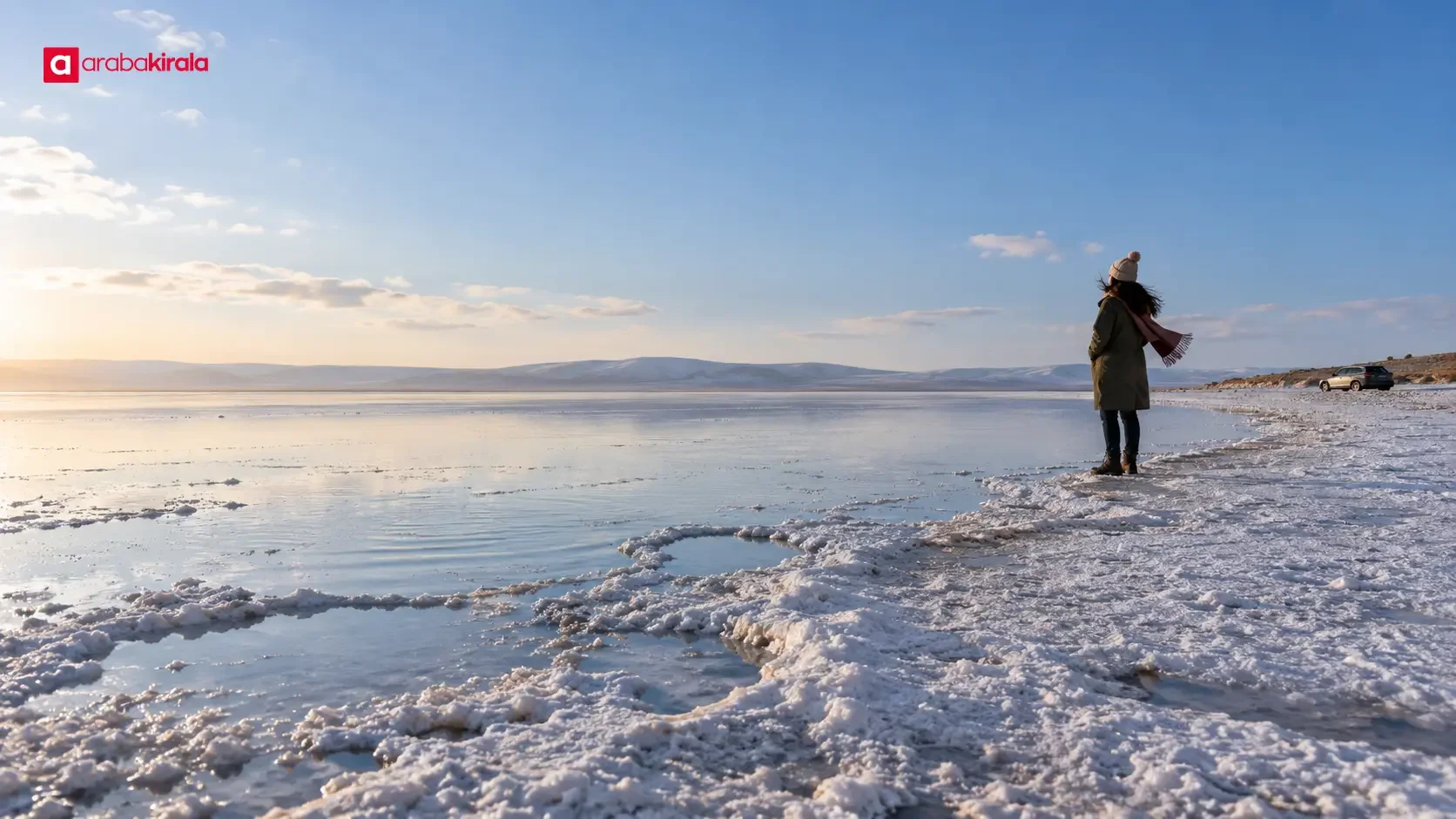
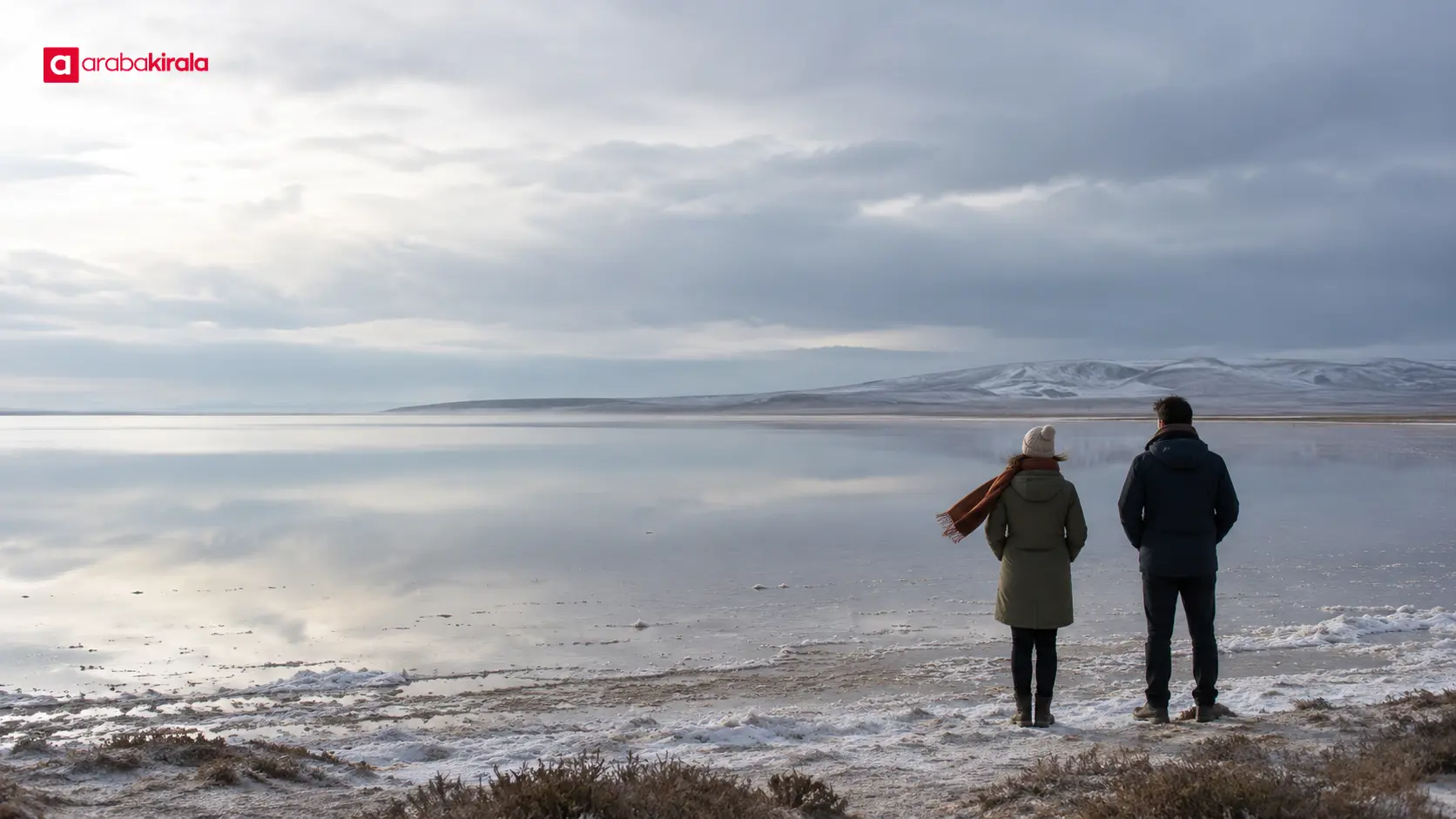
Lake Tuz lies in a broad basin in Central Anatolia, in the wider area shared by Aksaray, Ankara and Konya. Its vast, open setting gives visitors a long horizon, but the shoreline is not fixed throughout the year. With winter water levels higher, the surface and access near the edge may differ from the dry salt crust often associated with summer. Plan to observe the lake from a safe shore point rather than expecting the same walking conditions in every season.
Clouds, low sun and water can change the lake’s colors over the course of a day. The open landscape is attractive for photography, yet it offers little shelter from wind. A patch of ground that looks firm from a distance may be wet, soft or uneven. Stay on ground you can assess, keep away from the water’s edge when footing is uncertain, and do not drive onto salt, mud or standing water.
Plan around short winter daylight
Build the day backward from sunset, allowing time for the drive, breaks and time at the shore. Check the current sunrise and sunset times for your travel date. A map estimate is only a starting point: winter weather, road conditions, traffic and rest stops can all affect the journey. Add a margin for the return drive so that you are not relying on fading light to find a parking area or navigate an unfamiliar route.
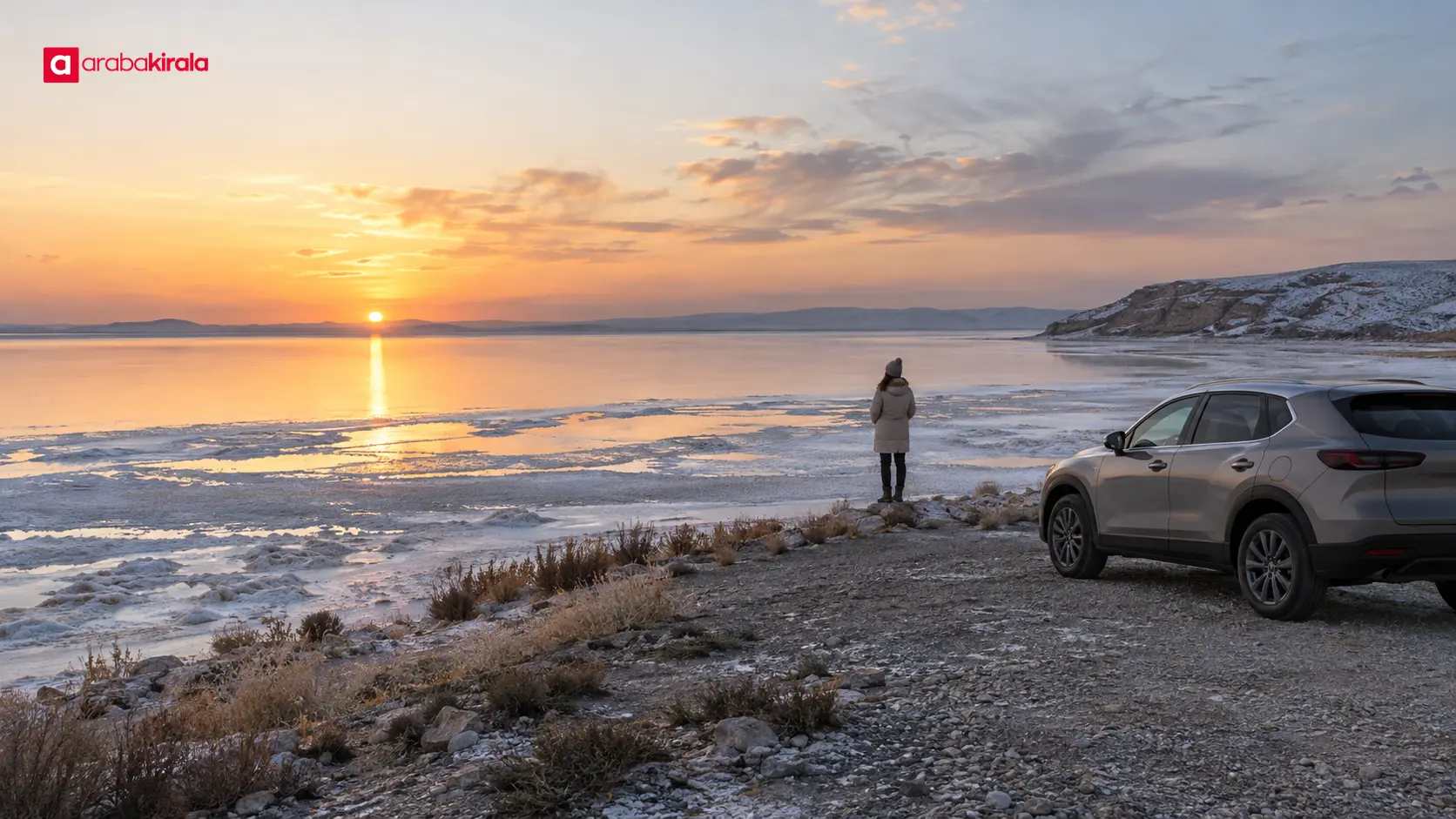
Midday generally offers the longest stretch of useful daylight. If sunset is part of your plan, aim to reach the shoreline well before the final light and decide in advance where you will park and turn back. Bring a charged phone, a charging cable and an offline map in case connectivity is limited. Sharing your intended route with someone before setting out is also a sensible travel habit.
Keep the schedule flexible
Set one main lake stop and leave room to shorten your time outdoors if the wind or cold becomes uncomfortable. Brief photo stops followed by a warm-up break can make the visit more manageable. Park only where it is safe and permitted, without obstructing traffic. If weather or road conditions worsen, change the plan rather than trying to keep to a fixed itinerary.
Dress for wind and cold
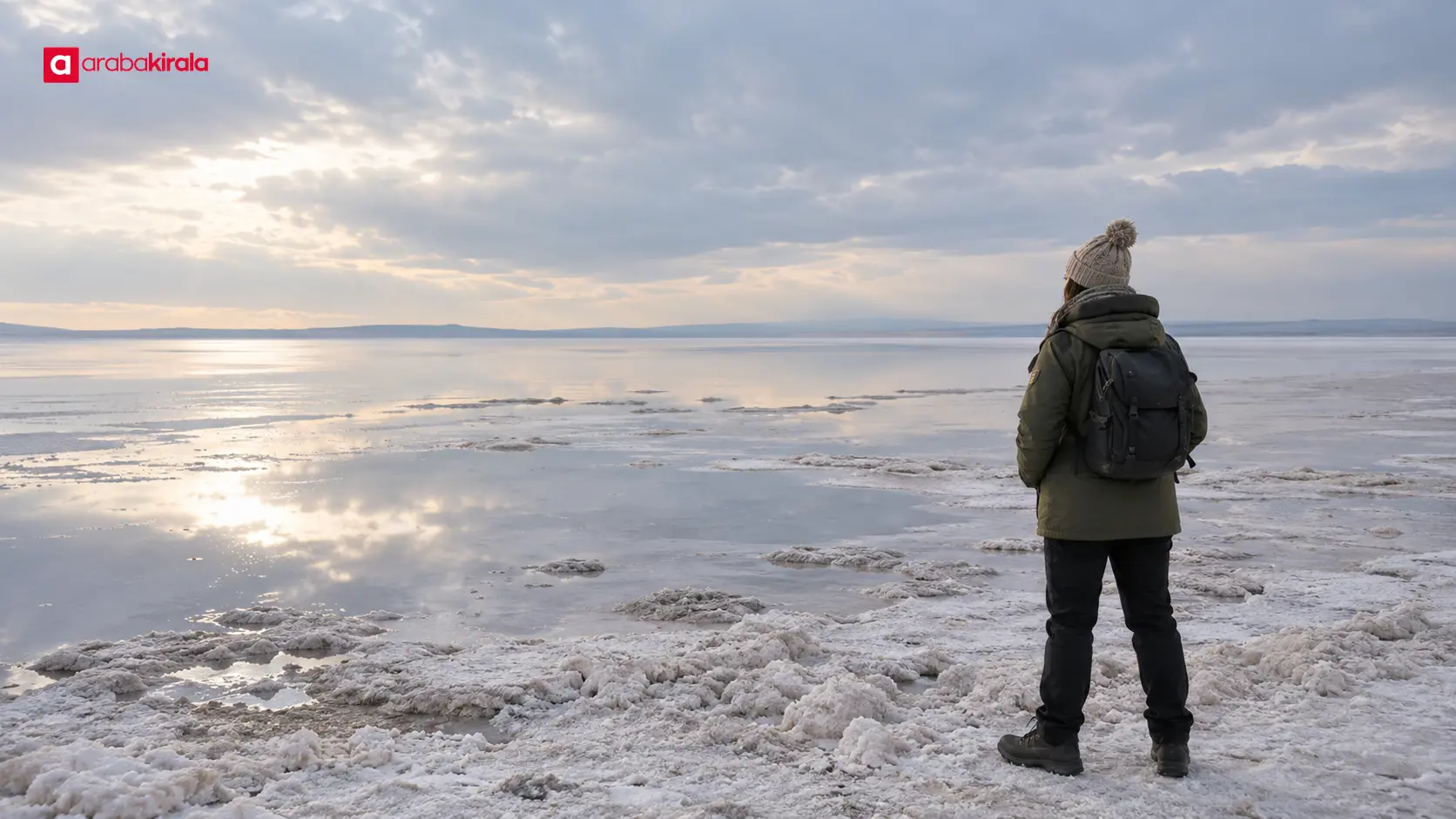
Winter in Central Anatolia can be cold, and exposed areas around the lake can feel colder when wind picks up. Check the forecast for wind and precipitation as well as temperature. Layered clothing, a wind-resistant outer layer, gloves, a warm hat and shoes with a reliable grip are useful for time outdoors. Consider carrying spare socks and a small towel if the ground may be damp or muddy.
Cold can make it harder to handle a phone or camera. Keep photo sessions short, put equipment away between shots and expect batteries to run down faster in low temperatures. If you feel numb, unsteady or excessively cold, return to shelter. With children or anyone with limited mobility, keep walking distances and exposure to wind short, and choose an easy-to-reach viewing point.
Choose stops and routes carefully
The Lake Tuz basin is extensive, and places that appear close to the lake on a map do not necessarily offer the same access, facilities or view. Confirm that your chosen shore point is accessible and suitable for visitors, and check parking arrangements before setting out. Nearby towns can serve as places to break the drive, but factor in realistic winter travel times between stops.
For a day trip, make the lake the main destination and add another stop only if it is reasonably close, open and reachable in the conditions. A distant attraction can take away the daylight you meant to spend at the shore. If you are combining the lake with other natural or cultural sites in the Aksaray area, check each place’s current winter access and visiting information through an official source. Opening times, road access and visitor arrangements can change.
Driving and using the shoreline safely
Before leaving, plan the route, fuel or charging needs, breaks and return journey. Adjust speed to visibility and the road surface, leave ample following distance and avoid abrupt movements. Keep practical items such as a phone cable, water and weather-appropriate clothing in the car. Do not continue toward the lake if road or weather conditions are unsuitable.
If you are using a rental car, ask the branch where you will collect it about details specific to your booking, such as the vehicle’s winter equipment, existing-condition records and what to do if you need assistance. Review the vehicle’s condition when you collect it and clarify how any observations are recorded. Do not assume a particular vehicle feature or service is included in every reservation.
At the lake, use a safe, permitted parking area. Do not take a car onto soft, muddy or salt-covered ground to get closer to the water; a vehicle can become stuck or damaged. Respect any local access arrangements, take rubbish away with you and avoid disturbing birds and other wildlife in the basin.
Before-you-go checklist
- Weather: Check current temperature, wind, precipitation and road conditions.
- Timing: Set an arrival time that leaves daylight for the visit and return trip.
- Route: Confirm access to your chosen shore point, parking and a return route.
- Clothing: Pack wind-resistant layers and shoes suited to potentially wet ground.
- Vehicle: Ask your rental branch about booking-specific winter equipment and assistance details.
- Nature: Stay on safe ground, take rubbish with you and give wildlife space.
Make a daylight-first, flexible plan
A rewarding winter trip to Lake Tuz starts with accepting that the shoreline and water conditions change with the season. Check the forecast, visit in daylight, prepare for wind and enjoy the view from a safe point rather than venturing onto uncertain ground. Add nearby stops only after confirming access and allowing realistic driving time. Your next step is to check the conditions for your travel date and choose the shore point you intend to visit.
Frequently Asked Questions
Can you walk on the salt surface at Lake Tuz in winter?
Winter water levels can cover areas that may be exposed in warmer months, so the salt surface should not be assumed to be available for walking. Conditions vary by location; view the lake from a safe shore and avoid entering water or ground you cannot assess.
What time of day is best for a winter visit?
Daytime makes it easier to enjoy the view and complete the return drive before dark. If you want to see sunset, arrive well ahead of it and plan your parking and return route beforehand.
What should I wear around Lake Tuz in winter?
Wear layers, a wind-resistant outer layer, gloves and a warm hat. Closed shoes with good grip are useful because the ground near the shore may be wet or muddy.
What should I consider when driving to the lake?
Check weather and road conditions, adapt your speed and park only in safe, permitted places. Keep the vehicle off soft or salt-covered ground; if renting, ask your collection branch about equipment and assistance details for your booking.
Can I visit another attraction on the same day?
Yes, if the other stop is accessible in winter and the driving time leaves enough daylight for the lake. Verify current visiting information and avoid packing the schedule with distant destinations.
Legal Disclaimer: All content, articles and information on the Araba Kirala website are provided solely to inform users. No information shared on this website constitutes definitive advice or guidance. Araba Kirala Teknoloji A.Ş. and its authors cannot be held responsible for any direct or indirect damages arising from the application of information on the website. For all questions and requests regarding car rental, please contact the office from which you will rent your vehicle.












