What Is WRC Car Homologation? How Compliance Is Checked
Published: November 1, 2026 • Reading Time: 6 min • Last Updated: November 1, 2026 • Author: Merve B.
Learn what homologation establishes in the WRC, how it differs from technical regulations, and how officials check a rally car’s compliance before and during an event.
Contents
- What does homologation mean?
- What does a homologation document define?
- Homologation and technical regulations are different
- How is compliance verified?
- 1. Documents and vehicle identity are reviewed
- 2. The car is examined physically
- 3. Measurements and component details are verified
- 4. Seals and records are monitored
- 5. Checks may continue during and after the event
- What should teams and spectators look for?
- Why is homologation useful?
- Summary and next step
- Frequently Asked Questions
WRC car homologation is the formal approval of a car’s technical definition and permitted features for use in a particular competition category. This guide explains what homologation documents establish, how they relate to technical regulations, and how compliance is checked before and during a rally.
What does homologation mean?
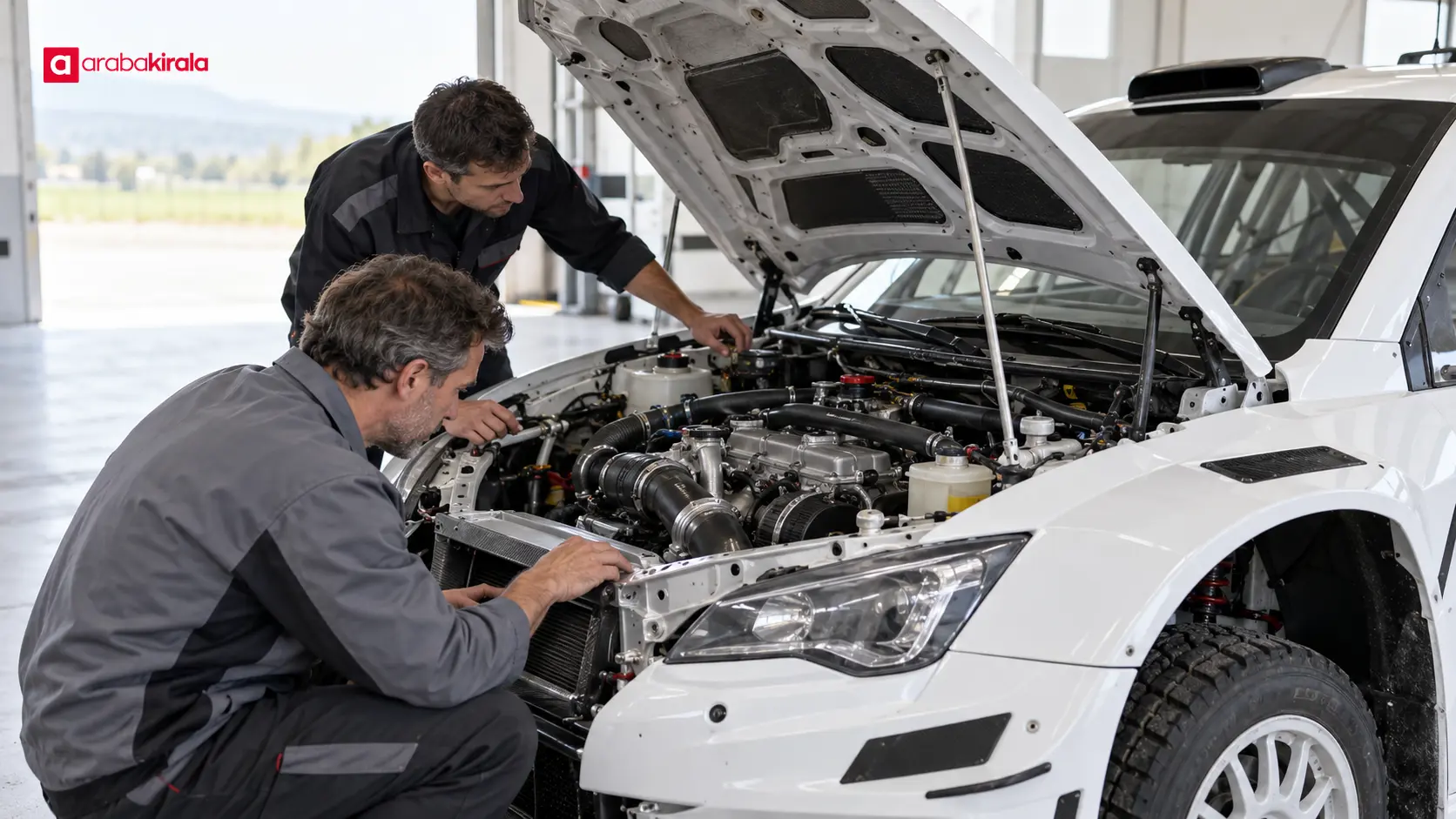
Homologation is an approval process based on defined technical specifications for a vehicle or certain components. In the FIA World Rally Championship, it gives a car its recognized technical identity for the relevant category. That identity helps establish the vehicle’s construction, specified components, and the scope of changes that are allowed.
Homologation does not mean that a car automatically complies with every event’s rules. A car based on an approved technical definition still has to be prepared in the configuration required by the applicable regulations and remain within those limits during the event. Homologation is therefore a starting reference; compliance is the assessment of whether the actual car and its parts meet the rules in force for a particular competition.
What does a homologation document define?
The document records the approved technical definition of the relevant car and any accepted variants. Its information gives scrutineers a reference for assessing specified features and components. Whether a particular part or change is permitted must be determined by reading the relevant FIA rules together with the applicable vehicle document.
It is not enough to reduce the document’s scope to the statement that a model is “homologated.” Approval of a vehicle family or technical definition does not mean every part choice, software setting, or competition preparation is unrestricted. Rules may set different limits according to the category, season regulations, technical provision, and car configuration. Teams therefore work with both the current technical regulations and the relevant homologation document.
Homologation and technical regulations are different
Homologation defines the approved technical characteristics and accepted options for a car. Technical regulations set the general requirements, limits, and methods that apply to a category or competition. A feature listed in a car’s homologation document is assessed together with the applicable competition rules; the document is not a permission list independent of those rules.
Sporting regulations are a separate layer. They may govern how an event runs, including entries, checks, schedules, and officials’ procedures. Keeping technical compliance distinct from sporting procedure helps readers find which document or rule section answers a particular question.
How is compliance verified?
Compliance is not established by one observation alone. A car may be inspected during registration and technical control, with additional checks on selected parts or at specific points during the event. The exact process depends on the rules for the relevant WRC season and the event’s official documents.
1. Documents and vehicle identity are reviewed
Officials may compare a car’s identity details, entry documents, and technical definition. This helps confirm that the presented vehicle corresponds to the correct category and documentation. Paperwork does not replace physical inspection; it provides a reference for the car’s technical history and declared configuration.
2. The car is examined physically
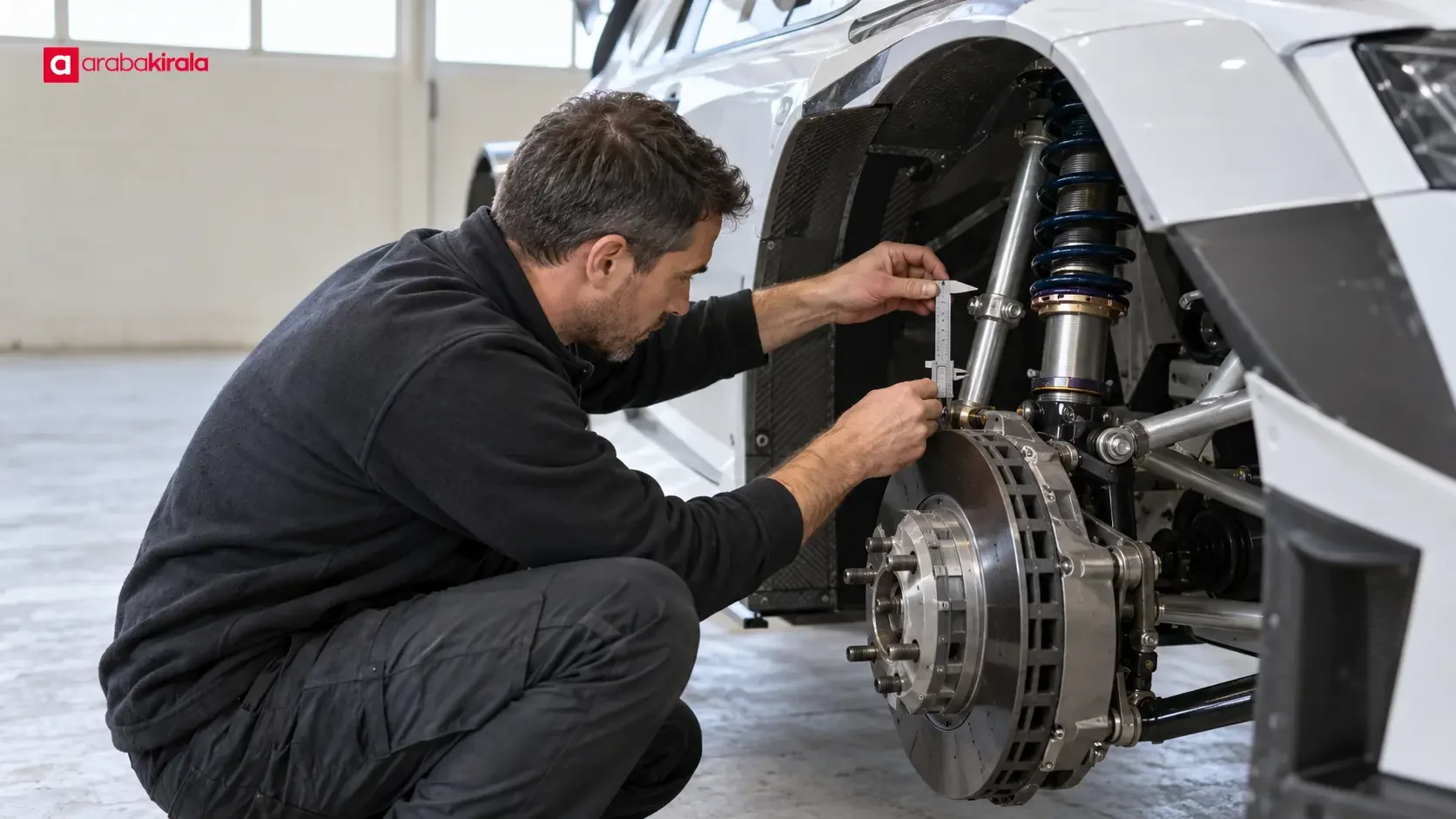
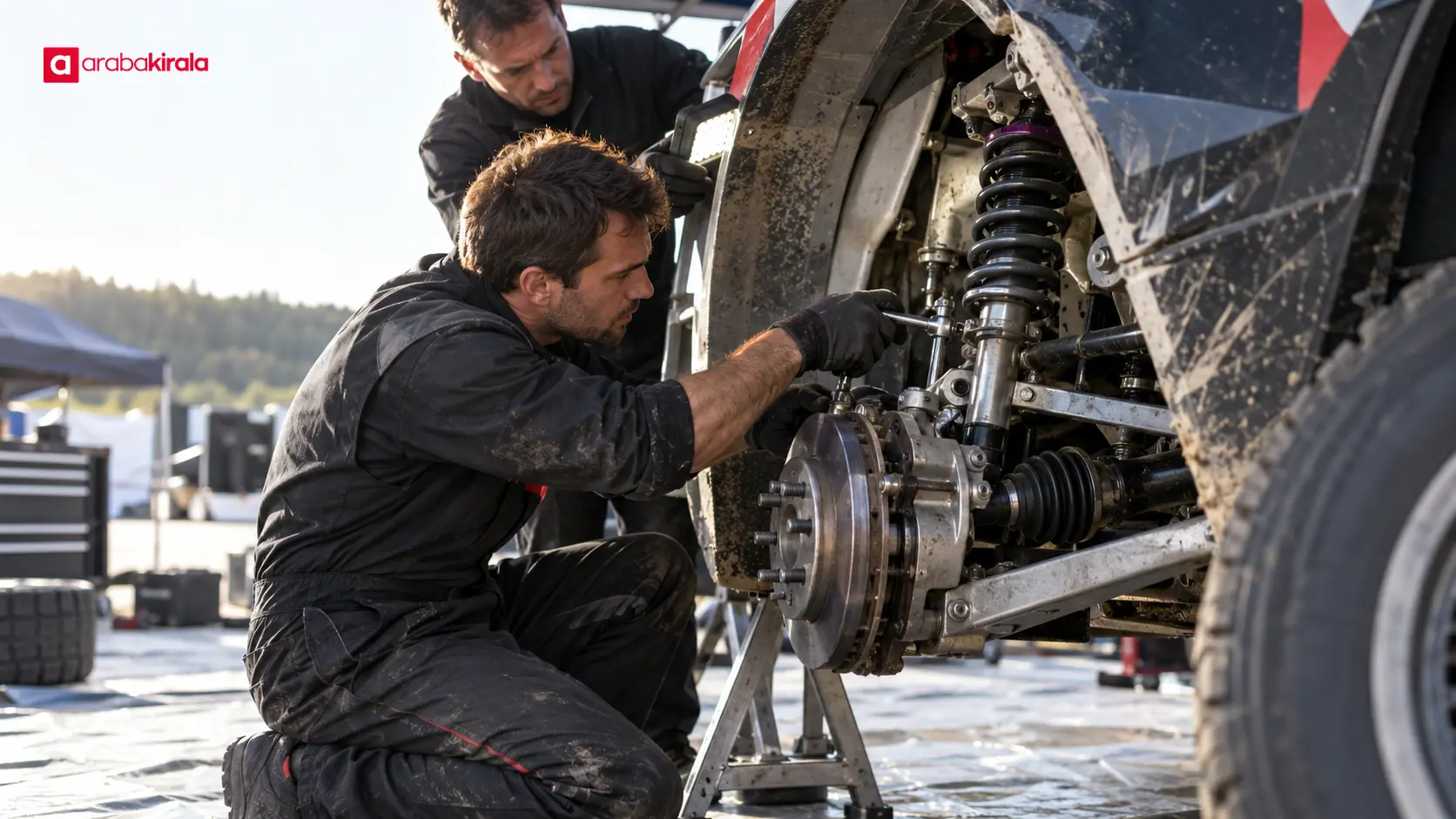
During scrutineering, officials may inspect relevant components, dimensions, and safety equipment. Areas such as the chassis, engine, transmission, suspension, and bodywork can be assessed under the category’s technical rules. Which items are measured, and whether a closer inspection is needed, depends on the rules and the purpose of the check.
3. Measurements and component details are verified
When needed, scrutineers use measuring equipment or technical references to verify a feature. Part identification, dimensions, weight, or other technical data matter only when the rules for that category make them relevant. It would be inaccurate to assume that every component is dismantled at every check; the scope and method depend on the regulations and the officials’ assessment.
4. Seals and records are monitored
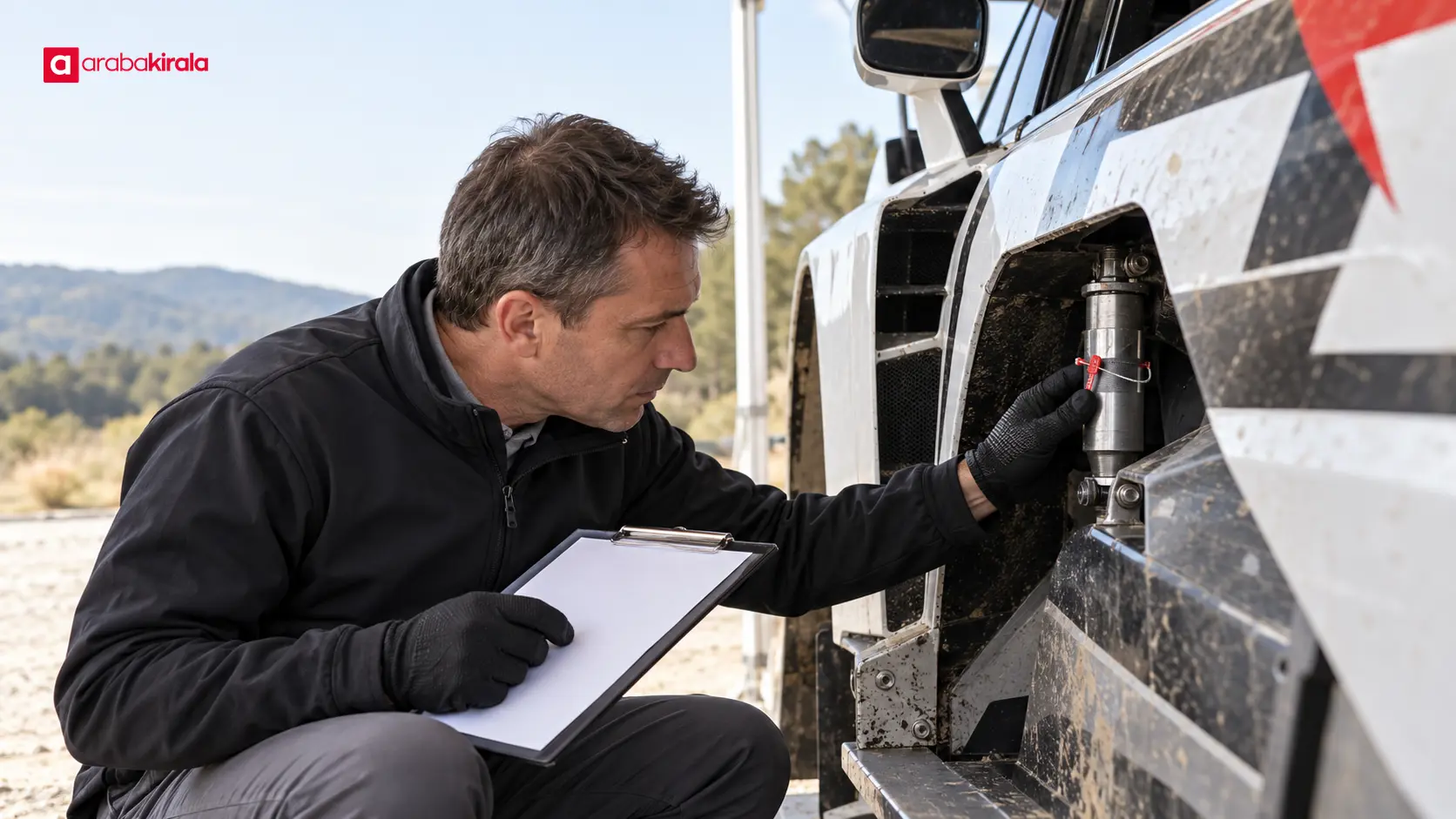
Where the rules require it, certain components may be sealed or identified. A seal helps officials track a part after inspection; it does not by itself prove that the whole car complies. A damaged, missing, or mismatched seal may require explanation and further examination. This is why teams keep clear records of component changes, checks, and related documentation.
5. Checks may continue during and after the event
Technical scrutiny may extend beyond the pre-start checks. Selected inspections, service-area checks, or post-event examinations may take place. These help assess whether a car still meets the technical rules after being used under rally conditions. How a finding is handled depends on the process set out in the event’s official regulations.
What should teams and spectators look for?
When evaluating a statement about technical compliance, first identify the car category and the season’s applicable regulations. Then determine whether the claim concerns the homologation document, a technical regulation, or a sporting procedure. This distinction helps prevent an approval of a technical definition from being mistaken for blanket permission to compete.
- Identify the car’s competition category and the current technical regulations for that category.
- Check whether the homologation document corresponds to the vehicle and variant in question.
- Separate claims about a measurable technical feature from those about safety equipment or event procedure.
- When discussing an inspection finding, note what the official decision covers and which component it concerns.
- Do not confuse compliance with performance: speed is not evidence of technical conformity.
Technical rules can require specialist knowledge. If a report says a particular component was non-compliant, the relevant official technical regulation and any event decision should be the basis for understanding the claim. A photograph or general model information alone may not provide enough evidence for a firm conclusion.
Why is homologation useful?
Homologation clarifies the technical definition teams use to prepare a car and the reference scrutineers use to assess it. This framework supports consistent evaluation of different cars under the same category’s rules. It also improves traceability of parts and changes, so a check does not rely only on visual appearance.
For spectators, homologation explains why rally cars are not simply road cars modified without limits. They are developed within technical regulations and their event compliance is assessed through checks. Homologation is one key reference in that process, but it is not by itself a guarantee of safety or compliance in every circumstance.
Summary and next step
WRC car homologation establishes a car’s recognized technical identity and the scope of its permitted features in a relevant category. Compliance with competition rules is assessed through current technical regulations, vehicle documents, physical inspection, measurement, and, where required, seal or record checks. When investigating a specific car or technical claim, identify the category and season first, then read the homologation document alongside the official regulations.
Frequently Asked Questions
Does a homologation document prove that a car complies at every rally?
No. It provides a reference for an approved technical definition. The car’s actual configuration for an event must also meet the applicable rules and may be inspected.
Are homologation and technical scrutineering the same thing?
No. Homologation defines the technical identity and accepted features; scrutineering examines whether the car and relevant components comply with the rules.
Are all parts of a rally car dismantled before every event?
The scope of checks varies. Depending on the rules and the purpose of an inspection, officials may use visual checks, measurements, or a closer examination of components.
What does a sealed component indicate?
A seal helps officials track a component after a check when the regulations require it. It does not, by itself, show that every technical feature of the car complies.
Is homologation applied identically in every WRC category?
The basic aim is to establish a technical definition, but the scope and applicable conditions can vary with the vehicle category, relevant regulations, and its document.
Legal Disclaimer: All content, articles and information on the Araba Kirala website are provided solely to inform users. No information shared on this website constitutes definitive advice or guidance. Araba Kirala Teknoloji A.Ş. and its authors cannot be held responsible for any direct or indirect damages arising from the application of information on the website. For all questions and requests regarding car rental, please contact the office from which you will rent your vehicle.