
WRC Car Safety Equipment: Active and Passive Systems
Published: October 26, 2026 • Reading Time: 8 min • Last Updated: October 26, 2026
WRC safety combines active measures that help reduce crash risk with passive protection designed to limit injuries in a collision. Learn how the safety cage, seats, harnesses, fire systems and rally procedures work together.
Contents
- What do active and passive safety mean?
- Passive protection inside a WRC cockpit
- Safety cage and occupant space
- Seat, harness and head-and-neck support
- Fire response and getting out of the car
- Active safety: control, visibility and crew coordination
- Why do the components need to work together?
- Everyday driving lessons from rally safety
- Summary: how to understand WRC car safety equipment
- Frequently Asked Questions
WRC car safety equipment is designed for fast competition on stages where grip, visibility and road conditions can change. This guide explains the difference between active and passive safety, describes the main protections inside a rally car, and shows which basic lessons apply to ordinary road travel. A WRC car should not be treated as an ordinary road vehicle with a few extra accessories: it is built and prepared under competition-specific technical rules.
What do active and passive safety mean?
Active safety covers measures that help prevent a dangerous situation or reduce the chance of a crash. These include maintaining control of the car, judging the road and available grip, adapting speed to conditions, and coordinating effectively between driver and co-driver. “Active” does not mean only electronic driver aids. Preparation, maintenance, crew decisions and event procedures can also contribute to risk management.
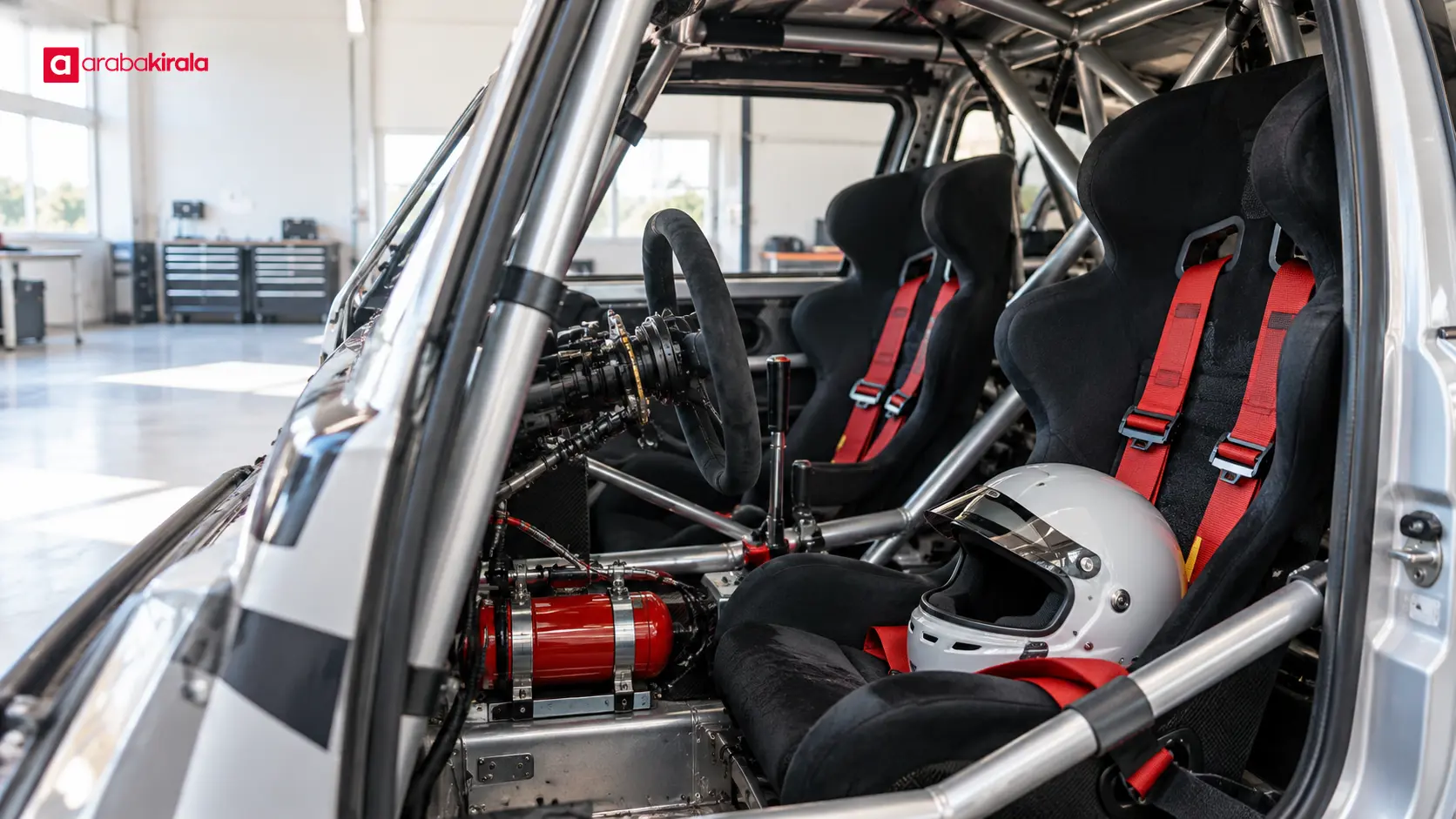
Passive safety describes protections intended to limit injury if a crash occurs. In a rally car, these may include a safety cage, competition seat, harness, helmet, head-and-neck restraint, side impact protection and a fire suppression system. The two approaches have different jobs but complement each other: active measures focus on avoiding or managing a hazard, while passive measures help protect the crew during an impact.
Passive protection inside a WRC cockpit
Safety cage and occupant space
A safety cage is a dedicated structure attached to the car body around the cockpit. It is designed to help preserve the crew’s space during events such as an impact or rollover. Its presence does not make a car immune to rollover or injury. The design, its attachment to the body, compatibility with the vehicle and compliance with the applicable technical rules all matter. The structure also has to allow the driver and co-driver to enter and exit without undue obstruction.
The cage works as part of a larger protective arrangement that may include door and body reinforcement. Side impact protection is intended to help manage energy entering the cockpit through the door area. The construction and required protection can vary with the competition category and the car’s approved specification, so one should not assume that every rally car has identical components.
Seat, harness and head-and-neck support
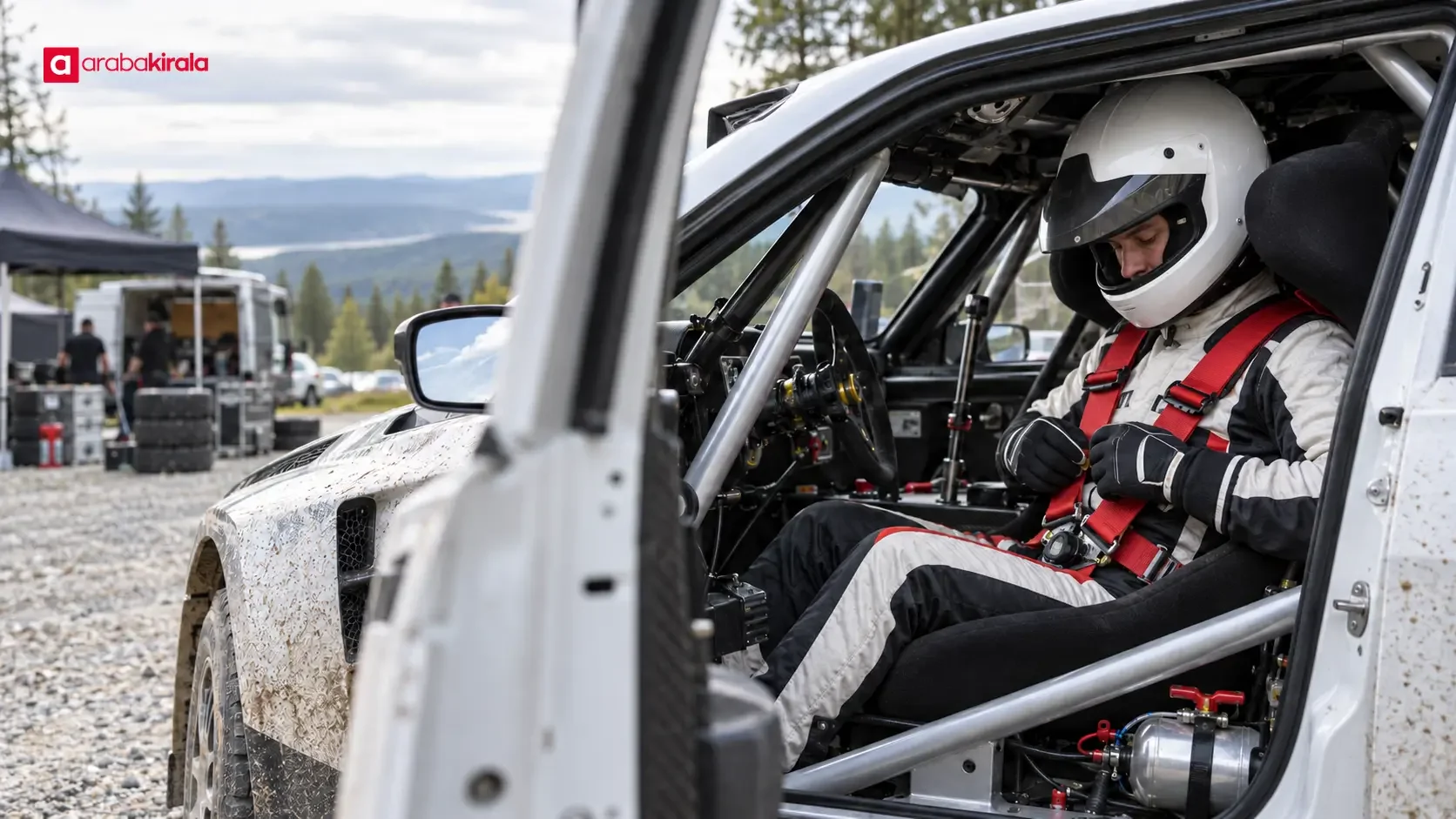
A competition seat supports the driver or co-driver’s body in the cockpit. Its shape, mounting and harness arrangement need to work as a coordinated system. A multi-point harness secures the occupant to the seat and is intended to limit uncontrolled body movement under hard braking or in a collision. Having a harness fitted is not enough by itself: fit, routing, tension and compatibility with the seat affect how it functions.
A helmet protects the head, while a head-and-neck restraint helps limit potentially harmful movement of the head and neck in a crash. These are used alongside suitable protective clothing and other personal equipment. The equipment needs to fit the individual and be used according to its manufacturer’s instructions and the relevant competition rules. An item that looks undamaged does not, on appearance alone, prove that it remains suitable or compliant.
Fire response and getting out of the car
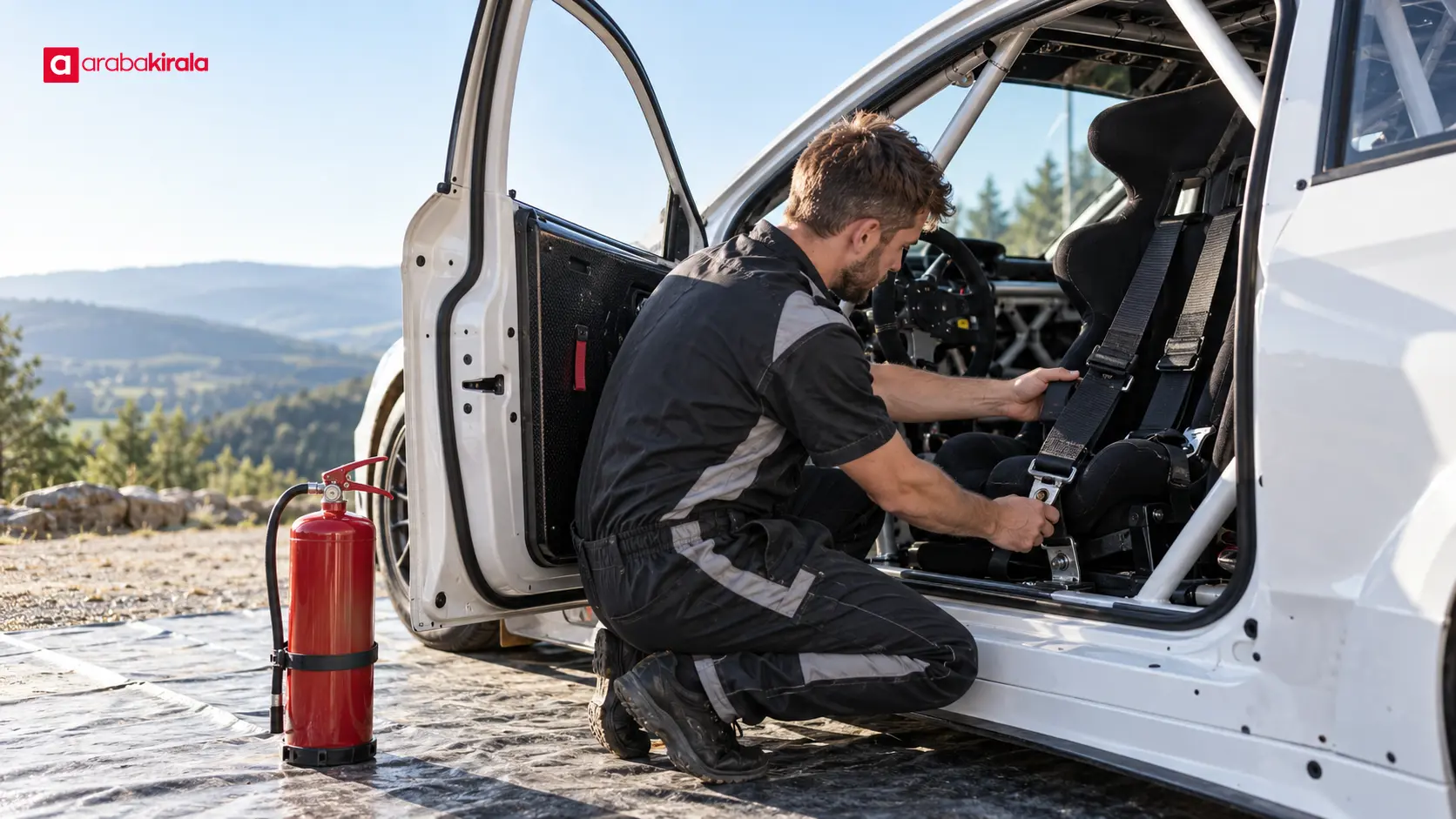
Rally cars may carry an installed fire suppression system with controls accessible to the crew. The system is intended to help extinguish a fire or limit its spread; it cannot guarantee that every fire will be stopped. Knowing the control locations, the belt release and the exit routes is part of being prepared, alongside having the equipment fitted.
Leaving a damaged car can be difficult if a door is jammed, the car is in an awkward position, or there is smoke. For that reason, equipment layout and emergency procedures are considered together. Accessible belt cutters, for example, show why the location and usability of safety equipment matter as much as its presence. Rescue and evacuation are handled with direction from trained personnel.
Active safety: control, visibility and crew coordination
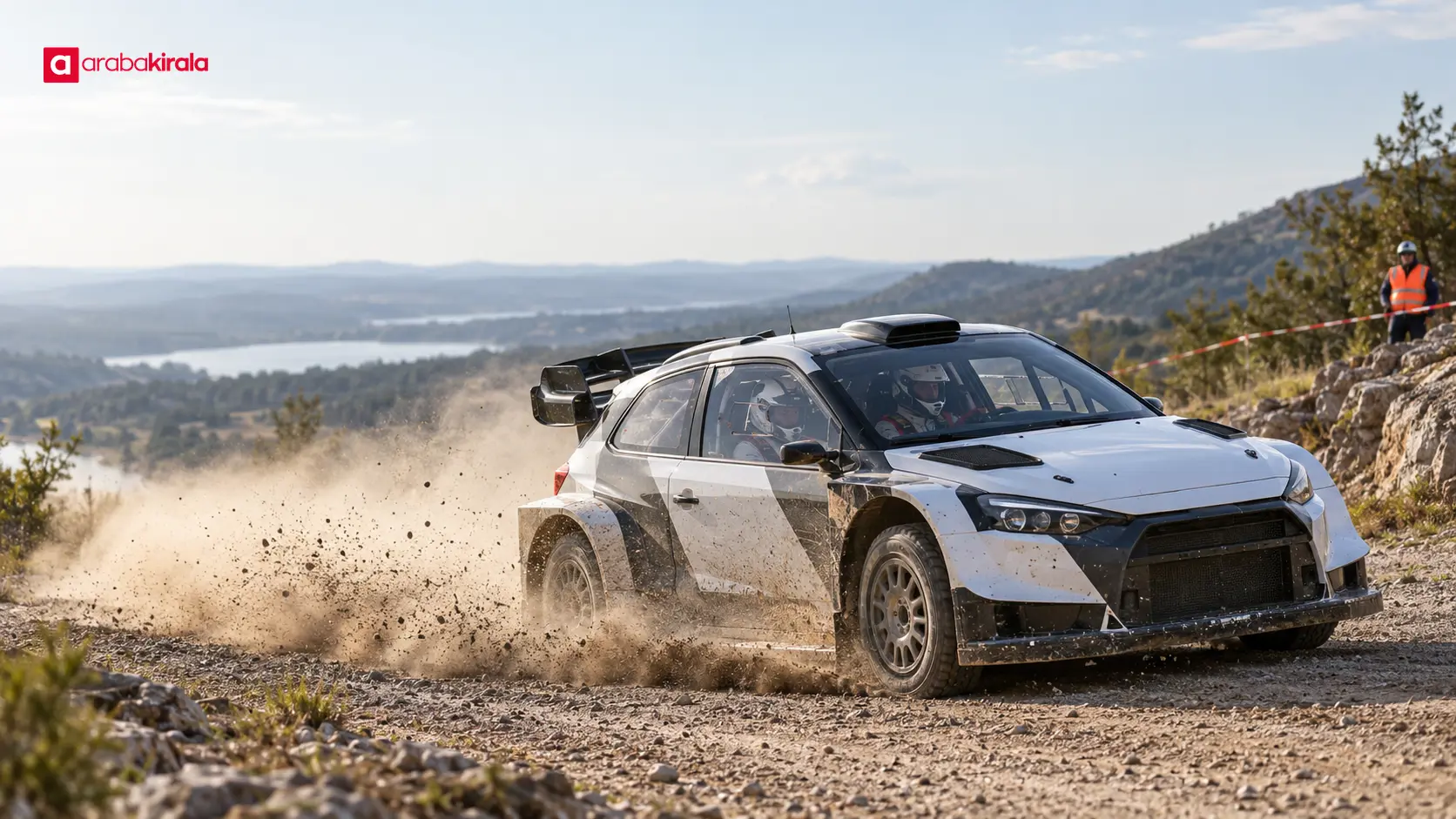
Unlike a permanent circuit, a rally stage can include changing surfaces, bends, gradients and visibility. The driver continually judges the road and the car’s response. The co-driver communicates pace notes at the right time. Their coordination helps the driver anticipate the route and make timely decisions. Pace notes are not physical protection, but they provide the crew with a shared, structured description of the road ahead.
Steering, brakes and suspension also support the car’s ability to remain controllable. Their setup and maintenance are part of preparing a competition car. Electronic systems, where fitted, do not remove the driver’s responsibility to adapt decisions to the road. Loose gravel, water, mud, snow and changing grip all call for speed and line choices that suit the conditions.
Active safety extends beyond the cockpit. Keeping spectators in designated safe areas, planning emergency access and response, and restricting cars to authorized routes are all ways of managing risk at an event. The FIA’s rally safety material emphasizes the challenge of running stages through a changing, lived-in environment and the importance of spectator safety. People watching a rally should follow marshal instructions and remain behind barriers and within marked viewing areas.
Why do the components need to work together?
Safety is not the result of one component alone. The cage’s connection to the body, seat installation, harness routing, helmet and head-and-neck protection, and maintenance of the fire system all form part of the same protective picture. Poor installation or incompatibility can affect the performance expected from the system. Competition regulations therefore set technical requirements and approval processes that can differ by vehicle category.
Those competition details should not be transferred directly to everyday rental cars. A road car offered for rent should not be assumed to have a rally cage, racing harness or WRC-level equipment. Reading about rally safety does not mean that the same equipment or protection level applies to a rental vehicle. For ordinary travel, useful basics include reading the vehicle’s manual, fastening the seat belt correctly and adjusting the head restraint to a suitable position.
Everyday driving lessons from rally safety
- Wear the seat belt correctly: It should lie properly across the body, without twists, on every journey. Before setting off, check that passengers are belted too.
- Protect your view and attention: Do not handle a phone while driving, and do not leave loose items where they obstruct your view.
- Adapt to conditions: Rain, reduced visibility, rough surfaces and traffic affect speed and following distance. Match your driving to the road rather than testing the car’s limits.
- Check the basics at handover: Look for dashboard warnings, visible tyre damage, working lights and functioning seat belts. Tell the branch you are renting from about an unclear issue before driving away.
- Keep handover and return checks clear: Reviewing the odometer, fuel level and existing damage at pickup and return makes it easier to compare the vehicle’s condition. Ask the relevant branch directly about its specific records or procedures.
These are general preparation points, not a promise that a particular feature is fitted to every vehicle. For model-specific checks or branch-specific handover details, contact the office from which you will rent.
Summary: how to understand WRC car safety equipment
Active safety in WRC focuses on anticipating hazards, maintaining control and coordinating the crew. Passive safety focuses on protecting the cockpit and its occupants if a crash occurs. The cage, seat, harness, helmet, head-and-neck restraint and fire system each have a distinct role, and they complement one another. Looking at a list of equipment alone is not enough: technical compliance, correct installation and trained use matter too.
As a next step, when watching rally competition, consider what risk each item is meant to address. For everyday travel, prioritize seat belts, visibility, appropriate speed and basic vehicle checks. If you need to confirm a particular rental vehicle feature or handover procedure, get the details from the branch handling your booking.
Frequently Asked Questions
What is the main difference between active and passive safety?
Active safety covers measures intended to reduce crash risk and help keep the car under control. Passive safety covers structural and personal protections intended to limit injury if a crash happens. Rally cars use both approaches together.
Does a safety cage completely protect a rally car in a rollover?
No. A cage is one structure intended to help protect the cockpit; it does not guarantee that a rollover or collision will cause no injury. Its design, installation, compatibility with the car and the rest of the safety system all matter.
Does a rally harness work like a road car seat belt?
Both help restrain an occupant, but their design and use differ. A competition harness is arranged to work with a racing seat and cockpit setup. In a road car, use the belt and seat arrangement designed for that vehicle.
Why are a helmet and head-and-neck restraint used together?
A helmet protects the head, while a head-and-neck restraint helps limit head and neck movement during a crash. They serve different purposes and do not replace one another; appropriate equipment and correct use both matter in competition.
Do rental cars have WRC safety equipment?
Do not assume that a rental road car has a WRC cage, competition seat or similar equipment. Ask the branch you will rent from about the particular vehicle’s features and any checks you should make.
What should spectators do to stay safe at a rally?
Follow marshal instructions and stay in designated viewing areas behind barriers. Do not cross into the stage route. Rally stages have changing road and visibility conditions, so leaving a safe area can create serious danger.
Legal Disclaimer: All content, articles and information on the Araba Kirala website are provided solely to inform users. No information shared on this website constitutes definitive advice or guidance. Araba Kirala Teknoloji A.Ş. and its authors cannot be held responsible for any direct or indirect damages arising from the application of information on the website. For all questions and requests regarding car rental, please contact the office from which you will rent your vehicle.












