
WRC Differential Setup: Grip on Asphalt and Loose Surfaces
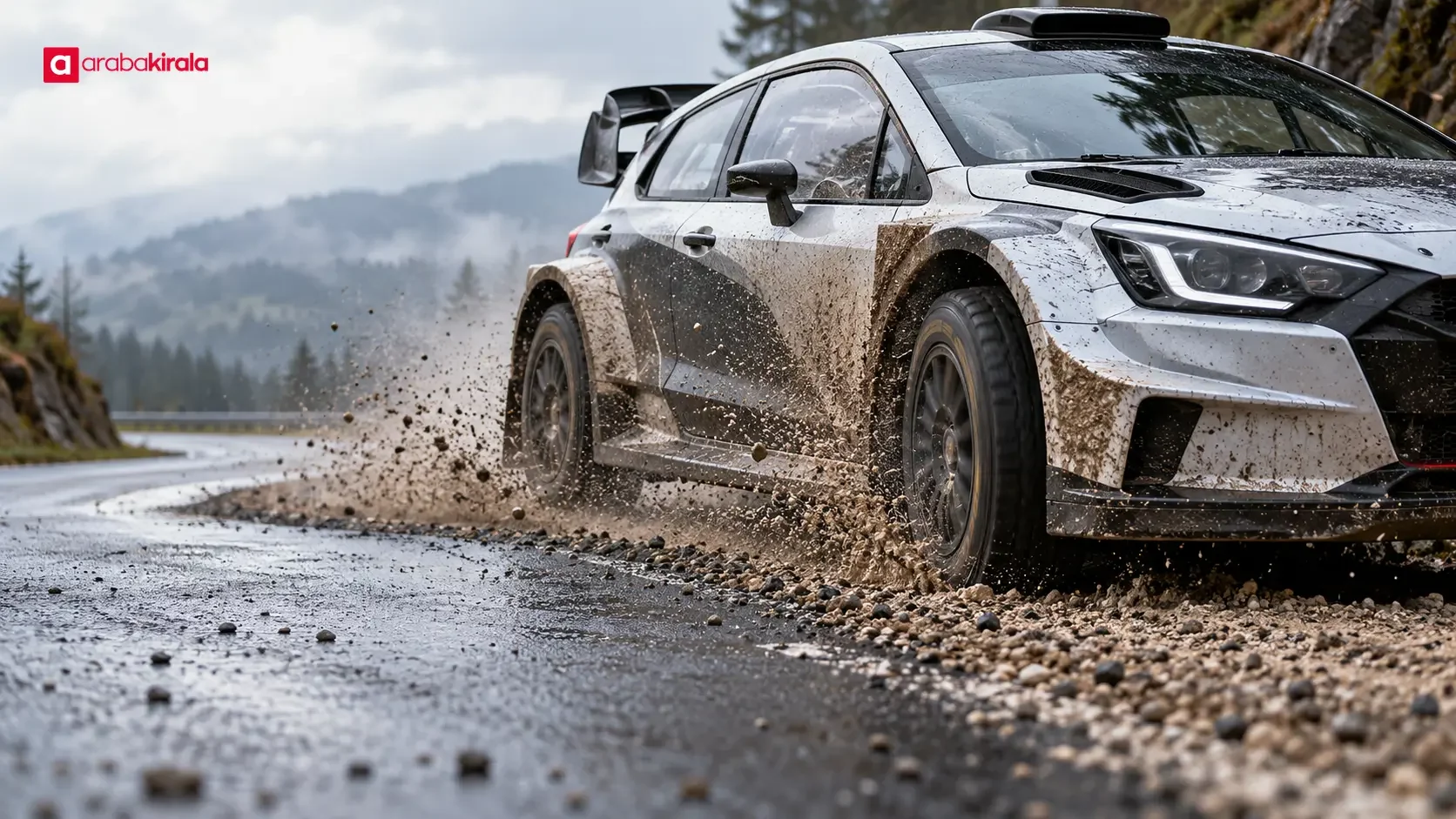
Published: October 30, 2026 • Reading Time: 7 min • Last Updated: October 30, 2026 • Author: Merve B.
Learn how WRC differential settings influence torque distribution, traction, cornering and driver feedback on asphalt and loose surfaces.
Contents
- What does a differential do?
- How locking affects traction
- Asphalt versus loose surfaces
- On asphalt: precise line and consistent grip
- On gravel and other loose surfaces: changing grip
- How front, center and rear settings affect feel
- How teams assess a setup
- A practical way to read the trade-offs
- Conclusion: consider traction and turning together
- Frequently Asked Questions
WRC differential setup controls how engine torque is shared between wheels, shaping both the car’s ability to put power down and its willingness to turn. This guide explains what a differential does, why asphalt and loose surfaces call for different considerations, and how locking affects traction and cornering. The goal is to make the handling trade-offs easier to recognize, not to prescribe a universal setting.
What does a differential do?
In a corner, the left and right wheels on an axle follow different paths. The outside wheel travels farther and must rotate faster than the inside wheel. A differential allows this speed difference while transmitting engine torque to the wheels. Without that allowance, the tires could scrub across a high-grip surface during a turn, adding strain to the drivetrain.
Rally differentials may also limit how freely the paired wheels rotate at different speeds. This resistance is commonly described as locking. Locking does not necessarily mean the wheels are forced to turn at exactly the same speed. It describes how strongly the differential resists a speed difference, or how readily torque can be shared when grip varies between the wheels.
How locking affects traction
With more locking, torque can be more readily directed to the wheel that still has grip when its partner begins to spin. This can help the car keep accelerating out of a corner. The trade-off is that restricting wheel-speed differences can make the car less willing to turn through the corner. The driver may need a different steering input or throttle approach to hold the intended line.
With less locking, the wheels can more easily rotate at different speeds, which may help the car follow a tight corner. But if one wheel loses grip, it may spin more freely and limit how effectively torque reaches the other wheel. The result depends on more than the setting: corner shape, surface, tire, throttle use and weight transfer all matter.
Front, center and rear differentials have distinct roles in a rally car. A center differential, where fitted, affects the relationship between the front and rear axles. The front and rear units manage behavior between wheels on their respective axles. System architecture and available controls vary by car and technical rules, so there is no single locking value that suits every vehicle.
Asphalt versus loose surfaces
On asphalt: precise line and consistent grip
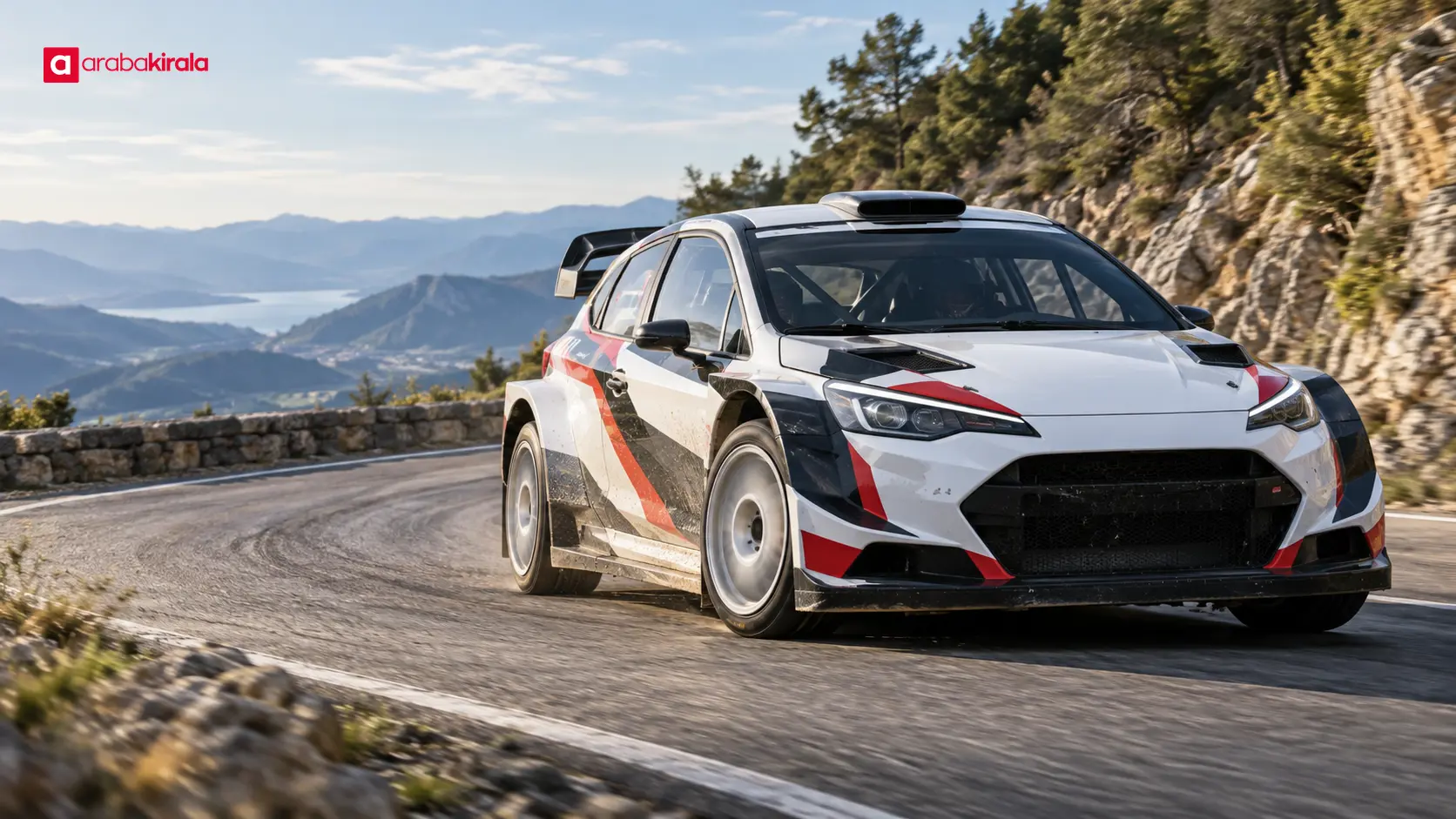
Asphalt often offers a more consistent contact surface than loose gravel, though bumps, camber, moisture and tire choice can change grip. Cornering transfers more load to the outside wheels and reduces load on the inside ones. If a differential resists the required speed difference too strongly, the car may struggle to rotate. It can push wide, respond less readily to steering, or require a different throttle technique.
On asphalt, teams balance turn-in, line holding through the middle of a corner and traction on exit. A very open differential is not automatically better: if an inside wheel becomes lightly loaded or the surface changes, it may spin and waste power. Setup decisions therefore reflect the stage’s character and the driver’s feedback, rather than the word “asphalt” alone.
On gravel and other loose surfaces: changing grip
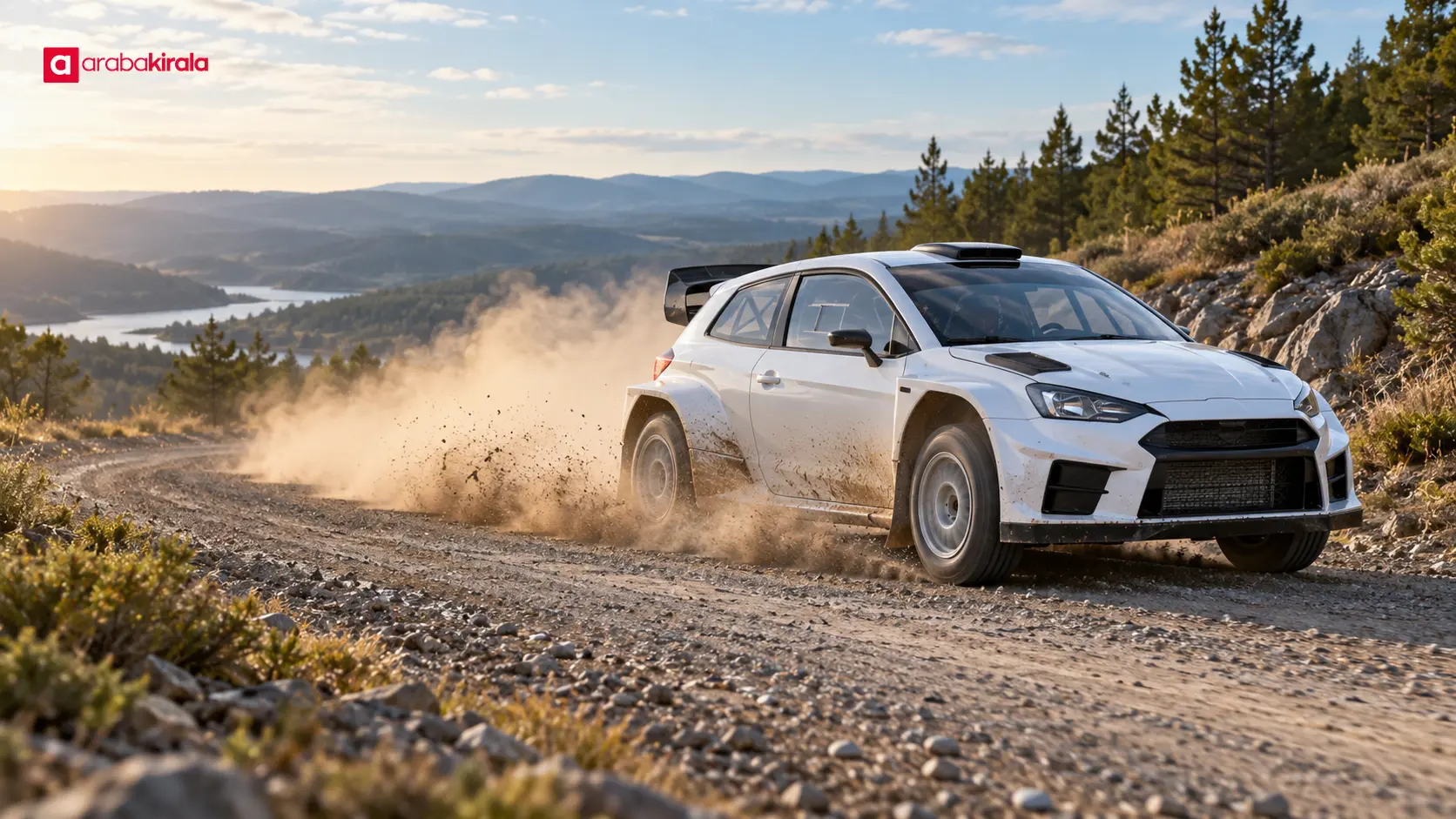
On loose gravel, particles move under the tires, so grip can vary over a short distance. When one wheel finds less grip, differential behavior can help send torque to its partner. This matters especially under acceleration. More locking also changes how the car slides and how much the driver can influence its direction with the throttle.
A controlled slide can be part of a rally driving technique, but the driver must remain in control of its timing and amount. Differential setup does not replace that control. A highly locking setup can make the car harder to rotate or produce an unexpected line when power is applied. A more open setup can allow extra wheelspin at the lower-grip wheel. Wet gravel, rocky patches, tight corners and fast linked turns can all produce different responses within one stage.
How front, center and rear settings affect feel
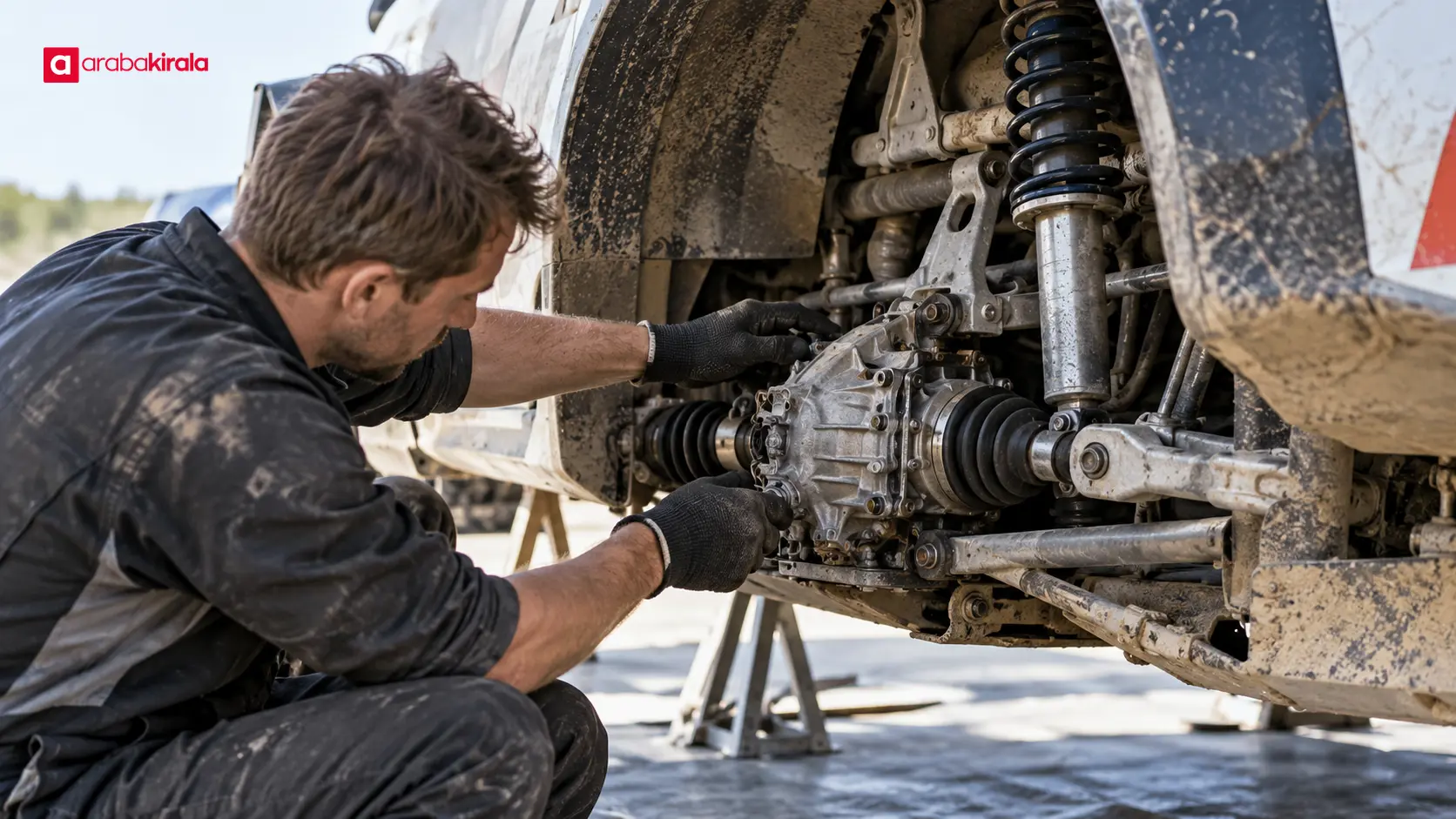
- Front differential: Influences torque sharing between the front wheels and how the front axle follows the line, particularly under power. More locking can improve drive but may make it harder to tighten the corner.
- Center differential: In an all-wheel-drive system, affects the torque relationship between front and rear axles. It can change each axle’s contribution under acceleration and the way the car responds to throttle. Not every car has the same type or range of adjustment.
- Rear differential: Influences power delivery between the rear wheels and the car’s throttle-steering feel. Its locking level changes the balance between rear-axle traction and willingness to rotate on corner exit.
These effects interact. Suspension, tires, brake balance, engine response and when the driver opens the throttle can produce similar sensations. If a driver reports that the nose will not turn, changing the front differential is not automatically the answer. It matters where in the corner the issue occurs and what the pedals are doing at that moment.
How teams assess a setup
Setup work relies on controlled testing and feedback. Teams consider stage conditions, tire state, vehicle response and the driver’s observations together. It helps to distinguish entry, mid-corner and exit: does the car rotate as the brakes are released, hold its line at steady throttle, or spin an inside wheel under acceleration? These observations describe the behavior; on their own, they do not prove a particular setting is correct.
Making small, traceable changes in similar conditions helps teams understand cause and effect. Changing several settings at once makes it harder to identify which change produced the result. WRC systems and technical regulations require specialist knowledge, so this is a general explanation rather than a setup instruction.
A practical way to read the trade-offs
- Describe how grip changes across the stage instead of classifying the entire surface with one word.
- Pinpoint whether the behavior appears at entry, mid-corner or exit, and note throttle and braking.
- Separate wheelspin from running wide and from a delayed response to steering.
- Keep the roles of front, center and rear differentials distinct, and consider the actual system fitted to the car.
- Avoid treating one setup as a universal answer for every asphalt or gravel stage.
Conclusion: consider traction and turning together
WRC differential setup manages wheel-speed differences and torque sharing, shaping traction, cornering and the driver’s response to throttle. Asphalt places emphasis on consistent line and cornering behavior, while loose surfaces make it important to deliver power through changing grip. Too much or too little locking can create different drawbacks on either surface. Differential settings make the most sense when considered alongside stage conditions, tires, suspension and driver feedback.
For a useful next step, watch a rally corner and observe the car’s turn-in separately from its wheelspin on exit. That distinction makes it easier to see how differential behavior relates to both direction and traction.
Frequently Asked Questions
What does differential locking mean?
Locking describes how strongly a differential resists a speed difference between the connected wheels. More locking can help share torque, while also changing how freely the car turns through a corner.
Does more locking always improve grip on loose gravel?
No. More locking can help transmit torque when one wheel loses grip, but an overly restrictive setup can make the car harder to rotate and change how it responds to throttle.
Why can a differential make a car run wide on asphalt?
If wheel-speed differences are restricted, the car may be less willing to rotate in a turn. A front axle that pushes wide under power can be related to setup and other vehicle factors, but that symptom alone is not a definite diagnosis.
Do front and rear differentials do the same job?
No. The front differential affects torque sharing between the front wheels, while the rear differential affects the rear pair. An all-wheel-drive car may also use a center differential to manage the relationship between its axles.
Can differential setup replace careful throttle control?
No. Setup changes how torque is delivered, but the driver’s timing and amount of throttle still affect balance, wheelspin and corner exit.
Legal Disclaimer: All content, articles and information on the Araba Kirala website are provided solely to inform users. No information shared on this website constitutes definitive advice or guidance. Araba Kirala Teknoloji A.Ş. and its authors cannot be held responsible for any direct or indirect damages arising from the application of information on the website. For all questions and requests regarding car rental, please contact the office from which you will rent your vehicle.












