
How WRC Differential Setup Affects Grip Through a Corner
Published: October 27, 2026 • Reading Time: 7 min • Last Updated: October 27, 2026
Learn how rally differentials manage wheel speed, traction and turning through corner entry, mid-corner and exit, and how front, rear and center units differ.
Contents
- What a differential does
- Open, locked and limited-slip differentials
- How front, rear and center differentials affect the car
- Front differential
- Rear differential
- Center differential
- Traction through the three corner phases
- Corner entry
- Mid-corner
- Corner exit
- Why surface matters
- How to interpret a differential setup
- Summary: balancing drive and turning
- Frequently Asked Questions
WRC differential setup affects how a rally car sends power to its wheels while cornering and how well it holds its line. This guide explains what a differential does, how front, rear and center differentials differ, and how their locking behavior can change traction from corner entry through exit. Understanding those effects makes it easier to read why a car may turn readily in one phase yet feel more planted when the driver accelerates out.
What a differential does
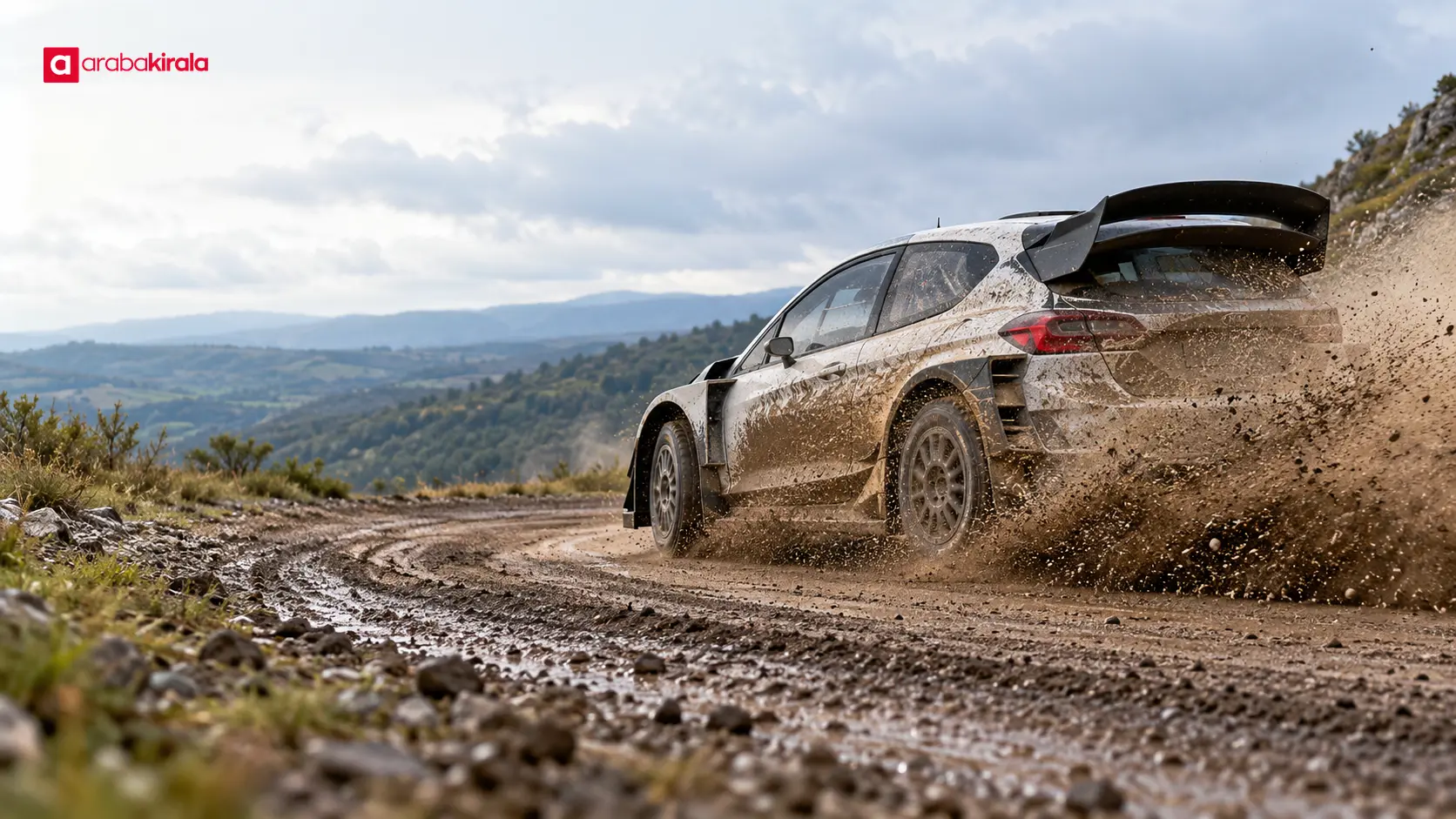
When a car turns, its outside wheels travel farther than its inside wheels. The wheels on the same axle therefore need to rotate at different speeds. A differential transmits engine power to the axle while allowing that speed difference. If both wheels were forced to rotate at exactly the same rate in every situation, turning would become harder, with extra tire scrub, especially on a surface with good grip.
In rallying, allowing different wheel speeds is only part of the challenge. Gravel, dirt, snow and asphalt offer different levels of grip, and grip can vary from one wheel to another. When one wheel loses traction, the differential’s behavior influences how much the other wheel can contribute to moving the car. Its locking characteristics shape both acceleration and cornering response.
Open, locked and limited-slip differentials
An open differential allows a substantial speed difference between the wheels. That can make a turn smooth, but if one wheel has very little grip it may spin more readily and limit the useful drive available at the other wheel. Performance cars operating on changing surfaces therefore need a differential behavior suited to the task.
A locked differential reduces the speed difference between the two wheels, or makes them turn more closely together under certain conditions. This can help the wheel with better grip contribute to propulsion when its partner is slipping. The tradeoff is that the axle may resist turning more, with extra tire scrub and load on drivetrain parts.
A limited-slip differential sits between those behaviors. It allows a speed difference while increasing the coupling between wheels when that difference grows. The setup determines when and how strongly that effect appears. There is no universally best setting: surface, corner shape, car balance and driver feedback all matter.
How front, rear and center differentials affect the car
Front differential
The front differential manages speed difference and drive between the front wheels. On corner exit, those wheels must both help steer the car and generate traction. More front locking can increase the contribution of both front wheels, but it can also make the front axle less willing to turn into the bend. The driver may feel the nose pushing toward the outside, a tendency commonly described as understeer.
Rear differential
The rear differential governs how drive is shared by the rear wheels. On exit, rear axle traction can help the car accelerate. Too much locking can make it harder to keep the rear on the intended line or can make its rotation more pronounced. The result depends on the front and center settings as well as available grip.
Center differential
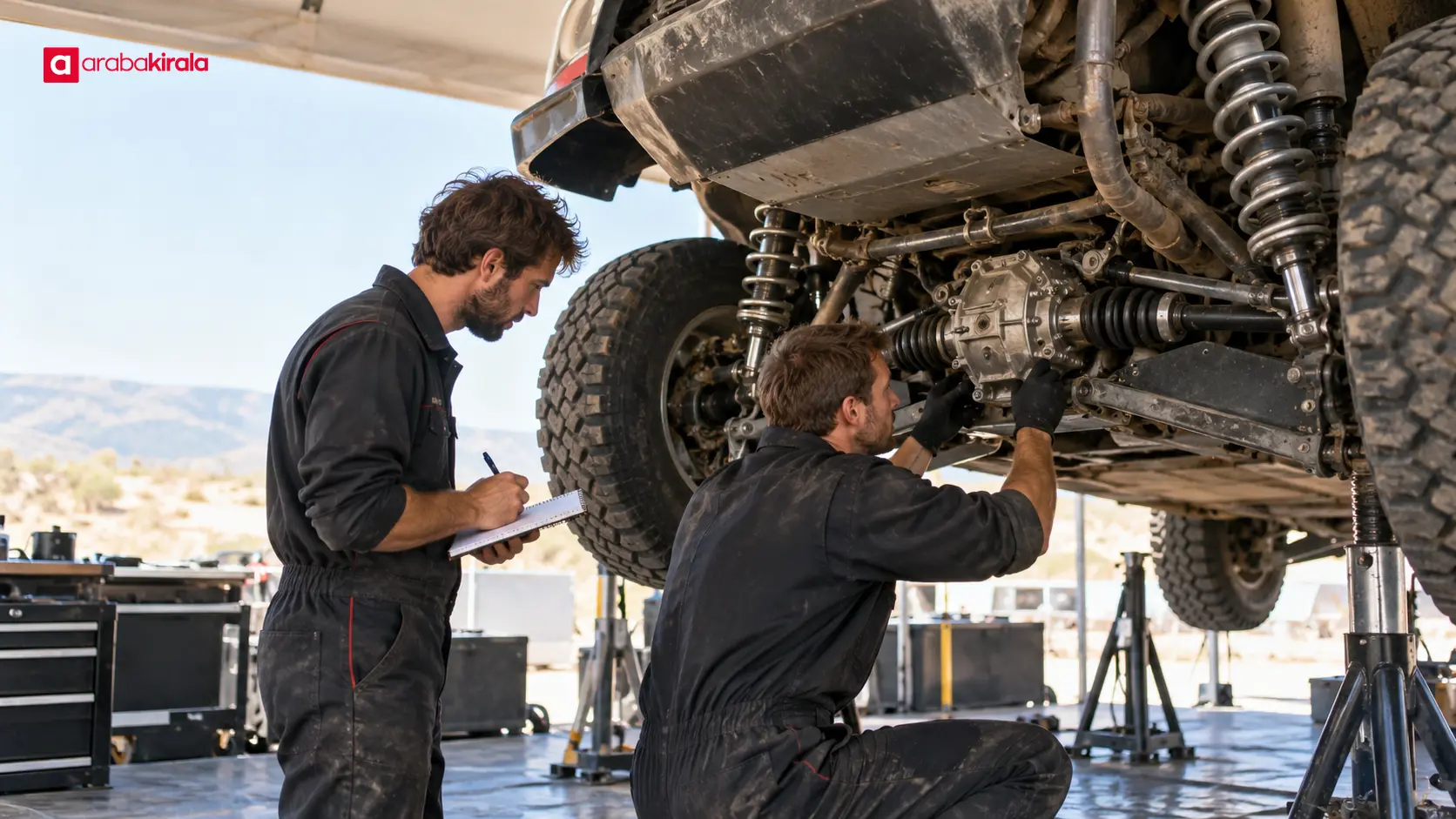
In a four-wheel-drive rally car, the center differential influences speed differences and torque behavior between the front and rear axles. The axles do not follow identical paths through a corner and may need to rotate at different speeds. Center locking changes how power is shared and how balanced the car feels under acceleration. It can reinforce or soften the effects of the front and rear differentials.
Traction through the three corner phases
Corner entry
At entry, the driver may lift off, brake or position the car for the turn. Differential locking affects how freely the axles can accommodate speed differences, so it can contribute to the car’s initial turning feel. A more open behavior makes differing wheel speeds easier, while greater locking keeps the axle more coupled. Braking and steering inputs act at the same time, so differential setup alone does not explain entry behavior.
Mid-corner
As the car passes through the bend on steady or partial throttle, the inside and outside wheels cover different distances. The differential’s response influences tire scrub and the car’s tendency to hold its line. On loose ground, one wheel may spin more easily; locking can help make use of the other wheel’s grip. Too much locking can reduce the smoothness of the turn and encourage the car to run wide.
Corner exit
On exit, the driver adds throttle while bringing the car back toward a straighter path. A differential can limit the power wasted at a wheel prone to spinning and increase the other wheel’s contribution. This can help when grip differs across the surface. If locking is excessive, the car may slide more, open its line or require a more gradual throttle application. The goal is to use available grip while preserving control, not to maximize locking.
Why surface matters
Gravel and dirt stages can be loose, rough and inconsistent. When a wheel lands in a rut or on loose stones, making use of the other wheel’s traction becomes important. Asphalt offers a different level of grip and load transfer, so managing wheel-speed differences can become more noticeable. On snow or wet ground, grip is low and variable, and the timing and force of throttle application are closely linked to the car’s balance.
For that reason, no single differential setup is ideal for every stage. Teams evaluate settings against the car’s behavior, stage characteristics, tire choice and driver feedback. A setting may improve drive off a corner while increasing resistance to turning through its middle. Evaluation considers not just acceleration, but also whether the driver can place the car confidently and keep it on the intended line.
How to interpret a differential setup
- Identify the axle: Front, rear and center differentials have distinct roles; establish which one is being discussed.
- Check throttle state: Locking under power can feel different from its effect while lifting or braking.
- Consider grip: Loose, slippery and high-grip surfaces change the differences between wheel behavior.
- Separate symptoms: Understeer, oversteer, wheelspin and a widening line are different signs; do not attribute all of them to the differential alone.
- Account for other settings: Suspension, tires, brakes and engine response also affect cornering traction.
When studying onboard footage or setup commentary, note which phase of the corner is being described. A car that struggles to turn at entry has a different issue from one that lacks drive on exit. Without knowing which wheel is spinning and on what surface, concluding that the differential simply needs more locking can be misleading.
Summary: balancing drive and turning
WRC differential setup manages wheel-speed differences and the use of engine power across wheels and axles, affecting traction through a corner. More locking can reduce the effect of a wheel losing grip and help the other contribute, while also changing how readily the car turns and how much the tires scrub. Front, rear and center units have different roles, and the outcome depends on the corner phase, surface and other vehicle settings.
For a practical next step, watch the same car through one corner and separate its entry, mid-corner line and throttle-driven exit. Those three observations make the balance between traction and turning much easier to understand.
Frequently Asked Questions
What does differential locking mean in a corner?
Locking describes behavior that reduces the speed difference between wheels on an axle. It can help the wheel with grip contribute when its partner is slipping, while strong locking may increase resistance to turning.
What happens if the front differential is too locked?
It may help both front wheels contribute to drive, but can reduce the front axle’s willingness to change direction. The driver may feel the nose moving toward the outside of the bend or struggling to follow the chosen line.
Can the rear differential affect how a rally car turns?
Yes. Rear wheel speed and torque sharing influence balance, especially under power on corner exit. The rear differential is only one factor; surface grip and front and center settings matter too.
Why is the center differential important in four-wheel-drive rallying?
It affects how the front and rear axles accommodate different speeds through a corner and how power is shared between them. That makes it important to traction at all four wheels and balance under acceleration.
Can one differential setup work for every stage?
Grip and corner layouts vary, so there is no basis for assuming one setting is ideal everywhere. Teams assess the balance between traction, ease of turning and driver control against the stage and car behavior.
Legal Disclaimer: All content, articles and information on the Araba Kirala website are provided solely to inform users. No information shared on this website constitutes definitive advice or guidance. Araba Kirala Teknoloji A.Ş. and its authors cannot be held responsible for any direct or indirect damages arising from the application of information on the website. For all questions and requests regarding car rental, please contact the office from which you will rent your vehicle.












