
How Do WRC Rally Cars Use the Handbrake in Tight Corners?
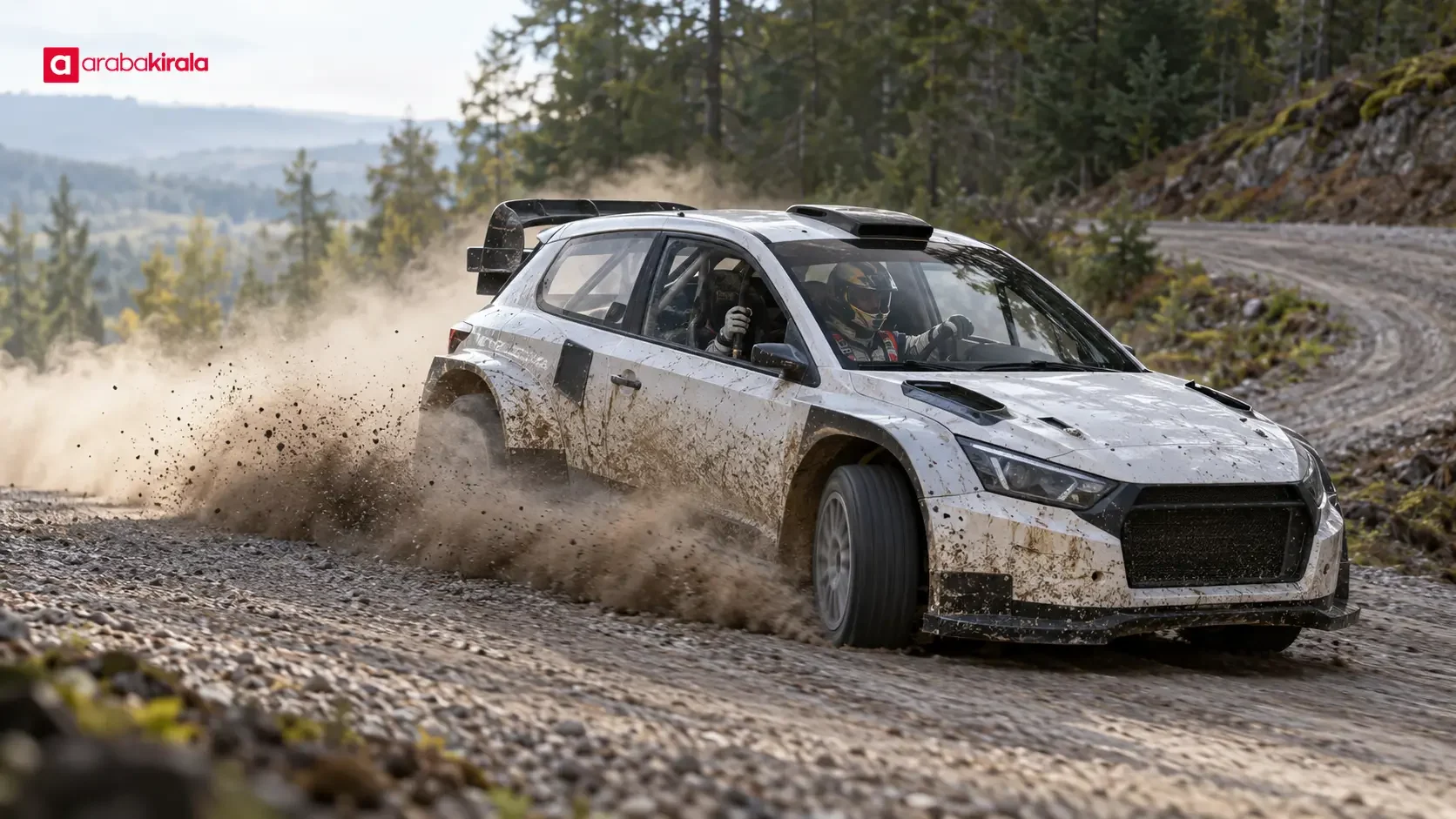
Published: October 30, 2026 • Reading Time: 7 min • Last Updated: October 30, 2026
In a WRC rally car, a brief handbrake input can reduce rear-wheel grip and help the car rotate through a tight hairpin. This guide explains the mechanics, the sequence of inputs, how surface conditions matter, and where the technique has limits.
Contents
- What does the handbrake do in a tight corner?
- The sequence through a tight hairpin
- Approach and speed adjustment
- Steering and a brief handbrake input
- Release and drive out
- Road and car conditions shape the technique
- Handbrake, braking, and sliding are different things
- Limits and safety
- What to watch for in WRC footage
- In summary: the handbrake helps rotation, but does not change the limits of grip
- Frequently Asked Questions
In a WRC rally car, the handbrake can help the car turn sharply by briefly reducing rear-wheel grip. This guide explains what the control does, how it works with steering and throttle through a hairpin, how road conditions change the response, and why drivers do not use it in every corner. This is an explanation of professional driving on a closed competition stage; it is not a technique to try on public roads.
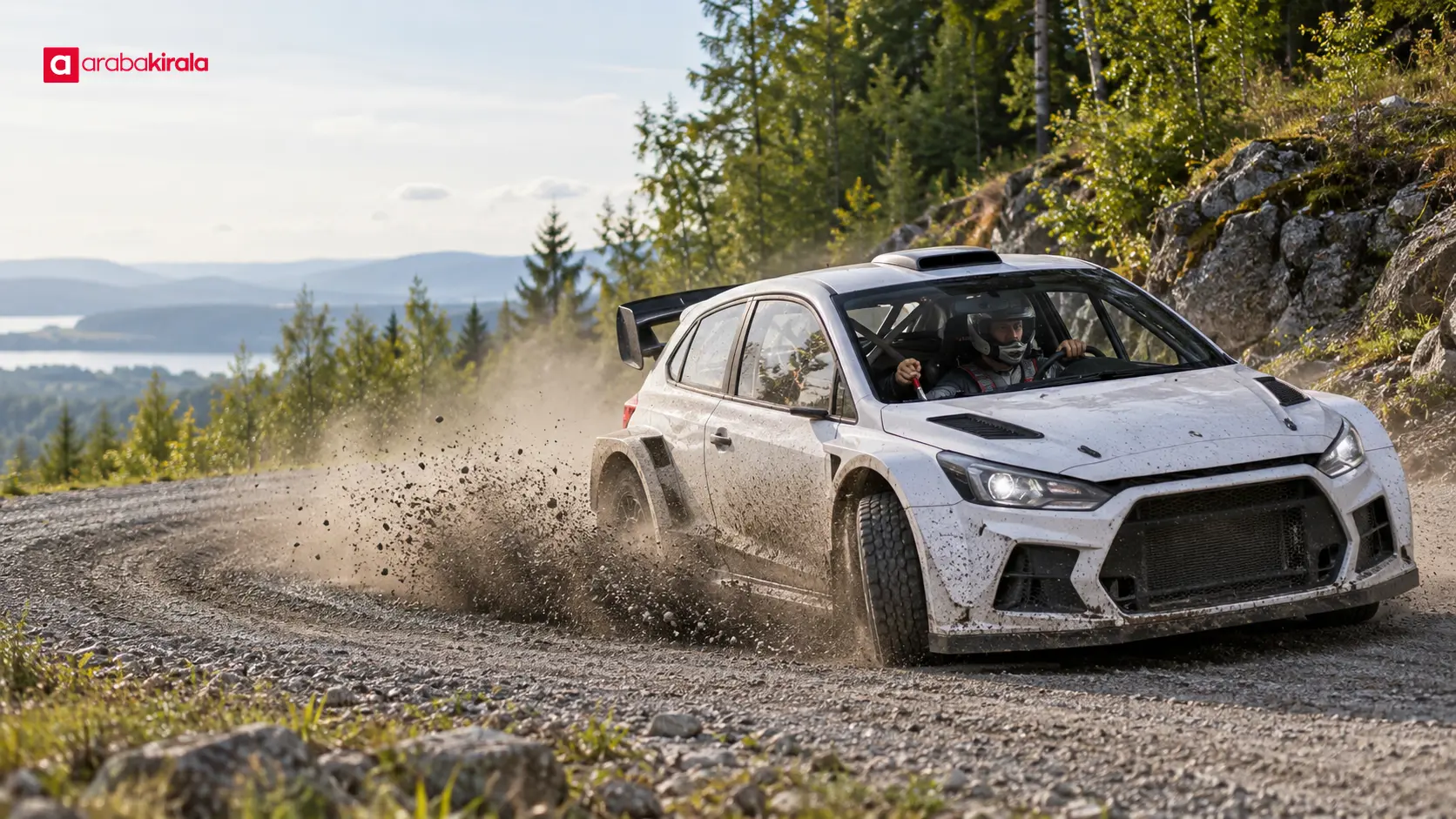
What does the handbrake do in a tight corner?
In everyday driving, the handbrake is usually understood as a parking brake. In rallying, it can also be a brief directional input. A competition car’s control system may differ from a production car’s. Some arrangements let the driver apply strong rear braking quickly through a lever. FIA technical regulations describe how the locking mechanism may be removed from a “fly-off” handbrake. That description does not specify the equipment on every car: technical details vary by vehicle and class.
When the rear wheels slow momentarily, their ability to provide lateral grip may decrease. The front wheels point into the corner while the rear of the car begins to move outward, helping the body rotate. Once the driver releases the lever and applies suitable throttle, the rear wheels can regain drive and help the car move forward. The aim is not to stop the car, but to change its direction more quickly at low speed in a very tight turn.
The sequence through a tight hairpin
A hairpin turns back sharply on itself and is usually taken at relatively low speed. Rally drivers read a corner in context: pace notes, reconnaissance, the road beyond the turn, and the car’s approach all matter. The corner’s angle and width, its gradient, the exit surface, and the car’s speed influence the line and inputs.
Approach and speed adjustment
Before the turn, the driver reduces speed and positions the car for the chosen line. The handbrake does not replace proper braking. Entering too fast and pulling the lever is neither a safe nor an effective method. Most of the necessary deceleration comes from the normal brakes and gear selection; the handbrake is a short input that may help complete the rotation.
Steering and a brief handbrake input
At turn-in, the driver steers toward the direction of travel through the corner. A brief handbrake application can reduce rear-axle grip, allowing the back of the car to rotate and helping it settle into the tight turn. Holding the lever for too long can slow the rear wheels excessively, increase the car’s angle, and cost speed. The duration and force must therefore match the corner and surface.
Release and drive out
As the car’s nose points toward the exit, the driver releases the handbrake. The steering angle is reduced while throttle is applied progressively, so the rear wheels can regain traction and the car can leave in balance. Too much throttle too early may prolong the slide; too little or too late can reduce exit speed. The driver continually judges grip and the car’s response to find the balance.
Road and car conditions shape the technique
The handbrake is not used identically at every hairpin. Loose gravel may let the rear wheels begin sliding more readily, while the higher grip of tarmac can call for different speed and timing. Wetness, mud, snow, bumps, and road camber also affect grip. A rock or rough patch on the inside can make the rear of the car bounce or move away from the intended line.
The car’s drivetrain, differentials, brake balance, tyres, and suspension also affect its response. A handbrake input that works in one car will not necessarily produce the same result in another. In WRC, drivers use reconnaissance to note the surface and corner shape, then follow those observations through the stage with pace notes. Equipment and setup depend on the car’s class and technical rules; there is no single configuration that describes every rally car.
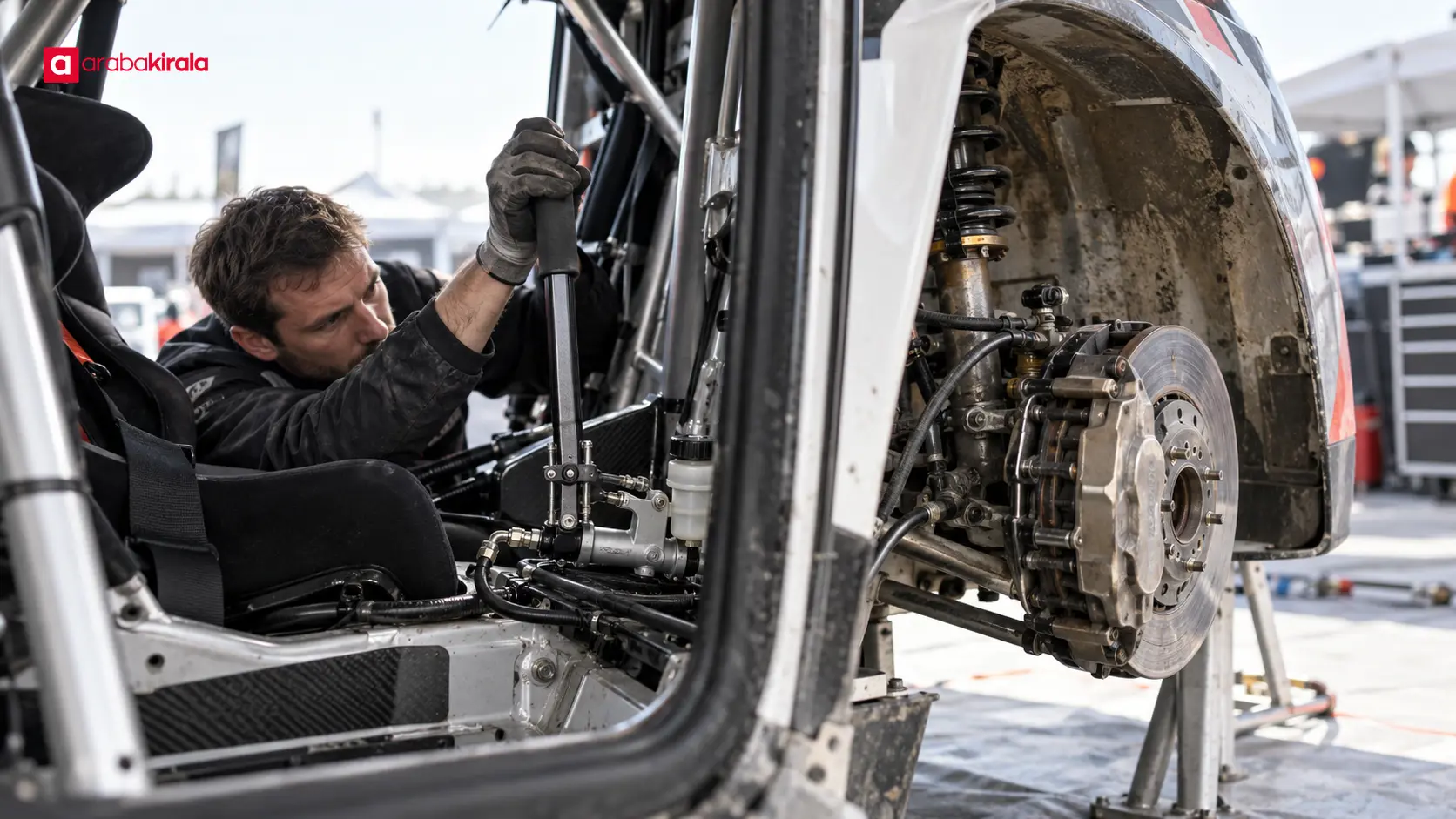
Handbrake, braking, and sliding are different things
Normal braking reduces speed in a controlled way before and during a corner. In a rally context, a handbrake input briefly changes rear-axle grip and may help the car rotate. A slide is the tyres moving sideways relative to the surface. The handbrake is one possible way to initiate that movement, but a slide is not caused by the handbrake alone. Steering, braking, throttle, weight transfer, and the road surface all contribute.
The handbrake is not an automatic shortcut to a faster corner. Each use can cost some speed; poor timing can leave the rear too far out, push the car off its line, or delay traction on exit. A broad, flowing bend may not call for it at all. The driver chooses the combination of inputs that best turns the car through that particular corner.
Limits and safety
Too much handbrake can lock the rear wheels or make the car’s slide angle grow. If the driver also adds excessive steering and makes a sharp throttle correction, the car may swing toward the opposite side. Narrow roads and edge hazards such as ditches, trees, rocks, or barriers can make a mistake more serious. Rally safety relies on a coordinated setting that includes training, vehicle protection, stage closure, and event supervision; those conditions do not exist in the same way on a public road.
A road car’s parking brake should not be used as an emergency manoeuvring device. Follow the vehicle maker’s owner’s manual for its intended operation. Anyone interested in learning controlled car movement should do so only in a suitable closed environment with an expert instructor and an appropriate vehicle. Practising on an open road puts the driver and other road users at risk.
What to watch for in WRC footage
Watching only the instant the lever is pulled misses much of the technique. Look at the car’s speed on approach, its braking point and available road width; then note steering direction at turn-in, how far the rear moves, when the driver releases the lever, and how throttle builds. The way the car straightens and accelerates on exit is a useful clue to how cleanly the turn was completed.
In a WRC report, the FIA has described a driver losing time through a series of tight hairpins after a handbrake problem. That example shows that the control can matter in some turns, but it does not prove that every car has the same system or that every corner requires its use. Footage may show different classes, surfaces, and stage layouts. The behaviour of a competition car is not a template for copying the movement in a road car.
In summary: the handbrake helps rotation, but does not change the limits of grip
In a tight turn, a rally handbrake can briefly reduce rear-wheel grip and help the car change direction. Effective use depends on suitable approach speed, correct steering, a short and timely application, and then releasing the lever so traction can return. Surface, setup, and corner geometry alter the result, so the technique is not a fixed recipe.
When watching WRC, assess the handbrake together with braking, steering, and throttle. If you want to experience rally driving, choose a closed, supervised training setting and never try the technique on public roads.
Frequently Asked Questions
Is a WRC handbrake different from the one in a road car?
Competition cars may use a handbrake control and connected braking system designed for quick operation and the car’s racing purpose. FIA technical regulations allow a “fly-off” type control in specified contexts. That does not mean every WRC car has identical equipment; class and vehicle design matter.
Why does pulling the handbrake help a car turn?
A brief braking input can temporarily slow the rear wheels and reduce their lateral grip. With the front wheels pointed into the corner, movement at the rear can help the body rotate. The result depends on speed, tyres, surface, and setup; too much input can take the car off line.
Do rally drivers use the handbrake at every hairpin?
No. The corner’s angle, width, gradient, surface, and exit line shape the technique. Some turns can be taken with normal braking, steering, and throttle; the handbrake may be unnecessary or may cause avoidable speed loss or instability.
Is the technique the same on gravel and tarmac?
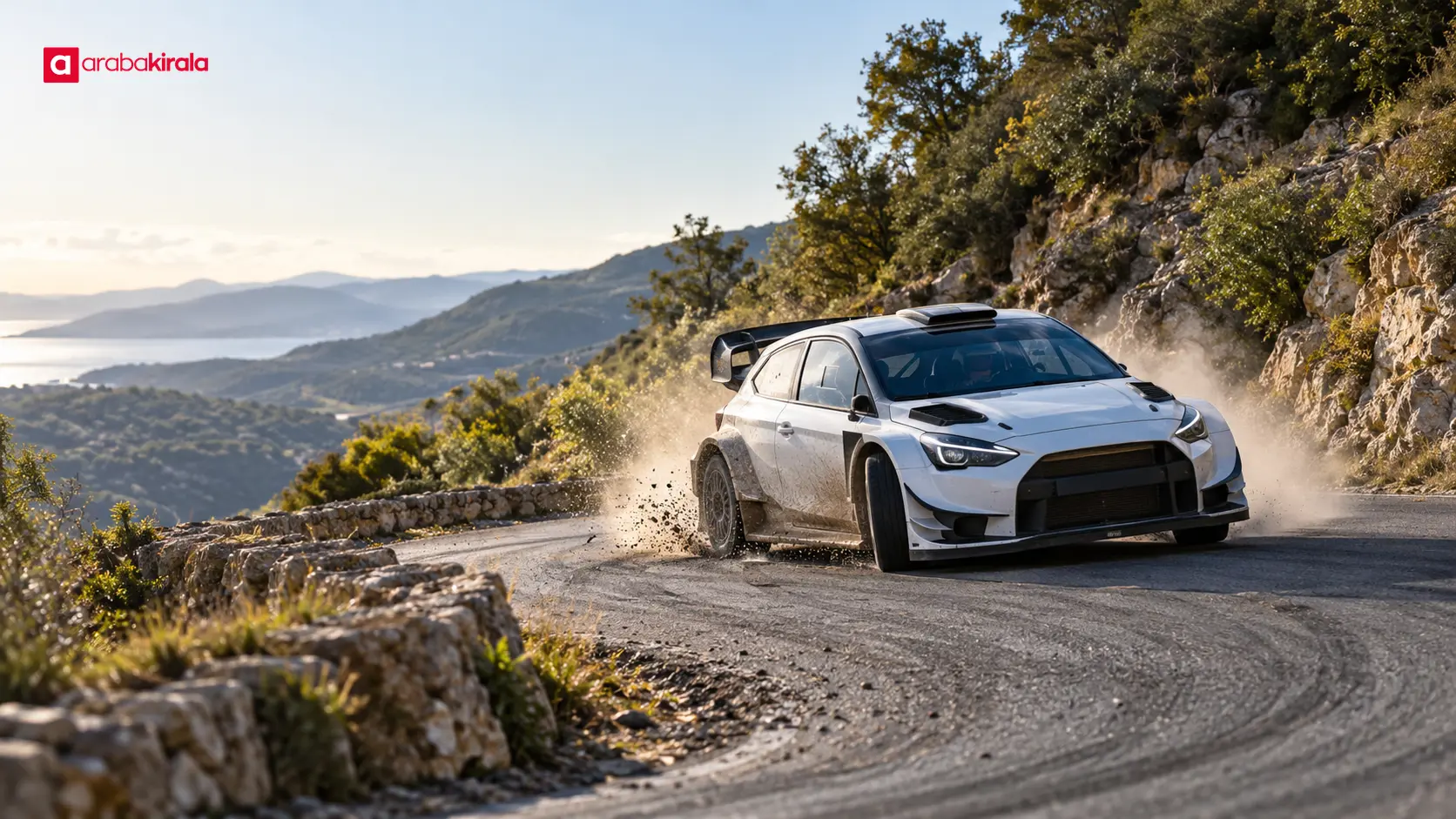
The basic aim is similar, but grip and the car’s response differ. Loose gravel may make it easier to start a slide, while tarmac can provide more grip and call for different timing. Wetness, gradient, and rough patches also matter, so one input does not suit every surface.
Can I try this in a regular rental car?
No. Rally handbrake technique is a competition driving input for closed stages, with appropriate cars and training. Trying it on a public road or in an ordinary road car risks loss of control and a collision. Follow the vehicle maker’s instructions for the parking brake.
Legal Disclaimer: All content, articles and information on the Araba Kirala website are provided solely to inform users. No information shared on this website constitutes definitive advice or guidance. Araba Kirala Teknoloji A.Ş. and its authors cannot be held responsible for any direct or indirect damages arising from the application of information on the website. For all questions and requests regarding car rental, please contact the office from which you will rent your vehicle.












