
How WRC Rally Cars Prepare Their Windows and Visibility Equipment
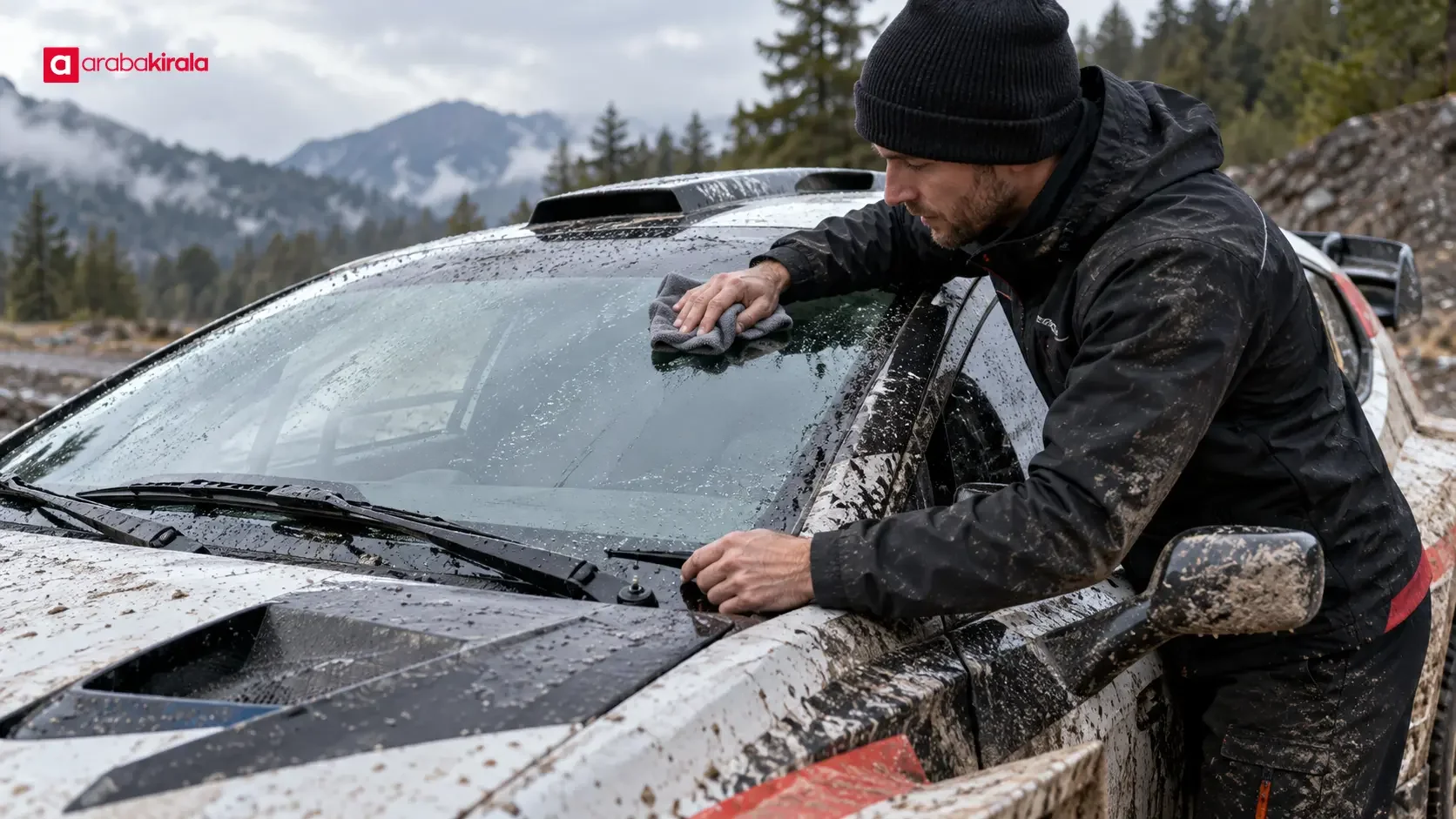
Published: October 16, 2026 • Reading Time: 7 min • Last Updated: October 16, 2026
Dust, rain, mud and changing light challenge visibility in WRC. Learn how teams prepare and check windscreens, wipers, washers and in-cabin airflow.
Contents
- Why rally visibility needs special preparation
- What the glass, wipers and washer system do
- Windshield and field of view
- Wipers and washers
- Preparing for dust, rain, mud and fog
- Checks before and between stages
- How driver and co-driver manage visibility together
- What everyday drivers can take from rally preparation
- Summary and next step
- Frequently Asked Questions
WRC visibility equipment brings together the windshield, wipers, washer system and the crew’s view of the road so drivers can read changing stage conditions. This guide explains how dust, rain, mud, mist, low light and vibration can affect sightlines, and what preparation and checks address those challenges. The aim is more than having clean glass: drivers need to pick out bends, road edges and changes in the surface in time to respond.
Why rally visibility needs special preparation
Rally stages are not as uniform as a closed circuit. A single event can include dry gravel, standing water, mud, fog or dense dust. A car may enter the cloud raised by the vehicle ahead, while rain can suddenly reduce the view through the windshield. Visibility therefore depends both on the glass itself and on how quickly dirt can be cleared from it.
During a stage, the driver and co-driver concentrate on the road, corners and pace notes. A smear, scratch, fogged area or layer of mud in the field of view can make details harder to distinguish. Wipers and washers help keep the glass usable, but they are not the whole visibility system. The glass, ventilation, viewing angle from the cockpit and functioning controls all matter together.
What the glass, wipers and washer system do
Windshield and field of view
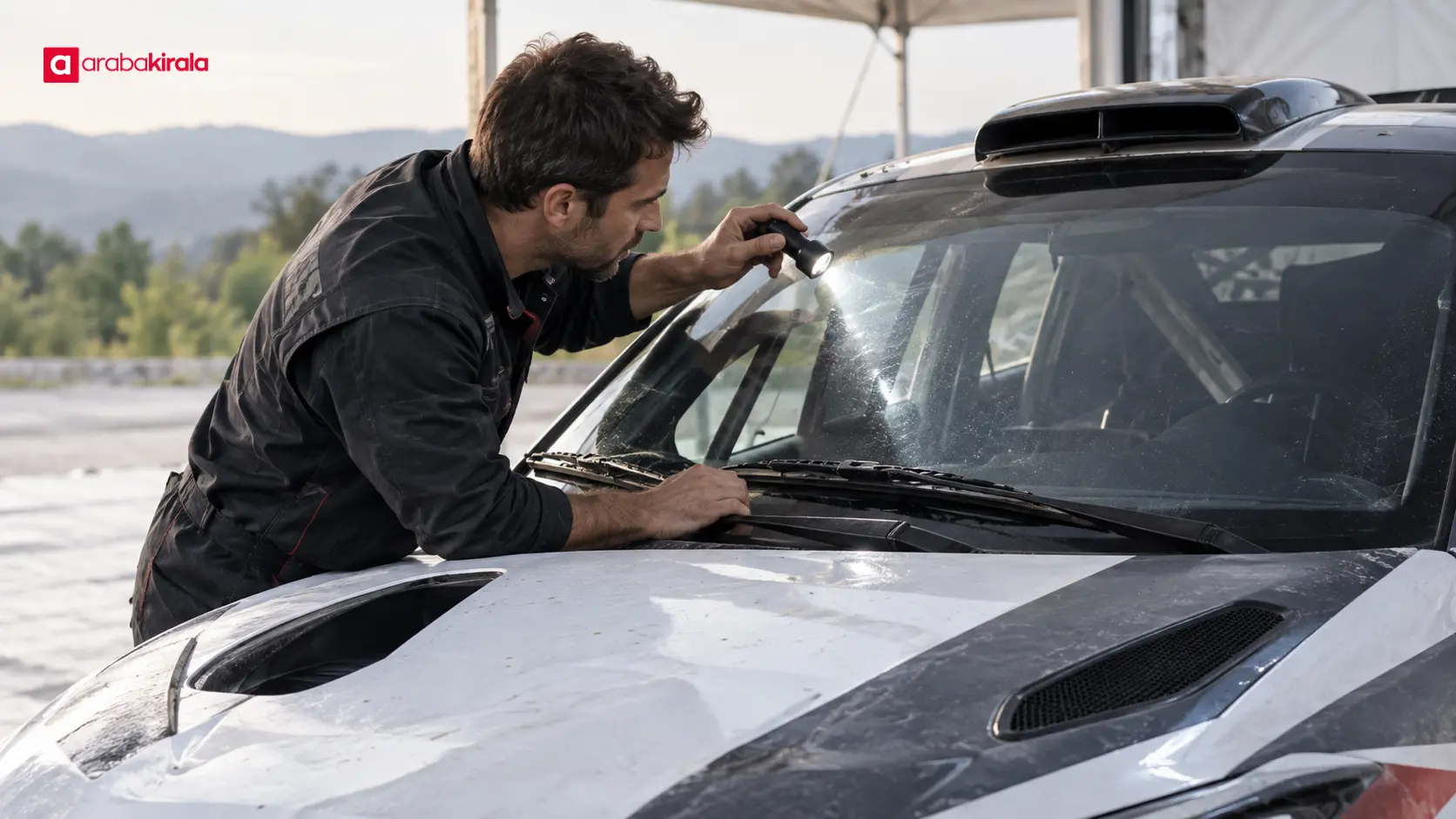
The windshield protects the cockpit from airflow and loose material while allowing the driver to see the road. A crack, deep scratch or damaged coating can scatter light; the effect may be more noticeable in low sun or when facing light sources. A check therefore considers not only whether the glass appears intact, but also whether defects in the driver’s viewing area interfere with a clear view.
Rally car glazing and its installation must suit the vehicle design and applicable technical rules. WRC classes and technical requirements can change over time, so it would be misleading to make a universal claim about glass type or permitted equipment. Teams use the official technical regulations for the relevant season and class. From the driver’s perspective, the practical goal is sound, clean glazing that does not obstruct the view.
Wipers and washers
Wiper blades sweep water and loose dirt away. A hardened, torn or poorly contacting blade can leave streaks. Teams also check the arm movement, connections and available operating speeds. Rain intensity and vehicle speed affect what the driver needs, so controls should be reachable and usable from the driving position.
The washer system includes components such as spray jets, hoses and a fluid reservoir. Blocked jets, leaks or fluid that does not reach the glass can make cleaning harder. Teams choose their fluid and maintenance approach for the conditions. If mud has dried onto the windshield, the wipers alone may not remove it; the glass and system need proper cleaning and inspection.
Preparing for dust, rain, mud and fog
Dust: Dust raised by cars ahead can hang in the air, reducing visibility and leaving a fine layer on the glass. If dry, abrasive dust is dragged across the windshield by the wipers, it may leave marks. Teams inspect the viewing area, use an appropriate cleaning method and make sure the washer system is ready. Dust entering the cockpit can also affect cabin air and crew comfort.
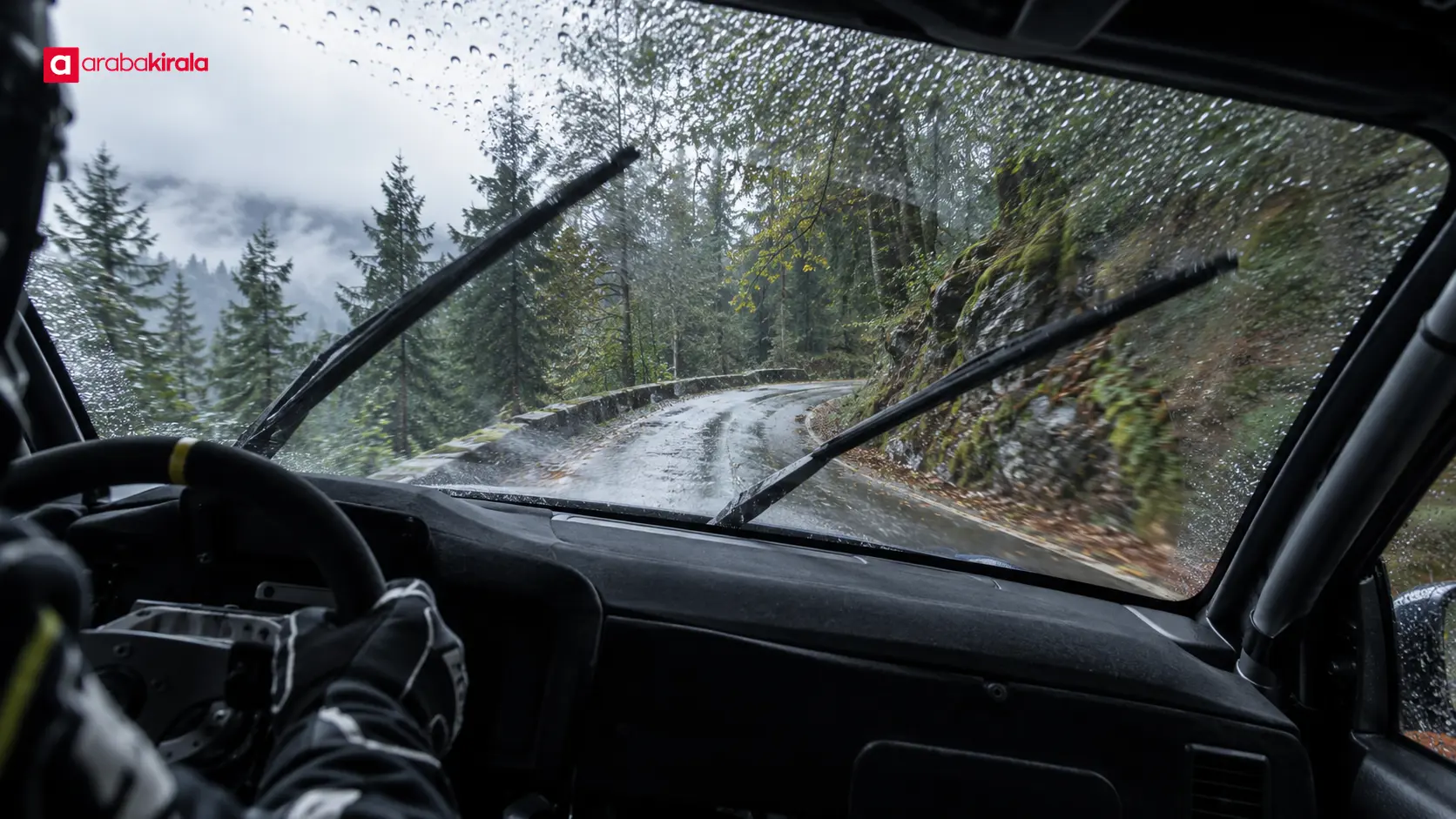
Rain and mud: Wipers can often clear water, but wet stages may send mud and small debris onto the glass. In those conditions, blade movement, the area swept and washer coverage become especially relevant. The driver adjusts the wipers to the conditions while continuing to follow the road and pace notes.
Fogging and temperature changes: Moisture inside the cockpit and changes in outside conditions can fog the inside of the glass. Directing ventilation toward the windshield and managing airflow can help clear it. Wiping the glass by hand while driving can distract the crew, so fogging should be addressed before setting off and the ventilation controls should be familiar.
Low light and glare: Dusk, rain and reflected light can make surface defects more noticeable. Clean glass, properly adjusted lighting and a broad view from the driver’s seated position work together. Smears on either side of the windshield can increase glare at night or in low sun.
Checks before and between stages
Preparation is not a single task performed just before a stage. In service, the team reviews the glass, wipers, washer system and whether the controls are accessible. An impact, crack, loose connection or loss of performance found after a stage calls for another assessment. The scope of checks depends on the car’s technical design and the event schedule.
- Look for cracks, deep scratches, dirt or residue that obstructs the driver’s viewing area.
- Check blade wear, arm movement and any streaks left on the glass.
- Confirm that washer fluid reaches the jets and that there are no visible leaks.
- Review windshield ventilation outlets and become familiar with the demisting controls.
- If new damage or reduced visibility appears after a stage, assess it before driving again.
These points do not replace the technical preparation carried out by a professional team. Work on glazing, wipers or electrical components may require knowledge and equipment suited to the car. If a driver notices a fault that blocks the view, they should follow the event’s safe stopping and crew notification procedures.
How driver and co-driver manage visibility together
Visibility equipment supports a driver’s decisions; it does not replace pace notes. The co-driver reads notes while the driver observes the road ahead, its edges and surface changes. Knowing controls such as wiper speed and ventilation settings in advance can reduce distraction during a stage. The helmet, seating position and safety equipment can also affect the sightline, so the cockpit layout is assessed from the actual driving position.
When a dust cloud or rainfall suddenly limits the view, the driver must manage speed and line in light of the available visibility. Stage safety and competition rules take priority. Teams follow the official documents for the specific car or event; a general article cannot replace the procedures in force for a particular stage.
What everyday drivers can take from rally preparation
WRC conditions are harsher than ordinary road use, but some visibility habits apply to any car: keep the windshield clean, inspect blades when they streak or skip, check washer fluid and clear fog before setting off. For cracks or damage that affect the view, consult the vehicle manual and a qualified service professional. Clean glass is not only more comfortable to look through; it helps drivers notice changes around them in time.
People renting a car can also look over the windshield for existing damage, check the visible condition of the wipers and confirm that the washer system works before leaving. Recording a noted issue in the handover record helps establish the vehicle’s condition before use. For questions about equipment or procedures specific to the rental location, ask the branch where you will collect the car; do not treat another provider’s terms as a general rule.
Summary and next step
WRC visibility equipment relies on the windshield, wipers, washer system, ventilation and driver position working together. Dust, mud, rain, fog and glare each create different problems, so preparation includes checking function and the field of view as well as cleaning the surface. Technical details for rally cars can vary by class and season. For everyday driving, regularly checking the glass, wipers and demisting system is a useful start. Before your next drive, inspect your field of view and seek qualified help for damage or faults.

Frequently Asked Questions
Do WRC cars use the same windshields as ordinary road cars?
It is not accurate to say that every car uses the same type of glass. Vehicle class, design and the technical regulations for the relevant season can affect glazing requirements. The official rules for that class and the car’s technical documents provide the specific information.
Why are wipers checked regularly on a rally car?
Wiper blades and arms help clear water from the windshield. Wear, poor contact or movement problems can leave streaks and make road details harder to see. That is why inspection forms part of stage preparation.
Is it always a good idea to use wipers on a dusty stage?
Dry, abrasive dust may leave marks when dragged across the glass, so wiper use depends on conditions and the type of dirt on the surface. Teams clean the glass appropriately and keep the washer system ready. The driver follows the team’s procedure.
How can fogging be reduced in a rally car?
Directing cabin ventilation toward the windshield and managing airflow can help clear fog. The crew should know the controls before the stage, and obscuring fog should be cleared before driving begins.
What can everyday drivers learn from rally preparation?
Clean glass, serviceable wipers, a working washer system and properly used ventilation support visibility. Drivers should not ignore damage or streaking blades; they can consult the vehicle manual or a service professional when needed.
Legal Disclaimer: All content, articles and information on the Araba Kirala website are provided solely to inform users. No information shared on this website constitutes definitive advice or guidance. Araba Kirala Teknoloji A.Ş. and its authors cannot be held responsible for any direct or indirect damages arising from the application of information on the website. For all questions and requests regarding car rental, please contact the office from which you will rent your vehicle.












