
WRC Technical Checks: How Cars Are Inspected in the Rally Park
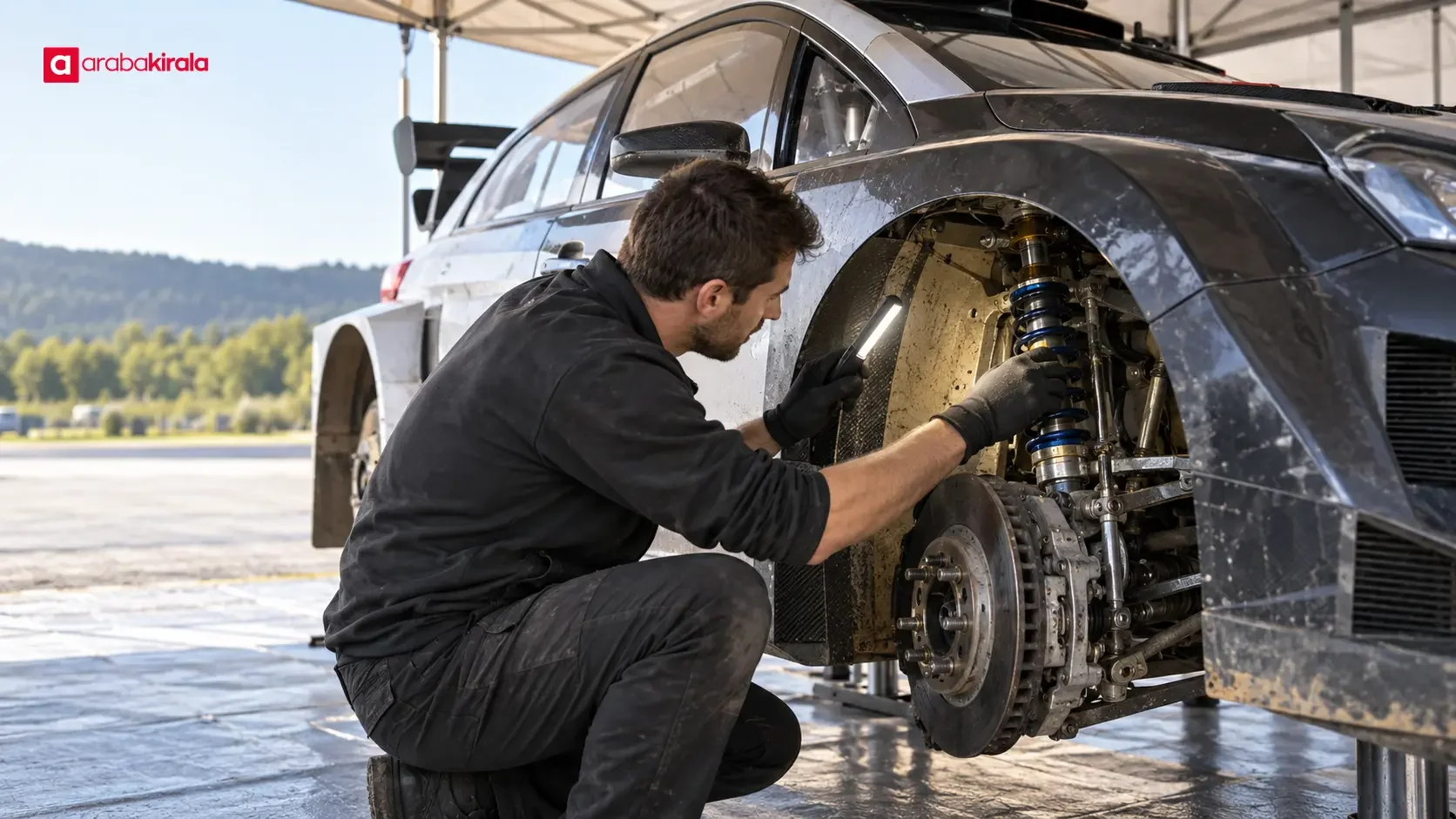
Published: October 20, 2026 • Reading Time: 7 min • Last Updated: October 20, 2026
Learn how WRC technical checks work before, during and after a rally, how the service park differs from parc fermé, and why inspections matter for safety and sporting compliance.
Contents
- What is the rally park for?
- Why cars are checked before the rally
- Safety equipment and technical compliance
- Why measurements, identification and seals matter
- Additional checks during a rally
- Parc fermé and post-finish inspection
- How spectators can follow the technical process
- Why technical checks are part of the competition
- Frequently Asked Questions
WRC technical checks are inspections that assess whether rally cars meet the applicable rules and safety requirements at different stages of an event. This guide explains what pre-event scrutineering may cover, how the service park fits into the process, when additional checks can take place during a rally, and why cars may be held in parc fermé after the finish.
What is the rally park for?
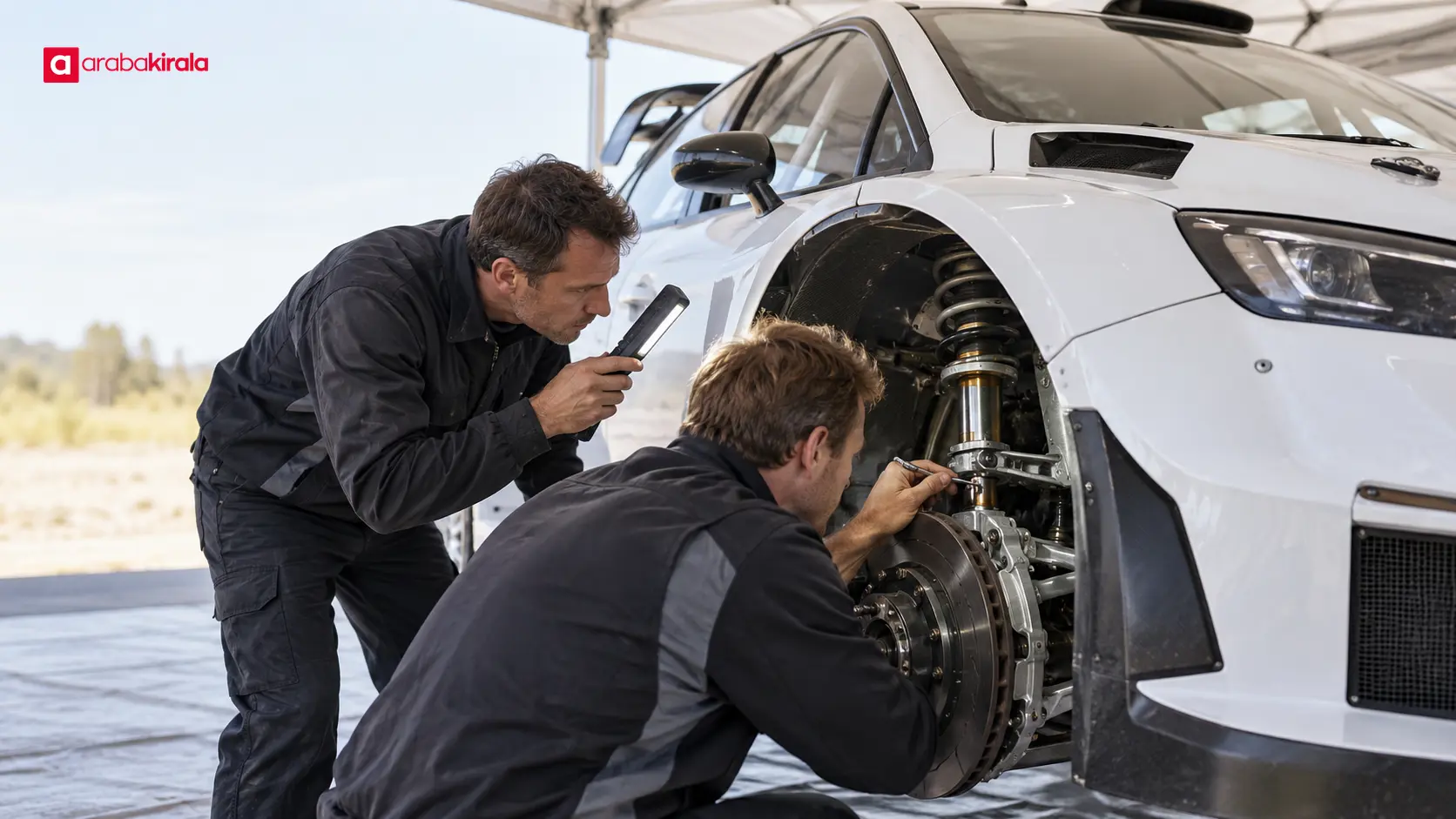
The service park is an organised area where teams carry out scheduled servicing and preparation work on their rally cars. They inspect the cars, complete permitted maintenance and prepare for the next part of the event timetable. It is therefore more than a display area: it is a working environment for teams, technical officials and event operations.
Team servicing and technical scrutineering have different purposes. Servicing is the team’s work to maintain and prepare the car. Scrutineering is an official assessment of compliance with the rules. A car being present in the service park does not, by itself, mean that it is undergoing an official inspection at that moment. The event schedule and regulations determine where and when checks take place.
Why cars are checked before the rally
Pre-event checks help verify that a car complies with the technical and safety provisions that apply to its competition category. The assessment is not limited to looking at the car’s exterior. It may include identification, technical documentation, designated components and safety equipment. The details depend on the car category and the regulations in force for that event.
FIA regulations can provide for cars to be identified and for certain components to be marked or sealed during initial scrutineering. These marks help officials track the inspected parts throughout the rally. A seal is not a general certificate that every aspect of a car is flawless; it is one of the tools used to monitor particular components.
Safety equipment and technical compliance
Safety components matter because rally cars operate at high speeds on changing surfaces. Officials may examine the vehicle’s safety structure and equipment under the applicable technical rules. Helmets, clothing and other protective equipment intended for the driver and co-driver may also be checked as specified by the regulations. In this way, scrutineering can address both the car and the crew’s protective equipment.
This does not mean that every car is assessed using the same parts and procedures. Vehicle categories and the technical provisions that apply to them can differ. A checklist for one class should not be treated as a universal list for all rally cars.
Why measurements, identification and seals matter
Where the regulations require it, technical officials may confirm a car’s identity and measure particular technical values. Depending on the category, checks may concern items such as weight, component characteristics or details linked to homologation. Homologation describes the technical specification of a vehicle or component recognised under the relevant competition rules. Scrutineering helps assess whether the car matches the declared and permitted configuration.
Seals and identification marks help maintain traceability. Competitors are responsible for preserving the required marks and keeping the car compliant throughout the rally. Officials may need to access a component during an inspection; if a part has been handled, it must be refitted correctly. Team servicing and official inspection are distinct activities: one supports the car’s operation, while the other evaluates compliance.
Additional checks during a rally
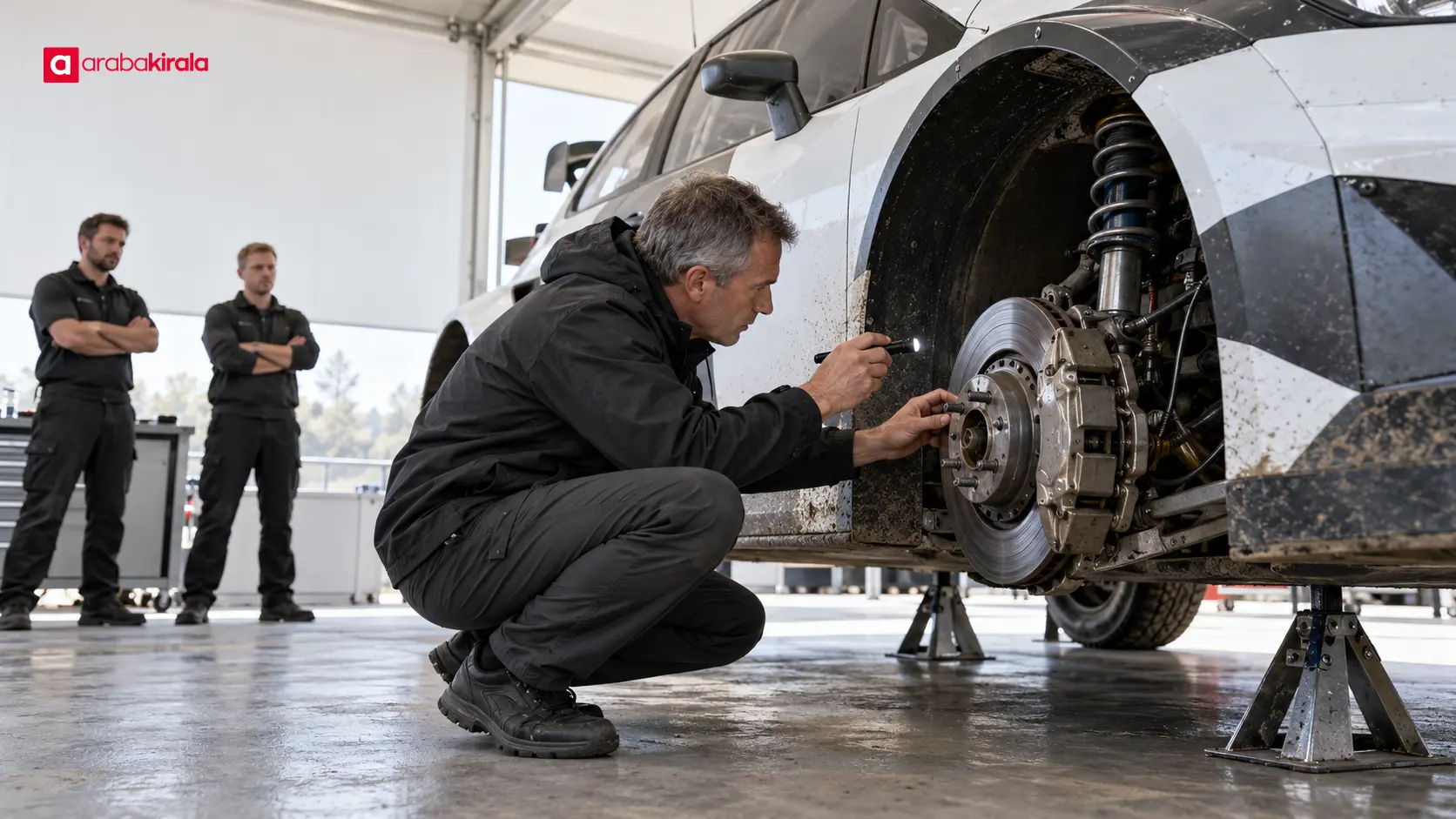
Scrutineering does not necessarily end with the pre-start inspection. FIA WRC sporting regulations allow additional checks on cars or safety items during the rally and, in some circumstances, at shakedown. This means compliance is not tied to a single moment before the start. The timing and scope of any check are governed by the regulations and the instructions of the relevant technical officials.
An additional inspection should not be confused with ordinary maintenance in the service area. Officials may verify a particular feature or call for a closer examination. Because a rally car’s condition and components can change during competition, compliance remains relevant throughout the event. Any work involving marked or sealed parts must follow the applicable permissions and procedures.
Parc fermé and post-finish inspection
Parc fermé is a restricted-access area where cars are kept under official supervision at specified stages of the event. Its purpose differs from that of the service park, where teams carry out scheduled work. Access to cars and any intervention in parc fermé are limited by the sporting regulations and officials’ instructions. This helps preserve the cars’ condition and make checks possible after the relevant part of the competition.
After finish formalities, cars may be placed in parc fermé while the process of confirming results continues. If required, selected cars can undergo a more detailed technical examination, which may include dismantling components. It is not accurate to assume that every car receives the same level of inspection or that the same procedure is used at every event. Selection and scope depend on the applicable rules and decisions by the officials.
How spectators can follow the technical process
Three distinctions help when watching scrutineering:
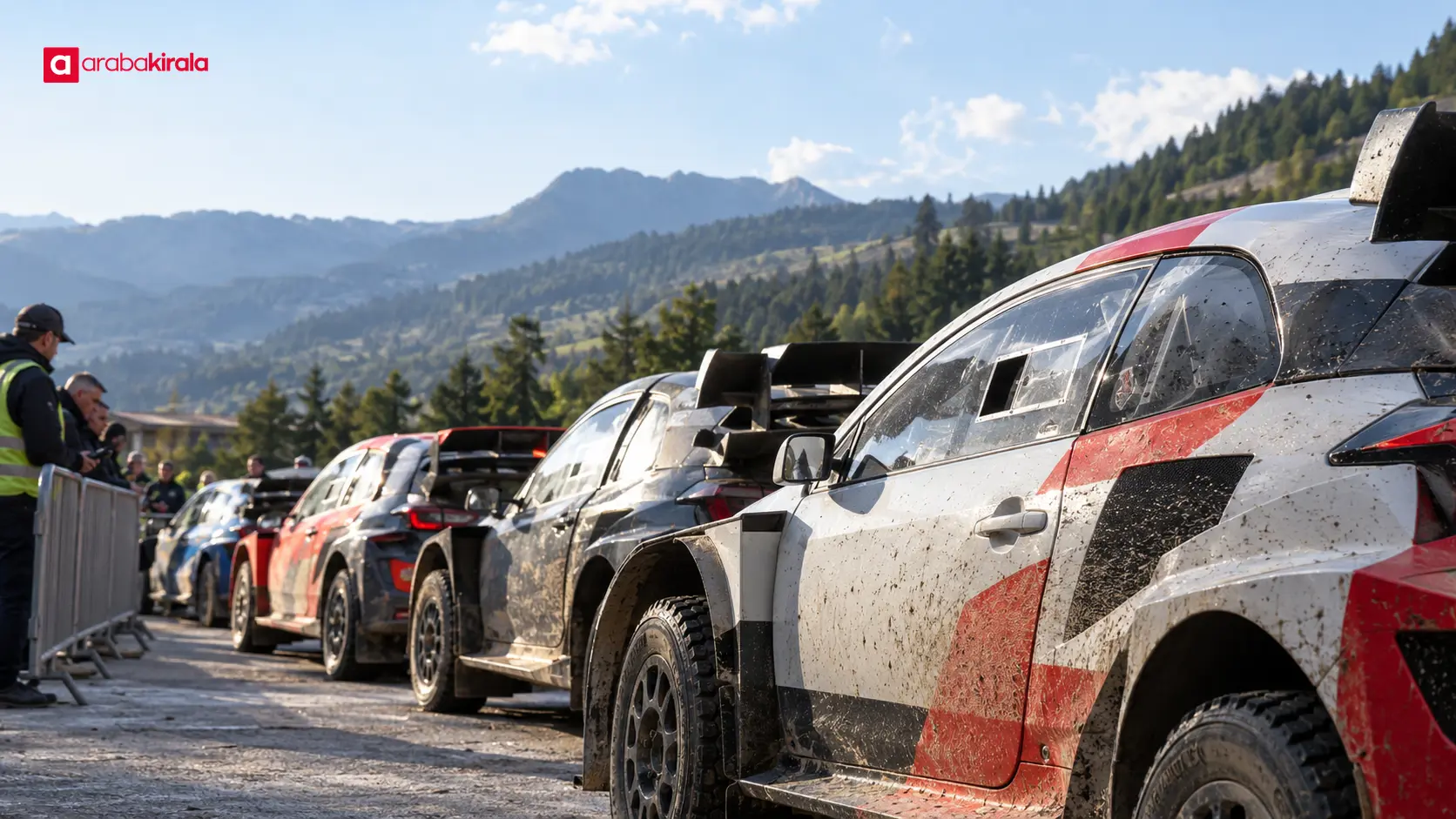
- Understand the areas: The service park is where teams work; parc fermé is a controlled area where access is restricted.
- Do not draw conclusions from one image: Seeing a component examined or a car raised does not, by itself, prove that a breach has occurred. The check may be routine or intended to verify a specific point.
- Use category-specific rules: Technical requirements can differ by car class and season. Information from an earlier season does not replace the current event regulations.
Before attending, review the organiser’s information about spectator access and venue layout. Technical work areas are arranged for teams and officials. Staying behind barriers, following designated routes and complying with staff directions help keep spectators safe. Access arrangements may differ between events, so use the organiser’s current guidance when planning a visit.
Why technical checks are part of the competition
WRC results depend on more than stage times. Cars must also remain compliant with the technical rules that apply throughout the rally. Pre-start scrutineering, checks during competition and post-finish examinations assess compliance at different points. The service park supports team work, technical scrutineering assesses conformity, and parc fermé allows cars to be held for official oversight at specified stages.
As a next step, check the official event schedule for service park details and spectator access. For the technical framework, consult the FIA WRC sporting and technical regulations for the relevant season. This context makes it easier to interpret an inspection and distinguish the different activities taking place around the rally park.
Frequently Asked Questions
When do WRC technical checks take place?
Checks can be scheduled before the rally, with additional inspections possible during or after competition where the regulations allow. Timing and scope depend on the event schedule and the rules in force.
Are the service park and parc fermé the same place?
They do not serve the same purpose. The service park is where teams carry out planned work. In parc fermé, access and intervention are restricted, and cars are kept under supervision at specified stages of the event.
Which parts of a car are inspected?
Depending on the category and applicable rules, checks may cover the car’s identity, designated technical components, measurements and safety equipment. There is no reason to assume that one unchanged checklist applies to every class.
Can a car be checked during a rally?
Yes. WRC sporting regulations provide for additional checks on cars and safety items during competition. Whether a check is required and how it is conducted depend on the officials’ instructions and the applicable rules.
Why can’t teams freely work on cars in parc fermé?
Parc fermé is intended to keep cars under supervision and preserve their condition at specified points. Access and servicing are limited by the regulations, and any permitted work follows the event’s instructions.
Is every car dismantled for inspection after the finish?
No. More detailed examinations that may involve dismantling can be required for selected cars. The choice of car and the scope of the inspection depend on the regulations and decisions by the officials.
Legal Disclaimer: All content, articles and information on the Araba Kirala website are provided solely to inform users. No information shared on this website constitutes definitive advice or guidance. Araba Kirala Teknoloji A.Ş. and its authors cannot be held responsible for any direct or indirect damages arising from the application of information on the website. For all questions and requests regarding car rental, please contact the office from which you will rent your vehicle.












