WRC27 Rally1 Class: New WRC Cars and Rally2 Kit Cars

Published: November 19, 2026 • Reading Time: 7 min • Last Updated: November 19, 2026 • Author: Merve B.
Contents
- What does the WRC27 Rally1 class mean?
- How are new WRC cars defined?
- What is a Rally2-WRC-Kit car?
- Key differences between the two car types
- Why allow the cars to compete together?
- How fans can follow the differences
- Safety and technical terms in context
- Summary and what to do next
- Frequently Asked Questions
- Related Articles
- Sources
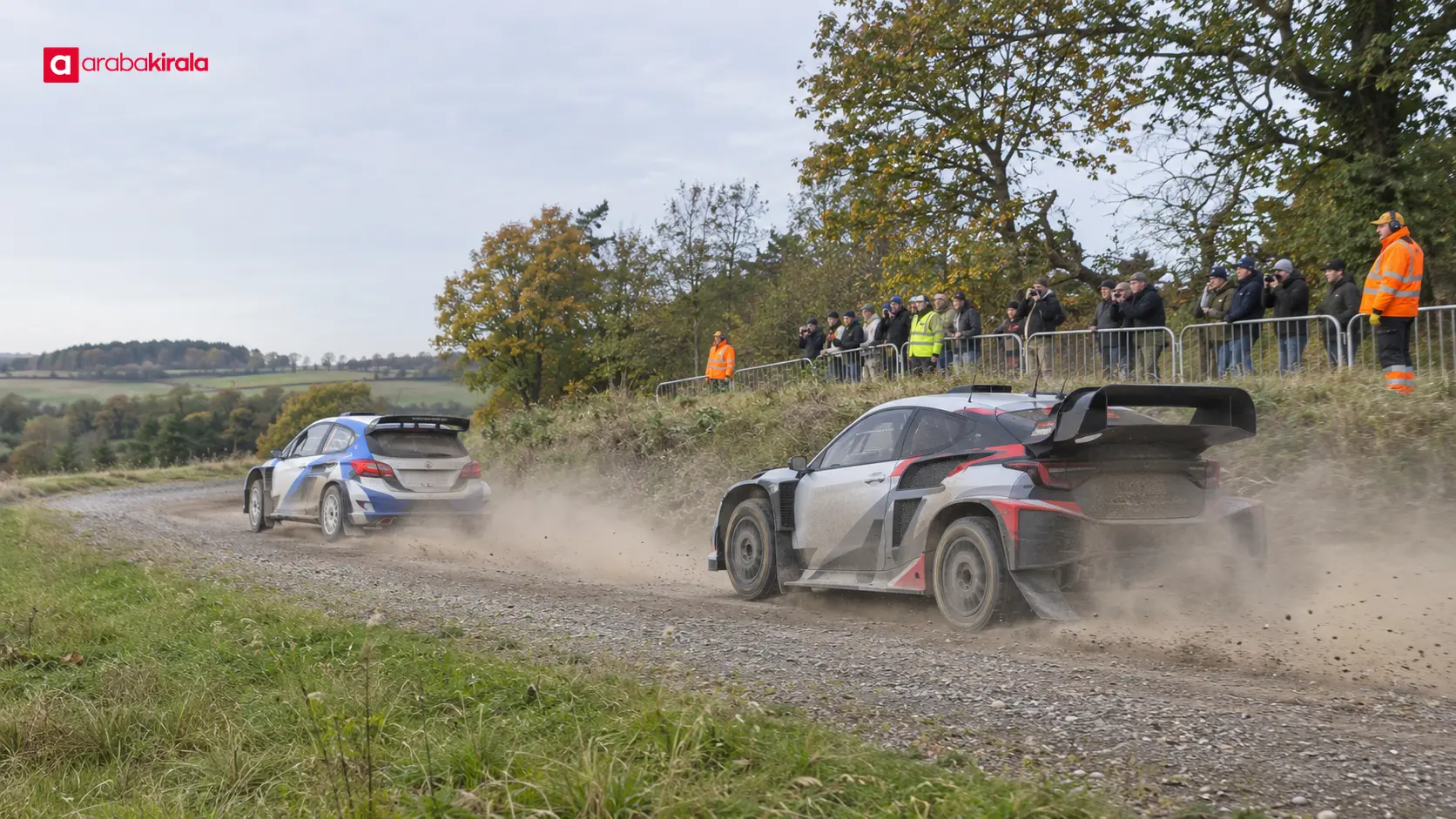
The WRC27 Rally1 class is set to bring two types of car into the top category of the FIA World Rally Championship from 2027: new cars designed to WRC27 technical rules, and eligible Rally2 cars prepared with an approved aerodynamic kit. This guide explains what the category means, how the two routes differ and why they will appear together during the transition to the new rules.
The important distinction is that sharing a category does not make the cars technically identical. A new WRC car is designed around the WRC27 framework. A kit car starts with a car already homologated as Rally2 and receives specified body and aerodynamic updates to become eligible for the top class.
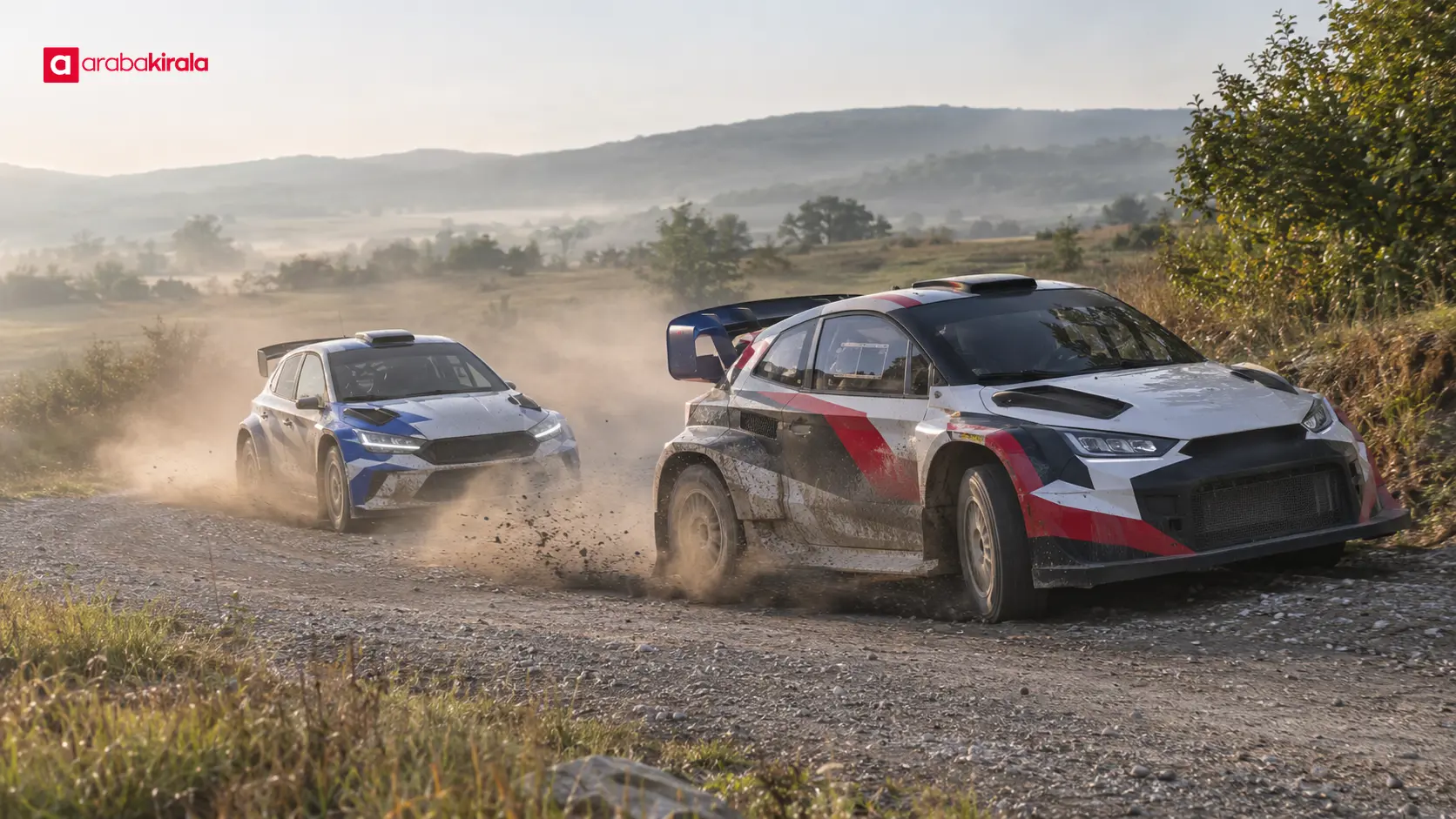
What does the WRC27 Rally1 class mean?
Rally1 is the name of the WRC’s highest competition category. The FIA’s 2027 sporting regulations establish a structure that is not limited to cars built entirely to the new WRC27 technical framework. New WRC cars and eligible WRC Kit Cars can compete in the same category.
This does not mean that their development paths or components are the same. One car is developed from the start for WRC27 rules; the other is based on a car previously homologated in Rally2 and receives the defined kit configuration. Their shared point is eligibility to compete in the championship’s top category.
How are new WRC cars defined?
New WRC cars are designed to the WRC27 technical regulations and go through homologation. The FIA’s concept presentation describes a tubular-frame safety cell and a framework that allows a range of body designs. That framework gives constructors room to shape a car’s appearance while retaining common boundaries for technical eligibility.
The concept description also refers to double-wishbone suspension and steering and braking systems derived from current Rally2 specifications. These details should not be read as a claim that every car will use identical parts or settings. They describe the technical approach in the regulations concept; the specific configuration of each car is defined through development and homologation documents.
It is also useful to remember that a WRC car is not simply a modified copy of a road car. Safety, durability, performance and suitability for special stages all matter. A body shape that resembles a production model does not, by itself, reveal the competition car’s technical architecture.
What is a Rally2-WRC-Kit car?
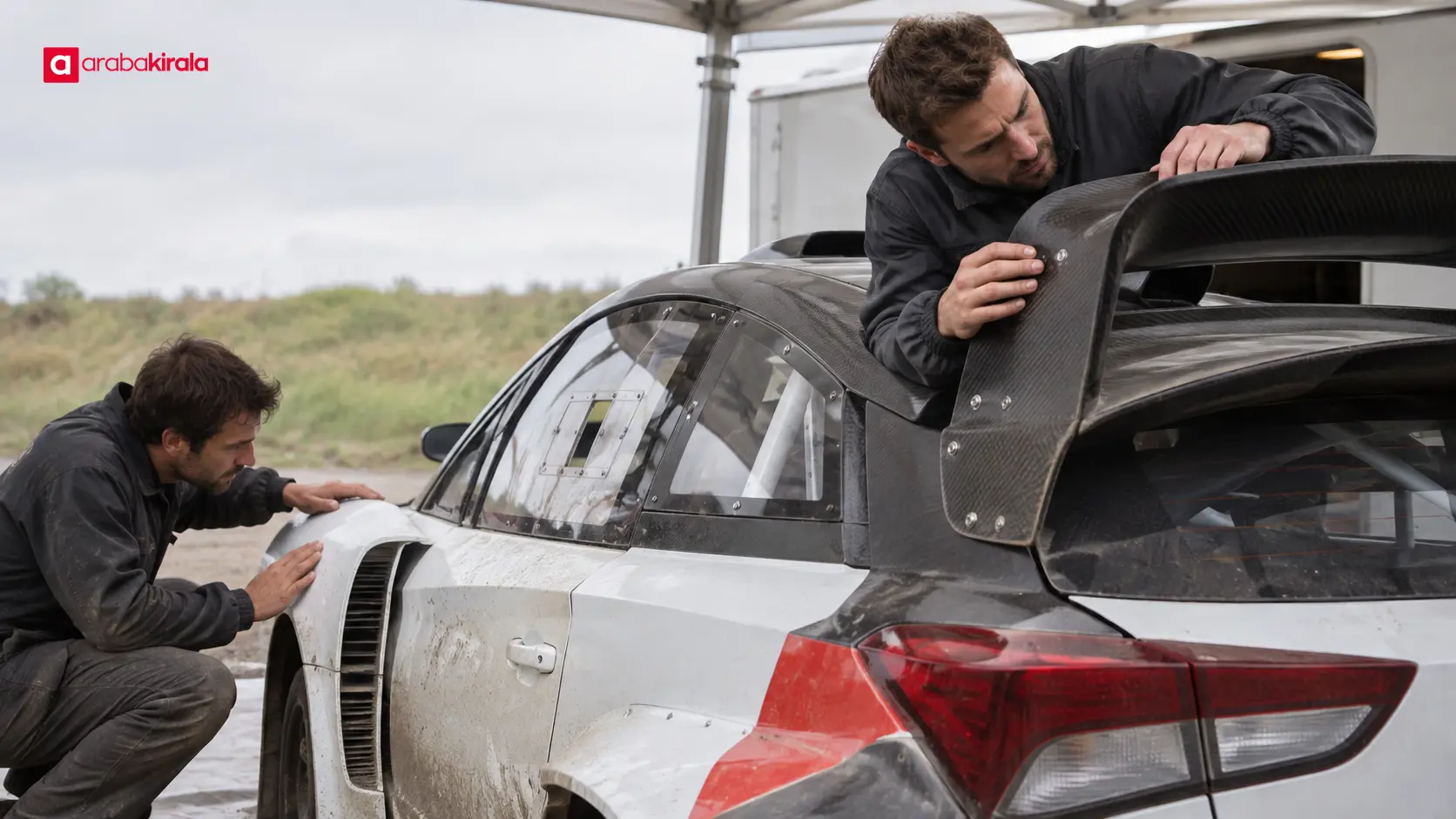
A Rally2-WRC-Kit car is based on an eligible Rally2 car and receives aerodynamic updates approved by the FIA. The FIA has described the kit as comprising new front fenders, a front bumper and a rear aerodynamic device. With the specified kit configuration, a car that was previously homologated as Rally2 can compete in the WRC top category.
The kit does not turn the car into a newly designed WRC27 vehicle. Its starting point and technical identity remain Rally2; the approved kit provides a defined route to top-category eligibility. This difference helps prevent “same class” from being mistaken for “same car.”
The kit is not just a styling change. The FIA has presented it as a way to support a more suitable aerodynamic balance between new WRC27 cars and Rally2-based entries. Still, fitting the kit does not guarantee equal pace on every stage. Results depend on the car’s design, setup, team preparation, driving and stage conditions.
Key differences between the two car types
- Design starting point: A new WRC car is developed directly for WRC27 rules. A kit car starts from a Rally2-homologated base.
- Body updates: The kit car uses approved front fenders, a front bumper and a rear aerodynamic device. A new WRC car follows its own homologated body design.
- Technical identity: Both may compete in Rally1, but they remain distinct configurations. The category sets competition eligibility; it does not make every component identical.
- Development route: One route creates a car for the new rules from the outset. The other provides a defined upgrade path for an existing Rally2 car.
This comparison does not predict which car will be faster. Rally stages can involve asphalt, snow or loose surfaces, and grip, tyre choice, weather, setup and a driver’s rhythm can all affect performance. Category is one part of the picture, not a result forecast.
Why allow the cars to compete together?
The FIA approved the Rally2-WRC-Kit option to support participation in the top category while WRC27 cars are introduced. It creates a defined route for certain Rally2 cars alongside the new designs, rather than making the transition depend on one development path alone.
The FIA’s current announcement limits the eligibility of Rally2-WRC-Kit cars to compete alongside new WRC27 cars in the WRC to the 2027 and 2028 seasons. This is the transition framework for the opening years of the new technical cycle. For later eligibility or rule changes, consult the FIA’s current technical and sporting documents.
Competing together does not mean the two car types face identical conditions or will produce the same results at every event. Team preparation, adaptation to stage conditions, reliability and driving performance all matter. The category framework defines where a car can compete; it does not decide the sporting outcome.
How fans can follow the differences
Start with the official entry information for a rally. Appearance may offer clues, but similar body shapes do not reliably identify a car’s homologation basis. The FIA and event entry lists are a better starting point for understanding which configuration a car is using.
- Check the car’s category and technical designation in the event entry list.
- During the rally, follow stage times, split times and overall standings together.
- A single fast stage does not establish the season-long performance balance.
- Compare how each type performs across different surfaces and weather conditions.
This makes the question “which car is stronger?” more concrete. Instead of judging by one styling detail, look at times on the same stage, the driver’s pace and consistency across the event. Rallying tests the car and the crew together.
Safety and technical terms in context
WRC cars run on closed special stages under event safety rules. Spectators should follow stage instructions, use designated viewing areas and comply with marshal directions. The speed or safety equipment of a competition car is no reason to imitate closed-road conditions in ordinary traffic.
“Aerodynamic kit” refers here to homologated parts that affect how the competition car interacts with airflow. It should not be confused with generic accessories fitted to everyday vehicles. The design and eligibility of the rally parts are governed by technical regulations. The term does not imply that the kit changes the engine, transmission or every other system in the car.
Summary and what to do next
The WRC27 Rally1 class brings together new cars developed for WRC27 rules and eligible Rally2 cars equipped with an approved aerodynamic upgrade. New WRC cars follow a new design framework, while kit cars retain a Rally2 starting point. The FIA’s announced transition allows kit cars to compete in the WRC alongside new WRC27 cars in 2027 and 2028.
When following the next rally, check the official entry list for each car’s technical category, then compare stage times and performance across surfaces. That gives you a grounded way to understand both the shared Rally1 category and the differences between its two car types.
Frequently Asked Questions
Will Rally1 contain only one type of car under WRC27?
No. Under the FIA’s announced structure, the Rally1 category can include new cars built to WRC27 technical rules and eligible Rally2-based WRC Kit Cars fitted with the approved kit.
Which parts are included in the Rally2-WRC-Kit?
The FIA describes the kit as including new front fenders, a front bumper and a rear aerodynamic device. Detailed eligibility and homologation requirements are set out in the relevant technical regulations.
Is a Rally2-WRC-Kit car technically the same as a new WRC car?
No. They may compete in the same Rally1 category, but their design starting points and technical configurations differ. A kit car is based on Rally2, while a new WRC car is developed for the WRC27 framework.
When can Rally2-WRC-Kit cars compete in the WRC?
The FIA’s current announcement says these cars may compete alongside new WRC27 cars in the WRC during the 2027 and 2028 seasons. Later changes should be checked against current FIA documents.
Does sharing the Rally1 category mean equal performance?
No. The category identifies a car’s competition class. Stage results depend on technical design as well as setup, team preparation, driving and conditions; the category name does not guarantee equal pace.
Related Articles
- Screens and Physical Controls in New Cars
- 2026 Hyundai BAYON Updates: Design, Driver Aids and Hybrid
- WRC Visibility Protection: Windscreens and Headlights on Gravel