WRC Visibility Protection: Windscreens and Headlights on Gravel
Published: November 14, 2026 • Reading Time: 7 min • Last Updated: November 14, 2026 • Author: Merve B.
Contents
- Why visibility gets difficult on gravel
- The windscreen: protection and a clear view
- Wipers and a clean surface
- What do headlight covers do?
- Protective parts cannot replace visibility
- Everyday lessons from rally cars
- What to look for when glass or a headlight is damaged
- Summary and next step
- Frequently Asked Questions
- Related Articles
- Sources
This guide explains WRC visibility protection: what the term covers, how the windscreen and headlights help with different challenges on gravel stages, and what everyday drivers can learn from rally preparation. Stones may strike glass, while dust, mud and changing light can make the road harder to read. Windscreens, wipers and headlight covers each address a different part of the problem.
Why visibility gets difficult on gravel
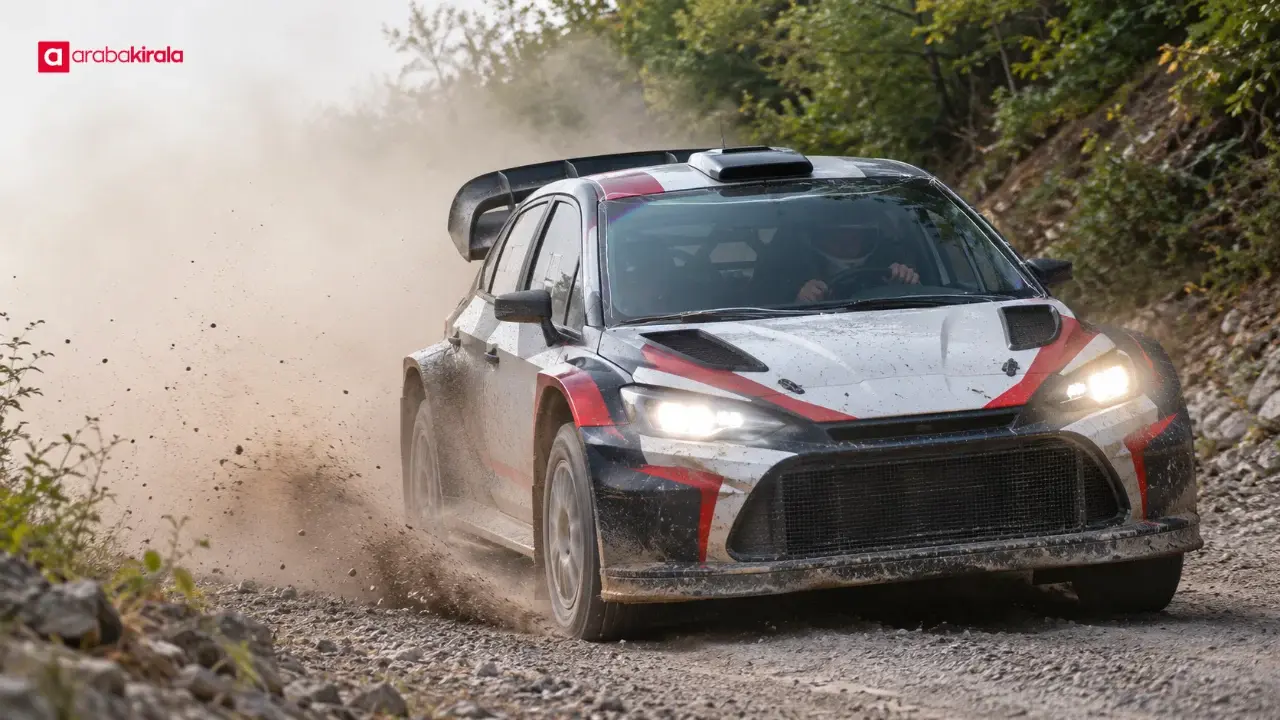
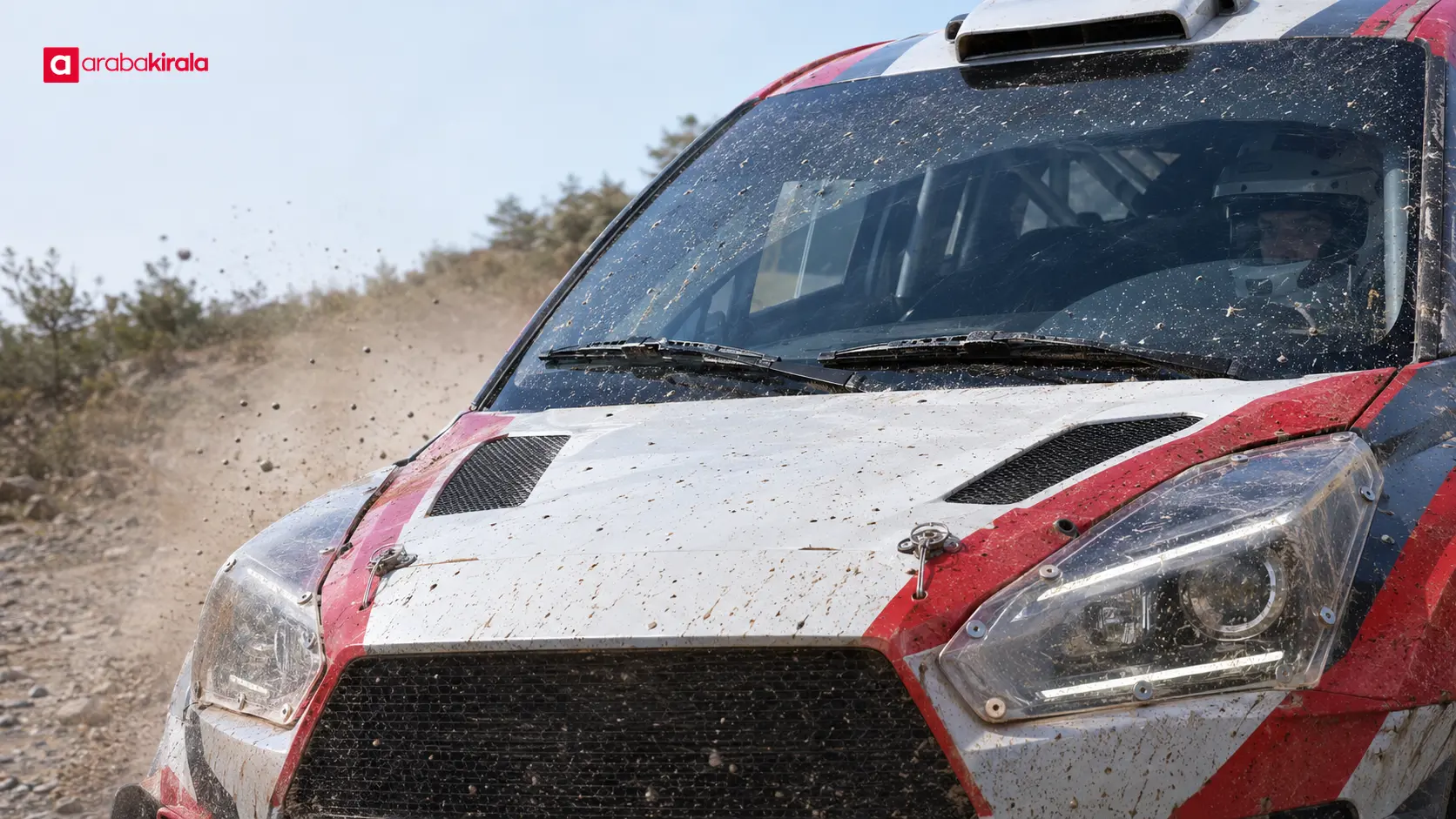
On a gravel surface, a car’s tyres and vehicles ahead can throw loose stones into the air. Small pieces may hit the windscreen or headlight lenses. An impact can leave a mark or create a crack in the driver’s line of sight. The surface may also change as cars pass over it, and fine dust lingering in the air can make it harder to see farther along the stage.
Visibility depends on more than whether the glass is intact. Dirt on the windscreen, the condition of the wipers, how the headlights distribute light, weather and the direction of daylight all matter. WRC visibility protection is therefore not one single component. It is a set of measures intended to reduce physical obstructions and help the driver read the road.
The windscreen: protection and a clear view
The windscreen is the main forward-facing viewing surface for the driver and co-driver. It also separates the cabin from the outside environment. Because it is exposed to stone impacts in rallying, its condition and the unobstructed view through it matter. FIA WRC sporting regulations include a restriction on continuing competition with a badly damaged windscreen that significantly obstructs the driver’s vision. This makes clear that damage is more than a cosmetic concern.
Windscreen protection should not be understood as a guarantee that glass cannot be damaged. Films and other protective solutions depend on the vehicle category’s technical regulations and conditions of use. FIA rules vary by car category. Some technical provisions, for example, discuss transparent films on the exterior surface, but they should not be read as a universal instruction for every WRC car or road vehicle.
Wipers and a clean surface
Wipers help clear rain and dirt accumulating on the glass from the driver’s field of view. A thin layer can build up on the windscreen in dusty conditions; when the surface is dry or dirty, using the wipers may not always improve visibility. The windscreen’s cleanliness, the condition of the blades and operation of the washer system are therefore considered together. Worn blades can leave smeared areas in parts of their sweep.
A dust cloud on a gravel stage is different from a layer on the glass. Particles suspended in the air reduce the line of sight, and wipers cannot remove them. Understanding this distinction helps define the limits of protection: keeping glass clean is one task; reduced visibility from airborne dust is another.
What do headlight covers do?
Headlight protectors cover the transparent outer lens to help shield it from stone strikes and surface damage. FIA technical regulations for certain car categories state that protective headlight covers may be used only to cover the glass. That does not mean a cover increases the light output or guarantees visibility in darkness.
How well a headlight illuminates the road depends on its light source, the cleanliness of its lens and its adjustment. A dirty or damaged cover can affect light distribution. Protection and illumination are connected, but they are not the same: a cover helps protect the outer surface, while the headlight provides illumination. In low light, the driver’s visible distance can still be limited by dust and the available sightline.
Protective parts cannot replace visibility
Stone protection does not mean that stones will never reach the windscreen or headlights. A crack, scratch or cluster of impact marks in the driver’s viewing area can cause glare or distort the image. Headlight covers cannot remove a dust cloud blocking the view either. Teams need to inspect these parts before stages and during service checks, then arrange an appropriate technical assessment if damage or dirt affects visibility.
The FIA safety guidance notes that rallies take place in a changing environment and stage conditions may vary even within the same event. That is a reminder that visibility cannot always be addressed with a single inspection. Surface, weather, light and dirt on the car can change, along with the view available to the crew.
Everyday lessons from rally cars
WRC cars are prepared for competition and their components are governed by specific technical rules. A solution used on a rally car should not be assumed to transfer directly to an ordinary rental or road car. The basic care habits are still useful for everyday driving:
- Clean the windscreen inside and out before setting off. Smears and scratches in the viewing area can become more noticeable in sunlight.
- Check that the wiper blades sweep evenly. Worn blades may distribute water or dirt unevenly.
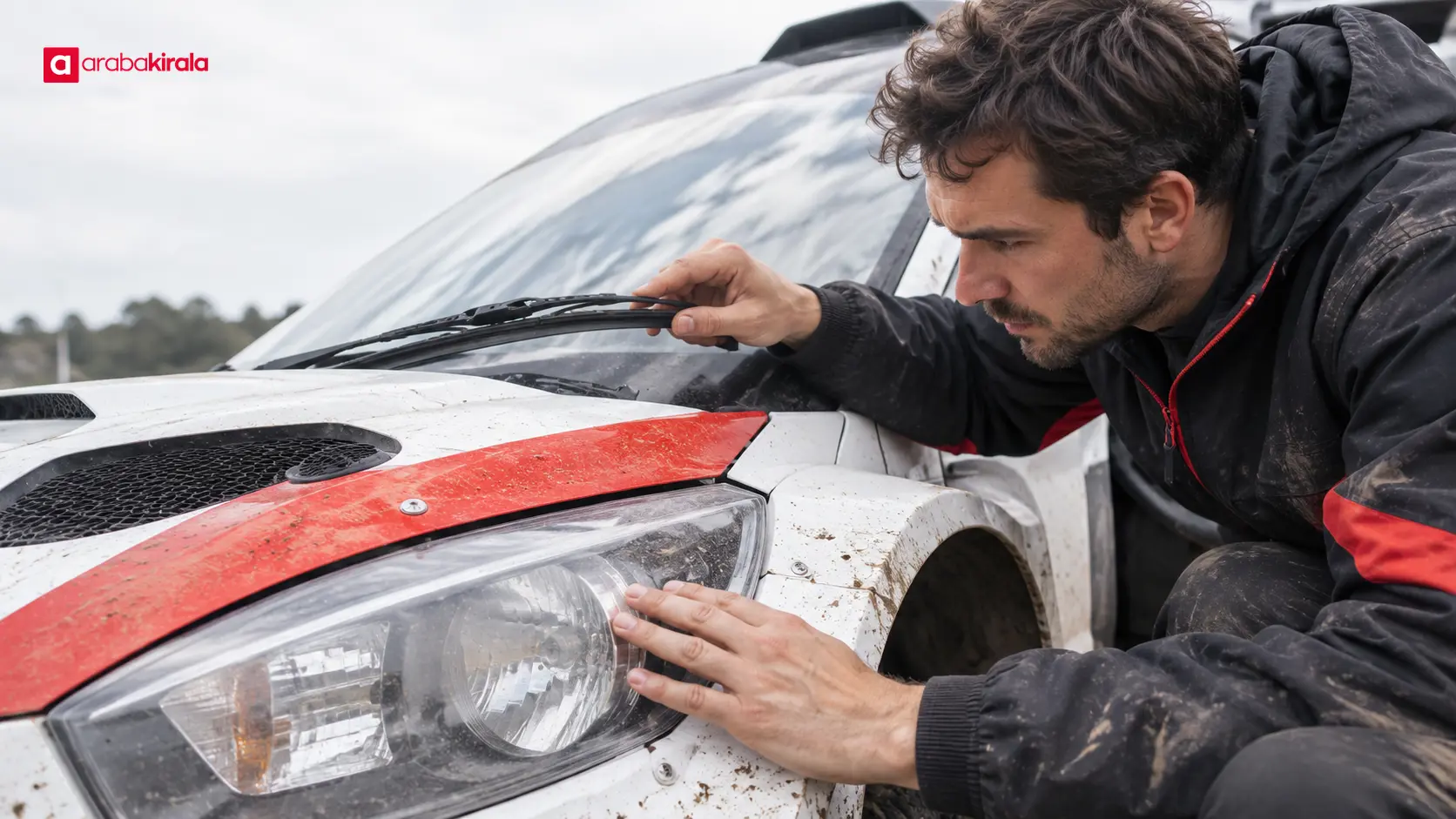
- Look for dirt, mud or damage on the outer surfaces of the headlights. A clean surface helps the lamp maintain its intended light distribution.
- Adjust following distance and speed to the conditions on gravelly or dusty roads. Slow down when visibility falls and drive at a speed that lets you stop within the visible distance.
- If you notice damage to glass or a headlight that could affect visibility when collecting a rental car, tell the branch before departure and ask for it to be recorded in the handover notes.
What to look for when glass or a headlight is damaged
The location and size of damage, and whether it falls in the driver’s line of sight, matter. Do not dismiss an impact point, crack or deep scratch on the windscreen just because it looks small in a photograph. A broken or heavily clouded headlight surface may also affect illumination. Use the vehicle manual and an appropriate technical inspection for a safe assessment; do not try to remove or repair the glass or lamp yourself.
Before a rental, a visual check of the windscreen, wipers and headlights is a practical step. Ask the branch you will collect from about reservation-specific matters such as how a defect is recorded or what to do if a vehicle needs attention. This is general preparation for clarifying the vehicle’s condition, not a statement of any company’s particular terms.
Summary and next step
WRC visibility protection considers the windscreen’s integrity against stone impacts, the contribution of wipers to a clean view, and the role of headlight covers in shielding the outer lens. These parts do not remove dust clouds or promise perfect visibility. For everyday driving, keep the glass and headlights clean, check the wipers, and contact your rental branch before departure if you find damage.
Frequently Asked Questions
Does windscreen protection stop stones from hitting the glass?
No. A protective measure may be intended to deflect impacts or reduce the risk of damage, but it cannot be said to prevent every strike. If damage affects the driver’s view, the vehicle needs an appropriate technical assessment.
Do headlight covers make the road brighter?
The primary purpose of a cover is to shield the headlight’s outer lens. It does not produce light or, by itself, increase output. A clean, undamaged lens helps the headlight distribute light as intended.
Can wipers clear dust on a gravel stage?
Wipers clear water and, under suitable conditions, dirt from the glass. They cannot clear a dust cloud suspended in the air, which is a separate condition affecting the line of sight.
Does a small windscreen crack matter?
Its location and effect on the view matter. Damage that looks small may reflect light or distort the image in the driver’s viewing area. Do not assume it is insignificant without a technical assessment.
What should I do if I find windscreen or headlight damage on a rental?
Tell the branch before driving and ask for the damage to be included in the handover record. Clarify whether the vehicle is suitable for use with the people responsible for assessing its condition.
Related Articles
- WRC Stage Start Intervals and Dust Visibility
- WRC Water Crossings and Wet Stage Preparation
- What Does Underbody Protection Do on a WRC Rally Car?