
How Does Automotive Part Remanufacturing Work?
Published: November 3, 2026 • Reading Time: 6 min • Last Updated: November 3, 2026 • Author: Merve B.
Learn how repair, refurbishment, and remanufacturing differ, what the process involves, and how to assess fit, testing, and warranty details.
Contents
- Repair, refurbishment, and remanufacturing
- What happens during the process?
- 1. Identification and intake
- 2. Disassembly and cleaning
- 3. Inspection and assessment
- 4. Component renewal and assembly
- 5. Final checks and records
- Remanufactured, repaired, and used parts compared
- What to check before choosing a component
- Is remanufacturing suitable for every part?
- Useful questions for a parts seller or service center
- Summary: a practical way to choose
- Frequently Asked Questions
- Related Articles
Automotive Part directly describes the main subject covered in this guide. Automotive remanufactured parts can be a useful option when a component needs replacement, but the label alone does not tell you what work was performed. This guide explains the difference between repair, refurbishment, and remanufacturing; the typical steps involved; and the questions that help you evaluate fit, testing, and purchase terms.
Repair, refurbishment, and remanufacturing
For Automotive Part, the practical points below should be considered together. A repair addresses a specific fault. Depending on the problem, the work may involve replacing one failed component, correcting a connection, or making an adjustment. The scope can be narrow, so the word “repaired” by itself does not describe every part that was examined or replaced.
Refurbishment is a broader description of work on a previously used component. It may include cleaning, inspection, and renewal of worn areas that affect operation. It does not automatically mean that every internal piece has been replaced with a new one. Ask which elements were changed and which were reused.
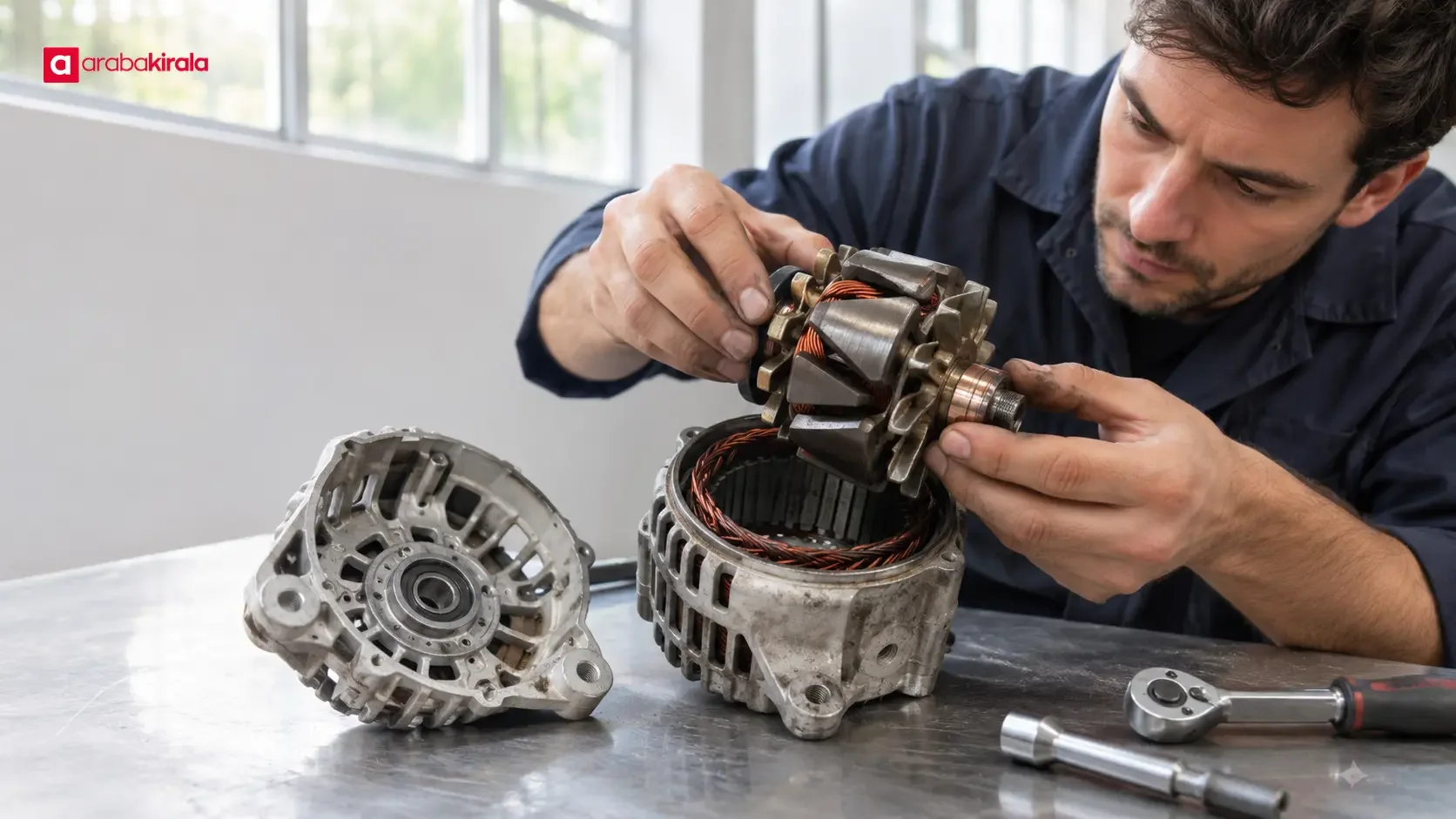
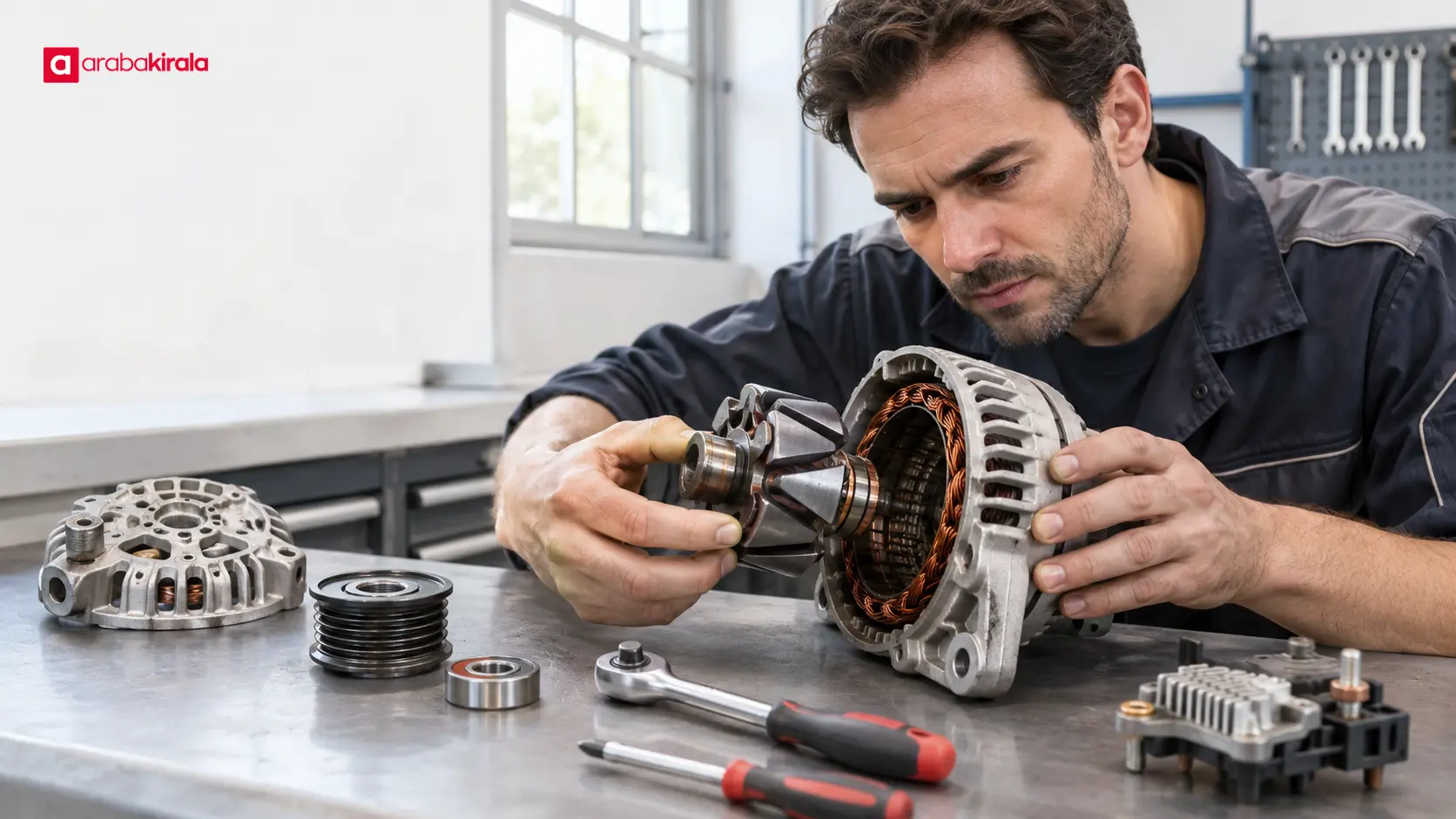
Remanufacturing commonly describes a more structured process: a used part is disassembled, cleaned, inspected, and rebuilt by replacing or restoring components as needed. It is then reassembled and checked for function. Practices and terminology vary by component and provider, so ask what the specific label means for the part you are considering.
What happens during the process?
1. Identification and intake
The component is identified by type, connections, and available reference information. A part number or vehicle specification can help confirm the intended application. Components that look alike may differ in mounting points, electronics, or technical specifications, so appearance alone is not a reliable fitment check.
2. Disassembly and cleaning
Taking a component apart makes it easier to see wear, contamination, and damage across its subassemblies. Cleaning removes residue that could obscure inspection. A clean appearance, however, does not prove that a part is sound or will work reliably; dimensional and functional checks may also be needed.
3. Inspection and assessment
A technician evaluates wear and damage against the criteria relevant to that component. This helps determine what can be reused and what needs replacement or restoration. A cracked housing or dimensions outside acceptable limits may make rebuilding unsuitable. Acceptance criteria depend on the part and the process used.
4. Component renewal and assembly
Parts deemed suitable are repaired, restored, or replaced as required, and the component is assembled using the appropriate sequence and method. Seals, bearings, fasteners, or electronic elements can all matter to operation. Knowing which pieces were replaced and what procedure was followed gives you a clearer picture of the work.
5. Final checks and records
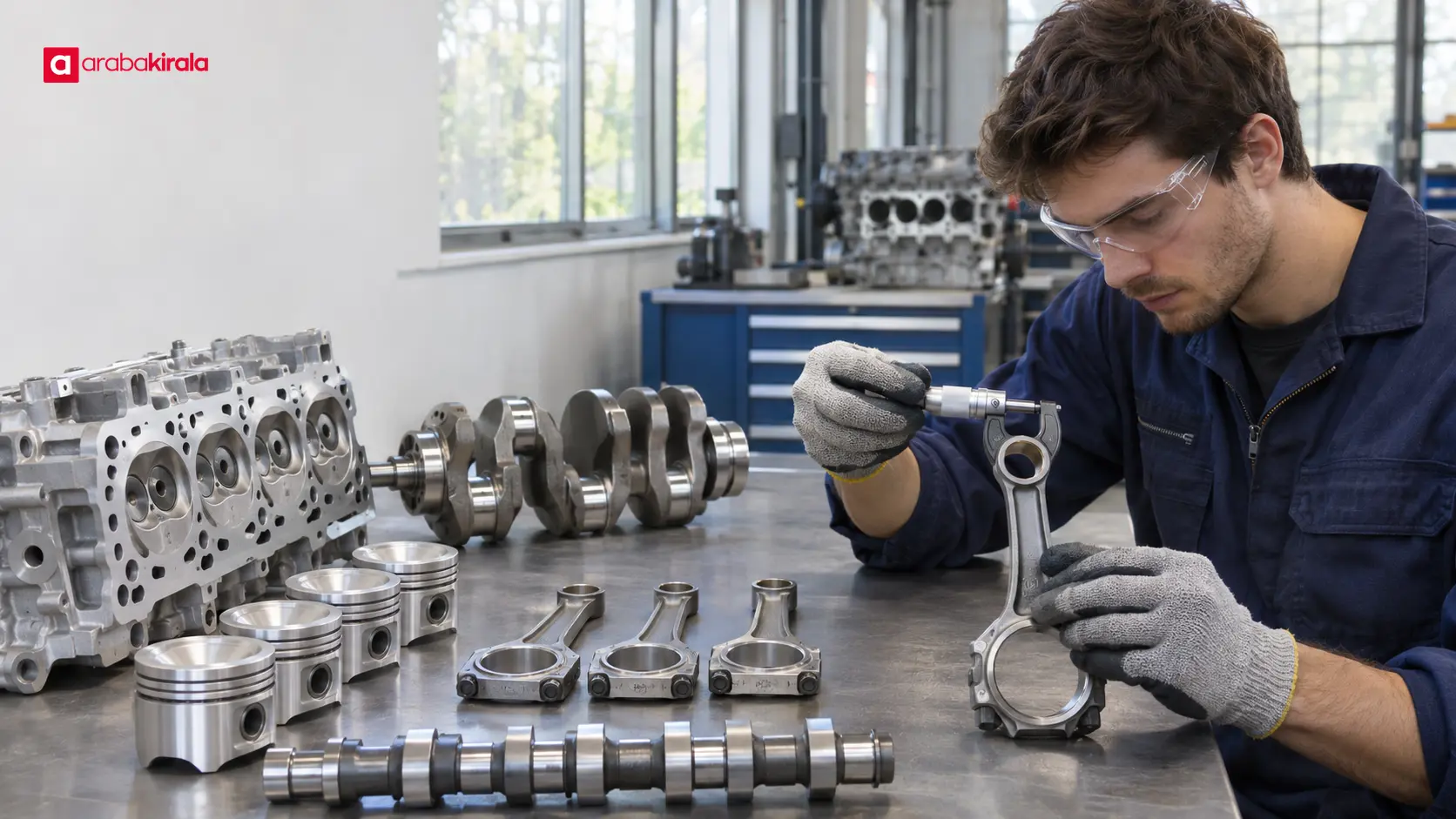
The assembled part is checked through measurements or an operating test appropriate to its function. An electrical unit may be assessed for connections and operating values, while a mechanical assembly may be checked for movement or leakage. Not every component receives the same test; the method should reflect its design and intended function.
Remanufactured, repaired, and used parts compared
A repaired part has had a particular fault addressed, and the work may be limited in scope. A remanufactured part is generally handled through a defined series of steps such as disassembly, inspection, renewal of selected components, and a final check. These terms are not used identically everywhere, so request a description of the actual work.
A used part has been removed from another vehicle and offered for reuse. It may have been cleaned or checked for operation, but that does not mean it underwent a complete remanufacturing process. A new part has no prior use history. Compare new, original, equivalent, refurbished, and remanufactured options by fitment, work performed, quality checks, warranty terms, and total cost.
What to check before choosing a component
- Compatibility: Confirm the vehicle make and model along with year, engine or equipment variant, and part number where available. Use vehicle and service records, and ask a qualified service or parts specialist to verify uncertain applications.
- Work scope: Ask whether the part received a limited repair or was disassembled and inspected, and which components were replaced or reused. A written description makes it easier to understand what the product label covers.
- Testing: Find out what function was tested and how the result was documented. “Checked” can refer to different procedures, so ask what measurement or operating test was actually performed.
- Warranty and returns: Duration, coverage, exclusions, and installation conditions can vary by seller. Read the written terms before purchase and clarify how fitment or installation issues are handled.
- Total cost: Consider installation, related components, and any conditions around returning the removed part if applicable. These details are specific to the transaction; confirm them with the seller instead of assuming a general rule.
Is remanufacturing suitable for every part?
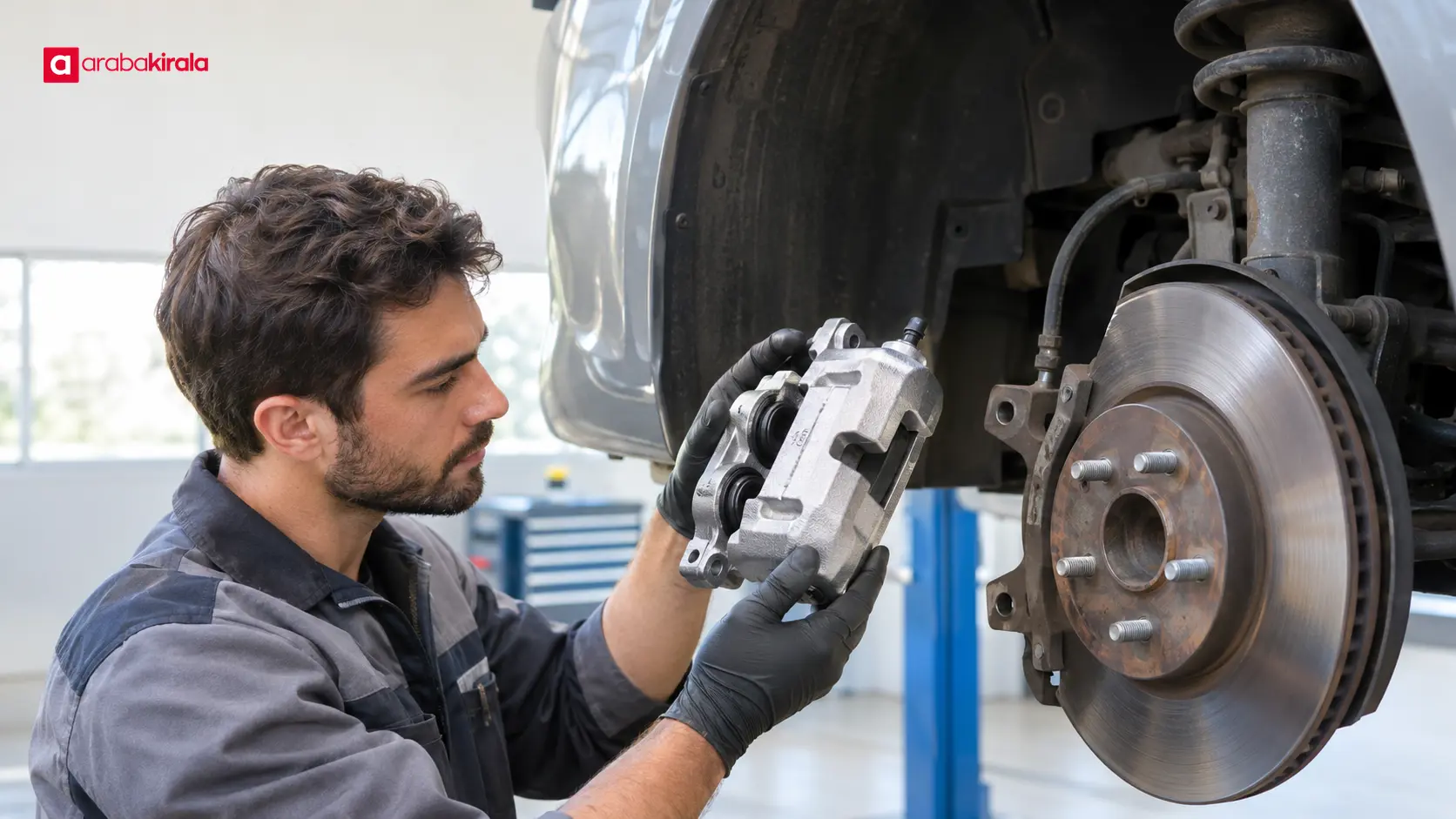
No. Whether a component can be remanufactured depends on its design, damage, wear, and measurable function. Some parts can be restored through an appropriate process, while others cannot be reliably reused. For components that affect braking, steering, or suspension, use a qualified service professional to assess suitability and installation.
Appearance is also an incomplete guide for electronic modules. Software versions, vehicle pairing, or calibration may be relevant. Even when a part number matches, the vehicle may need diagnostic checks or confirmation that the system operates correctly after installation. Ask the service provider whether these steps apply to the specific component and vehicle.
Useful questions for a parts seller or service center
- Which vehicle configurations and part numbers does this component fit?
- Which elements were replaced, and which were reused?
- What measurements or operating tests were included in the final check?
- What are the written warranty terms and installation conditions?
- Does installation require coding, pairing, or calibration?
- How are returns or exchanges handled if the part is not suitable?
Compare the answers with the product description, invoice, or other written record. Ask for clarification before purchase if a term is unclear. For a component that affects vehicle safety, do not make a decision based only on price or exterior appearance.
Summary: a practical way to choose
Remanufacturing can involve taking a used component apart, inspecting it, renewing necessary elements, and checking its function. The exact scope varies by part and provider. Treat repair, refurbishment, and used-part descriptions as distinct until the work is explained. Verify fitment, ask about replacements and tests, and review warranty and installation terms in writing.
As a next step, identify the vehicle and component reference, then confirm the required application with a service professional. Compare new and remanufactured options using the same criteria: fit, documented work, testing, warranty, and total cost. This gives you a more informed basis for selecting a replacement.
Frequently Asked Questions
Are remanufactured and refurbished parts the same?
The terms can overlap in everyday use, but sellers may use them for different levels of work. Ask whether the component was disassembled, which elements were replaced, and what final inspection was performed.
Will a remanufactured part last as long as a new part?
The label alone cannot establish expected service life. Condition before rebuilding, process quality, replacement components, testing, and use all matter. Written process details and warranty terms can help you assess the specific product.
How can I check that a part fits my vehicle?
Check the make, model, year, engine or equipment variant, and the existing part number where possible. Confirm the application against vehicle records or with a service professional rather than relying on visual similarity.
How do I know whether the part passed quality checks?
Ask which tests were conducted, what function they measured, and whether results were recorded. Testing differs by component, so request details behind a general claim that the part was checked.
Does a remanufactured part automatically include a warranty?
Warranty coverage depends on the product and seller. Review the written duration, coverage, exclusions, and installation conditions before buying, and clarify how the terms apply if fitment or installation presents a problem.
Related Articles
- Vehicle Type Approval: How Pre-Series Compliance Works
- How Do Second Life and Recycling Work for Automotive Batteries?
- Automotive Software Supply Chain: Updates and Support Explained
Legal Disclaimer: All content, articles and information on the Araba Kirala website are provided solely to inform users. No information shared on this website constitutes definitive advice or guidance. Araba Kirala Teknoloji A.Ş. and its authors cannot be held responsible for any direct or indirect damages arising from the application of information on the website. For all questions and requests regarding car rental, please contact the office from which you will rent your vehicle.
 Add ArabaKirala as a preferred source on Google












