Automotive Recycling: How Parts Are Reused and Materials Recovered
Published: October 7, 2026 • Reading Time: 6 min • Last Updated: October 7, 2026
Learn how end-of-life vehicles are dismantled, how usable parts are assessed, and how metals, glass, plastics, and other materials are sorted for recovery.
Contents
- What does automotive recycling involve?
- The main stages of vehicle recycling
- 1. Intake and initial assessment
- 2. Managing fluids and components that need special care
- 3. Removing and inspecting parts
- 4. Sorting materials
- Reuse versus material recycling
- What happens to recovered materials?
- Why vehicle recycling matters
- Practical points for vehicle owners and used-part buyers
- Frequently asked questions
- Can every part from an end-of-life vehicle be reused?
- Why inspect a part that appears reusable?
- What is different about recycling an electric vehicle?
- Does recovered material always go into another vehicle?
- What to do next
The automotive recycling process covers the careful handling of an end-of-life vehicle, the assessment of parts that may still serve a purpose, and the sorting of remaining materials for recovery. This guide explains the main stages, the difference between reusing a component and recycling its material, and practical points for vehicle owners and buyers of used parts.
What does automotive recycling involve?
A vehicle combines steel and aluminum with glass, rubber, plastics, electronics, and several fluids. Treating the entire vehicle as one kind of waste can discard useful components and make responsible material handling harder. Recycling begins by separating the vehicle into components and material groups, then determining a suitable route for each one.
Reuse and material recycling are related, but they are not the same. Reuse means that a part which has been assessed as suitable is used again for a similar function. Material recycling processes a component or scrap stream so that its constituent material can serve as an input for another product. Not every part qualifies for reuse. Condition, wear, damage, compatibility, and safety all matter.
The main stages of vehicle recycling
1. Intake and initial assessment
When a vehicle arrives at a facility, its identity and general condition are recorded. Its model, equipment, visible damage, and missing components help determine what needs closer inspection. The aim is to plan the work safely, rather than to remove parts without first understanding the vehicle. Fluids and components that store energy also need consideration.
2. Managing fluids and components that need special care
Engine oil, coolant, fuel, and similar substances should not be released into the environment. At an appropriately equipped facility, trained staff remove and manage them using suitable procedures, keeping different substances from being mixed unnecessarily. Batteries, airbag components, and high-voltage electric vehicle systems may also require special handling. Vehicle dismantling is not a suitable do-it-yourself activity.
Hybrid and electric vehicles have high-voltage systems that should be handled by trained personnel using appropriate equipment and procedures. A damaged or water-exposed battery can present additional risks. Consumers should not open a battery or cut its cables. These systems call for professional assessment.
3. Removing and inspecting parts
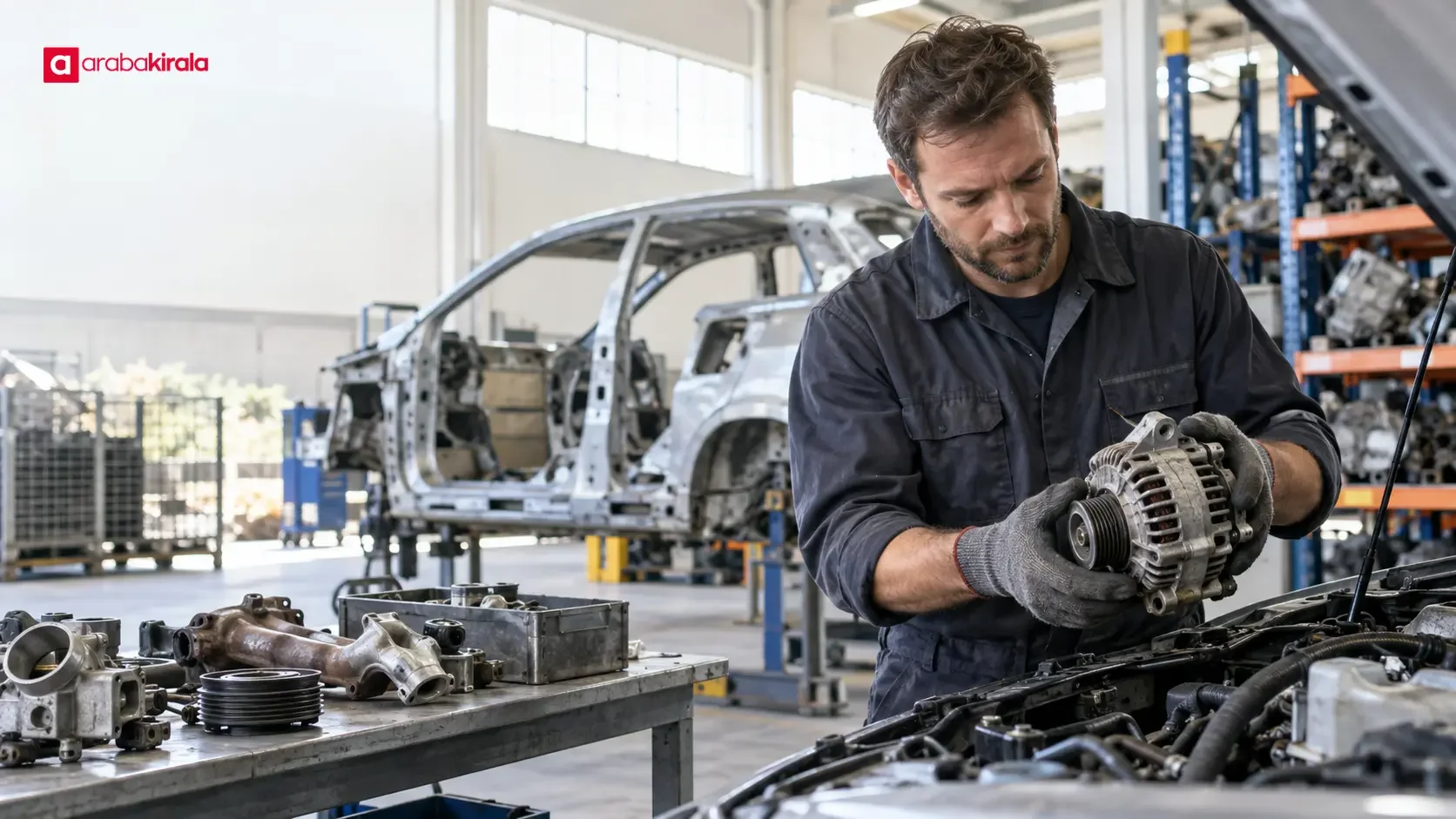
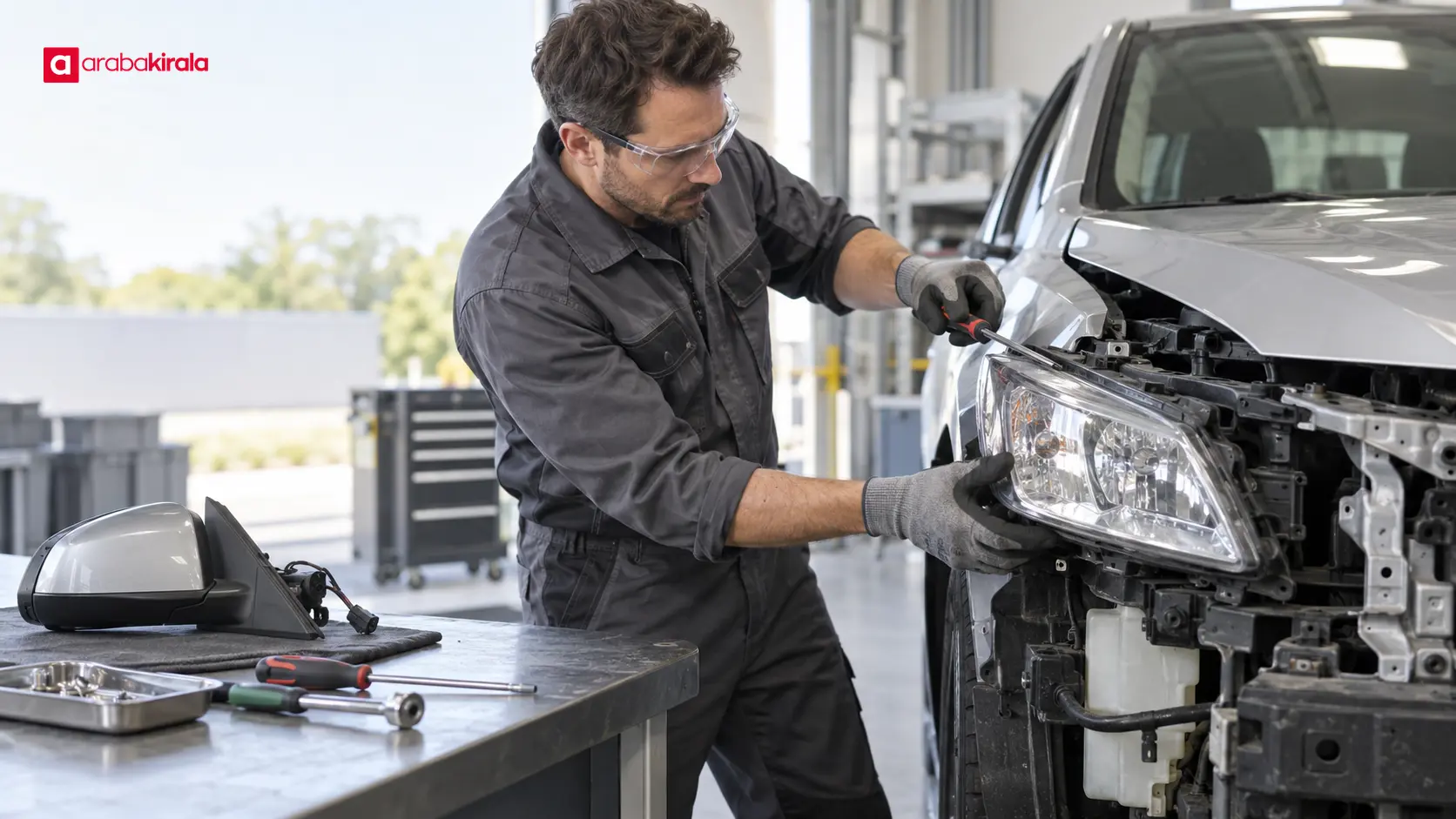
Body panels, lighting, mirrors, interior fittings, and mechanical components may be removed for inspection. A part that looks intact may still have a fault that cannot be identified by sight alone. After a collision, for example, mounting points or electronic functions may have been affected. A decision to reuse a component should therefore follow appropriate checks and recordkeeping.
Keeping a record of a part’s source and condition helps match it to the correct application. Worn, damaged, or uncertain components should not be set aside for reuse. Compatibility matters too: two parts that look alike may differ by vehicle generation, equipment level, or system configuration.
4. Sorting materials
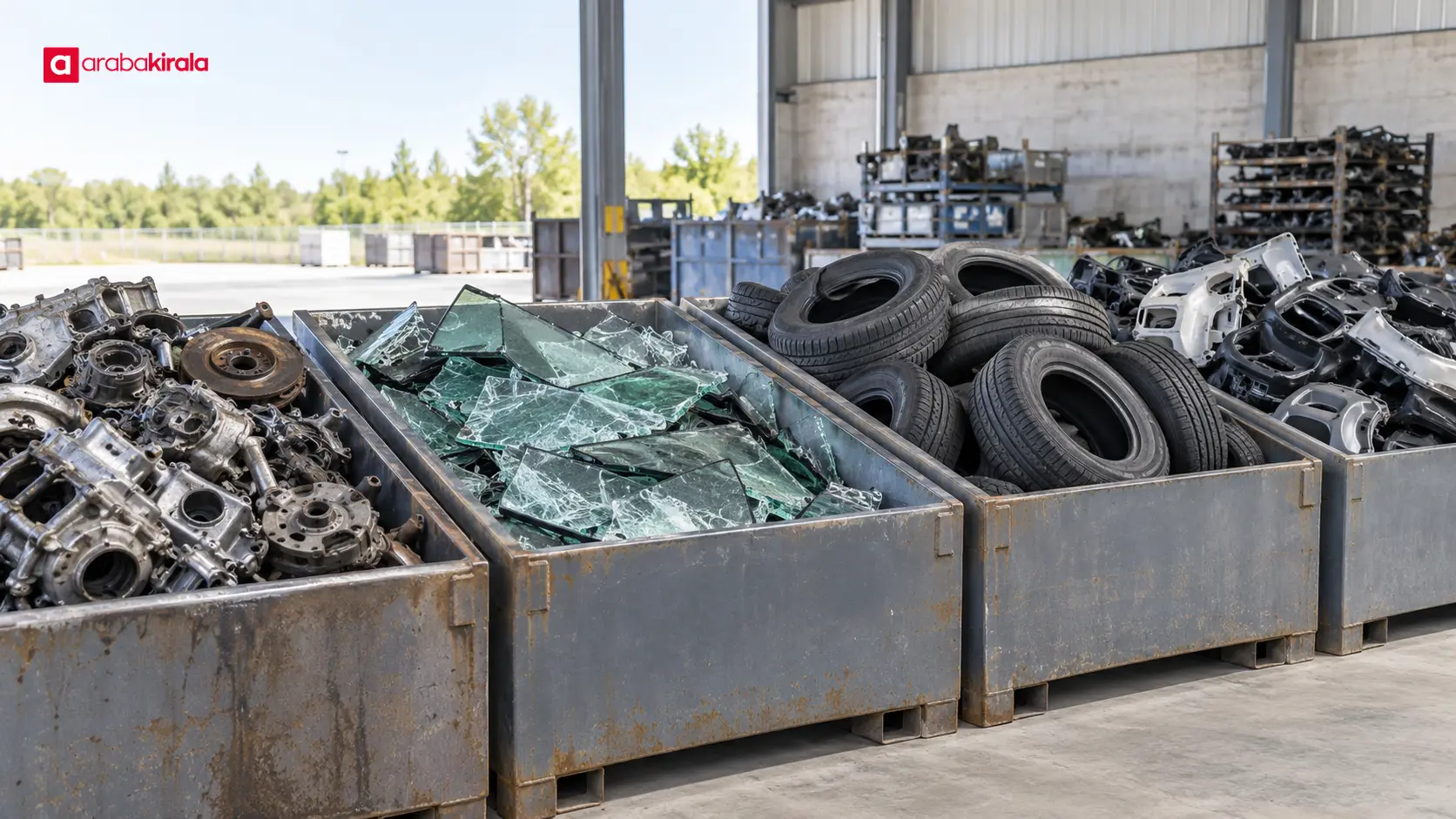
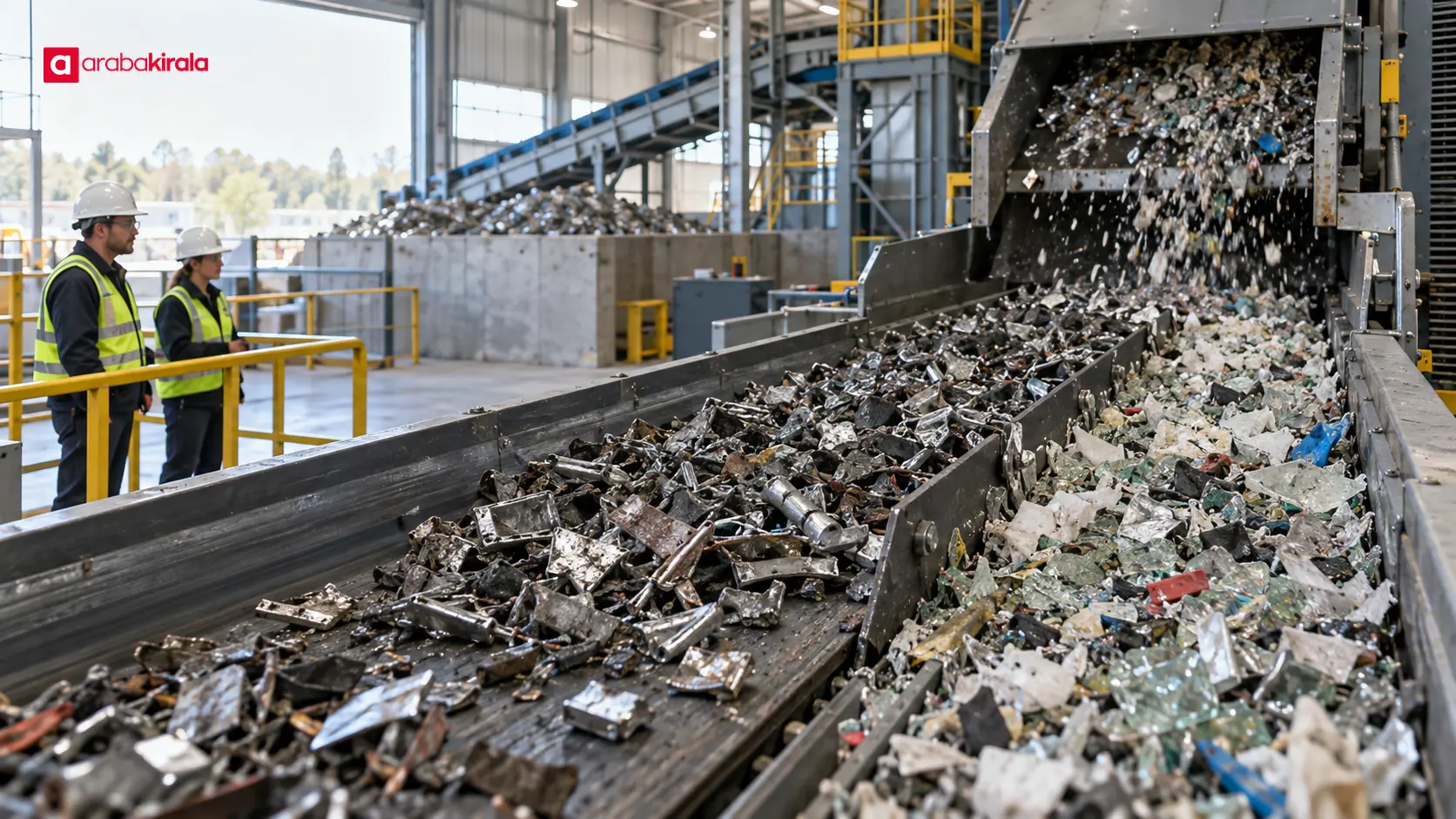
Once parts suitable for reuse are separated, the remaining body and components are sorted by material. Ferrous metals can be separated with magnets, while non-ferrous metals may need other sorting techniques. Glass, tires, and certain plastics are directed to their respective processing routes. Keeping material streams clean and distinct can help preserve their quality for subsequent processing.
Not every plastic or composite component can be recycled in the same way. Polymer type, additives, coatings, and the combination of different materials can affect available processing options. It is not accurate to assume that every material in a vehicle becomes a new product. Recovery depends on the material’s condition and the technical capacity available.
Reuse versus material recycling
Reuse aims to preserve a part as a functioning product for another period of service. It can avoid breaking down a suitable component into raw material. Material recycling is the route for material recovered from parts that are no longer functional or suitable for safe reuse. Assessing reuse first, then directing unsuitable material to an appropriate recovery stream, can help use resources more efficiently.
The right outcome varies from one part to another. For safety-critical components, the possibility of failure can matter more than visible wear. Technical or economic factors may also rule out reuse. A part’s having been removed from a vehicle does not, by itself, establish that it is safe, compatible, or recyclable to a particular standard.
What happens to recovered materials?
After sorting and processing, metal fractions can become secondary inputs for metal production. Glass and tires may be used in different recovery applications when their condition and processing route allow it. The destination for plastic depends on its type and purity. Some materials can enter new products, while other streams have more limited options.
Recovered material may be used in automotive manufacturing, but it does not necessarily become another vehicle part. Material properties, quality requirements, and manufacturing processes determine where it can go. This is why recycling should not be thought of as a single, lossless loop.
Why vehicle recycling matters
- It can extend the useful life of components: Assessed parts that remain fit for purpose may be used again instead of being discarded.
- It can reduce demand for virgin inputs: Recovered materials can serve as secondary inputs, depending on the material and processing method.
- It supports more orderly waste management: Separating fluids, metals, and other components helps reduce the chance of uncontrolled release or disposal.
- It improves traceability: Records can show which parts were set aside for reuse and which materials entered processing streams.
Practical points for vehicle owners and used-part buyers
If you are arranging to have an end-of-life vehicle handled, look into whether the facility has suitable equipment and qualified staff for the work. Before handover, remove personal belongings and organize any relevant vehicle documents and keys. If the vehicle is electric or hybrid, tell the facility so the work can be planned with its systems in mind.
When buying a used component, ask the seller for the part number, vehicle compatibility, known physical condition, any test information, and the applicable return or warranty terms. These details vary by seller and part. For components directly connected to safety—such as brakes, steering, seat belts, airbags, and high-voltage systems—seek professional assessment. The fact that a part was removed from another vehicle does not prove that it is safe or compatible.
Frequently asked questions
Can every part from an end-of-life vehicle be reused?
No. Each component needs an assessment of condition, function, damage history, and suitability for safe use. Parts that do not qualify for reuse may be directed to material recovery or another appropriate waste-management route.
Why inspect a part that appears reusable?
Appearance does not reveal every function or hidden defect. Concealed damage, worn mounting points, or electronic faults can affect performance and safety. Inspection, compatibility checks, and a record of condition all contribute to a sound reuse decision.
What is different about recycling an electric vehicle?
Electric and hybrid vehicles include batteries and high-voltage components with handling needs that differ from conventional fluids and mechanical parts. Work on these systems should be left to specialists with appropriate training and equipment.
Does recovered material always go into another vehicle?
No. Material type, purity, and processing quality determine which applications are suitable. Recovered metals, glass, tires, and plastics can go to different sectors, and some material streams have limited options.
What to do next
When considering automotive recycling, look for a process that handles the vehicle in a controlled way, assesses reusable parts before separating them, and sends remaining materials to suitable routes. If you are handing over a vehicle or buying a component, ask in advance how intake, records, and part-condition checks are handled. That gives you a basis for decisions grounded in the actual condition of the vehicle and its parts.
Legal Disclaimer: All content, articles and information on the Araba Kirala website are provided solely to inform users. No information shared on this website constitutes definitive advice or guidance. Araba Kirala Teknoloji A.Ş. and its authors cannot be held responsible for any direct or indirect damages arising from the application of information on the website. For all questions and requests regarding car rental, please contact the office from which you will rent your vehicle.