Renting a Car in Beylikdüzü: Planning Child Seat Fit and Installation
Published: October 11, 2026 • Reading Time: 8 min • Last Updated: October 11, 2026
Plan a child seat for a Beylikdüzü rental by matching the child’s size, the seat’s installation method, the vehicle’s seating positions and your luggage needs. This practical guide covers fit checks before collection and safe use on the road.
Contents
When arranging a Beylikdüzü car rental with a child, plan the child seat before collection. The child’s height and weight, the seat’s installation method, the rental vehicle’s rear seating and the room needed for luggage all matter. This guide explains how to assess a seat for the child, distinguish ISOFIX from belt installation, check the fit before driving and use the restraint carefully during the trip.
What child seat compatibility means
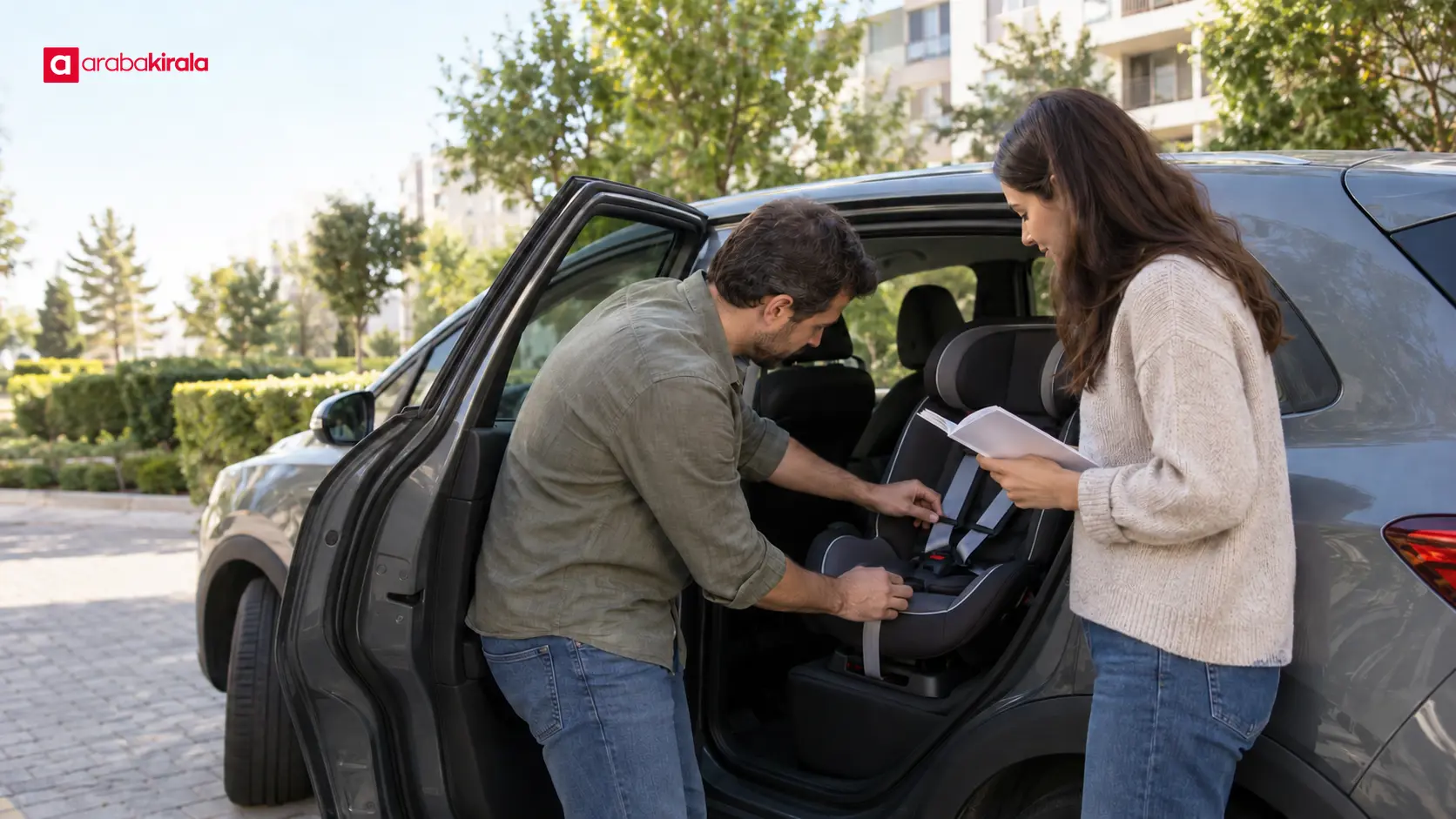
Compatibility means more than being able to place a seat on the vehicle’s rear bench. The restraint must suit the child’s measurements, and it must be secured in a seating position approved for the installation method described by its manufacturer. The child seat label and manual state the intended size or weight range and fitting instructions. The vehicle handbook explains which seating positions can take which types of child restraints. Use both sets of instructions together.
A vehicle’s make and model can help identify what to check, but specifications and seat layouts can differ by version. If you plan to bring your own seat, review its manufacturer’s vehicle compatibility information as well as the rental car handbook. If you need a seat from the rental location, contact the branch before booking with the child’s height and weight and the kind of seat needed. Confirm what may be available for your reservation; do not assume that a particular seat or fitting service is available for every vehicle.
Choose by the child’s measurements
Age alone is not enough to determine whether a child seat fits. Check the height and weight limits on the seat’s approval label and follow the manufacturer’s manual for the child’s size and permitted direction of travel. The United Nations Economic Commission for Europe (UNECE) Regulation No. 129 classifies child restraints by the child’s stature. Under that regulation, forward-facing use is not suitable for children under 15 months. The restraint’s own label and instructions are the practical guide to its approved use.
Moving to another seat as soon as a child grows a little is not automatically the right step. Check whether the child remains within the seat’s stated limits and whether its harness and head support can still be adjusted as instructed. A child approaching or exceeding a stated height, weight or harness adjustment limit is a reason to consult the seat manual and reassess. Make transitions based on the manufacturer’s limits, rather than an age estimate alone.
ISOFIX and seat belt installation
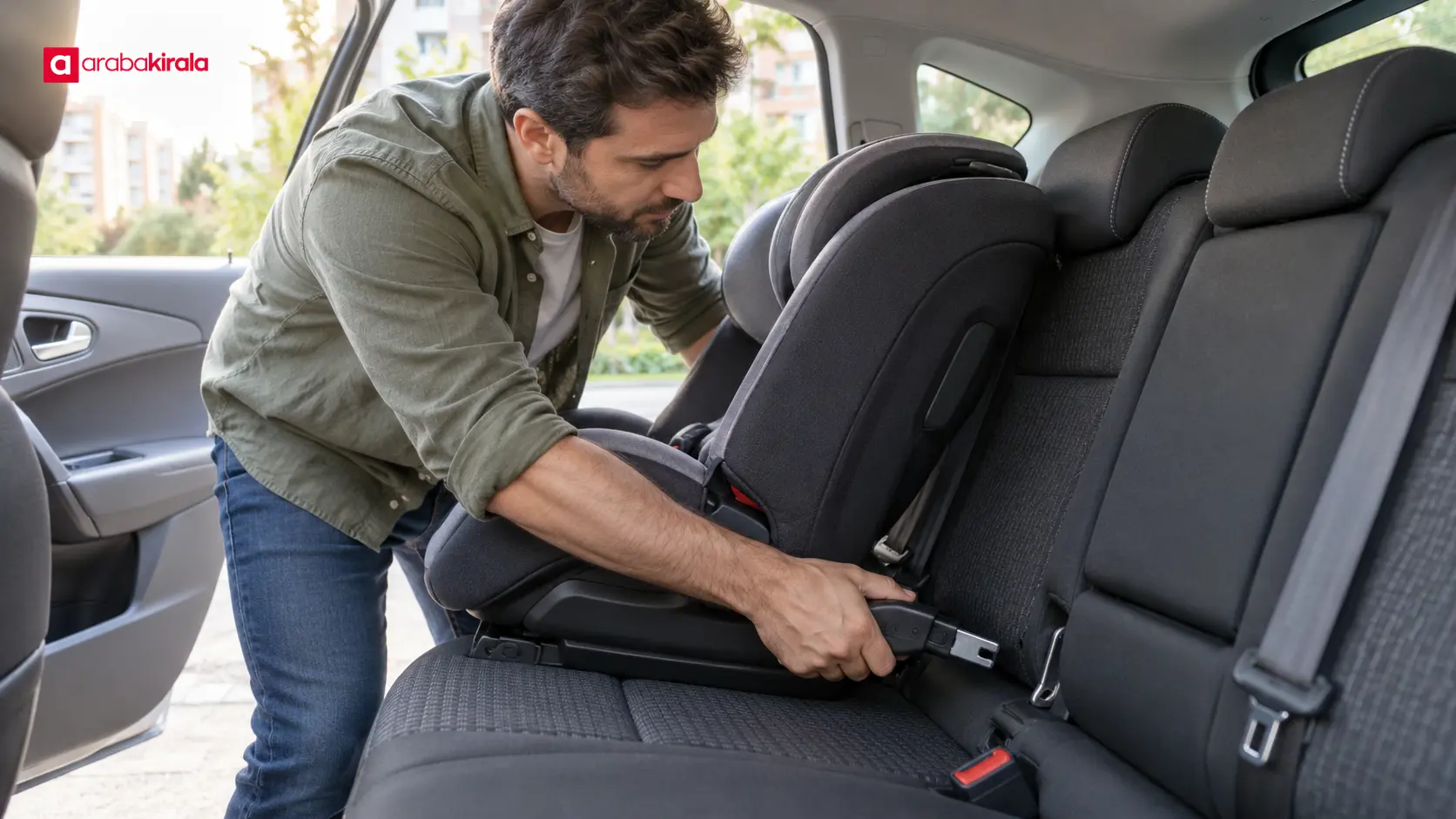
ISOFIX connects a child restraint to dedicated anchorage points in the vehicle. The chosen seating position needs the compatible anchorages, and both the car and seat instructions must permit the installation. Some seats also use a top tether or support leg to limit rotation. Those parts are part of a specific installation configuration; they are not interchangeable additions. Follow the seat manual for every attachment and the vehicle handbook for the permitted seating position. A visible metal fitting should not be assumed to be an ISOFIX anchor without checking the vehicle’s markings or instructions.
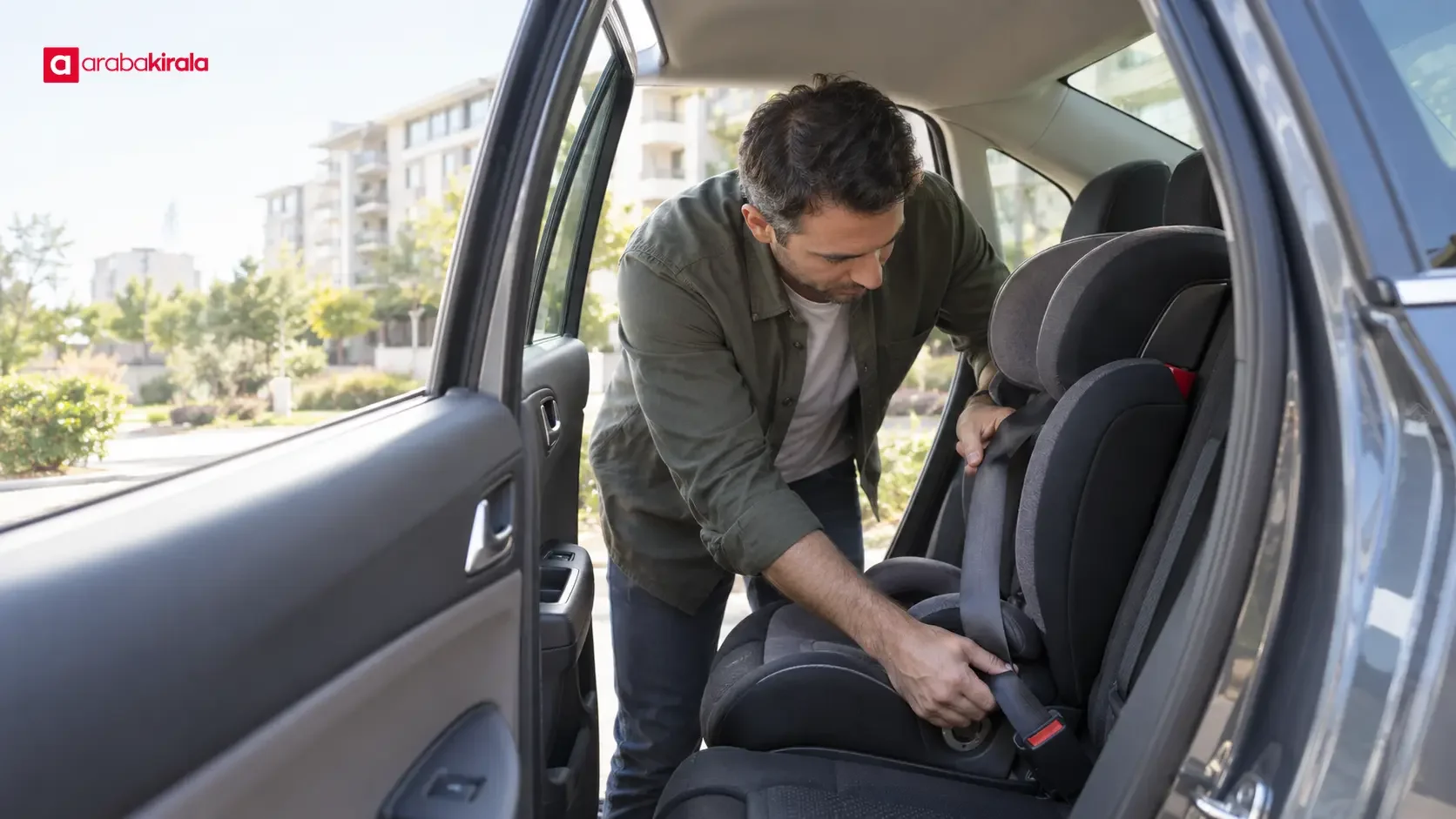
A belt-installed child seat uses the vehicle’s seat belt routed through a prescribed path. The route and tension depend on the seat model, and the correct path may be marked on the seat shell. Using the wrong route can compromise secure fitting. Do not add a vehicle belt to an ISOFIX installation or omit an attachment unless the seat instructions expressly allow that configuration. A seat that supports more than one installation method does not mean the methods should be combined.
Plan the seating layout for a Beylikdüzü rental
When choosing a vehicle, consider the rear-seat layout alongside vehicle class and luggage capacity. If the trip includes more than one child seat, adult passengers or a stroller, check whether the seats can fit side by side and whether buckles remain accessible. Door opening clearance, room to lift a child into the seat and trunk space for a stroller or other essential items also affect how manageable the journey will be. A vehicle category name or photograph cannot confirm all of these details, so tell the branch about your seating and child seat needs and ask what can be confirmed for the reservation.
If you are bringing your own restraint, ask the branch to confirm the vehicle body style or any likely model information, while recognizing that the exact vehicle can vary. If the seat requires ISOFIX, confirm that the expected vehicle has compatible anchorages in a suitable seating position. For a seat with a support leg, check whether the floor area is suitable according to the manuals. If the seat uses a vehicle belt, confirm that the rear seating position has the required belt arrangement. These checks establish fit without assuming a company-wide condition.
Check the installation before driving
Allow time at collection to fit the seat before the vehicle moves. If the branch supplies a seat, check its type and size range on the label and manual against the child’s measurements. Ask in advance whether fitting assistance is offered and what it includes; do not assume someone else will install it. If you bring your own, keep its manual available. After installation, check that connectors have engaged, the belt follows the correct route and the seat is secured as its instructions specify.
- Measure each child’s current height and weight and compare them with the seat label.
- Use the vehicle handbook to locate suitable seating positions and identify permitted installation methods.
- Check for the required ISOFIX anchors, top tether point or suitable floor area for a support leg.
- Set the seat direction, harness height and belt route according to the child seat manual.
- Perform the stability check described by the seat manufacturer; review the fit again before leaving if anything is uncertain.
Pay close attention to the vehicle and seat instructions when considering a front passenger seat. If a rear-facing child seat is placed there, follow the instructions on the passenger airbag; do not use that position if the manuals do not permit it. Do not install a child seat on a side-facing seat. Never assume the vehicle has a passenger airbag deactivation switch.
Safe use on the trip and luggage storage
Secure the child for every journey using the restraint’s own harness or holding system, adjusted according to its instructions. Bulky coats can prevent harness straps from sitting close to the body. Check the strap fit and use an appropriate covering after fastening the child. A short drive is no reason to leave the restraint loosely installed or the harness undone. Before moving, check that buckles are closed, straps are untwisted and the seat connections remain in place.
After a collision, a drop or another event that may have damaged the seat, consult the manufacturer about whether it can be used again. The lack of visible cracks alone does not establish that it remains suitable. If a supplied seat has a missing part, visible damage or an unclear label, tell the branch before driving and do not use it until the issue is resolved. The history, service life and completeness of a used restraint also matter when assessing it.
Secure hard or heavy luggage so it cannot move into the passenger area during sudden braking or a collision. A stroller or suitcase left unsecured behind the child seat can interfere with the surrounding space and create an additional hazard. Secure the load and make sure it does not obstruct belts or access to seat buckles. If you fit several child seats, check each connection and confirm that the buckles can be reached and used as directed.
A short checklist before booking
- Note each child’s height, weight and the make or model of any seat you plan to bring.
- Decide whether you will bring a seat or request one from the rental location, and tell the branch early.
- Check the required installation method and seating position in the seat and vehicle manuals.
- Plan the number of child seats, passengers and bulky items such as a stroller together.
- Leave time to install the seat at collection and recheck both the seat and child harness before departure.
For a Beylikdüzü car rental, sharing your child seat request and compatibility needs with the branch before booking can reduce uncertainty at collection. Make the final fit decision using the seat label and manual together with the vehicle handbook. Confirm the child’s measurements, installation method and luggage layout in advance, then secure and inspect the seat before starting the journey.

Frequently Asked Questions
How can I find out whether a child seat is available with my rental?
Ask the branch handling your reservation in advance whether a seat can be supplied, what type it is and whether it matches the child’s measurements. Confirm availability for your specific reservation rather than assuming that a particular seat is provided for every vehicle.
Can I install my own child seat in a rental car?
That depends on the seat’s instructions, the vehicle’s anchors or belt layout and the suitability of the chosen seating position. Check both manuals and ask the branch about vehicle compatibility details you cannot confirm yourself.
Will an ISOFIX seat fit every rental vehicle?
No. The relevant seating position needs compatible ISOFIX anchorages and, where required, a top tether point or suitable floor area for a support leg. The seat and vehicle manuals must also allow that configuration.
Should I choose a child seat by height or weight?
It depends on the restraint’s approval category and model. Follow the size or weight range on its label and the manufacturer’s instructions. Do not decide to change seats based only on the child’s age.
Can two or more child seats fit across the rear row?
It depends on seat width, the vehicle bench, anchor locations and access to buckles. Tell the branch how many seats and which models you plan to use, then check at collection that each seat can be installed as directed.
Should I fit the seat when I collect the car?
Install it before the vehicle moves and check the connections against the vehicle and seat manuals. Ask in advance whether fitting help is offered, since its availability should not be assumed at every location.
Legal Disclaimer: All content, articles and information on the Araba Kirala website are provided solely to inform users. No information shared on this website constitutes definitive advice or guidance. Araba Kirala Teknoloji A.Ş. and its authors cannot be held responsible for any direct or indirect damages arising from the application of information on the website. For all questions and requests regarding car rental, please contact the office from which you will rent your vehicle.