Pedestrian and Cyclist Safety While Driving in Beylikdüzü
Published: November 7, 2026 • Reading Time: 6 min • Last Updated: November 7, 2026 • Author: Merve B.
Contents
- Reading shared streets in Beylikdüzü
- Speed, distance, and attention
- Match speed to what you can see
- Keep distractions outside the driving task
- Crossings, intersections, and bike lanes
- Parked cars and door opening space
- Preparing for an unfamiliar route or rental car
- A short checklist before and during the drive
- Summary and next step
- Frequently Asked Questions
- Related Articles
Pedestrian and cyclist safety in Beylikdüzü depends on noticing movement early, matching speed to visibility, and avoiding rushed decisions at crossings and intersections. Urban streets bring people moving at different speeds and in different directions into the same space. This guide explains how to recognize common risk points and how to prepare when driving an unfamiliar route or rental car.
Reading shared streets in Beylikdüzü
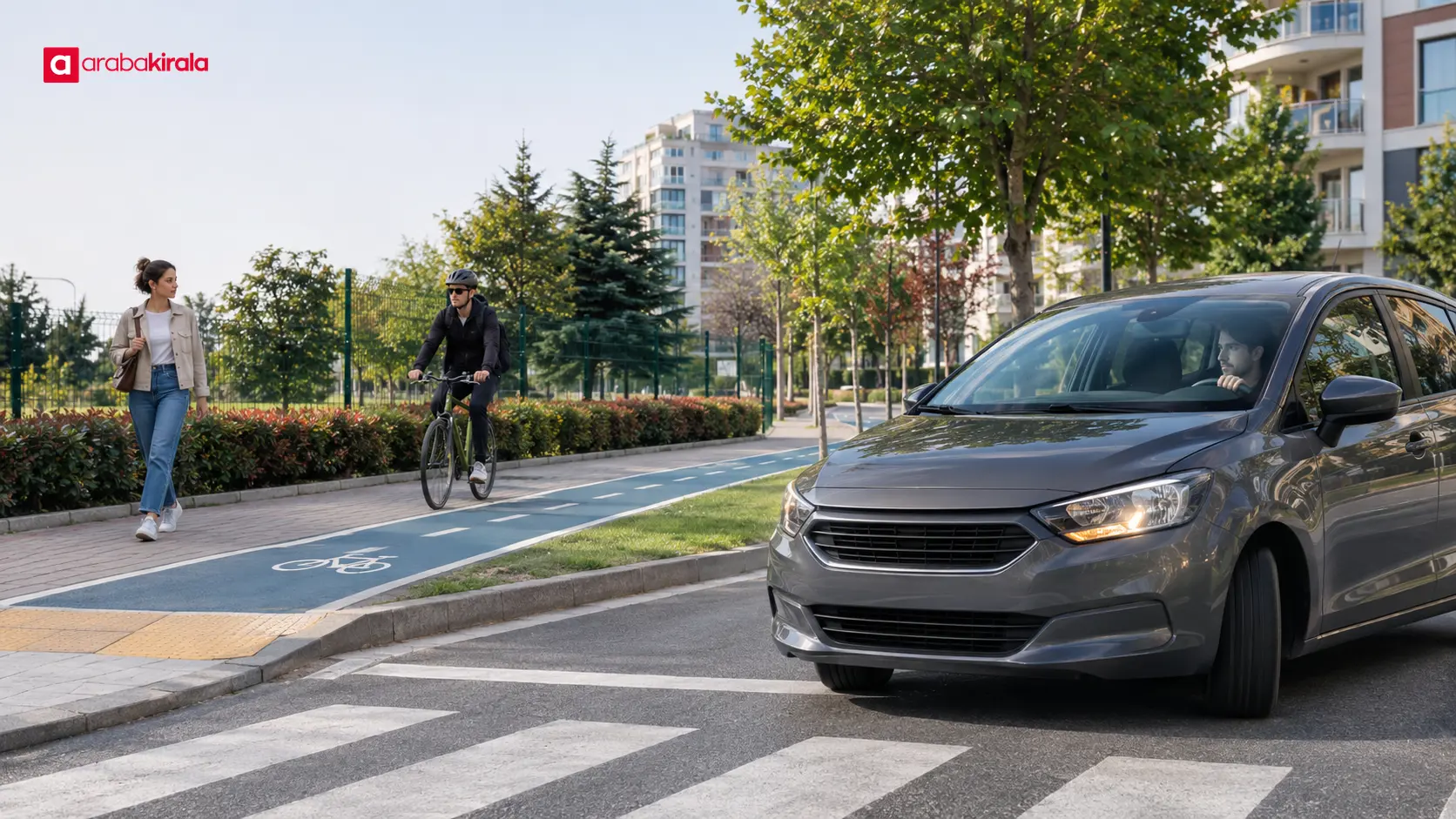
Pedestrians, cyclists, and motor vehicles share the road environment, but they do not have the same sightlines, speed, or room to maneuver. A pedestrian may pause at the curb or head toward a crossing. A cyclist may move outward to avoid an obstruction at the roadside. Rather than trying to predict exactly what someone will do, leave time and space for a change in direction.
Look beyond the few meters directly in front of the car. Movement along the sidewalk, vehicles waiting near an intersection, the continuation of a bike lane, and gaps between parked cars can help you read what is happening ahead. If a vehicle, wall, or bend blocks your view, do not assume the hidden area is clear. Reduce speed and proceed in a way that leaves room to stop.
Speed, distance, and attention
Match speed to what you can see
A posted speed limit does not mean that the same speed is suitable in every condition. The amount of traffic, lighting, rain, road surface, and visibility all affect the space needed to control a car. Ease off as you approach a pedestrian crossing, a busy shopping or school area, a bus stop, or an intersection. This gives you more time to respond if someone moves toward the crossing.
Reduce speed further when visibility is limited. On a wet surface, braking and steering call for extra care. Safe driving also means leaving a suitable following distance so you have room to slow down. When passing a cyclist, keep lateral space as well. If the road is too narrow to do that safely, do not force the pass; wait for a better opportunity.
Keep distractions outside the driving task
Looking at a phone, changing navigation, or reaching for an item inside the car interrupts your scan of the road. Choose the route before moving; if it needs to change, stop somewhere safe first. Conversation, audio controls, and other adjustments should not keep your attention away from traffic. If you are using an unfamiliar car, learn the basic controls while parked.
Crossings, intersections, and bike lanes
As you approach a pedestrian crossing, scan both curb edges and the area around the crossing. Adjust speed before someone steps onto it. A vehicle stopped at or just before a crossing can block your view; do not move quickly around it. Slow down, and stop if you cannot see what is ahead.
At intersections, check for cyclists approaching from side streets as well as pedestrians who may be crossing. Before turning, use your mirrors, signal in good time, and make a brief shoulder check for road users who may be in a blind spot. A signal communicates your intention; it does not by itself make a turn safe.
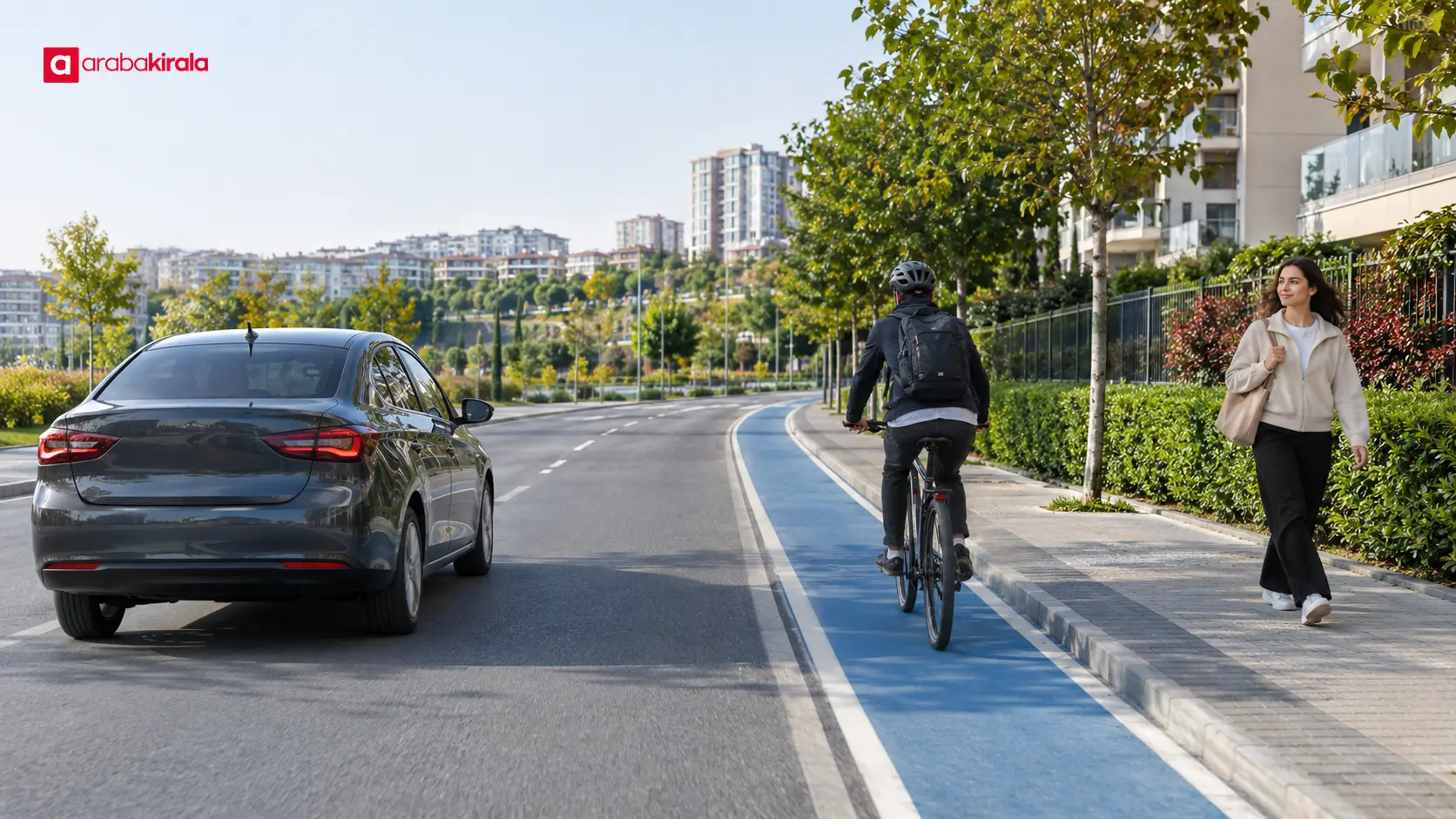
Do not use a bike lane as a driving or parking space. Where a turn or road layout requires crossing the bike lane, check the area and account for the cyclist’s path and approach. Passing a cyclist in a narrow space can push them toward the curb or parked vehicles. If you cannot leave sufficient lateral room, waiting is the more controlled choice.
Parked cars and door opening space
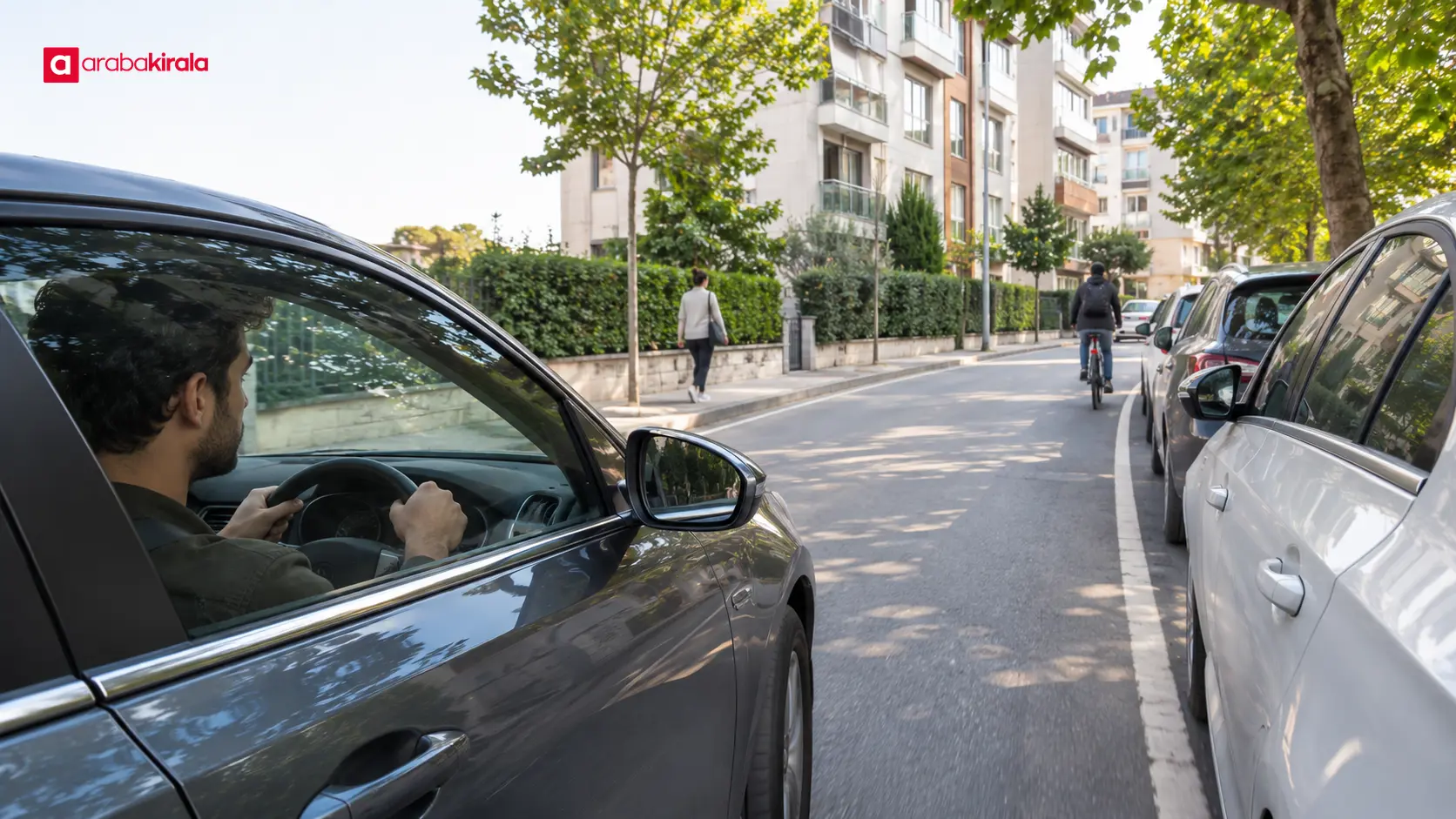
A cyclist may move into the roadway beside parked cars to stay clear of doors that could open. A pedestrian can also appear between vehicles. Slow down as you approach a line of parked cars and leave lateral space where possible. On a narrow street, do not try to pass a cyclist when there is not enough room.
When parking, choose a place that does not obstruct a crossing, a sidewalk connection, or a bike route. Before opening a door, check mirrors and look over your shoulder. If a passenger is getting out, remind them to check for cyclists and traffic. That check matters especially for people leaving from a rear seat.
Preparing for an unfamiliar route or rental car
If you are driving to a new destination in Beylikdüzü, review the route and parking options before setting off. Follow navigation while still checking the road layout and signs around you. Choose the appropriate lane before reaching a turn instead of changing lanes at the last moment. If you miss a turn, make a safe route correction rather than a sudden maneuver.
In a rental car, adjust the seat, steering wheel, and mirrors before moving, and locate the lights, indicators, wipers, and gear controls. Do not assume the vehicle’s size or braking response will match the car you usually drive. If you have a question about a control or how the vehicle operates, ask the branch where you are collecting it. Collection and rental details can depend on the branch and reservation, so confirm only the specifics relevant to your own plans with that office.
A short checklist before and during the drive
- Choose your route and parking destination before setting off.
- Adjust the seat and mirrors and locate basic controls while parked.
- Ease off near crossings, stops, intersections, and rows of parked cars.
- Leave enough side room when passing a cyclist; wait if there is not enough.
- Keep your phone out of your hands and make navigation changes in a safe place.
- Reassess speed and following distance when visibility, road, or weather conditions change.
Summary and next step
Pedestrian and cyclist safety in Beylikdüzü comes from careful observation, speed suited to visibility, adequate following and lateral space, and deliberate movement at intersections. Account for what you cannot see and do not force a pass. Before leaving, plan your route and set up the car; for a rental-specific control or collection question, contact the branch you will use.
Frequently Asked Questions
When is it safer to pass a cyclist?
Consider passing only when there is enough road width, a clear view, and room to leave suitable lateral space. If the road is narrow, traffic is approaching, or visibility is restricted, wait for a safer opportunity.
What should I watch for near a pedestrian crossing?
Check both sides of the crossing, people waiting at the curb, and vehicles that may block your view. Reduce speed early; if a vehicle ahead has stopped, do not pass it into a crossing you cannot see.
Why might a cyclist move out beside parked cars?
They may need to avoid a car door that could open or another roadside obstruction. Lower speed and lateral space are important when driving beside parked vehicles.
How should I prepare for an unfamiliar route in a rental car?
Review the route while parked, adjust the seat and mirrors, and locate the basic controls. Ask the collection branch if you have a question about operating the car.
How can I stay alert to pedestrians and cyclists in rain?
Reduce speed to suit conditions, increase following space, and account for blocked views and spray. Scan earlier as you approach crossings and intersections.
 Add ArabaKirala as a preferred source on Google