Beylikdüzü Rental Car Intersection Planning for a Safe Start
Published: November 6, 2026 • Reading Time: 7 min • Last Updated: November 6, 2026 • Author: Merve B.
Plan the first turns, lane choices, and intersections before leaving a rental pickup point in Beylikdüzü for a calmer, more controlled start.
Contents
- Plan the first few kilometres before moving
- Set up the car for a new driving environment
- Read intersections from the road, not only the map
- Choose the lane early and signal clearly
- Consider visibility, blind spots, and traffic together
- Approaching in rain or reduced visibility
- Use navigation without letting it distract you
- A short checklist before leaving the pickup point
- Which pickup details should you confirm with the branch?
- Conclusion: be ready for the first junction
- Frequently Asked Questions
- Related Articles
Beylikdüzü rental car intersection plan means identifying the first turn and the next decision points before pulling away from the pickup location. This guide explains how to review the route, set up the car, choose a lane in time, read intersections, and recover safely if navigation sends you the wrong way.
Plan the first few kilometres before moving
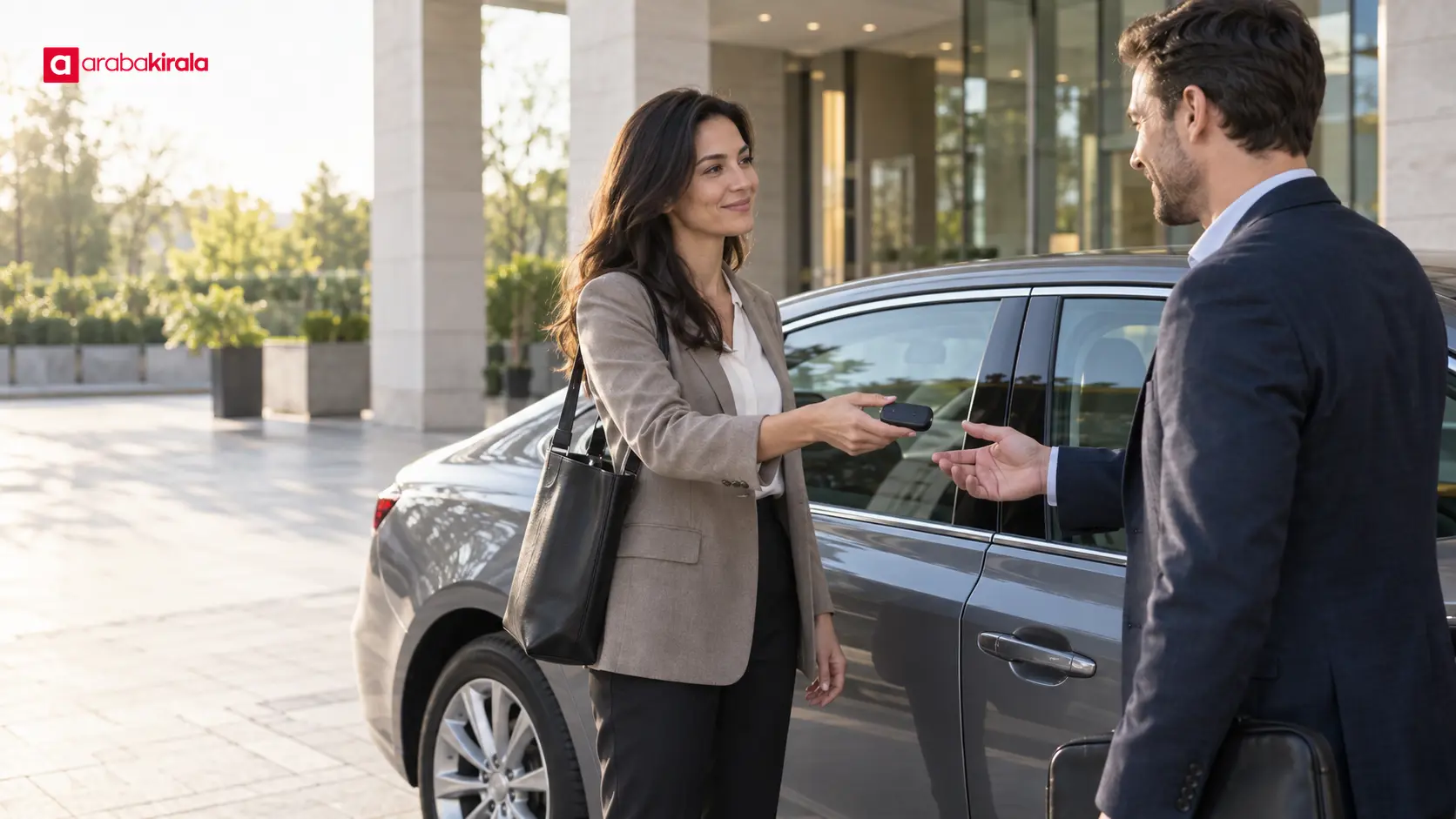
Look at the area around the pickup point. Check whether the access road is one-way, whether parked vehicles obstruct visibility, and whether there is room to pause before joining a main road. This quick scan lets you assess traffic rather than leaving in a hurry. Look for pedestrians, cyclists, and vehicles close to the car as well.
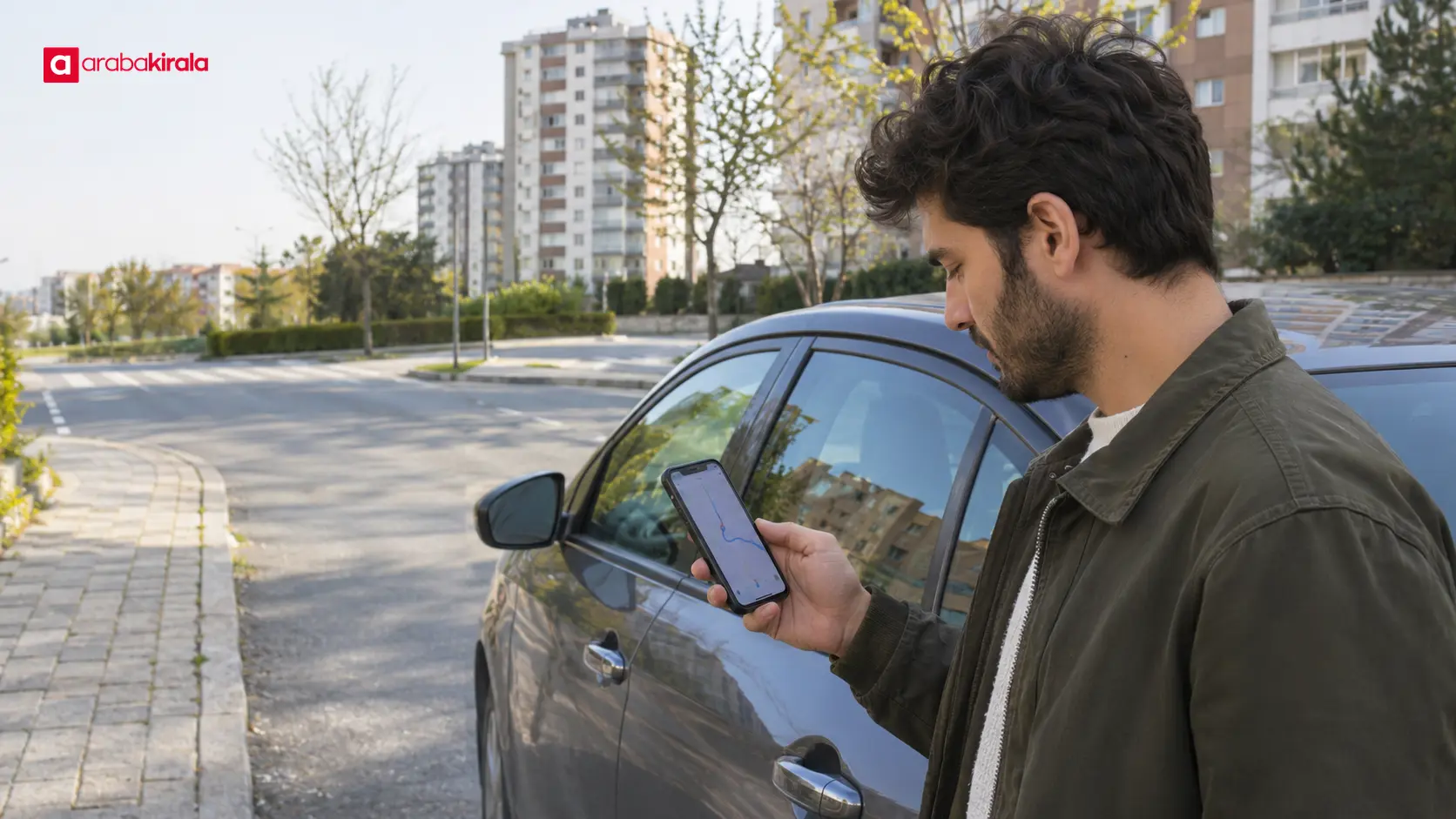
Review the first direction change in your navigation, not only the destination. Note which road you need to join, roughly where the first intersection is, and whether there is a reasonable alternate route. Set the route before the car moves. If useful, enable spoken directions while parked, and keep the phone out of your hand while driving.
Set up the car for a new driving environment
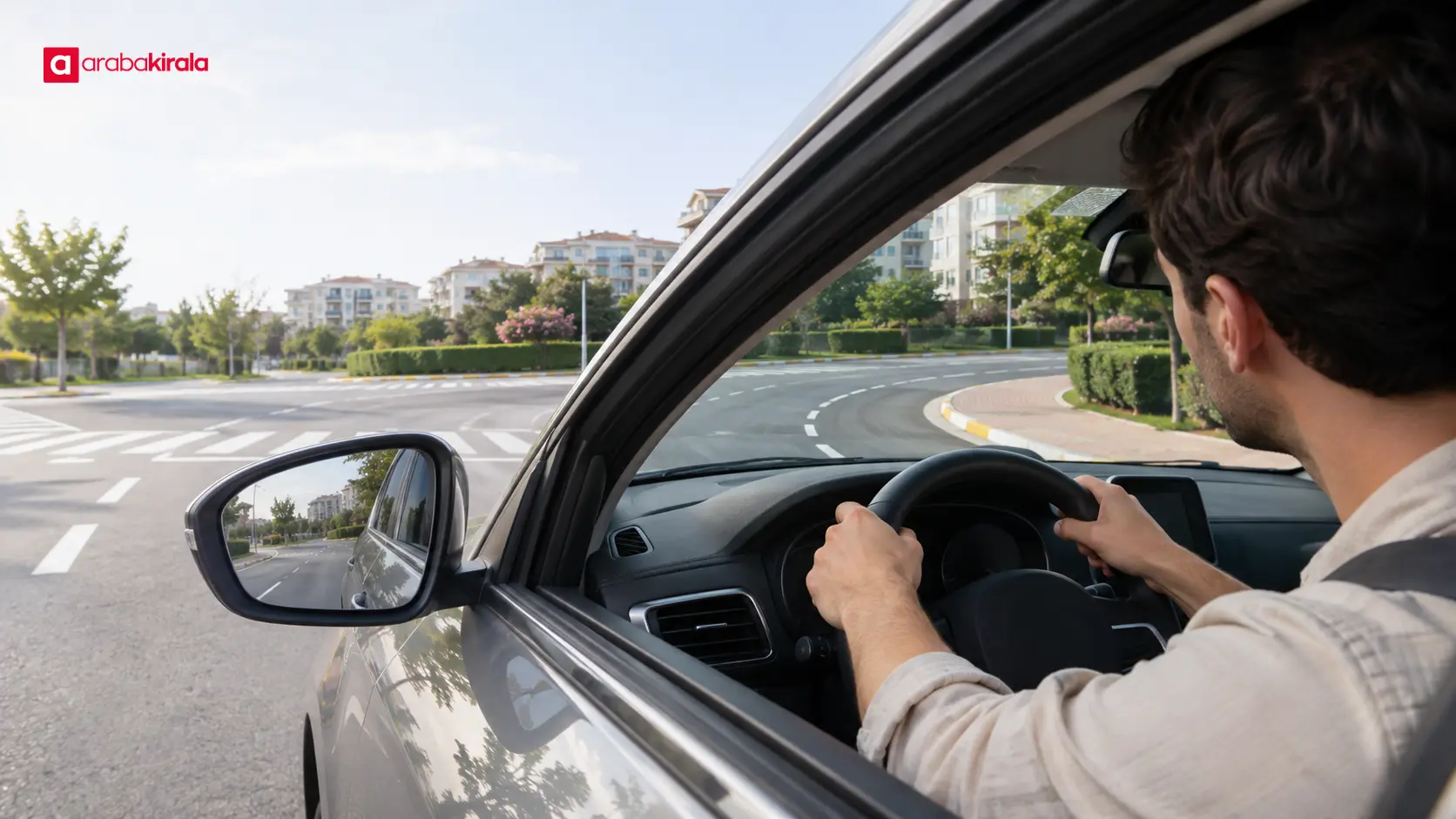
Adjust the seat and mirrors for your driving position, fasten your seat belt, and locate the basic controls for indicators, lights, wipers, and gears. Knowing the vehicle’s dimensions and sight lines helps when leaving a tight space or changing lanes. If a control is unfamiliar, learn how it works while safely parked.
Keep the windows clear and place belongings where they do not block your view. Avoid searching for controls once underway; that draws attention away from traffic. A brief setup before departure makes the first junction easier to manage, especially when the road layout is unfamiliar.
Read intersections from the road, not only the map
Navigation is a guide. Traffic lights, signs, lane markings, and directions from an authorized traffic officer govern what you should do at the intersection. A map may update late or miss roadworks. When the route display conflicts with the visible road layout, do not make a sudden manoeuvre to follow the screen. Continue safely in your lane and recalculate when appropriate.
In Beylikdüzü, major roads, connectors, and local streets can meet over short distances, and lane arrangements differ from junction to junction. Read signs and lane markings early. If you notice a turn too late, continue safely and let the route adjust instead of forcing a lane change through moving traffic.
Choose the lane early and signal clearly
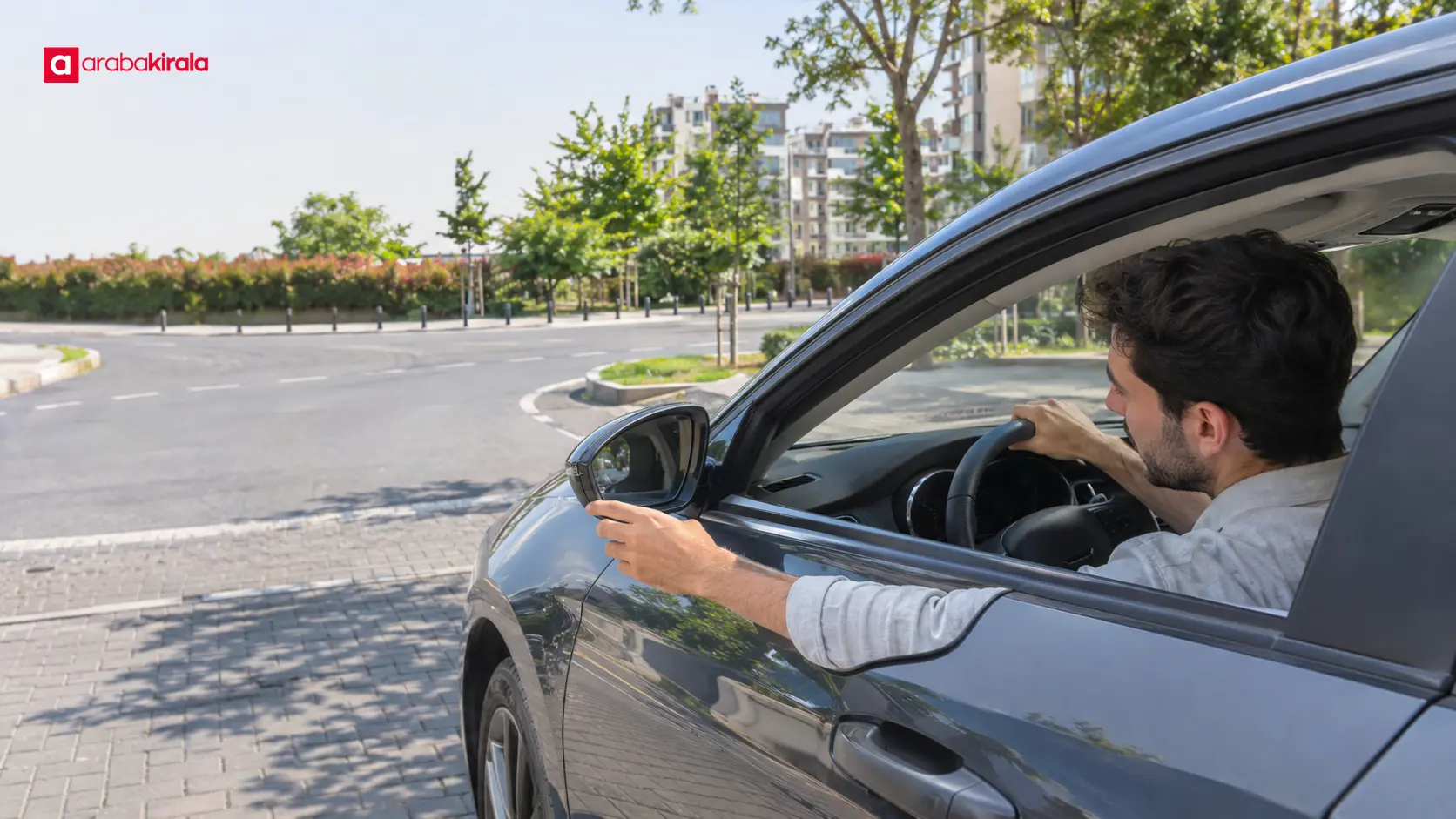
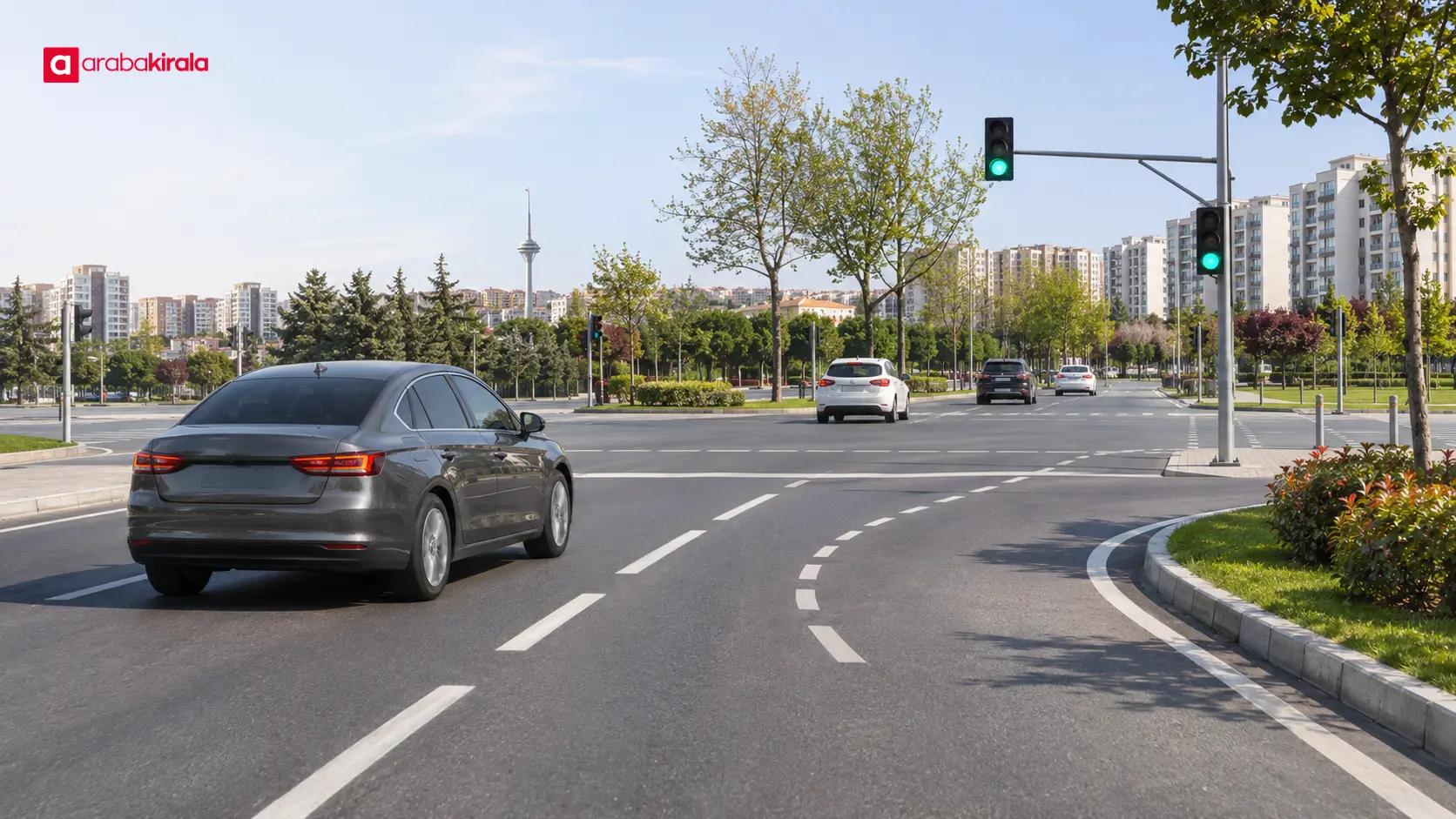
Move into the lane needed for your turn before reaching the junction, when traffic conditions allow. Check mirrors, signal, and judge the gap before changing lanes. A signal communicates intention; it does not make a lane change safe by itself. Missing a turn is often the calmer choice when the traffic flow leaves no safe opening.
At the junction entrance, look for arrows and signs showing which movements are permitted from your lane. Some lanes allow only a turn or only straight travel. Follow the markings and avoid reacting abruptly to another driver’s movement. Adjust speed to visibility, road surface, and the space available for the turn.
Consider visibility, blind spots, and traffic together
Mirrors do not show every area around a vehicle. Before changing lanes or beginning a turn, check the mirrors and, when appropriate, briefly look over your shoulder to assess the blind spot. This can help you notice motorcyclists and cyclists, whose narrower profile can make them harder to see.
At a busy intersection, check that there is room beyond it before moving forward. If traffic is stopped and you would have to stop in the junction, wait until the path is clear. Account for pedestrian crossings, bicycle movements, and oncoming traffic when turning. Buildings, trees, or large vehicles can block sight lines, so approach with extra care and obey priority controls.
Approaching in rain or reduced visibility
Rain, wet pavement, and darkness can make lane markings harder to see. Reduce speed to suit visibility and road conditions, leave enough following distance, and avoid abrupt braking or steering. Use the appropriate controls if the windscreen fogs or rain limits your view. If you cannot see well enough to drive safely, stop somewhere safe until conditions improve.
On a slippery surface, the vehicle may need more distance to slow down. Reduce speed gradually before the intersection instead of carrying it to the last moment. Keep steering inputs smooth through the turn. Puddles can obscure lane markings and make the road surface harder to judge.
Use navigation without letting it distract you
When choosing a route, consider clarity and suitability as well as travel time. Prefer roads you can follow comfortably and that fit the vehicle’s dimensions. Do not assume navigation always accounts for current construction, access restrictions, or every road condition. Follow the signs and markings you encounter.
If you take a wrong turn, do not stop abruptly, reverse, or attempt a prohibited turn. Continue safely and let the navigation calculate another route. If you need to change settings, pull over somewhere suitable first. A passenger can review directions, but the driver’s attention should remain on the road and surrounding traffic.
A short checklist before leaving the pickup point
- Review the first intersection, the planned turn, and a possible alternate route.
- Adjust the seat and mirrors, fasten the seat belt, and locate key controls.
- Secure the phone and set the route before moving.
- Check for pedestrians, cyclists, parked vehicles, and blocked sight lines near the exit.
- Join the main road according to signs and the actual traffic flow.
- Ask the branch you are renting from about any unclear, location-specific pickup or exit arrangement.
This is not a long procedure to repeat at every junction. The aim is to understand the vehicle, anticipate the first decisions, and avoid searching for directions in moving traffic. Once underway, keep attention on the road rather than the screen.
Which pickup details should you confirm with the branch?
Pickup areas and nearby traffic arrangements can vary by location and time. If you need to know which gate to use, how to leave a specific car park, or whether a temporary traffic setup affects the exit, ask the branch you are renting from. This resolves a location-specific uncertainty; it does not replace ordinary road signs or safe driving decisions.
If you are unsure how the vehicle’s navigation or connectivity works, learn that before moving. If the car display and phone give different instructions, follow road signs and review the route only after stopping safely. Ask about details tied to your pickup or use rather than assuming a company-wide procedure.
Conclusion: be ready for the first junction
A useful Beylikdüzü rental car intersection plan identifies the first turn in advance, includes mirror and blind spot checks, allows time for lane choice, and treats road signs as more important than navigation prompts. This preparation supports a calmer start and reduces last-second manoeuvres.
Before setting off, adjust your seating position and route. Ask the relevant branch about an unusual exit layout. Once on the road, follow the traffic flow and recover from a missed turn safely rather than forcing a correction.
Frequently Asked Questions
Why set navigation before leaving the pickup point?
Setting the route while parked reduces the need to reach for a phone or search for directions at an intersection. Seeing the first turn and an alternate route also gives you more time to choose the right lane.
What should I follow if navigation conflicts with a road sign?
Follow the traffic lights, signs, lane markings, and directions from an authorized traffic officer. Navigation may be out of date. Continue safely on the road you are in and review the route after stopping in a suitable place.
What if I notice my turn lane too late?
Do not make a sharp lane change or force the turn through traffic. Continue safely in your lane and allow navigation to create a new route. Reversing or stopping suddenly can create danger.
When should I check the blind spot?
Check it alongside your mirrors before changing lanes and when assessing the space beside you before a turn. Motorcyclists and cyclists may not appear in the mirrors, so confirm the area is clear before manoeuvring.
Who can explain the pickup location’s exit arrangement?
Ask the branch you are renting from about location-specific details such as a particular gate, car park exit, or temporary direction change. Make general route and intersection decisions according to road signs and traffic conditions.
How should I approach an intersection in rainy weather?
Reduce speed early when visibility or grip is limited, leave more following distance, and steer smoothly. If you cannot see well enough, stop somewhere safe and wait until conditions improve before continuing.
Related Articles
- Planning a Rental Car Handover Around Public Transport in Beylikdüzü
- Planning Safe Passenger Pickups and Luggage Loading When Renting a Car in Beylikdüzü
- Planning Safe Loading and Unloading Stops When Renting a Car in Beylikdüzü
Legal Disclaimer: All content, articles and information on the Araba Kirala website are provided solely to inform users. No information shared on this website constitutes definitive advice or guidance. Araba Kirala Teknoloji A.Ş. and its authors cannot be held responsible for any direct or indirect damages arising from the application of information on the website. For all questions and requests regarding car rental, please contact the office from which you will rent your vehicle.
 Add ArabaKirala as a preferred source on Google