What Is Car Axle Load? Passenger and Luggage Placement

Published: October 11, 2026 • Reading Time: 6 min • Last Updated: October 11, 2026
Learn what axle load means, how passenger and luggage placement affects the front and rear axles, and how to check a car's capacity information.
Contents
Car axle load is the downward load a vehicle transfers to the road through its front or rear axle. This guide explains how axle load differs from total vehicle weight, how passenger and luggage placement changes the distribution, and what vehicle information to check before a trip. Sensible placement helps keep the load within the vehicle's stated limits and supports appropriate tire and cargo arrangements.

What does axle load mean?
An axle is part of the vehicle assembly that connects its wheels and transfers load to the road. Most passenger cars have a front axle and a rear axle. Axle load describes the downward force carried by a particular axle at a given time. Passengers, luggage, and other items add to that load; the vehicle's own weight forms the starting point for its distribution.
Total mass and axle load are related, but they describe different things. Total mass accounts for the vehicle and everything in it, while axle load shows how that weight is shared between the front and rear. Two cars with the same overall weight can put different loads on their axles because of passenger seating, cargo location, and vehicle design.
How do passengers and luggage change the distribution?
Weight from front seat occupants is carried nearer the front axle, while passengers in the rear seats sit closer to the rear axle. Cargo in the rear compartment, especially behind the rear axle, can increase the load at the back. The farther a heavy item is from the vehicle's central area, the more influence it can have on the front-to-rear load balance. For this reason, both the amount of luggage and its position matter.
This does not mean that changing the passenger count or loading items at random will automatically produce a better balance. The vehicle's design, wheelbase, suspension, and manufacturer limits all matter. Excess load at either end can affect tire loading, body height, and the vehicle's responses on the road. Check the vehicle identification information and manufacturer documentation for the applicable limits.
Why does axle load matter?
A manufacturer may specify separate limits for the vehicle's total permitted mass and for its front and rear axles. Those limits relate to the design conditions for load-bearing parts, suspension, and tires. Staying below the total vehicle limit does not by itself prove that each axle is within its own limit. Heavy items concentrated at one end can put a disproportionate load on that axle.
As load increases, the force carried by the tires increases too. Tire pressure should be checked and adjusted for the load according to the owner's manual; arbitrary changes are not appropriate. A loaded car may also feel different from an empty one during braking, steering, and when crossing bumps. Distributing weight sensibly is part of preparation, but it does not guarantee a particular stopping distance or level of grip.

How to check capacity and axle limits
Start with the weight and loading section of the owner's manual. A vehicle information label or manufacturer documentation may state the permitted total mass, axle limits, and tire pressures. Label locations vary by model and may include a door opening, door pillar, or another area. Consult the manual if you are unsure where to look. If a value is unclear, use the manufacturer's definition instead of guessing what it means.
When renting a car, ask the branch where you will collect it about vehicle-specific capacity details. If you have a particular passenger count, amount of luggage, or special equipment in mind, confirm the capacity of the vehicle assigned to your trip and where its weight information is shown. Body style and trunk volume alone do not indicate permitted weight: capacity in litres and load mass in kilograms are different measurements.
Practical steps for loading people and luggage
- Review the total load: Compare the combined weight of passengers, suitcases, and other items with the vehicle's manufacturer limits. Confirm the information before loading if it is unclear.
- Keep heavy items low: Place heavy suitcases on the trunk floor. Position them as centrally and close to the rear seatback as practical; do not pile heavy cargo at the far end of the trunk.
- Balance the left and right sides: Spread items rather than gathering them on one side. Make sure objects cannot shift during the trip.
- Protect visibility and cabin safety: Do not stack luggage high enough to block the driver's rear view. Secure items carried in the cabin so they cannot fly forward during sudden braking.
- Check tire information for a loaded car: Follow the manufacturer's pressure guidance for the loaded condition. Do not treat the maximum pressure printed on a tire as the normal setting recommended for the vehicle.
- Look at the car before departure: If it sits noticeably lower on one side, the tires look unusual, or cargo cannot be secured, rearrange the load before driving and seek qualified help when needed.
When is weighing the car useful?
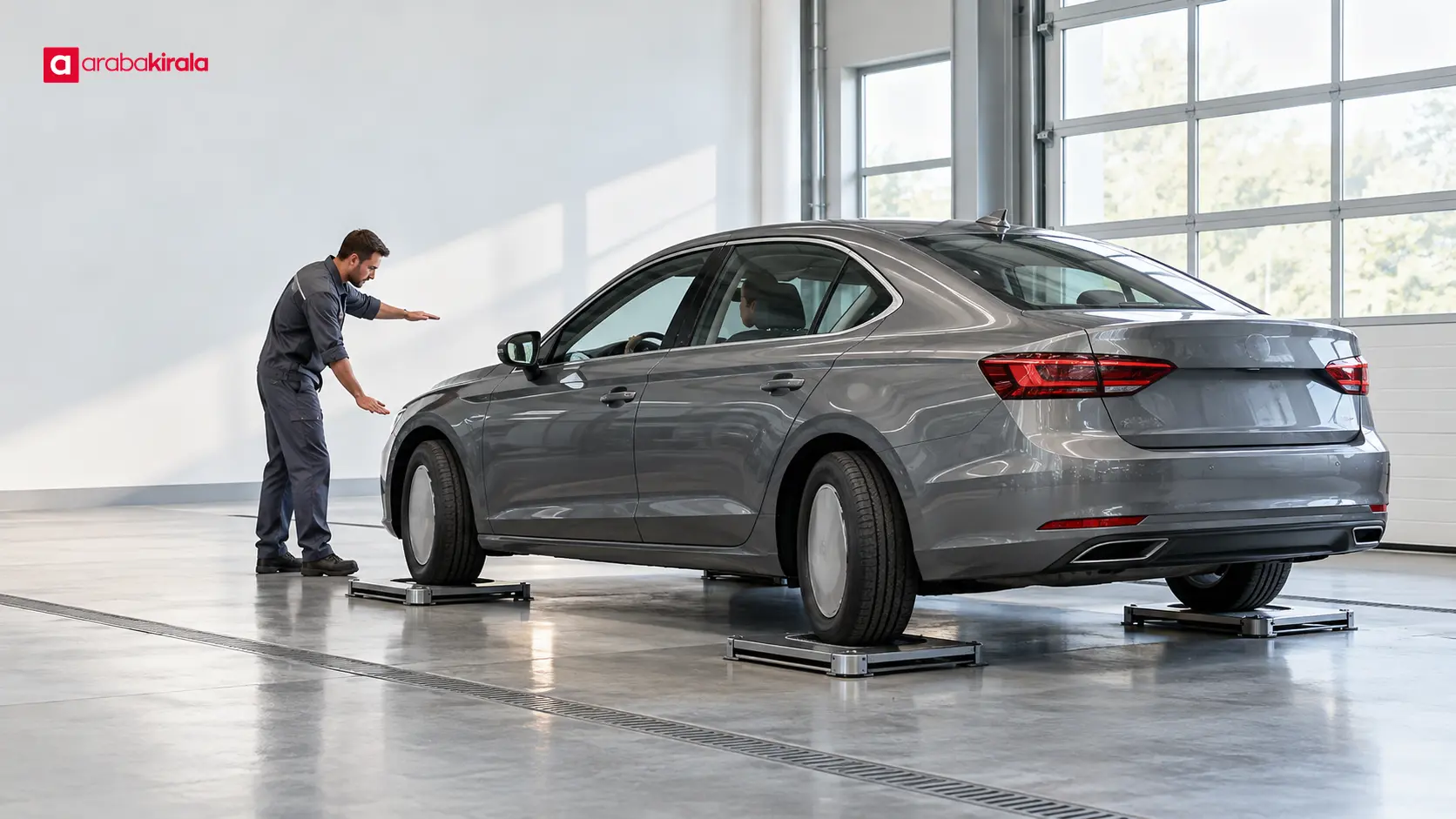
When passenger and luggage weights are hard to estimate, or a vehicle carries a specialized load, suitable weighing equipment can help establish the total weight or the load on each axle. A facility that measures axle loads weighs the vehicle on both axles and the results can be checked against the vehicle's stated limits. Household scales and estimates based on trunk volume do not show the actual load on each axle. If measurement is needed, use a facility with appropriate equipment and ask how the measurement is taken.
A short pre-trip check
First, find the manufacturer's total-weight and axle limits. Next, consider where passengers and luggage will sit, and arrange the load so heavy pieces are low, balanced, and secured. Then check tire pressure against the manufacturer's information for the loaded condition and keep the driver's view clear. If capacity or the vehicle's label is unclear in a rental car, ask the branch where you will collect it for an explanation. These steps make axle load easier to understand and help you prepare more thoughtfully for the journey.
Frequently Asked Questions
How is axle load different from the car's total weight?
Total weight covers the vehicle and everything in it. Axle load describes how that weight is divided between the front and rear axles. A car can be under its overall limit while one axle is over its separate limit.
Why is it recommended to place luggage close to the rear seatback?
Carrying luggage far behind the rear axle can have a greater effect on the load distribution at the back. Keeping heavy items low and near the seatback helps organize the load, while staying within the vehicle's capacity limits remains essential.
Does trunk volume tell me the load capacity?
No. Trunk volume describes the space available, usually in litres, while load capacity describes mass, usually in kilograms. A large trunk does not mean that the vehicle can carry more weight.
Does the number of passengers affect axle load?
Yes. Passengers add weight where they sit, so the balance between the front and rear axles can change with the seating arrangement. Consider passengers, luggage, and the manufacturer's limits together.
How is a car's axle load measured?
Suitable weighing platforms can show the load carried by each axle separately. Those measurements can then be compared with the relevant limits in the vehicle's manufacturer documentation. Measuring only the car's total weight may not reveal the axle-by-axle distribution.
Where can I find a rental car's load capacity?
Check the vehicle's owner's manual or manufacturer information label. For capacity details related to your passenger or luggage plans, contact the branch where you will collect the car.
Legal Disclaimer: All content, articles and information on the Araba Kirala website are provided solely to inform users. No information shared on this website constitutes definitive advice or guidance. Araba Kirala Teknoloji A.Ş. and its authors cannot be held responsible for any direct or indirect damages arising from the application of information on the website. For all questions and requests regarding car rental, please contact the office from which you will rent your vehicle.