What Is Betterment Deduction in Car Insurance?

Published: November 3, 2026 • Reading Time: 6 min • Last Updated: November 3, 2026 • Author: Merve B.
Learn what a betterment deduction may mean in a car insurance claim, how to check the payment breakdown against repair records, and what to ask when an amount is unclear.
Contents
- What does a betterment deduction mean?
- Records to compare with the payment explanation
- How to review the calculation step by step
- 1. Confirm the assessed damage
- 2. Ask for the calculation basis
- 3. Separate parts from labor
- 4. Reconstruct the net payment
- What to do when the explanation is vague
- Rental car damage records and insurance explanations
- A short checklist for completing your review
- Frequently Asked Questions
- Related Articles
Betterment Deduction in Car directly describes the main subject covered in this guide. A car insurance betterment deduction is a phrase used for an adjustment that may reflect an assumed increase in a vehicle’s value after certain repairs. This guide explains what the term means, how to compare it with the claim and repair records, and what details to request when the payment explanation is unclear. The result can depend on the policy, the damage, and the calculation used in the file, so do not assume a universal percentage or outcome.

What does a betterment deduction mean?
For Betterment Deduction in Car, the practical points below should be considered together. Repair work after a collision or other covered damage aims to restore the damaged area to a usable and safe condition. In some claim assessments, a repair may be considered to leave the vehicle in a better position than it was immediately before the loss. An adjustment described as betterment may be used to account for that perceived increase in value. The label alone does not establish that every replacement part or repair should result in a deduction.
The word “deduction” points to an amount taken out of a gross figure in the payment calculation. To understand it, look beyond the line item name. Identify the specific part or work involved, the value used, and the policy language or claim rationale connected to it. If the breakdown does not explain those points, request the calculation and its supporting records in writing.
Records to compare with the payment explanation
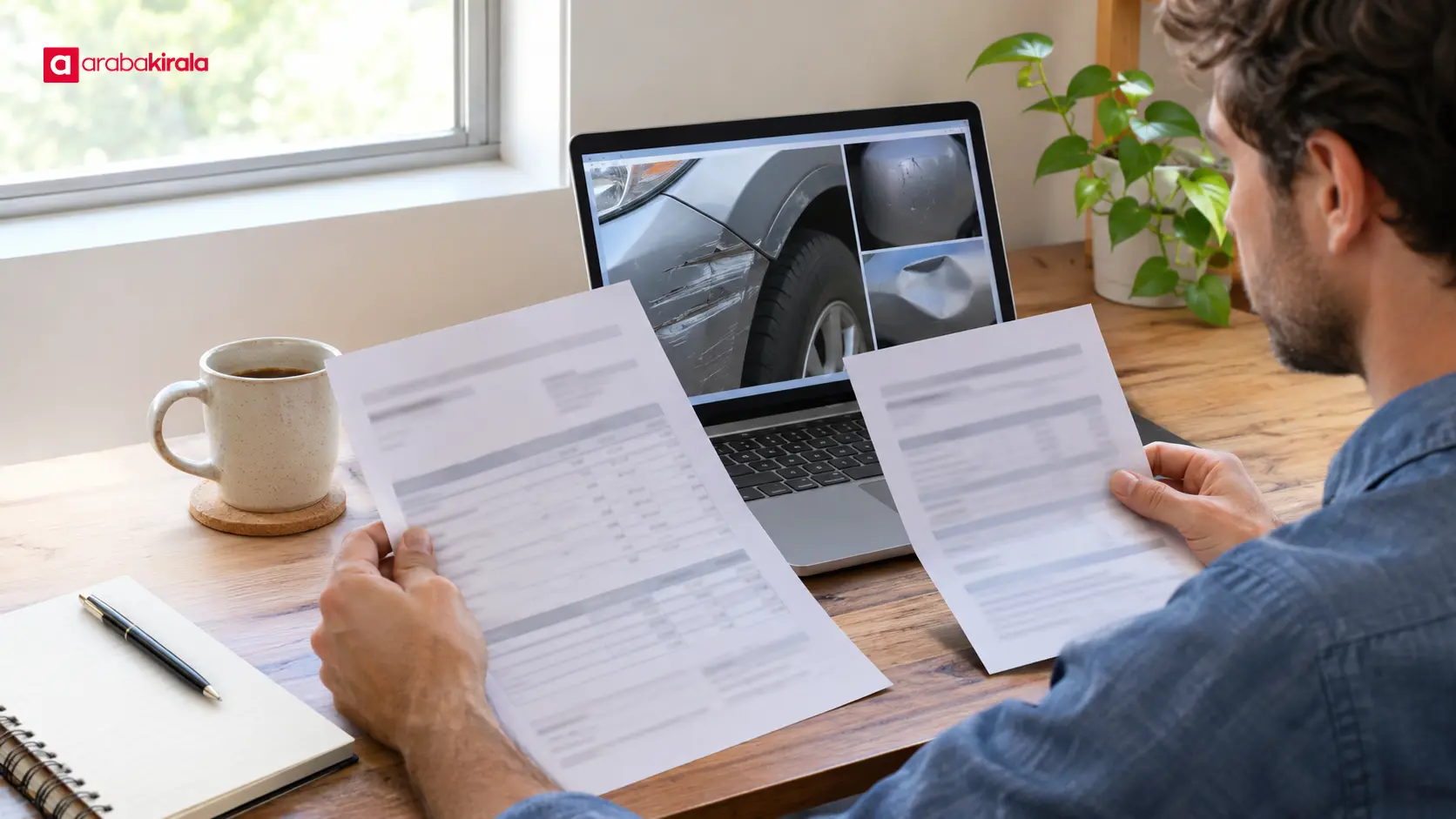
The clearest review uses records for the same damage side by side. A claim summary, adjuster report, repair estimate or invoice, and payment breakdown each provide a different piece of the picture. Compare the part names, quantities, work descriptions, and amounts. A mismatch calls for clarification; by itself, it does not prove that the payment was calculated incorrectly.
- Adjuster report: Shows the assessed damage, parts, and repair approach. If the actual work changed from the assessment, check how the revision was recorded.
- Repair estimate or invoice: Tracks the work performed, parts used, and labor items. If the final invoice differs from an estimate, identify which line changed and why.
- Payment breakdown: Should help explain how the gross repair amount, any deductions, and the net payment relate. Recalculate the figures and compare them with the underlying records.
- Policy and endorsements: Help identify the coverage and specific wording associated with the adjustment. Ask where the stated deduction is addressed in the applicable documents.
How to review the calculation step by step
1. Confirm the assessed damage
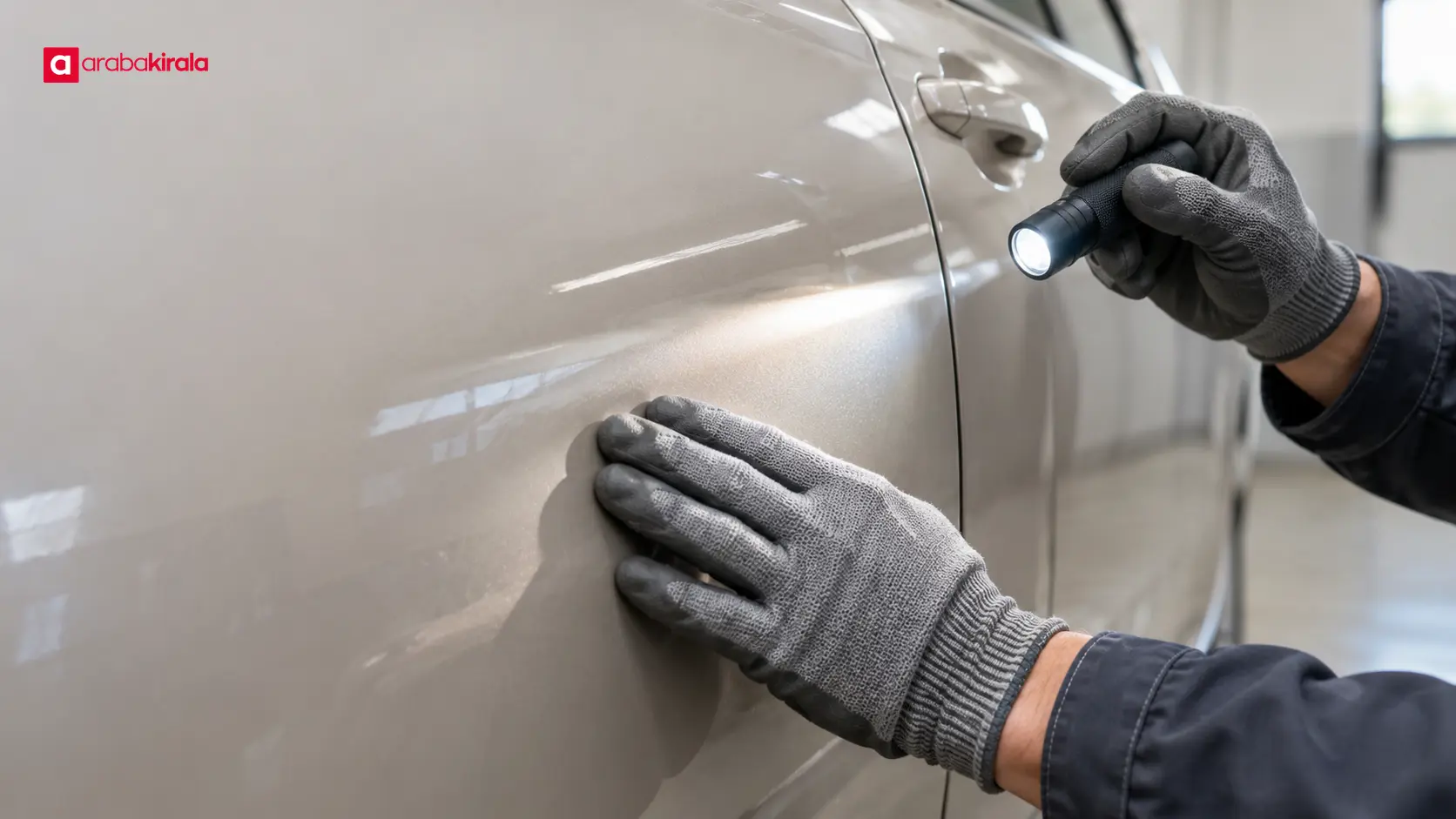
Start by listing the damaged parts and repair operations included in the claim. Compare the adjuster report with the vehicle photographs and the repair order. If an item appears in the payment breakdown but not in the repair or assessment records, ask which record supports it. If completed work is absent from the payment calculation, ask whether the file has been updated to include it.
2. Ask for the calculation basis
For a betterment line, ask which part or operation it applies to, which values were used, and how the amount was calculated. If the breakdown gives a percentage, establish what base amount it was applied to. Do not assume an industry-wide fixed rate. If the method is not visible in the documents, request an itemized calculation.
3. Separate parts from labor
Replacement part costs and labor charges are different kinds of expenses. If they are bundled together, ask for the amount attributed to each. A changed part type, quantity, or price should be traceable in the assessment and repair records. For labor, ask which operations are included and how the stated amount was derived.
4. Reconstruct the net payment
Write down the accepted repair amount and each item subtracted from it. Show any betterment item, other policy-based adjustments that are clearly identified, and any prior payment separately. Then check the arithmetic that leads to the net amount. If the totals do not match, ask in writing which figures are current and which records were used.
What to do when the explanation is vague
Instead of a general statement that the payment is too low, identify the exact file, line, amount, and document that do not match. For example, point to a difference between the part value in the report and the payment breakdown, then ask how that difference was calculated. A focused request makes it easier for the response to address the disputed item.
Keep copies of the records and correspondence you send. When an explanation arrives, check the figures again and make sure you are not comparing different versions of an estimate or invoice. Ask the insurer’s claims team about the current file status and whether it needs additional documents. For advice about an individual legal dispute, consult a suitably qualified professional.
Rental car damage records and insurance explanations
If a rental car is damaged, prioritize safe use of the vehicle and accurate documentation of what happened. Do not continue driving if the vehicle may be unsafe. Follow the reporting and emergency steps provided during the rental, photograph the damage and vehicle location where safe, and send the records through the channel provided by the rental office.
Responsibility for damage, reporting steps, insurance scope, and claim documents can depend on the rental agreement and the arrangements for that vehicle. Treat none of these as a universal rental rule. Before taking the vehicle or when reporting damage, ask the branch you will rent from which coverage applies, how to report the incident, and what records are needed. Keep copies of documents supplied to you for the claim payment review.
A short checklist for completing your review
- Mark the deduction line and amount in the payment explanation.
- Find the related items in the adjuster report, repair record, invoice, and policy wording.
- Compare parts, labor, and any other adjustments separately.
- Request a written explanation of the method when the calculation is unclear.
- If a mismatch remains, ask for the current itemized claim breakdown.
In short: The meaning of a betterment deduction becomes clear by tracing the repair item it applies to and how it enters the payment calculation. Put the payment explanation beside the assessment and repair records, then request the method in writing for any unexplained amount. For rental-specific coverage or reporting details, contact the branch from which you will rent.
Frequently Asked Questions
Is a betterment deduction applied to every claim?
The term does not mean that every claim receives the same adjustment. The damage, part or operation assessed, policy wording, and calculation in the file can matter. If a deduction appears, ask what item it applies to and what supports it.
Is betterment the same as a deductible?
These terms can describe different parts of a claim calculation. A deductible is an amount or method defined by the policy; betterment generally refers to an assessment of increased value after repair. Check the definition and calculation in the documents for your claim.
What should I request if the payment notice shows only a total?
Ask for the gross repair amount, each deduction by name and amount, the record supporting it, and the arithmetic leading to the net payment. A separate view of parts and labor also makes the figures easier to compare.
What if the adjuster report and repair invoice differ?
The report may describe the assessed scope, while the invoice records completed work. The claim file should explain relevant changes. Identify the differing item and ask which updated amount was used in the payment calculation.
Who can explain a rental car damage payment?
Ask the rental branch about the incident reporting process and the agreement that applies to your vehicle. If an insurer or repair file produces a separate payment breakdown, confirm which organization or claims team can provide that document.
Related Articles
- What to Check in Your Policy Before Reporting Vehicle Insurance Damage
- How to Track a Car Insurance Claim and Missing Documents
- How to Check the Start and End Dates on a Vehicle Insurance Policy
Legal Disclaimer: All content, articles and information on the Araba Kirala website are provided solely to inform users. No information shared on this website constitutes definitive advice or guidance. Araba Kirala Teknoloji A.Ş. and its authors cannot be held responsible for any direct or indirect damages arising from the application of information on the website. For all questions and requests regarding car rental, please contact the office from which you will rent your vehicle.
 Add ArabaKirala as a preferred source on Google