How to Check the Start and End Dates on a Vehicle Insurance Policy
Published: October 11, 2026 • Reading Time: 7 min • Last Updated: October 11, 2026
Learn how to locate policy dates, read the stated times, distinguish a renewal quote from an issued policy, and follow up on date discrepancies.
Contents
Vehicle insurance policy dates show the period for which a policy is written. This guide explains where to find the start and end dates, why any stated times matter, how to handle conflicting documents, and how to track a renewal. These checks help you understand the paperwork; questions about coverage or a particular claim should go to the insurer or authorized representative that issued the policy.

What the policy start and end dates mean
A policy is issued for a defined insurance period. Its start date identifies when that period begins, and its end date identifies the stated end of the period. Read both together. A start date alone does not tell you how long the policy is scheduled to run, while an end date alone does not show when the period began.
Dates are only one part of identifying a policy. The vehicle details, named insured, document status, and any relevant notes also help establish what the document concerns. A saved file may be an offer, draft, renewal notice, or issued policy. Do not assume that every document containing a future date is already active. If the status or the effect of a date is unclear, ask the issuing insurer or authorized channel to explain the record.
Find the date fields on the document
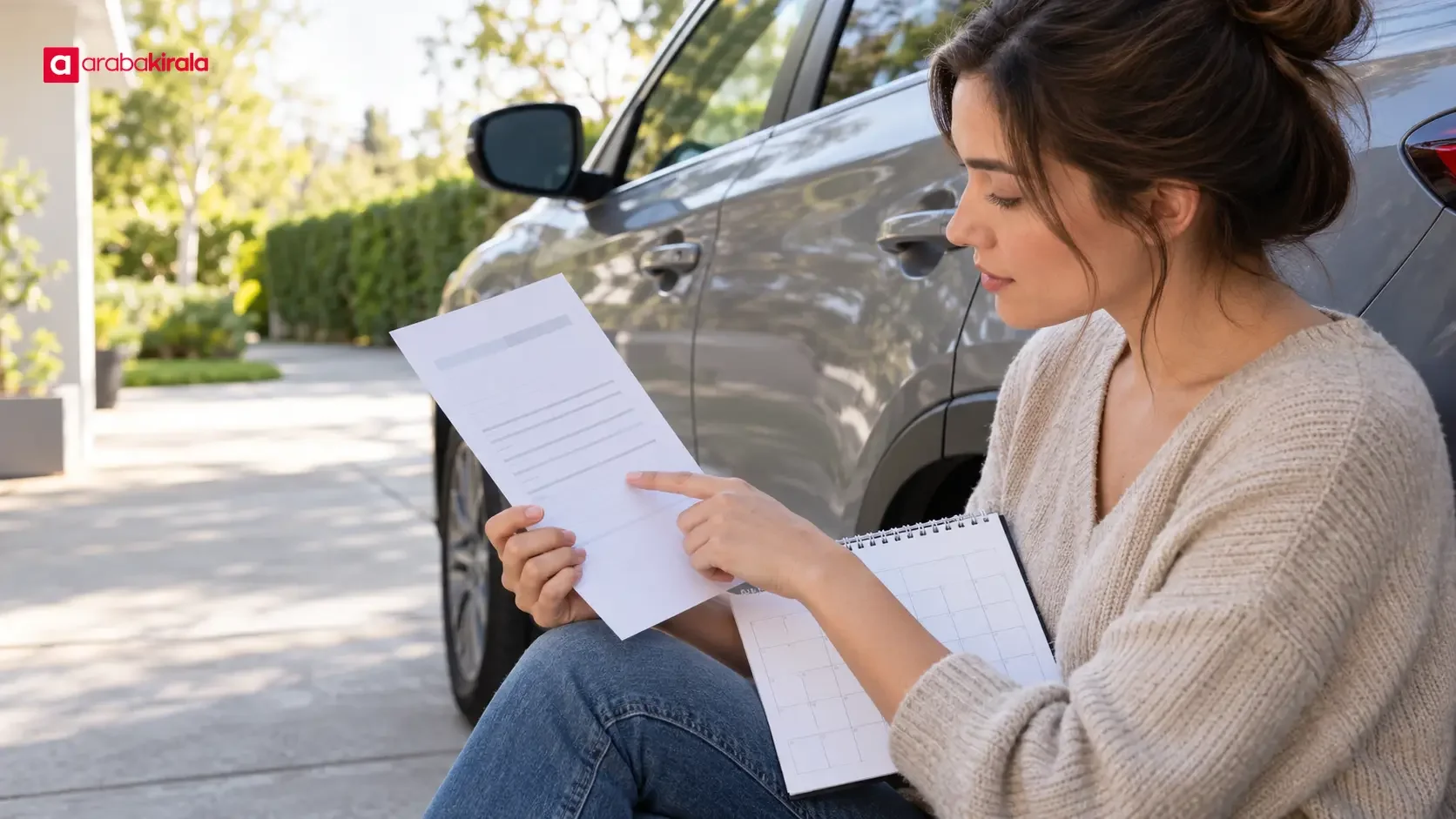
Look on the policy summary or in a section labeled “policy period,” “effective date,” “start date,” “expiration date,” or similar wording. Layouts differ, so follow the labels on the document rather than expecting a particular location. Record the date and any time shown, then confirm that the vehicle identifiers match the vehicle you intended to insure.
- Start: Check the date and, when provided, the time the policy period begins.
- End: Read the stated final date together with any listed time.
- Vehicle: Confirm that the plate or other vehicle identifier belongs to the intended vehicle.
- Document status: Identify whether you are looking at a quote, draft, renewal document, or issued policy.
For an electronic document, search for terms such as “effective,” “expiration,” or “policy period.” Then read the surrounding section to make sure the result belongs to the relevant policy and vehicle. An older attachment in an email or a file saved on a phone may not be the current document. Use the fields printed in the policy rather than inferring dates from the file name.
Read dates and times together
If a policy states times as well as dates, the times help define the exact points at which the period begins and ends. Two entries with the same calendar date do not necessarily mean the period starts and ends at the same moment. Conversely, if the document gives dates without times, do not invent a time to fill the gap. Ask the issuing organization how its record defines the period if the wording is insufficient.
Date formats can also vary. A numeric entry such as 04/07/2026 can be ambiguous when you do not know whether the document uses month-day-year or day-month-year order. Check the format used elsewhere on the policy, and prefer a clearly written month when recording the date in your own calendar. Do not alter or reinterpret an unclear date without confirmation.
Distinguish the current policy from a renewal
Renewal paperwork can include the existing policy, an offer for a future period, and a newly issued policy. These documents can carry dates close together but have different purposes. A proposed future start date on an offer does not by itself establish that a new policy has been issued or taken effect. Check the document title, status, and issuing details.
Comparing the old policy’s end with the new policy’s start helps you notice a possible gap or overlap in the dates shown. Do not decide what that difference means for coverage based on the dates alone. If the documents show a gap, overlap, different vehicle details, or an unclear time, provide both documents to the issuer and ask which record is current and whether a correction is needed.
What to do when dates do not match
Do not edit the policy dates yourself to make them match the day you remember completing a purchase or renewal. First identify which document was most recently issued and compare its period, vehicle identifiers, and status with the other documents. If there is a discrepancy, contact the insurer or authorized channel that issued the policy and ask them to confirm the recorded dates and whether an updated document is required.
Having the policy number, issue date, and relevant date fields at hand can help the organization locate the right record. Share personal information only through a contact channel you have verified. After a verbal explanation, ask for the confirmation or correction in an updated document or written record when appropriate. Keeping that record makes it easier to distinguish the current file from an older copy later.
Build a simple date-tracking routine
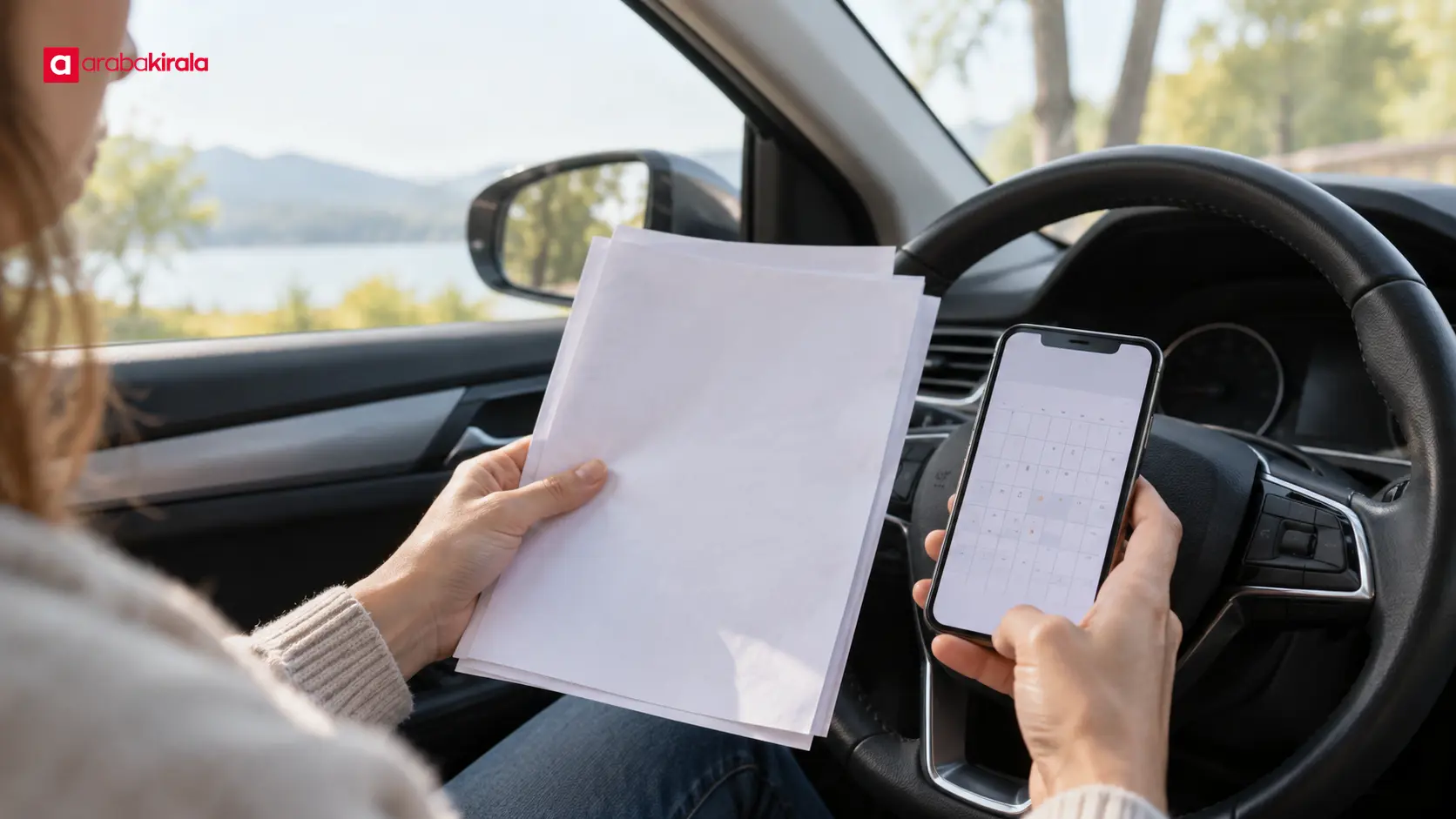
Save the policy in a secure, easy-to-find folder and add its end date to a calendar. A reminder before that date gives you time to ask about renewal and verify that the next document has actually been issued. Choose a reminder interval that fits your planning; no single number of days is necessary for every person or policy.
- Record the policy end date and its stated time, if one appears.
- After renewal, open the new document and check both dates again.
- Label files by policy period or issue date so older and newer documents are easy to tell apart.
- Keep the document itself; a file name or calendar reminder does not replace it.
Checking the record before an important journey or vehicle use can reduce the chance of relying on an old copy. If you are renting a car, keep your personal vehicle policy separate from the rental vehicle’s insurance and protection information. Details about a specific rental vehicle or reservation can vary, so direct those questions to the branch where you will collect the vehicle. Your own policy dates do not establish the dates or scope of the rental vehicle’s cover.
Finish the check with a clear next step
Identify the document type, verify the vehicle, read the start and end dates with any stated times, confirm the date format, and distinguish a renewal offer from an issued policy. If a field is unclear or conflicts with another document, do not guess: contact the issuer for the current record and an updated document if needed. Add the end date to your calendar, then check the next policy when it arrives. This turns policy dates from easy-to-miss paperwork into a record you can follow deliberately.

Frequently Asked Questions
Where are the start and end dates shown?
They are often in a summary or a section labeled “policy period,” “effective date,” or similar wording. Document layouts vary, so follow the field labels and confirm that the dates belong to the policy and vehicle you are checking.
If the policy lists dates but no times, should I assume a time?
No. Use the information stated in the document and ask the issuing organization how its record defines the period if a time is important or unclear. Avoid filling in a time based on an assumption.
Does a renewal quote mean the new policy is already active?
A quote describes an offer for a future period; by itself, it does not prove that a new policy has been issued. Check the status of the new document and contact the issuer if you need confirmation.
What should I do if the current and renewal dates leave a gap?
Compare both documents and ask the issuer to confirm the recorded dates and the status of each one. Dates alone do not resolve what a gap means for coverage, so obtain clarification from the organization responsible for the policy.
What is an easy way to remember the policy end date?
Add it to a calendar with any stated time and set a reminder early enough for your own renewal planning. When a new document arrives, check its dates and file it so it cannot be confused with an older policy.
Legal Disclaimer: All content, articles and information on the Araba Kirala website are provided solely to inform users. No information shared on this website constitutes definitive advice or guidance. Araba Kirala Teknoloji A.Ş. and its authors cannot be held responsible for any direct or indirect damages arising from the application of information on the website. For all questions and requests regarding car rental, please contact the office from which you will rent your vehicle.