Estimated Damage Cost vs. Final Insurance Payment for a Car

Published: November 5, 2026 • Reading Time: 6 min • Last Updated: November 5, 2026 • Author: Merve B.
Learn why an initial repair estimate may differ from the final claim payment, what records can affect the review, and how to follow up clearly.
Contents
- What does an estimated damage amount mean?
- How is a final payment different?
- What information can change the first estimate?
- Damage scope and technical inspection
- Consistent documents and records
- Repair line items becoming clearer
- How to check the payment explanation and claim status
- Keep repair costs separate from the insurance calculation
- What to do if you disagree with the amount
- Summary: Your next step
- Frequently Asked Questions
- Related Articles
Insurance Payment directly describes the main subject covered in this guide. Car insurance claim payment can differ from the repair estimate shown early in a claim. This guide explains what an estimate represents, why the amount may change as information is reviewed, and how to check the final payment explanation. You will also learn how to separate a repair shop’s cost breakdown from an insurer’s claim calculation and what to ask when the figures do not match.
What does an estimated damage amount mean?
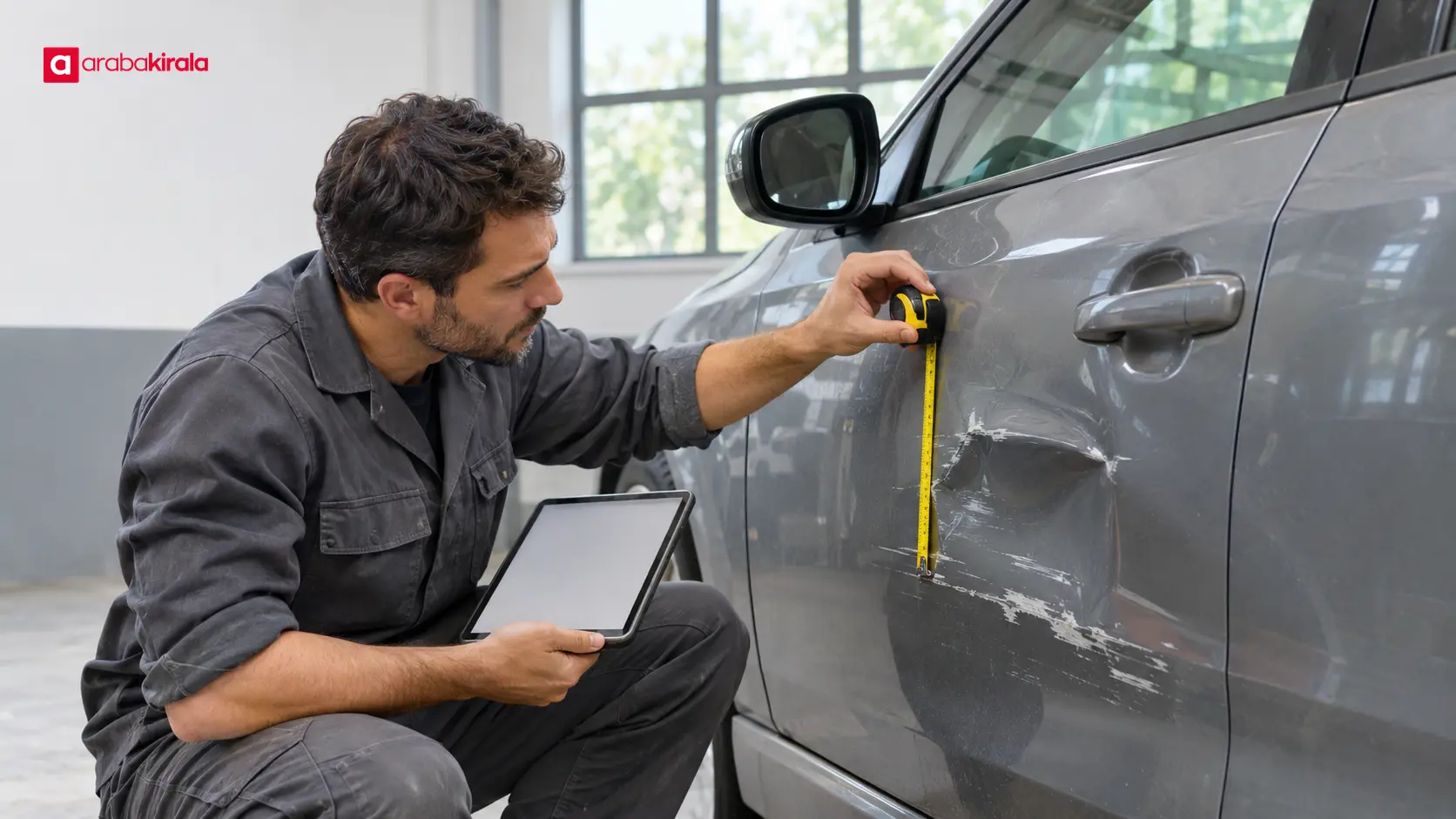
For Insurance Payment, the practical points below should be considered together. An estimate is an initial approximation based on the damage visible at the time and the repair work thought to be necessary. It may rely on photographs, an early shop inspection, or the information first submitted with the claim. It is useful for starting the review, but it does not by itself confirm that every damaged part has been identified or that the payment will be exactly the same.
Visible dents or scratches do not always show the full repair scope. A closer inspection may be needed to assess a component, determine whether repair or replacement is appropriate, or identify additional work. As the evidence becomes more complete, the estimate can be updated. Treat the first figure as a working amount whose basis should be checked, rather than as a final decision.
How is a final payment different?
A final payment amount is determined after the relevant claim information and calculations have been reviewed under the applicable policy and file assessment. The difference from an early estimate can reflect a clearer repair scope, additional documentation, or the completion of technical review. The reason is specific to the claim, so no single adjustment or calculation method should be assumed for every case.
A repair shop’s estimate and an insurer’s payment calculation are also different documents. The shop’s estimate describes the work and its cost. The insurer’s assessment considers the claim information and policy review as well. Therefore, the total on a repair estimate should not automatically be treated as the amount that will be paid.
What information can change the first estimate?
Damage scope and technical inspection
Visible damage may not reflect every repair step. A more detailed inspection can clarify which components need attention and which repair operations are involved. An inspection report or technical assessment may be among the records used to document the damage. Check which items it addresses and whether anything remains unresolved.
Consistent documents and records
If photographs, the incident description, repair order, and other claim records do not align, the reviewer may need more information. Keeping vehicle details, dates, and the damage description consistent makes the file easier to follow. If a document is requested, ask what is needed and how it relates to the assessment.
Repair line items becoming clearer
Labor, parts, and operations may be approximate in an early estimate. As the shop’s review advances, these items can become more specific and the repair cost may be recalculated. When the amount changes, ask which line item was added, removed, or assessed differently. That makes the difference between the original estimate and the current figure easier to trace.
How to check the payment explanation and claim status
When a payment notice arrives, compare it with the latest claim assessment and any itemized explanation, not just with the first estimate. Note differences in the amount, scope, and dates shown in the documents. If the explanation is unclear, contact the insurer’s claim channel to ask what review steps are complete and whether any information is still needed.
- Confirm the claim reference and vehicle details used in the file.
- Keep the initial estimate, current repair breakdown, and payment explanation separately.
- Ask which damage or repair line explains a change in the amount.
- Clarify what information is missing and how to submit it.
- Record the dates of calls, messages, and document submissions.
These notes help you see when and why the figures changed. Instead of asking only why a payment differs, point to the specific line item or document that needs explanation. Review times and requested records can vary, so use the instructions for your own claim rather than assuming a standard timeline or universal document list.
Keep repair costs separate from the insurance calculation
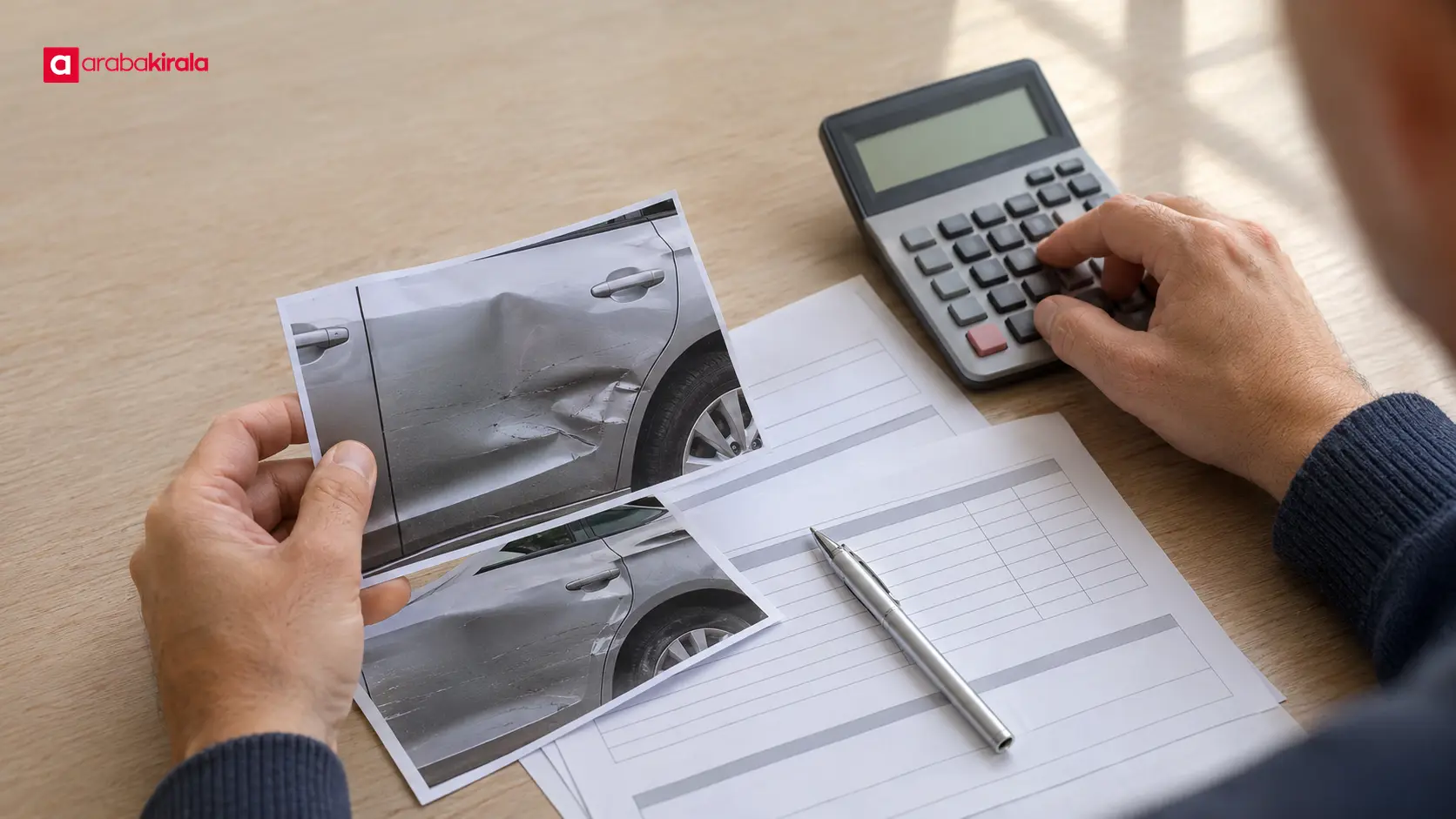
A shop may provide a cost breakdown for the work needed on the vehicle. The insurer’s calculation is reviewed alongside the damage records and policy information. If the totals differ, ask whether the difference concerns labor, a part, the scope of work, or another part of the claim assessment.
Before repairs begin, it can help to understand what the shop’s estimate covers and what stage the claim review has reached. If additional damage is identified during repair, ask how the shop should document it and how that information should be submitted. This does not guarantee that an additional amount will be covered; it helps ensure the new information can be reviewed in the file.
What to do if you disagree with the amount
Put your records in date order: the first estimate, inspection or damage assessment, shop breakdown, requests for additional documents, and payment notice. Then identify the specific item that needs clarification. Pointing to the date when the total changed or to a repair line that is not explained can make your question easier to answer.
If the response is missing or does not explain the calculation, use the insurer’s formal contact or complaint channels to request a written explanation. Procedures and applicable time limits can depend on the claim and current rules. For advice about the legal effect of a specific case, consult a qualified professional. These general record-checking steps do not determine legal rights or outcomes.
Summary: Your next step
An estimated damage amount is an early approximation; the final payment follows review of the claim information and relevant calculations. Separate the shop’s repair cost from the insurer’s claim assessment, then compare the latest itemized figures. Find the current payment explanation, note the line items that changed, and ask for the basis of each difference while keeping copies of your communications.
Frequently Asked Questions
Why might an initial damage estimate differ from the final payment?
The initial estimate may be based on visible damage and approximate repair work. A closer inspection, completed documents, or a clearer repair scope can change the calculation. Check the explanation provided for your claim to understand the final amount.
Does an inspection report automatically establish the payment amount?
An inspection report is one record used to assess damage and repair needs. It should not automatically be assumed to settle the payment in every claim. Ask whether the claim calculation is complete and how the report was used.
Why can a repair shop’s estimate differ from the insurer’s calculation?
The shop describes repair operations and costs, while the insurer also reviews the claim records and policy information. Request an itemized explanation of the differences rather than comparing only the totals.
How can I request a breakdown of the payment calculation?
Contact the insurer’s claim channel with your claim reference and ask for the current itemized calculation and reasons for any changes. Also ask whether any documents or details are still outstanding.
What should I do if more damage is found during repairs?
Ask the repair shop to document the additional damage and repair need, then find out how that information should be sent to the claim file. A review of new damage does not guarantee an increase in payment; the file assessment determines how it is handled.

Related Articles
- Rental Reservation Price, Payment and Authorization: What’s the Difference?
- The Difference Between a Claim File Number and a Policy Number
- How to Organize Repair Invoices and Payment Records After an Insured Car Accident
Legal Disclaimer: All content, articles and information on the Araba Kirala website are provided solely to inform users. No information shared on this website constitutes definitive advice or guidance. Araba Kirala Teknoloji A.Ş. and its authors cannot be held responsible for any direct or indirect damages arising from the application of information on the website. For all questions and requests regarding car rental, please contact the office from which you will rent your vehicle.
 Add ArabaKirala as a preferred source on Google