How to Find Damage Reporting and Contact Details in a Car Rental Agreement
Published: October 6, 2026 • Reading Time: 7 min • Last Updated: October 6, 2026
Learn how to locate damage reporting steps, supporting documents, and the right contact channel in a car rental agreement.
Contents
- Where to look for damage reporting instructions
- Find and verify the right contact information
- Details to confirm before pickup
- What to record after damage or an accident
- Keep supporting documents organized
- A practical incident file
- Read related agreement clauses too
- Frequently asked questions
- Is a phone call enough to report damage?
- Should I report a small scratch?
- Can a photo replace an accident report?
- What if the agreement has no contact number?
- Next step: clarify the reporting route before pickup
Knowing where a car rental agreement explains damage reporting, which records may be needed, and how to reach the right contact can make an accident, scratch, or breakdown easier to manage. This guide shows you how to scan the relevant clauses, verify contact details, and keep useful records together. Reporting channels and requested documents can differ by company, branch, vehicle, and incident, so confirm the instructions for the location handling your reservation.
Where to look for damage reporting instructions
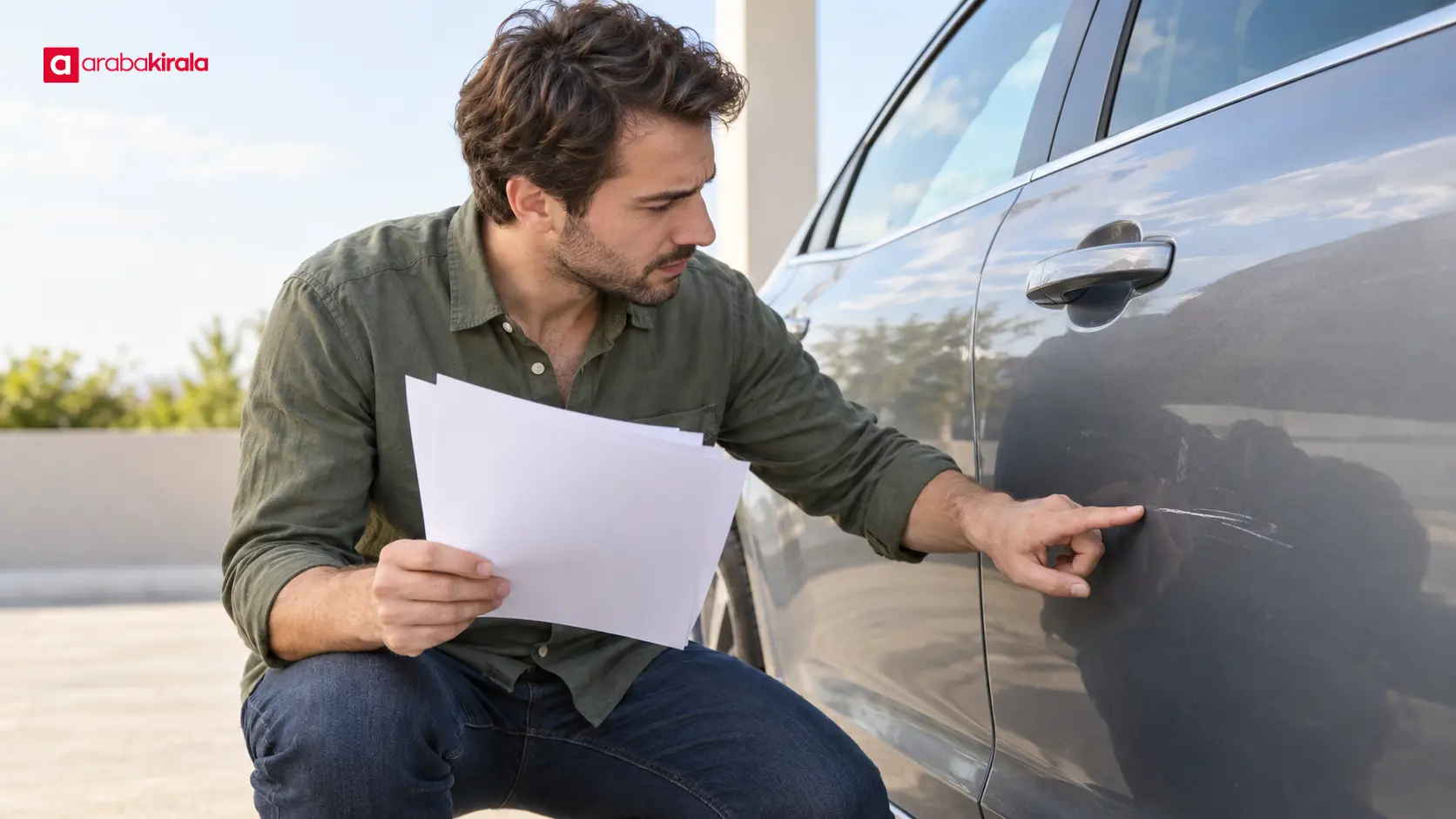
The relevant information may not sit under one heading. Scan for terms such as “damage,” “accident,” “breakdown,” “notification,” “responsibility,” “insurance,” and “emergency.” In a printed agreement, use the contents page; in a digital document, search for each term. Read the full section rather than relying on its heading. It may explain when to report, which channel to use, what records to provide, and what to do next across several paragraphs.
Reporting damage to the rental company is different from documenting an incident through a traffic or official process. An agreement can describe how to contact the rental provider, while an accident report or official record follows a separate process determined by the circumstances. Keeping these functions distinct helps prevent treating one document as a substitute for another. If a clause is unclear, ask for an explanation before pickup and note where the answer is recorded.
Find and verify the right contact information
Contact details may appear in sections about the parties, notices, emergencies, or roadside assistance. If the agreement lists several numbers or addresses, determine which one is for booking questions, roadside help, and damage reports. Do not assume a general information line handles every type of incident; ask the branch responsible for your rental what each channel is for.
There may also be a handover form, booking confirmation, or information card in the vehicle. If one of these shows a different channel from the agreement, resolve the difference before leaving. Keep the correct details in the agreement copy or in an official written message so you can find them quickly later. Check that the information is current rather than copying it from an old document.
Details to confirm before pickup
- Whether damage, accidents, and mechanical problems use separate reporting channels
- How to reach the correct contact when an incident occurs
- Whether photos, a report, a repair record, or other documents are requested
- Whether you will receive a reference number or written confirmation after reporting
- Who can advise whether the vehicle should continue to be driven
These questions do not imply that every branch follows the same procedure. They help you learn the steps for your own reservation before you need to act under pressure.
What to record after damage or an accident
Start with people’s safety and any immediate danger at the scene. If someone is injured, there is a fire risk, or traffic safety is affected, contact the appropriate emergency services and follow official instructions. Do not put yourself at risk to take photos or collect documents in an unsafe location. Calling the rental provider does not replace emergency response.
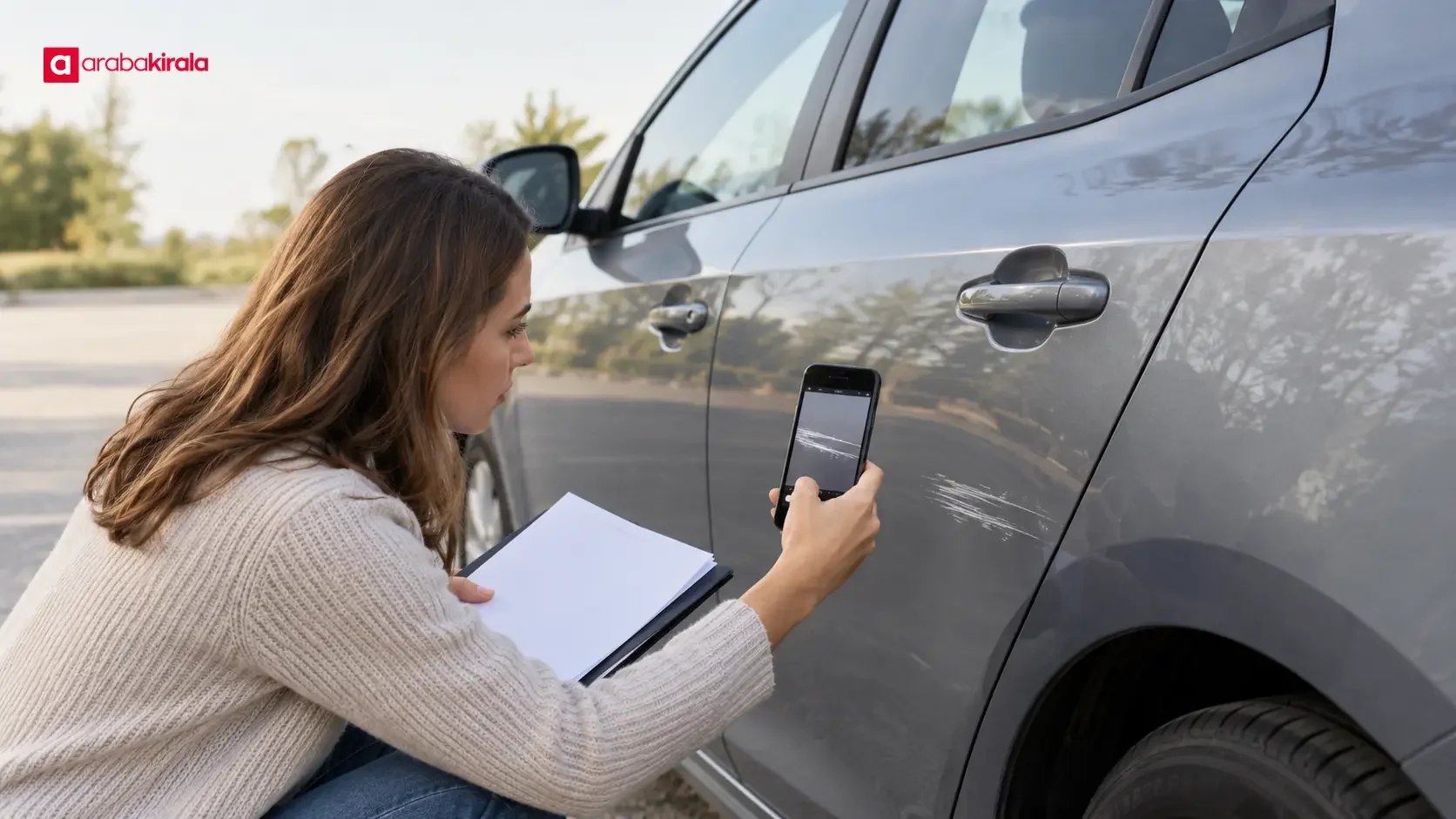
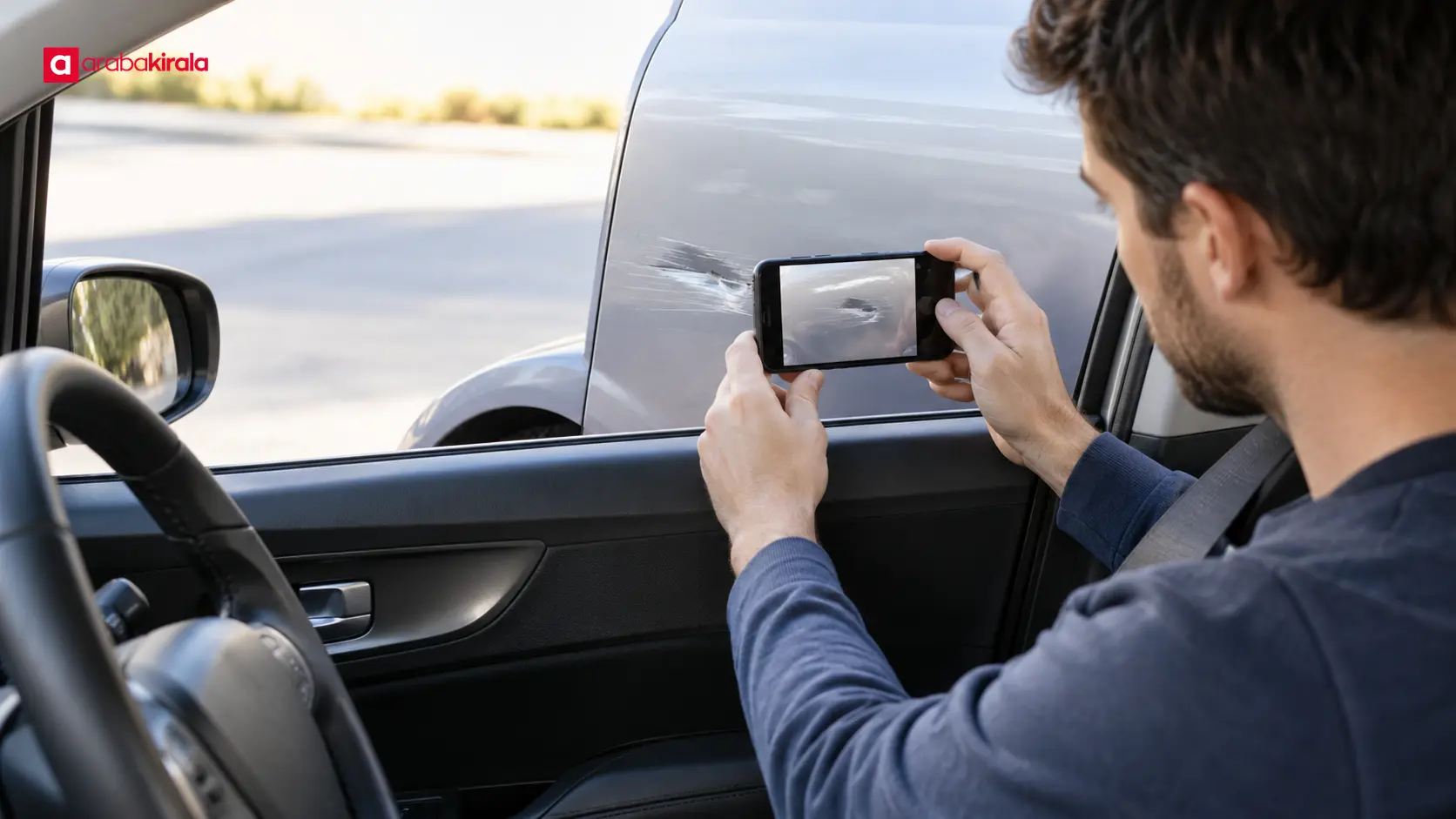
When it is safe, note the date, approximate time, and location. Photos from different angles can help show the vehicle positions, visible damage, and surroundings. Take them without obstructing traffic, collecting unnecessary personal information, or altering the images in a misleading way. If a plate, odometer reading, or dashboard image is relevant, record it only when it can be done safely.
If another vehicle or person is involved, keep the available vehicle and contact details, along with any records connected to the event. Whether an accident report is required depends on the type and circumstances of the incident. Official Turkish traffic guidance describes situations in which drivers may complete a report for some property-damage crashes, as well as circumstances that require authorities to be involved. If you are unsure which situation applies, follow official traffic instructions and contact the rental branch. Do not guess at fields on a form or official document.
Keep supporting documents organized
A damage case may involve a handover form, agreement, photographs, an accident report, a towing or repair record, and messages with the rental office. Each item can clarify a different part of the timeline. A handover record captures the vehicle’s observed condition at pickup; photos show visible details; messages can establish when you reported the issue and what directions you received. No single item should be assumed to document the entire event.
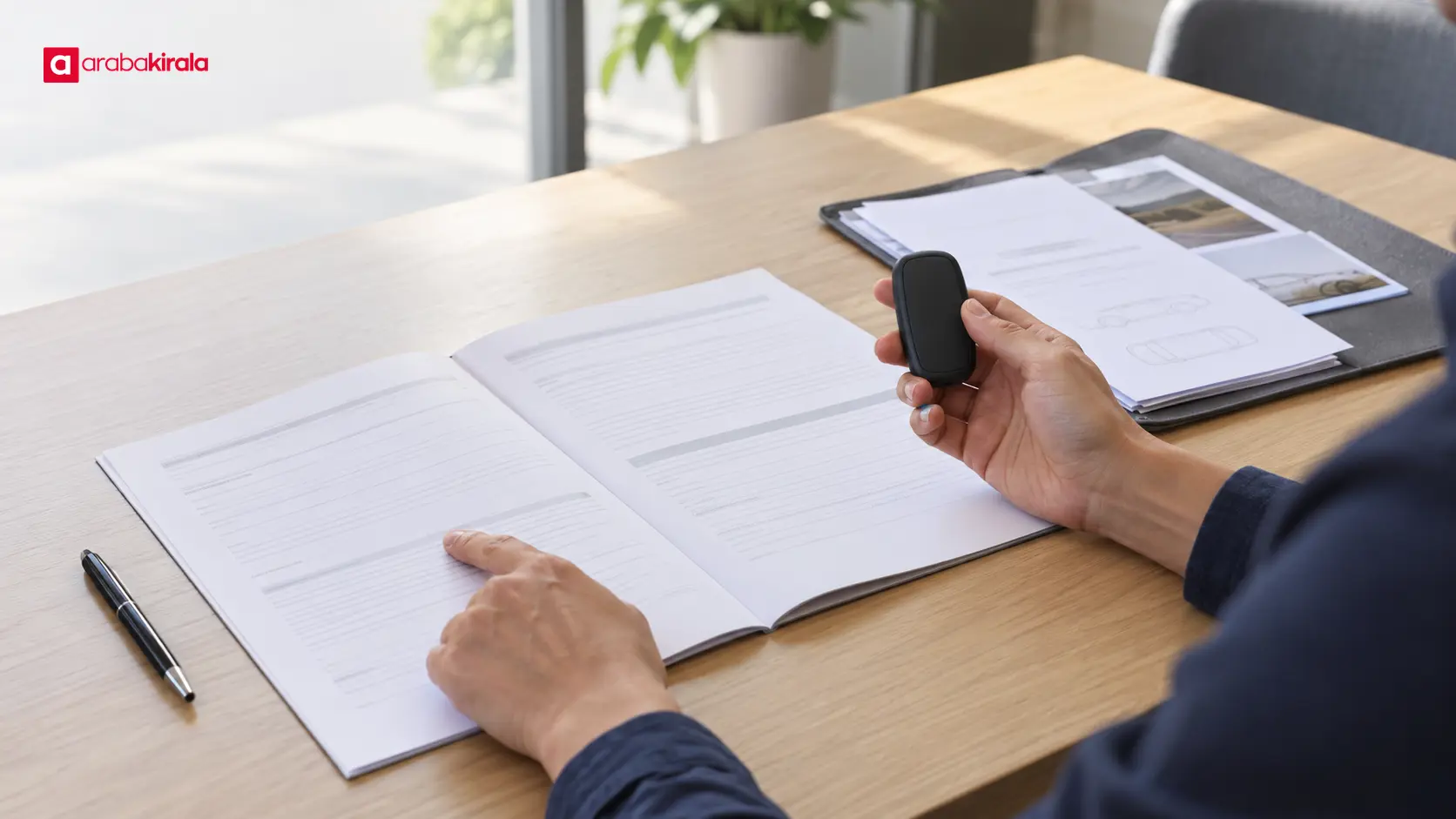
Name files with the date and incident details, and retain original images without edits. Share records only with the people who need them and through suitable channels. At pickup, have any pre-existing marks or dents recorded on the relevant form, and do not rush through an acknowledgment before the condition record is complete. If there is not enough room on the form, ask the branch how to add a note. Clear starting records make later review easier.
A practical incident file
- A readable copy of the rental agreement and handover record
- A short note with the time and place of the incident
- Original photos showing the damage and vehicle position
- Any accident report or document from an authority, if applicable
- The dates and channels used to contact the branch
- Written confirmation of instructions and any reference number
Read related agreement clauses too
Responsibilities and next steps may be spread across clauses on vehicle use, breakdowns, roadside assistance, insurance, and excess or deductible terms. These headings do not mean that every kind of damage is covered or that a particular charge will always apply. Coverage and process depend on the agreement, any selected product, and the incident. Read the relevant provisions together and request an explanation in writing where the wording is unclear.
Make sure you understand: Which channel handles a damage report? What documents are requested? Whose directions should you follow about moving or continuing to use the vehicle? Where should the vehicle be taken or returned after the incident? If the agreement does not answer these questions, ask the branch handling your rental for guidance specific to your reservation. Do not treat general online advice as a guaranteed company term.
Frequently asked questions
Is a phone call enough to report damage?
That depends on the agreement and the incident. A phone call may be the initial notification, while photos, a written form, or other records may also be requested. Check the stated channel and ask the branch which steps complete the report. Keep a note of the time of the call and the instructions you receive.
Should I report a small scratch?
A mark that looks minor is not automatically irrelevant. Report damage you notice during the rental or at handover through the appropriate channel, and avoid deciding its significance on your own. Keep the date and photos so the condition can be reviewed against the handover record.
Can a photo replace an accident report?
A photo records visible details of the vehicle and scene; it does not necessarily replace a report or official step that may be required. The necessary records depend on the circumstances. Prioritize safety and official directions, and inform the rental branch promptly.
What if the agreement has no contact number?
Check the booking confirmation or an official contact channel provided directly to you. If it is unclear whom to call for damage or urgent help, ask the branch before collecting the vehicle and keep the answer in writing. Avoid sharing booking or personal details with an unverified number found through a general search.
Next step: clarify the reporting route before pickup
Scan the agreement for damage-related clauses, verify which contact channel handles each type of incident, and record the vehicle’s starting condition on the handover form. If an incident occurs, put safety first, follow relevant official guidance, contact the rental branch, and keep the records together. Confirming reservation-specific details with the location handling your rental helps you prepare without mistaking general advice for a company-wide rule.
Legal Disclaimer: All content, articles and information on the Araba Kirala website are provided solely to inform users. No information shared on this website constitutes definitive advice or guidance. Araba Kirala Teknoloji A.Ş. and its authors cannot be held responsible for any direct or indirect damages arising from the application of information on the website. For all questions and requests regarding car rental, please contact the office from which you will rent your vehicle.