
Cold Engine Driving: A Guide to Your First Trip
Published: November 3, 2026 • Reading Time: 7 min • Last Updated: November 3, 2026 • Author: Merve B.
Learn how to start a cold engine, drive gently at first, and respond to dashboard warnings in cold weather.
Contents
- Why does a cold engine behave differently?
- A brief check before starting
- How long should you wait after starting?
- How to treat the engine during the first drive
- What to avoid while the engine warms
- Warning lights and unusual symptoms
- Cold engines and winter road conditions
- Cold-weather preparation in a rental car
- Quick checklist for the first drive
- Summary and next step
- Frequently Asked Questions
- Related Articles
Cold engine driving calls for a little patience while the engine and other mechanical parts reach their operating conditions. This guide explains what to do after starting, how to drive during the first minutes, and which dashboard signals deserve attention. The aim is to avoid unnecessary extended idling while letting the car warm gradually through gentle use.
Why does a cold engine behave differently?
After a car has been parked for a long time, engine oil and coolant move closer to the surrounding temperature. Engine components have not yet reached the heat produced during normal operation, and the conditions for lubrication differ from those of a warm engine. Oil begins circulating when the engine starts, so avoiding high revs and sudden heavy loads at first is a sensible general habit.
Cold weather affects more than the engine. The transmission, tires, battery, and windows can also be affected. Battery cranking power can decrease in low temperatures, while repeated short trips and frequent starts can affect its charge balance. The vehicle owner's manual provides model-specific guidance for cold weather and starting.
A brief check before starting
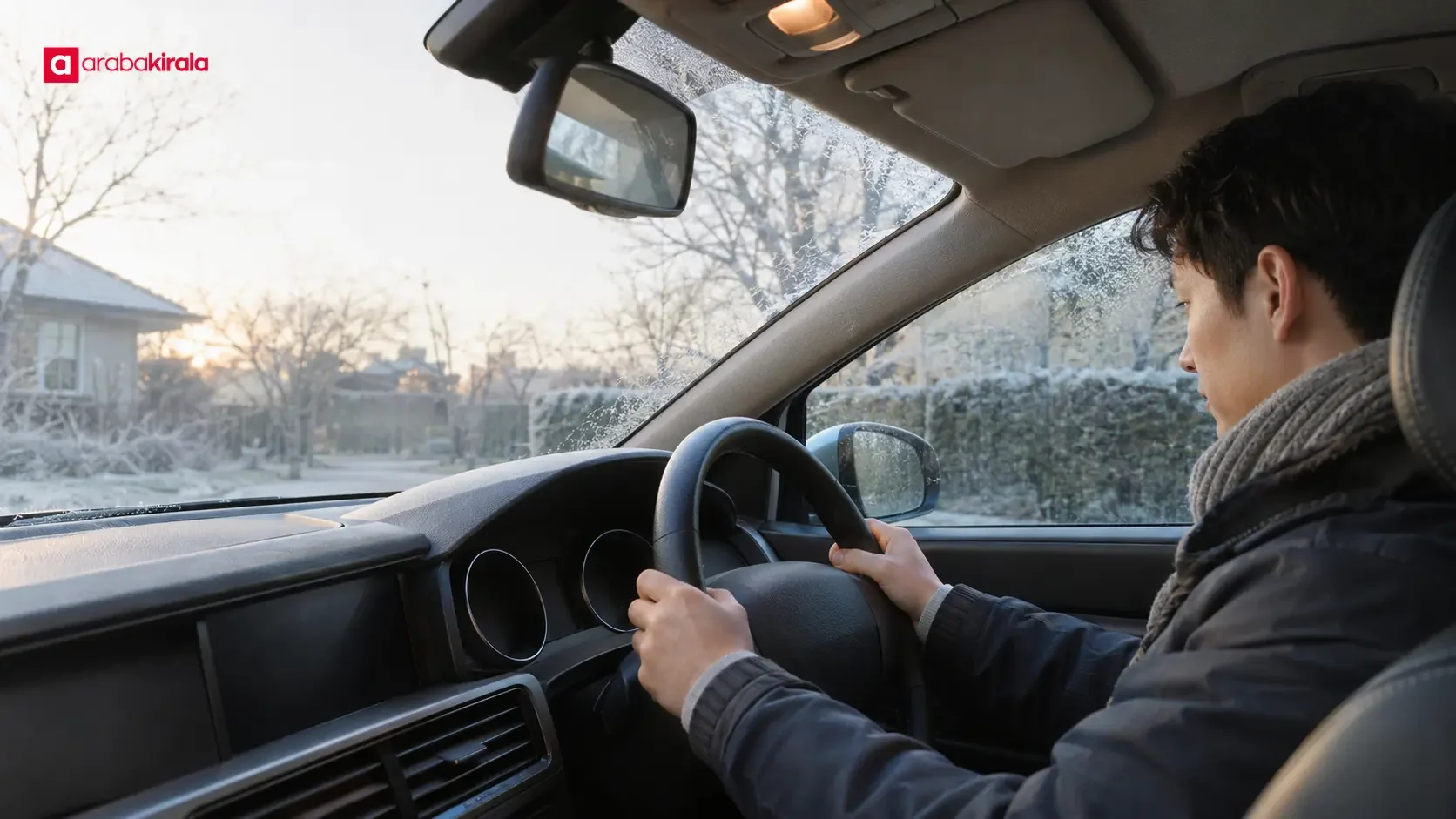
Before starting, make sure the surroundings are safe and the exhaust outlet is clear. Running an engine in an enclosed garage can allow exhaust gases to build up and is dangerous. Check the area around the car, the space around the tires, and whether the windows provide a clear view. Remove ice or fog from the windshield before driving.
- Confirm that the gear selector is in Park or Neutral as appropriate, and use the parking brake.
- Notice which warning lights appear when the ignition is switched on and whether they go out after the engine starts.
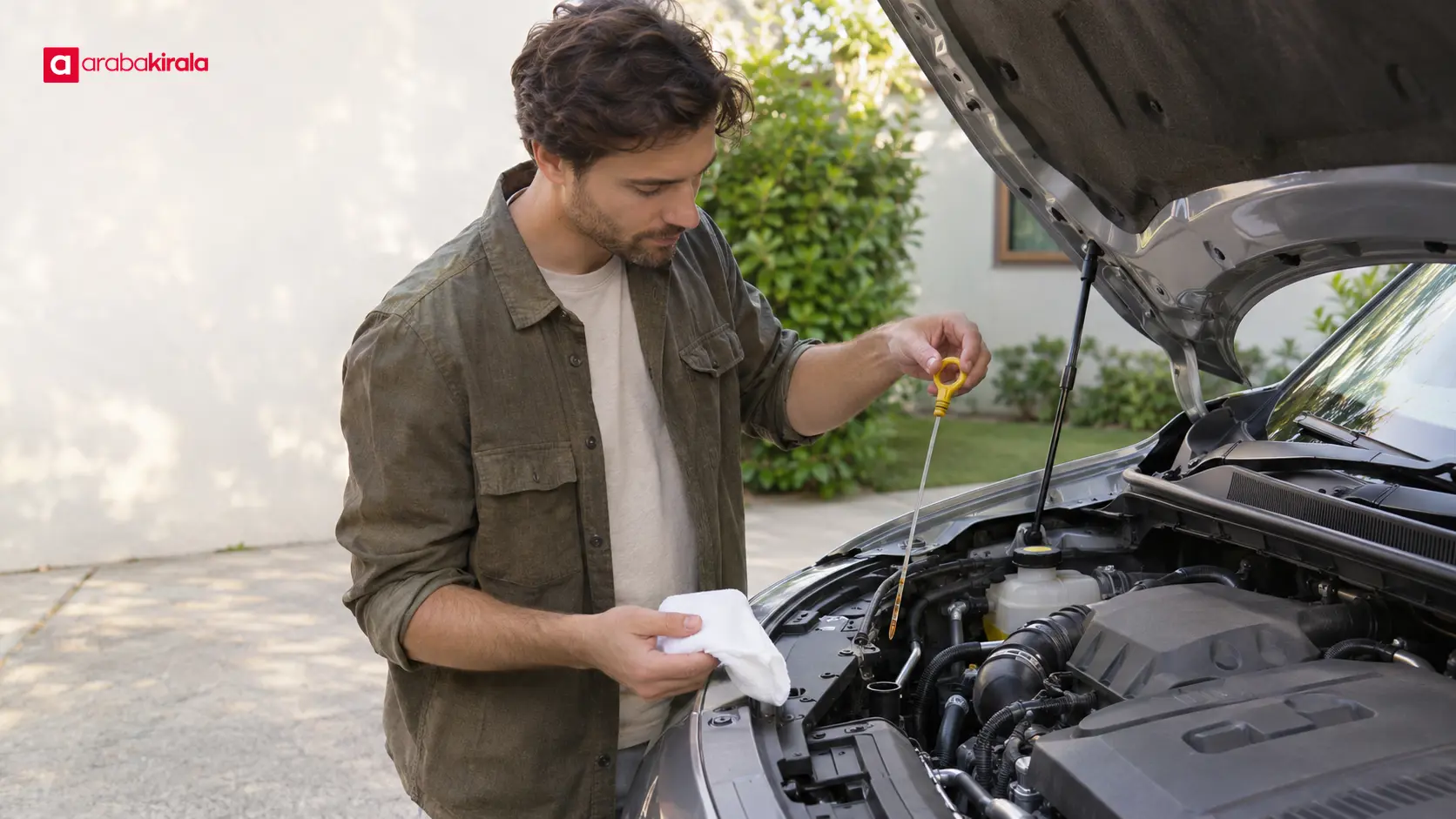
- If you need to check oil or coolant, follow the owner's manual and do so under safe conditions.
- Clear snow, ice, or debris blocking the exhaust outlet before starting.
How long should you wait after starting?
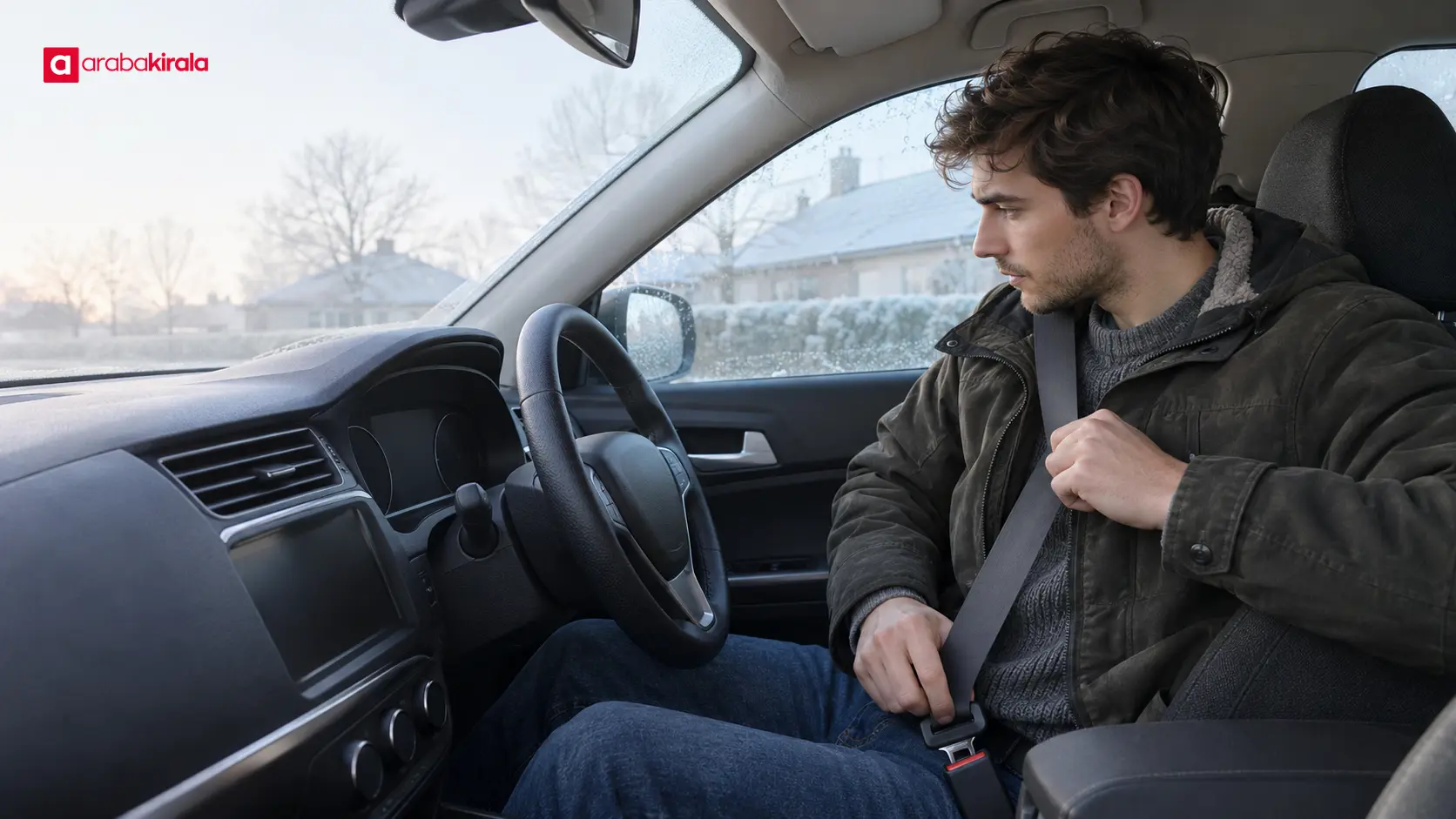
For many modern passenger cars, a long stationary warm-up is unnecessary; a short preparation followed by gentle driving is generally suitable. The time needed to fasten your seat belt, adjust mirrors, and check the dashboard gives you a brief pause before moving. A single waiting time cannot apply to every vehicle: follow the manufacturer's manual, taking the engine type and outdoor temperature into account.
Extended idling does not always warm the engine and cabin as quickly or efficiently as driving. The idle speed may appear somewhat elevated just after a cold start as part of the engine management strategy, but that alone does not diagnose a fault. If there is unusual noise, strong vibration, or a warning light that stays on, avoid putting the engine under load and follow the manual.
How to treat the engine during the first drive
Accelerate smoothly during the first minutes and avoid pressing the accelerator sharply or deeply. Hard acceleration and sustained uphill loads that keep the engine at high revs increase the load on cold components. Choose a steady, moderate speed suited to traffic and keep an eye on the temperature display. This lets the engine and drivetrain warm gradually while moving.
Until the temperature gauge reaches its normal range, avoid high revs and abrupt maneuvers. Some cars do not have a temperature gauge; they may use a warning symbol or display the information another way. Check the owner's manual to understand the indicators. A warm engine does not mean the tires or road surface have gained safe grip.
What to avoid while the engine warms
- Do not rev the engine while the car is stationary to warm it up.
- Avoid sudden acceleration, harsh braking, and high-rev driving while the engine is cold.
- Do not set off until you can see clearly through the windows.
- Never leave the engine running in an enclosed or poorly ventilated space.
Warning lights and unusual symptoms
Dashboard warning lights need to be distinguished from one another. Some lights may appear briefly when the ignition is switched on as part of a system check. An oil pressure or overheating warning that remains on after the engine starts needs attention before you continue driving. Stop in a safe place, switch off the engine, and follow the owner's manual. If you are unsure what the warning means, get qualified technical assistance.
Visible vapor or a slightly different engine sound at first does not always mean there is a fault, but heavy smoke, a fuel smell, metallic knocking, marked loss of power, or persistent shaking should not be treated as normal. If a symptom continues, stop safely and seek help instead of continuing to drive. Never open the cooling system cap while the engine is hot; pressurized hot fluid can cause serious burns.
Cold engines and winter road conditions
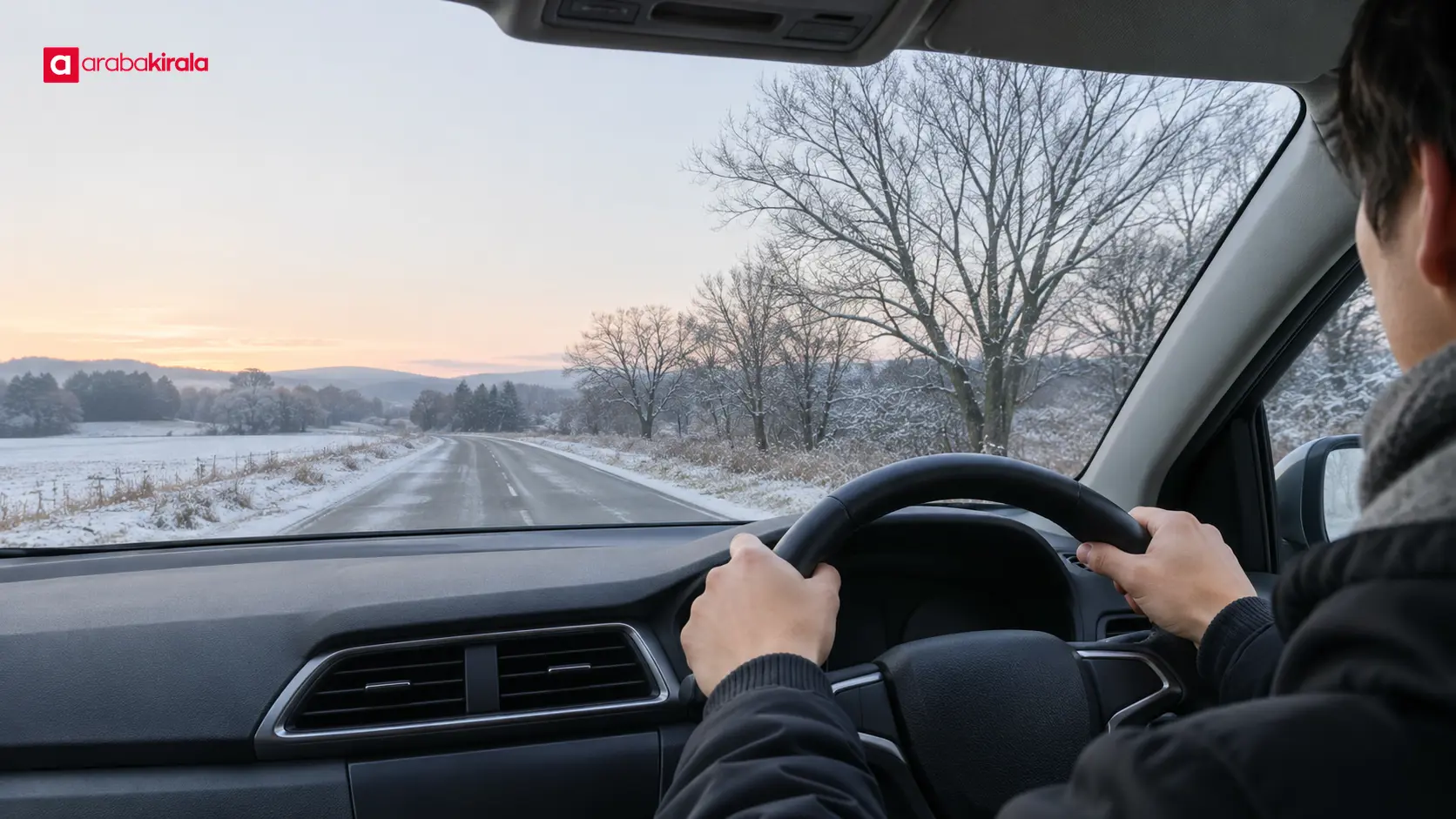
Engine operating temperature and road grip are separate issues. In cold weather, roads may be icy, snowy, or wet, changing tire grip and braking distance. Adjust speed, visibility, and following distance to the conditions. Consider local conditions and manufacturer information when choosing winter tires and setting tire pressure. Check the vehicle manual for the limits on suitable tires and chains.
Use the heating and demisting systems to keep a clear view. In some vehicles, air conditioning can help clear fog, but controls differ by model, so consult the manual. Clean windows and an unobstructed field of view are safety requirements regardless of engine temperature.
Cold-weather preparation in a rental car
Review the rental vehicle's manual for starting instructions, temperature indicators, and warning-light meanings. Learning where the winter equipment and demisting controls are before setting off can make the first drive easier to plan. If a particular item of equipment or a collection detail matters to your booking, ask the branch you will rent from; vehicle and branch details can vary.
Before a longer journey, check weather and road conditions along the route, plan fuel or charging, and account for breaks. A cold start is only one part of safe vehicle use; visibility, tires, following distance, and warning lights all deserve attention together.
Quick checklist for the first drive
- Make sure the exhaust outlet is clear and the windows provide adequate visibility.
- Start the car and watch for warning lights or unusual sounds.
- After a brief preparation, move off gently and use moderate speed.
- Avoid high revs and hard acceleration until the engine warms.
- If a temperature or oil pressure warning persists, stop safely and consult the manual.
Summary and next step
For cold engine driving, the most useful approach is to check safety before starting, avoid extended idling, and warm the engine gradually through gentle driving. Each model may have different indicators and manufacturer guidance, so use the owner's manual as your reference. In a rental car, ask the branch you will rent from about equipment or collection details when needed; check visibility, tires, and warning lights before setting off.
Frequently Asked Questions
Can I drive away immediately after starting a car in cold weather?
If there are no unusual dashboard warnings, moving off gently after a short preparation is generally appropriate. Any specific instructions in the manufacturer's manual take priority. Avoid high revs and sudden acceleration during the first minutes.
How long should I leave the car running to warm the engine?
There is no single time that applies to every vehicle. In many modern cars, a short preparation followed by moderate driving is preferred to extended idling. Check the manual for advice based on your model and the weather.
Is a higher engine speed normal just after a cold start?
The idle speed may be higher than usual for a short time after starting. If it does not settle, the engine shakes noticeably, or a warning light stays on, consult the manual and seek technical assistance if needed.
Can I drive fast before the temperature gauge rises?
Use smooth acceleration and moderate revs until the engine reaches its normal operating temperature. Avoid high revs and sudden loads. Also remember that cold road surfaces may offer less grip.
What should I do if the oil pressure warning stays on after a cold start?
Stop in a safe place, switch off the engine, and follow the warning guidance in the owner's manual. If the light remains on, do not continue driving; get qualified technical assistance.
How can I find out what winter equipment a rental car has?
Start by checking the vehicle manual and familiarizing yourself with the controls. If particular equipment or a collection detail matters, ask the branch you will rent from.
Related Articles
- How to Read a Tachometer and What It Tells You About Engine Use
- What Does a Car Engine Air Filter Do? A Maintenance Guide
- How to Read Engine Oil Viscosity Codes: 0W-20 and 5W-30
Legal Disclaimer: All content, articles and information on the Araba Kirala website are provided solely to inform users. No information shared on this website constitutes definitive advice or guidance. Araba Kirala Teknoloji A.Ş. and its authors cannot be held responsible for any direct or indirect damages arising from the application of information on the website. For all questions and requests regarding car rental, please contact the office from which you will rent your vehicle.
 Add ArabaKirala as a preferred source on Google












